Sedum ‘Red Cauli’ (Stonecrop): A Comprehensive Guide
Introduction
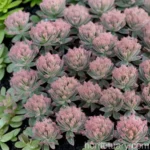
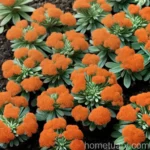
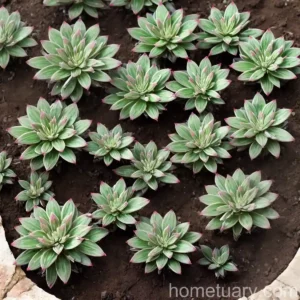
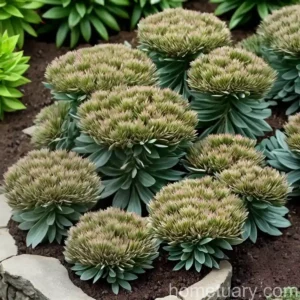
Sedum ‘Red Cauli,’ also known as Stonecrop, is a stunning succulent with vibrant red foliage that adds a pop of color to any garden or landscape. This hardy and versatile plant is popular among gardeners for its low maintenance requirements and beautiful appearance. In this comprehensive guide, we will explore the key aspects of Sedum ‘Red Cauli,’ including its culture, uses, care requirements, propagation techniques, common diseases, pests, and much more.
What is Sedum ‘Red Cauli’ (Stonecrop)?
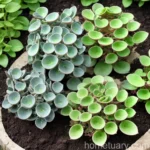
Sedum ‘Red Cauli’ belongs to the Sedum genus, which consists of numerous species of succulent plants commonly known as stonecrops. These plants are characterized by their fleshy, water-storing leaves and ability to thrive in various environmental conditions. Sedum ‘Red Cauli’ is prized for its compact growth habit and stunning foliage, which undergoes striking color changes throughout the seasons, making it a desirable addition to gardens, rockeries, and container arrangements.
Key Takeaways – Sedum ‘Red Cauli’ (Stonecrop)
Before delving into the specific care and cultivation techniques for Sedum ‘Red Cauli,’ let’s take a look at the key takeaways for this remarkable plant:
- Scientific Name: Sedum ‘Red Cauli’
- Common Name: Stonecrop
- Watering: Moderate watering needs; well-draining soil
- Sunlight: Prefers full sun to partial shade
- Fertilization: Minimal fertilization requirements
- Soil: Well-draining, sandy soil
- Pruning: Limited pruning needs; remove spent flowers or leggy growth
- Propagation: Easily propagated from stem cuttings or division
- Container Gardening: Well-suited for containers and rock gardens
- Popularity: Widely popular for its vibrant foliage and low maintenance
- Common Diseases: Susceptible to root rot and fungal infections
- Common Pests: Occasionally affected by aphids and mealybugs
The comprehensive guide that follows will provide detailed insights into each of these key takeaways, offering valuable information for both novice and experienced gardeners.
Culture
Uses
Sedum ‘Red Cauli’ is valued for its ornamental appeal and versatility in various landscaping and gardening applications. Its uses include:
- Garden Beds: Adds color and texture to flower beds and borders
- Rock Gardens: Thrives in rocky, dry environments
- Containers: Ideal for container gardens and window boxes
- Ground Cover: Forms dense mats in sunny locations
- Erosion Control: Helps prevent soil erosion on slopes
- Vertical Gardening: Suitable for vertical gardening arrangements
- Xeriscaping: Thrives in low-water and arid landscapes
- Rooftop Gardens: Well-adapted to rooftop and urban gardens
- Pollinator Gardens: Attracts bees, butterflies, and other pollinators
- Medicinal and Culinary: Offers potential medicinal and culinary benefits
The diverse uses of Sedum ‘Red Cauli’ make it a valuable addition to any garden or landscape design, providing beauty, functionality, and ecological benefits.
Water
Proper watering is crucial for the health and vitality of Sedum ‘Red Cauli.’ While this plant is known for its drought tolerance, it still requires regular watering, especially during the active growing season. Here are some important considerations regarding water requirements for Sedum ‘Red Cauli’:
- Established Plants: Water deeply and infrequently, allowing the soil to dry out between waterings
- Container Plants: Ensure proper drainage in containers to prevent waterlogging
- Avoid Overwatering: Excess moisture can lead to root rot and other issues
- Summer Watering: Increase watering frequency during hot, dry spells
- Winter Care: Water sparingly in winter to prevent waterlogged soil
Understanding the specific water needs of Sedum ‘Red Cauli’ is essential for maintaining its health and promoting optimal growth.
Sunlight
Sedum ‘Red Cauli’ thrives in sunny locations and exhibits its best coloration and growth when provided with ample sunlight. Here are the key considerations regarding sunlight requirements for this plant:
- Full Sun: Prefers at least 6-8 hours of direct sunlight per day
- Partial Shade: Tolerates some afternoon shade, especially in hot climates
- Indoor Lighting: Requires bright indoor light for indoor cultivation
- Fall Foliage: Sun exposure influences the intensity of fall foliage color
- Summer Blooms: Abundant sunlight promotes prolific flowering in summer
By providing the appropriate sunlight conditions, gardeners can ensure that Sedum ‘Red Cauli’ displays its full potential and remains healthy and vibrant.
Fertilizer
Sedum ‘Red Cauli’ has minimal fertilizer requirements, making it a low-maintenance plant in terms of feeding. Here are some key considerations for fertilizing this plant:
- Nutrient-Poor Soil: Thrives in nutrient-poor, well-draining soil
- Minimal Feeding: Avoid excessive fertilization to prevent leggy growth
- Organic Amendments: Incorporate organic matter into the soil when planting
- Balanced Fertilizer: Use a balanced, low-strength fertilizer sparingly in spring
- Container Plants: Fertilize container-grown specimens lightly during the growing season
By following these guidelines, gardeners can ensure that Sedum ‘Red Cauli’ receives adequate nutrition without overstimulating growth.
Soil
Sedum ‘Red Cauli’ thrives in well-draining, sandy soil that mimics its natural habitat. Here are the key considerations for selecting and preparing the soil for this plant:
- Drainage: Ensure excellent drainage to prevent waterlogging
- Sandy Soil: Prefers sandy or gravelly soil with low fertility
- pH Level: Tolerates a wide pH range, including acidic to alkaline soils
- Soil Amendments: Incorporate sand and perlite for improved drainage
- Container Mix: Use a well-draining cactus or succulent mix for container cultivation
By providing the appropriate soil conditions, gardeners can create an optimal growing environment for Sedum ‘Red Cauli’ and promote its overall health and vigor.
Pruning
Sedum ‘Red Cauli’ has limited pruning requirements, primarily focused on the removal of spent flowers and occasional maintenance to shape the plant. Here are the key pruning techniques for this plant:
- Deadheading: Remove spent flower clusters to encourage additional blooming
- Leggy Growth: Trim back any leggy or elongated stems to maintain a compact form
- Spring Cleaning: Trim away any winter-damaged or discolored foliage in spring
- Pruning Tools: Use clean, sharp scissors or pruning shears for precision
By incorporating these pruning practices, gardeners can keep Sedum ‘Red Cauli’ looking tidy and encourage continuous blooming throughout the growing season.
Propagation
Sedum ‘Red Cauli’ can be easily propagated through stem cuttings or division, allowing gardeners to expand their plant collection or share this stunning succulent with others. Here are the primary propagation techniques for this plant:
Stem Cuttings
- Select Healthy Stems: Choose healthy, non-flowering stems for propagation
- Cutting Preparation: Snip 3-4 inch stem segments with a sharp, clean blade
- Callous Formation: Allow the cut ends to callous for 1-2 days to prevent rotting
- Planting Cuttings: Insert the stems into well-draining, moist soil
- Root Development: Roots will form within a few weeks under optimal conditions
Division
- Established Plants: Divide mature clumps in early spring before new growth emerges
- Root Division: Gently separate the root mass into individual sections
- Planting Divisions: Replant divided sections in well-draining soil
- Watering: Keep the soil consistently moist until new growth appears
By utilizing these propagation methods, gardeners can effectively propagate Sedum ‘Red Cauli’ and expand their garden with minimal effort.
Container Popularity
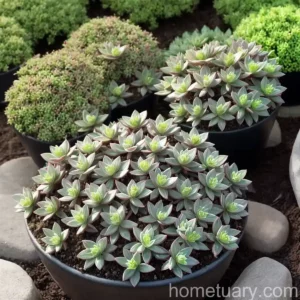
Sedum ‘Red Cauli’ is highly popular for container gardening due to its compact growth habit, striking foliage, and low maintenance requirements. Here are the key considerations for growing this plant in containers:
- Container Selection: Choose well-draining containers with adequate drainage holes
- Potting Mix: Use a well-draining cactus or succulent mix for container cultivation
- Watering: Adjust watering frequency to account for faster drying in containers
- Sunlight: Place containers in sunny locations for optimal growth and coloration
- Overwintering: Protect container plants from excessive moisture and cold temperatures in winter
By growing Sedum ‘Red Cauli’ in containers, gardeners can enjoy its beauty on patios, balconies, and other outdoor living spaces, creating stunning displays with minimal effort.
Common Diseases
While Sedum ‘Red Cauli’ is generally resilient, it is susceptible to certain diseases, especially when exposed to unfavorable growing conditions. Here are the common diseases that gardeners should be aware of:
Root Rot
- Cause: Excessive soil moisture leading to fungal infections
- Symptoms: Wilting, yellowing, and mushy or darkened roots
- Prevention: Ensure excellent drainage and avoid overwatering
Fungal Infections
- Cause: Prolonged moisture on foliage and stems
- Symptoms: White powdery mildew or black spots on leaves
- Prevention: Provide good air circulation and avoid overhead watering
By recognizing these diseases and implementing preventive measures, gardeners can maintain the health and vitality of Sedum ‘Red Cauli’ in their gardens.
Disease Diagnosis
Diagnosing plant diseases accurately is essential for implementing effective control measures. Here are some diagnostic tips for identifying and addressing potential diseases affecting Sedum ‘Red Cauli’:
- Visual Inspection: Regularly inspect the plant for any changes in foliage, such as discoloration, spots, or wilting
- Symptom Identification: Pay attention to specific symptoms associated with common diseases, such as root rot and fungal infections
- Moisture Management: Assess the moisture levels in the soil and surrounding environment to prevent conditions conducive to disease development
By understanding the diagnostic process, gardeners can promptly address any potential diseases and protect the overall health of their plants.
Common Pests
While generally resistant to pests, Sedum ‘Red Cauli’ can occasionally be affected by common garden pests. Here are the primary pests that gardeners should be vigilant of:
Aphids
- Identification: Small, soft-bodied insects often found in clusters on new growth
- Damage: Sucking sap from plant tissues, causing distortion and discoloration of leaves
- Control: Use insecticidal soap or neem oil to manage aphid infestations
Mealybugs
- Identification: Small, white, cottony insects typically found along stems and leaf joints
- Damage: Feeding on plant sap, leading to stunted growth and weakened plants
- Control: Remove mealybugs manually and apply insecticidal treatments as needed
By monitoring for these pests and implementing appropriate control measures, gardeners can protect Sedum ‘Red Cauli’ from potential pest damage.
Botanist’s Tips
To ensure the successful cultivation and enjoyment of Sedum ‘Red Cauli,’ here are some valuable tips:
- Well-Draining Soil: Prioritize excellent drainage to prevent root issues
- Adequate Sunlight: Provide ample sunlight for vibrant foliage coloration
- Minimal Watering: Err on the side of underwatering to avoid excessive moisture
- Occasional Pruning: Trim as needed to maintain a tidy and compact form
- Propagation Opportunities: Explore propagation for sharing and expanding plantings
- Pest and Disease Vigilance: Monitor for potential issues and address early signs promptly
By integrating these tips into their gardening practices, enthusiasts can foster healthy and thriving Sedum ‘Red Cauli’ specimens in their gardens.
Fun Facts
Sedum ‘Red Cauli’ is not only an aesthetically pleasing plant but also harbors interesting characteristics and historical significance. Here are some fun facts about this captivating succulent:
- Drought Tolerance: Exhibits remarkable resilience to dry and arid conditions
- Native American Folklore: Some Native American tribes utilized stonecrop species for medicinal purposes
- Pollinator Attractant: Attracts beneficial pollinators, supporting ecological diversity
- Color Variations: Undergoes dramatic color changes from season to season, providing dynamic visual interest
- Succulent Adaptations: Features water-storing leaves and stems, allowing it to thrive in challenging environments
Through these fun facts, enthusiasts can deepen their appreciation for Sedum ‘Red Cauli’ and its unique qualities.
Links to External Resources
To further expand their knowledge and explore additional insights into Sedum ‘Red Cauli,’ enthusiasts can refer to the following external resources:
- Sedum ‘Red Cauli’ Care Guide
- Propagation Techniques for Stonecrop ‘Red Cauli’
- Sedum ‘Red Cauli’ Varieties and Cultivars
- Comprehensive Guide to Succulent Gardening
- Pest and Disease Management for Sedum
By utilizing these external resources, enthusiasts can access additional information, expert advice, and practical tips for successfully cultivating and enjoying Sedum ‘Red Cauli’ in their gardens and landscapes.
In conclusion, Sedum ‘Red Cauli’ (Stonecrop) stands out as a fascinating and visually striking succulent with a wide range of applications in gardening and landscaping. By understanding its unique culture, propagation techniques, care requirements, and potential challenges, gardeners can fully appreciate and harness the beauty and resilience of this remarkable plant. From vibrant foliage coloration to ecological contributions, Sedum ‘Red Cauli’ offers an array of benefits for outdoor enthusiasts and gardening aficionados alike. With the valuable insights provided in this comprehensive guide, enthusiasts can confidently cultivate and enjoy the many virtues of Sedum ‘Red Cauli’ in their own green spaces.
References
- “Sedum ‘Red Cauli’ Care Guide.” Gardening Know How. link
- “Propagation Techniques for Stonecrop ‘Red Cauli'”. The Spruce. link
- “Sedum ‘Red Cauli’ Varieties and Cultivars.” Southern Living. link
- “Comprehensive Guide to Succulent Gardening.” World of Succulents. link
- “Pest and Disease Management for Sedum.” University of Minnesota Extension. link