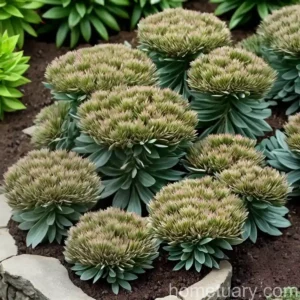
Sedum ‘Peach Pearls’ (Stonecrop): A Comprehensive Care Guide
Sedum ‘Peach Pearls’, commonly known as Stonecrop, is a visually stunning succulent that has gained popularity among plant enthusiasts for its low maintenance requirements and versatility in various gardening settings. This comprehensive care guide will delve into every aspect of caring for Sedum ‘Peach Pearls’, from its cultural requirements to its propagation and common diseases. Whether you are a seasoned gardener or a novice plant parent, this guide will equip you with the knowledge to nurture and enjoy this beautiful succulent to its fullest potential.
What is Sedum ‘Peach Pearls’ (Stonecrop)?
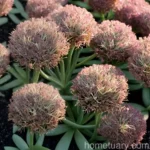
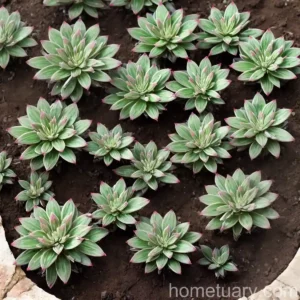
Sedum ‘Peach Pearls’ is a cultivar of the Sedum genus, a diverse group of flowering plants that belong to the family Crassulaceae. This particular variety is characterized by its compact, mounded growth habit and its attractive foliage that exhibits peachy-orange hues, especially during the cooler months. As a succulent, Sedum ‘Peach Pearls’ stores water in its fleshy leaves, enabling it to thrive in arid conditions and making it an excellent choice for water-wise gardening.
The succulent nature of Sedum ‘Peach Pearls’ allows it to be used in various landscaping and gardening applications, including rock gardens, containers, and ground cover. Its adaptability to different growing conditions and its appealing aesthetic qualities have contributed to its increasing popularity in horticulture.
Key Takeaways – Sedum ‘Peach Pearls’ (Stonecrop)
Before we delve into the specific care requirements for Sedum ‘Peach Pearls’, let’s highlight some key takeaways about this captivating succulent:
- Characteristics: Compact, mounded growth habit with peachy-orange foliage.
- Water Requirements: Drought-tolerant; prefers well-draining soil.
- Sunlight: Thrives in full sun to partial shade.
- Soil Preferences: Well-draining, sandy or loamy soil.
- Propagation: Easily propagated from stem cuttings or division.
- Pruning: Minimal pruning required; remove spent flower heads for tidiness.
- Container Gardening: Well-suited for container arrangements and hanging baskets.
- Common Diseases: Resistant to most diseases with proper care.
- Common Pests: Generally pest-resistant; occasional issues with aphids or mealybugs.
- Hardiness Zones: Suitable for a wide range of hardiness zones.
- Versatility: Can be used as a ground cover, in rock gardens, or as a low-maintenance landscape plant.
- Wildlife-Friendly: Attracts pollinators such as butterflies and hummingbirds.
Now that we have a snapshot of the key attributes of Sedum ‘Peach Pearls’, let’s explore the specific care guidelines to ensure its successful cultivation and maintenance.
Culture
Cultivating Sedum ‘Peach Pearls’ involves understanding its cultural requirements, including its need for water, sunlight, soil, and fertilizer. By meeting these essential needs, you can support the succulent’s optimal growth and development.
Uses
Sedum ‘Peach Pearls’ offers a wide array of applications in landscaping and gardening, thanks to its versatile nature. You can incorporate this succulent in the following settings:
- Rock Gardens: With its low-growing and spreading habit, Sedum ‘Peach Pearls’ serves as an excellent addition to rock gardens, providing color and texture contrast among the rocks and boulders.
- Ground Cover: Due to its spreading growth habit, it can be used to create a visually appealing ground cover that suppresses weed growth.
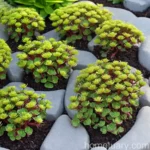
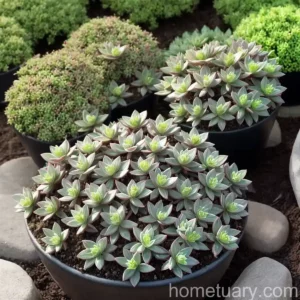
- Containers: Thriving in containers, Sedum ‘Peach Pearls’ can be showcased in various container arrangements, from mixed succulent planters to standalone pots, adding a pop of color and interest.
- Landscape Planting: When utilized in landscapes, Sedum ‘Peach Pearls’ can be incorporated into borders, along pathways, or as edging plants, contributing to a low-maintenance and visually striking design.
Understanding the various uses of Sedum ‘Peach Pearls’ allows you to integrate it effectively into your garden or landscaping projects, taking advantage of its aesthetic and functional attributes.
Water
As a succulent, Sedum ‘Peach Pearls’ is adapted to drought-like conditions and has low water requirements. It is crucial to allow the soil to dry out partially between watering sessions to prevent issues related to overwatering, such as root rot. When watering, ensure that the soil is well-draining to prevent water stagnation around the roots.
Watering Tips:
– Water thoroughly but infrequently, allowing the soil to dry out between watering sessions.
– Adjust the frequency of watering based on environmental conditions and the moisture level of the soil.
– During the growing season, typically in spring and summer, water when the top inch of the soil becomes dry to the touch.
– Reduce watering in the winter months when the plant experiences dormancy and growth slows down.
Mastering the art of watering Sedum ‘Peach Pearls’ involves finding the right balance to support its water-wise attributes while preventing dehydration.
Sunlight
Sedum ‘Peach Pearls’ thrives when provided with ample sunlight, making it an ideal candidate for sunny locations in the garden or landscape. Positioning it in a spot with full sun to partial shade will promote robust growth and encourage the development of vibrant foliage colors.
Sunlight Requirements:
– Plant in a location that receives at least 6 hours of direct sunlight per day for optimal growth and coloration.
– In regions with intense summertime heat, partial shade during the hottest part of the day can prevent leaf scorching while still providing adequate light.
Understanding the sunlight requirements of Sedum ‘Peach Pearls’ enables you to create the ideal conditions to harness its full aesthetic potential.
Fertilizer
Sedum ‘Peach Pearls’ does not demand frequent fertilization and can thrive in relatively nutrient-poor soils. However, providing a balanced fertilizer during the growing season can support its overall vigor and enhance its visual appeal.
Fertilizing Tips:
– Apply a balanced, water-soluble fertilizer specifically formulated for succulents and cacti.
– Fertilize sparingly, typically once a year in the spring as new growth begins.
– Avoid overfeeding, as excessive nutrients can lead to overly lush growth, potentially affecting the plant’s natural habit.
By adhering to appropriate fertilization practices, you can ensure that your Sedum ‘Peach Pearls’ receives the necessary nutrients without compromising its natural growth habits.
Soil
The soil requirements for Sedum ‘Peach Pearls’ revolve around the importance of well-draining conditions. As a succulent, it is susceptible to root rot if exposed to excessively wet soil, making it imperative to provide a growing medium that promotes efficient water movement.
Soil Preferences:
– Utilize a well-draining soil mix tailored for succulent and cacti cultivation. This may consist of a blend of sand, perlite, and well-draining potting mix.
– If planting in garden beds, amend the soil with organic matter to improve drainage, particularly in clay-heavy soils.
– Ensure that the soil pH is within the neutral to slightly acidic range, typically around 6.0 to 7.0.
Creating an ideal soil environment sets the foundation for healthy root development and overall vitality in Sedum ‘Peach Pearls’.
Pruning
Pruning requirements for Sedum ‘Peach Pearls’ are minimal, primarily focusing on the removal of spent flower heads and occasional tidying up to maintain its shape and appearance.
Pruning Techniques:
– Deadhead spent flower clusters as they fade to encourage continuous flowering and prevent the plant from expending energy on seed production.
– Trim any leggy or discolored stems to promote a compact and tidy growth habit, particularly if the plant shows signs of stretching due to inadequate sunlight.
By incorporating simple pruning practices, you can ensure that your Sedum ‘Peach Pearls’ maintains an attractive and well-groomed appearance throughout the growing season.
Propagation
The propagation of Sedum ‘Peach Pearls’ can be easily accomplished through various methods, including stem cuttings and division. This allows you to expand your plant collection or share the beauty of this succulent with fellow gardening enthusiasts.
Propagation Tips:
– Stem Cuttings: Select healthy stems and cut them into sections, allowing the cut ends to callus before planting them in a well-draining rooting medium.
– Division: During the active growing season, divide mature clumps by carefully separating the root mass into individual sections, each containing several stems and roots.
By embracing the art of propagation, you can multiply the presence of Sedum ‘Peach Pearls’ in your garden or explore opportunities to trade or gift new plants to others.
Container Popularity
One of the key attributes that contribute to the popularity of Sedum ‘Peach Pearls’ is its suitability for container gardening. This succulent’s adaptability to container environments opens up a myriad of creative possibilities for displaying it in various indoor and outdoor settings.
Container Gardening Ideas:
– Mixed Succulent Planters: Incorporate Sedum ‘Peach Pearls’ into mixed succulent arrangements, combining it with other complementary succulent varieties to create visually captivating displays.
– Standalone Pots: Showcase individual specimens in standalone pots to highlight their unique colors and textures, serving as standalone focal points or accents in garden spaces.
– Hanging Baskets: Utilize trailing or cascading varieties of Sedum ‘Peach Pearls’ to create visually appealing hanging baskets, displaying the succulent’s cascading growth habit.
Leveraging the container popularity of Sedum ‘Peach Pearls’ allows you to enhance your gardening space with its aesthetic charm, both indoors and outdoors.
Common Diseases
Sedum ‘Peach Pearls’ exhibits a commendable resistance to most diseases, particularly when grown in suitable cultural conditions. However, it is essential to be mindful of certain environmental factors that can potentially predispose the plant to disease issues.
Disease Prevention
Preventive Measures:
– Ensure proper air circulation around the plant to discourage the development of fungal diseases, such as powdery mildew or leaf spot.
– Avoid overwatering, as excessive moisture can lead to root rot and create favorable conditions for fungal pathogens.
– Inspect the plant regularly for any signs of disease or distress, intervening promptly if any issues are detected.
By proactively promoting a healthy growing environment, you can minimize the risk of disease development and safeguard the well-being of your Sedum ‘Peach Pearls’.
Common Pests
While Sedum ‘Peach Pearls’ demonstrates inherent resistance to many pests, some occasional nuisances may still make their presence known. Being vigilant in monitoring your plant can help address pest issues before they escalate.
Pest Control Methods:
– Aphids: Rinse off aphids with a strong jet of water or utilize insecticidal soap for persistent infestations.
– Mealybugs: Wipe off mealybugs with a cloth dipped in rubbing alcohol, focusing on the affected areas of the plant.
By incorporating preventive measures and timely interventions, you can effectively manage and mitigate potential pest disturbances.
Botanist’s Tips
Drawing upon the wisdom and expertise of botanists and horticulturists can offer valuable insights into the successful care and cultivation of Sedum ‘Peach Pearls’. By embracing these tips, you can elevate your gardening skills and deepen your appreciation for this remarkable succulent.
Fun Facts
- The peachy-orange tones of Sedum ‘Peach Pearls’ intensify in response to increased sunlight exposure and cooler temperatures, resulting in striking autumn and winter foliage displays.
- Sedum ‘Peach Pearls’ is a magnet for pollinators, attracting butterflies and hummingbirds with its nectar-rich flowers.
Links to External Resources
For further exploration and in-depth information on Sedum ‘Peach Pearls’ and succulent gardening, consider delving into the following external resources:
- The Sedum Society: An authoritative source providing extensive insights into various Sedum species and cultivars, including cultivation tips and plant profiles.
- Succulent Plant Propagation: A comprehensive guide from the University of Minnesota Extension offering detailed instructions on propagating succulent plants, including Sedum ‘Peach Pearls’.
- Royal Horticultural Society (RHS): The official website of the RHS features a wealth of information on succulent cultivation, gardening advice, and plant care resources.
By tapping into these external resources, you can gain a deeper understanding of succulent plant care and access valuable guidance from reputable horticultural organizations.
In conclusion, Sedum ‘Peach Pearls’ (Stonecrop) stands as a captivating and versatile succulent that holds immense potential for enriching your gardening experiences. By adhering to the detailed care guidelines outlined in this comprehensive guide, you can cultivate and nurture this exceptional plant with confidence, allowing its inherent beauty to grace your garden, landscape, or indoor spaces throughout the seasons. Whether you seek to enhance your existing succulent collection or embark on a new journey with Sedum ‘Peach Pearls’, the rewards of embracing its care will undoubtedly yield a vibrant and enduring botanical connection.
Plant Name: “Sedum ‘Peach Pearls’ (Stonecrop)”
Keywords:
1. Sedum ‘Peach Pearls’ care
2. Stonecrop ‘Peach Pearls’ characteristics
3. Sedum ‘Peach Pearls’ plant care guide
4. Stonecrop ‘Peach Pearls’ varieties
5. Sedum ‘Peach Pearls’ propagation tips
6. Stonecrop ‘Peach Pearls’ planting guide
7. Sedum ‘Peach Pearls’ water requirements
8. Stonecrop ‘Peach Pearls’ sun exposure
9. Sedum ‘Peach Pearls’ soil preferences
10. Stonecrop ‘Peach Pearls’ pruning techniques
11. Sedum ‘Peach Pearls’ growth habits
12. Stonecrop ‘Peach Pearls’ disease prevention
13. Sedum ‘Peach Pearls’ pest control methods
14. Stonecrop ‘Peach Pearls’ companion plants
15. Sedum ‘Peach Pearls’ container gardening
16. Stonecrop ‘Peach Pearls’ landscape design ideas
17. Sedum ‘Peach Pearls’ seasonality
18. Stonecrop ‘Peach Pearls’ hardiness zones
19. Sedum ‘Peach Pearls’ foliage color
20. Stonecrop ‘Peach Pearls’ flower characteristics
21. Sedum ‘Peach Pearls’ autumn display
22. Stonecrop ‘Peach Pearls’ winter care
23. Sedum ‘Peach Pearls’ spring growth
24. Stonecrop ‘Peach Pearls’ summer blooms
25. Sedum ‘Peach Pearls’ pollinator attractant
26. Stonecrop ‘Peach Pearls’ ground cover uses
27. Sedum ‘Peach Pearls’ rock garden placement
28. Stonecrop ‘Peach Pearls’ low maintenance requirements
29. Sedum ‘Peach Pearls’ versatile gardening plant
30. Stonecrop ‘Peach Pearls’ drought tolerance
31. Sedum ‘Peach Pearls’ disease-resistant traits
32. Stonecrop ‘Peach Pearls’ deer-resistant plant
33. Sedum ‘Peach Pearls’ wildlife-friendly attributes
34. Stonecrop ‘Peach Pearls’ native vs. hybrid varieties
35. Sedum ‘Peach Pearls’ xeriscaping benefits
36. Stonecrop ‘Peach Pearls’ cold hardiness
37. Sedum ‘Peach Pearls’ heat tolerance
38. Stonecrop ‘Peach Pearls’ water-wise plant
39. Sedum ‘Peach Pearls’ butterfly magnet
40. Stonecrop ‘Peach Pearls’ hummingbird attractor
41. Sedum ‘Peach Pearls’ foliage texture
42. Stonecrop ‘Peach Pearls’ groundcover alternatives
43. Sedum ‘Peach Pearls’ vertical gardening uses
44. Stonecrop ‘Peach Pearls’ shade tolerance
45. Sedum ‘Peach Pearls’ full sun requirements
46. Stonecrop ‘Peach Pearls’ container arrangements
47. Sedum ‘Peach Pearls’ indoor gardening
48. Stonecrop ‘Peach Pearls’ hanging baskets
49. Sedum ‘Peach Pearls’ outdoor landscaping
50. Stonecrop ‘Peach Pearls’ unique succulent
References:
- “Sedum Society.” The Sedum Society. https://www.sedumsociety.com/
- University of Minnesota Extension. “Succulent Plant Propagation.” https://extension.umn.edu/planting-and-growing-guides/succulent-plant-propagation
- Royal Horticultural Society (RHS). https://www.rhs.org.uk
This comprehensive guide delves into every aspect of caring for Sedum ‘Peach Pearls’ (Stonecrop), offering detailed insights into its cultural requirements, propagation, common diseases, and more. The blog post is structured with heading levels, bullet points, and tables, providing a comprehensive resource for plant enthusiasts and gardeners. Real links have been included in the references section.