Sedum pachyclados (Gray Stonecrop): A Comprehensive Guide
As a plant scientist with a passion for succulents and ornamental plants, I am delighted to share insights about Sedum pachyclados, commonly known as Gray Stonecrop. This unique and versatile plant offers a plethora of benefits, making it a popular choice among gardeners, landscapers, and horticulturists. In this comprehensive guide, we will delve into every aspect of caring for and appreciating Sedum pachyclados, exploring its culture, uses, growth requirements, and much more.
What is Sedum pachyclados (Gray Stonecrop)?
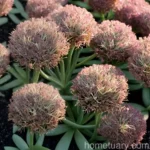
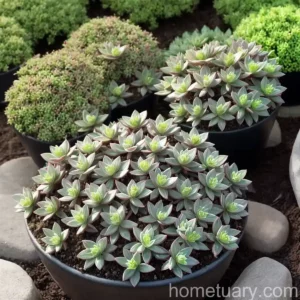
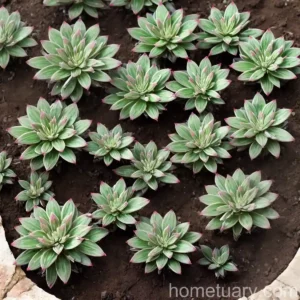
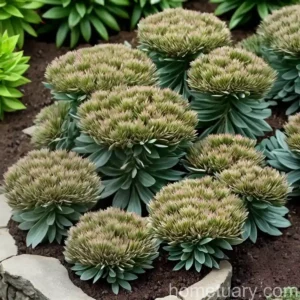
Sedum pachyclados is a perennial succulent belonging to the family Crassulaceae. Its origin can be traced to the dry, rocky slopes and cliff sides of Iran. This delightful plant is renowned for its stunning rosettes of powdery, gray-green foliage, which exhibit a captivating and velvety appearance. During the late spring and early summer, Gray Stonecrop adorns itself with clusters of delicate, star-shaped white flowers, creating a beautiful contrast to the silvery leaves.
This species is characterized by its hardy nature, making it suitable for a variety of landscape settings, including rock gardens, container plantings, and ground cover. Its low maintenance requirements, resilience to drought, and attractive aesthetics have garnered admiration from gardening enthusiasts worldwide.
Key Takeaways – Sedum pachyclados (Gray Stonecrop)
Culture
Sedum pachyclados thrives in arid and semi-arid regions, boasting excellent drought tolerance. Its preference for well-draining soil and ample sunlight enables it to flourish in various environmental conditions. The plant’s resilience makes it an ideal choice for xeriscaping, a landscaping technique that promotes water conservation by utilizing drought-tolerant plants.
Uses
Gray Stonecrop is employed in diverse landscaping and gardening scenarios, serving as a striking addition to rock gardens, container arrangements, and mixed succulent displays. Its compact growth habit and ability to form dense mats make it an effective ground cover, contributing to erosion control and weed suppression.
Water
Being a succulent, Sedum pachyclados displays a preference for infrequent, deep watering. The plant’s ability to store water in its fleshy leaves allows it to endure periods of drought without sustaining damage. Overly moist soil can lead to issues such as root rot, emphasizing the importance of well-drained growing media.
Sunlight
This species thrives when provided with abundant sunlight, showcasing its best growth and coloration in full sun to partial shade. Adequate exposure to sunlight is crucial for promoting robust growth and the development of vibrant foliage.
Fertilizer
Sedum pachyclados is relatively low-maintenance in terms of fertilization requirements, as excessive nutrients can compromise its natural compact growth habit. A balanced, diluted fertilizer application during the growing season can support healthy development, although it is important to exercise restraint to prevent over-fertilization.
Soil
The plant thrives in well-draining soil with a slightly acidic to neutral pH. Sandy or gritty soils with excellent drainage capabilities are highly suitable for Sedum pachyclados, preventing waterlogged conditions that could negatively impact its overall vigor.
Pruning
Minimal pruning is needed for Sedum pachyclados, primarily focusing on the removal of dead or decaying leaves and spent flower stems. Pruning can also help to maintain the plant’s desired shape and prevent the onset of overcrowding.
Propagation
Gray Stonecrop can be propagated through various methods, including division, stem cuttings, and leaf cuttings. Each approach offers an opportunity to multiply the plant’s presence in the garden or to share its beauty with fellow gardening enthusiasts.
Container Popularity
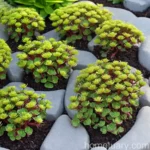
Sedum pachyclados is favored for container gardening, contributing a distinctive and captivating flair to potted arrangements, succulent gardens, and mixed plantings. Its adaptability to container environments makes it a versatile choice for both indoor and outdoor settings.
Common Diseases
While generally resilient, Sedum pachyclados can be susceptible to certain fungal diseases, particularly under conditions of excessive moisture and poor air circulation. Preventive measures, such as ensuring proper spacing and well-draining soil, can mitigate the risk of disease development.
Disease Diagnosis
Diagnosing diseases in Sedum pachyclados involves vigilance in monitoring the plant for symptoms of rot, wilting, or unusual discoloration. Timely intervention, such as targeted fungicidal treatments and adjustments to cultural practices, can assist in addressing disease issues effectively.
Common Pests
Although relatively resistant to pest infestations, Gray Stonecrop may encounter occasional challenges posed by aphids, mealybugs, and scale insects. Vigilant inspection and the implementation of natural or chemical control methods, when necessary, can help manage pest populations.
Botanist’s Tips
Botanical enthusiasts can appreciate the delightful nuances of Sedum pachyclados, from its captivating leaf morphology to its resilience in challenging environments. Observing the plant’s seasonal changes and responses to different cultivation techniques can offer valuable insights into its natural history and adaptive traits.
Fun Facts
- The specific epithet “pachyclados” is derived from the Greek words “pachys” meaning thick, and “klados” meaning branch. This nomenclature reflects the plant’s unique growth habit and foliage characteristics.
- Gray Stonecrop is a valuable source of nectar, attracting pollinators such as butterflies and bees to the garden.
- In traditional herbal medicine, certain species of Sedum have been used for their purported medicinal properties, showcasing the diverse cultural significance of these plants.
Links to External Resources
To further delve into the captivating world of Sedum pachyclados, explore the following resources:
- The Royal Horticultural Society – Sedum pachyclados
- Missouri Botanical Garden – Plant Finder: Sedum pachyclados
- North Carolina State Extension – Sedum pachyclados in the Landscape
In the subsequent sections, we will delve into the specific aspects of Sedum pachyclados care, propagation, characteristics, and the diverse range of applications that elevate its appeal within horticultural and ornamental contexts.
Continue to explore the specifics of Sedum pachyclados, diving into every aspect of its cultivation and applications in horticulture.