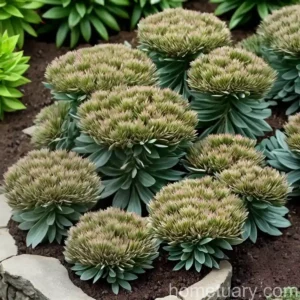
Sedum nussbaumerianum (Stonecrop): The Ultimate Plant Care Guide
Sedum nussbaumerianum, commonly known as Stonecrop, is a delightful succulent plant, prized for its attractive foliage and low maintenance requirements. This versatile plant is popular among gardeners and landscaping enthusiasts for its ability to thrive in various conditions, from containers to rock gardens. In this comprehensive guide, we will explore the culture, uses, care requirements, and interesting facts about Sedum nussbaumerianum, providing you with all the information you need to successfully grow and enjoy this stunning plant.
Table of Contents
– What is Sedum nussbaumerianum (Stonecrop)?
– Key Takeaways
– Culture
– Uses
– Care
– Water
– Sunlight
– Fertilizer
– Soil
– Pruning
– Propagation
– Container Popularity
– Common Diseases and Pests
– Disease Diagnosis
– Common Pests
– Botanist’s Tips
– Fun Facts
– Links to External Resources
What is Sedum nussbaumerianum (Stonecrop)?
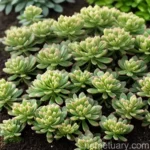
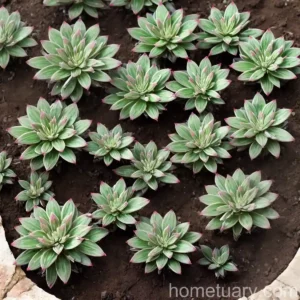
Sedum nussbaumerianum, a member of the Crassulaceae family, is a low-growing, perennial succulent native to Mexico. Its common name, Stonecrop, refers to its natural ability to grow in rocky, stony environments. This resilient plant is characterized by its fleshy, glossy, and lance-shaped leaves that form attractive rosettes, creating a beautiful display of color and texture.
Sedum nussbaumerianum produces terminal clusters of star-shaped, yellow flowers, adding a stunning contrast to its succulent foliage. When in bloom, this plant becomes an excellent attraction for bees and butterflies, contributing to the overall biodiversity of the garden.
Key Takeaways
Before delving into the finer details of Sedum nussbaumerianum care and cultivation, let’s outline the key takeaways related to caring for this plant:
- Sedum nussbaumerianum, also known as Stonecrop, is a resilient succulent that thrives in various conditions, making it an excellent choice for both indoor and outdoor settings.
- This plant requires well-draining soil, ample sunlight, and minimal water, reflecting its adaptability to arid environments.
Now, let’s explore the specific aspects of caring for Sedum nussbaumerianum in greater detail.
Culture
Understanding the cultural preferences of Sedum nussbaumerianum is essential for creating an environment in which this plant can thrive.
Uses
The uses of Sedum nussbaumerianum are diverse and include the following:
- As a ground cover in rock gardens and dry, sunny areas.
- In containers, adding a touch of greenery to patios, balconies, and indoor spaces.
- As a centerpiece in succulent arrangements due to its striking foliage and low maintenance requirements.
Beyond its ornamental purposes, this plant also serves ecological roles by providing food and habitat for pollinators such as bees and butterflies.
Care
Caring for Sedum nussbaumerianum involves understanding its water, sunlight, fertilizer, soil, pruning, propagation, and container preferences.
Water
Sedum nussbaumerianum exhibits a low water requirement due to its succulent nature. Proper watering practices are essential to prevent issues such as root rot. It is advisable to allow the soil to dry out between watering sessions, especially during the winter months when the plant’s growth slows down.
To efficiently manage water needs, consider the following:
- Watering Schedule: In the growing season, water the plant when the top inch of the soil feels dry to the touch. Reduce watering in the winter, allowing the soil to dry out more thoroughly between waterings.
Sunlight
Stonecrop Sedum nussbaumerianum exhibits a preference for bright, indirect sunlight or partial shade. When grown indoors, place the plant near a south-facing window to ensure it receives adequate light. In outdoor settings, position it in an area that receives partial to full sun, promoting healthy growth and vibrant foliage coloration.
Fertilizer
Applying a controlled-release, balanced fertilizer in the spring can help support the growth and overall health of Sedum nussbaumerianum. When choosing a fertilizer, opt for a formulation specifically designed for succulents or cacti, as these contain the essential nutrients necessary for promoting strong, vibrant growth.
- Fertilizing Frequency: Apply fertilizer sparingly to avoid over-feeding the plant. Following the manufacturer’s instructions regarding dosage and application frequency is crucial to prevent fertilizer burn and other related issues.
Soil
Sedum nussbaumerianum thrives in well-draining soil, ensuring that excess moisture does not accumulate around the plant’s root system. A cactus or succulent potting mix offers the ideal growing medium for this plant, as it provides the necessary aeration and drainage properties to support healthy root development.
- Soil Conditions: Ensure that the soil used for planting or potting Sedum nussbaumerianum is light, porous, and well-draining.
Pruning
Pruning Sedum nussbaumerianum serves various purposes, including the removal of dried or damaged foliage, controlling the plant’s size, and promoting a bushier, more compact growth habit. Regular pruning can help maintain the plant’s aesthetic appeal and prevent overcrowding, which may lead to reduced airflow and increased susceptibility to pests and diseases.
- Pruning Techniques: When pruning, use clean, sharp scissors or pruning shears to make precise cuts, minimizing the risk of injuring the plant’s healthy tissue.
Propagation
The propagation of Sedum nussbaumerianum allows gardeners to expand their plant collection and share this lovely succulent with others. This plant can be propagated through various methods, including leaf cuttings and division.
- Propagation Tips: When propagating Sedum nussbaumerianum through leaf cuttings, select healthy, mature leaves and allow them to callous over before planting them in a well-draining rooting medium. Maintain the appropriate moisture levels and provide indirect light to encourage the development of new roots and shoots.
Container Popularity
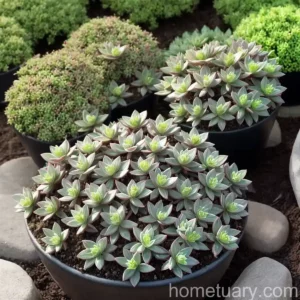
Sedum nussbaumerianum is a popular choice for container gardening due to its compact growth habit, attractive foliage, and minimal care requirements. When selecting a container for this plant, prioritize options that offer sufficient drainage and space for the plant’s roots to spread comfortably.
- Container Selection: Choose a pot or container made of a porous material, such as terracotta, to facilitate air circulation and prevent waterlogged soil conditions.
Common Diseases and Pests
Despite its resilience, Sedum nussbaumerianum may still encounter certain diseases and pests. Understanding common issues and their respective diagnosis is crucial for effectively addressing and preventing problems that may arise.
Disease Diagnosis
Common diseases that may affect Sedum nussbaumerianum include fungal infections such as powdery mildew and root rot. Symptoms of fungal diseases can manifest as powdery white growth on the plant’s foliage or as wilting, discolored leaves due to compromised root health.
- Preventive Measures: To prevent fungal diseases, ensure that the plant is not overwatered and that it is grown in well-draining soil to minimize moisture retention.
Common Pests
Sedum nussbaumerianum may attract certain pests, including aphids, mealybugs, and spider mites. These pests can cause damage to the plant by feeding on its sap and weakening its overall vitality.
- Pest Control: Monitor the plant regularly for signs of pest infestation, such as stippled or discolored foliage, and use natural or chemical control methods to manage the pest population and prevent damage to the plant.
Botanist’s Tips
To enhance the growth and overall well-being of Sedum nussbaumerianum, consider the following tips from botanical experts:
- When planting Sedum nussbaumerianum in outdoor landscapes, ensure that the chosen location provides the necessary sunlight and well-draining soil conditions to support healthy growth.
- Avoid overwatering the plant, as excessive moisture can lead to root rot and other related issues. Allow the soil to dry out between watering sessions to maintain optimal soil moisture levels.
- Consider incorporating Sedum nussbaumerianum as part of a drought-tolerant landscape design, taking advantage of its natural resilience to arid conditions.
Fun Facts
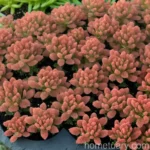
- Sedum nussbaumerianum is often referred to as “Coppertone Stonecrop” due to the attractive coppery tones that develop in its foliage when exposed to optimal sunlight.
- This plant’s affinity for attracting beneficial pollinators makes it a valuable addition to pollinator-friendly gardens and landscapes.
Links to External Resources
For additional information on Sedum nussbaumerianum care, propagation, and landscape uses, explore the following resources:
- The Spruce – How to Grow and Care for Sedum (Stonecrop) Plants
- Gardening Know How – Sedum Plant Care: Tips For Growing Sedum
In conclusion, Sedum nussbaumerianum, or Stonecrop, is a captivating succulent plant that offers both aesthetic appeal and remarkable adaptability to a variety of growing conditions. By following the specified care guidelines and utilizing the provided tips, you can cultivate and enjoy the unique beauty of this resilient plant in your own garden or indoor spaces.