Sedum ‘Desert Red’ (Stonecrop)
Sedum ‘Desert Red’ is a captivating succulent with stunning red foliage that adds an eye-catching appeal to any garden or landscape. This easy-to-grow.
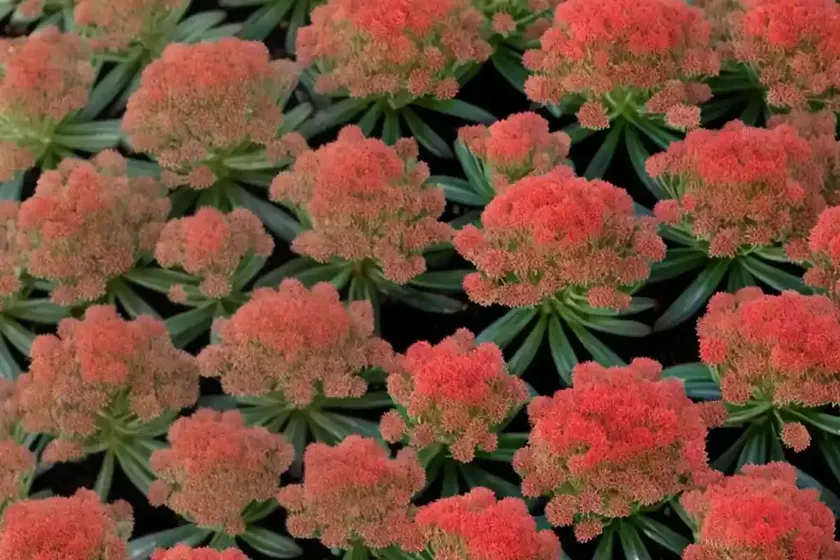
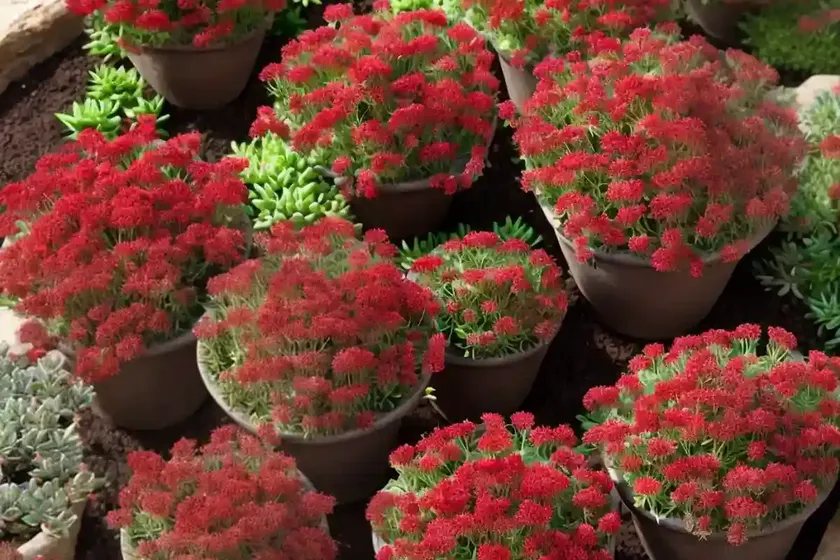
Sedum ‘Desert Red’ is a captivating succulent with stunning red foliage that adds an eye-catching appeal to any garden or landscape. This easy-to-grow plant is a favorite among both novice and experienced gardeners due to its low maintenance needs and versatility in various growing conditions. In this comprehensive guide, we will delve into everything you need to know about Sedum ‘Desert Red’, from its cultural requirements to its uses, and tips for propagation and care.
Key Takeaways – Sedum ‘Desert Red’ (Stonecrop)
Before diving deeper into the specifics of Sedum ‘Desert Red’, let’s take a look at the key takeaways that we will explore in this guide:
- Culture: Understanding the ideal growing conditions for Sedum ‘Desert Red’.
- Uses: Exploring the various uses of this versatile plant.
- Water: Learning about its water requirements.
- Sunlight: Recognizing its sunlight preferences.
- Fertilizer: Providing insights into the fertilization needs.
- Soil: Understanding the soil requirements for optimal growth.
- Pruning: Guidelines for proper pruning techniques.
- Propagation: Exploring effective methods for propagating Sedum ‘Desert Red’.
- Container: Tips for growing Sedum ‘Desert Red’ in containers.
- Popularity: Understanding the popularity and demand for this plant.
- Common Diseases: Identifying potential diseases and their management.
- Common Pests: Recognizing common pest issues and solutions.
- Botanist’s Tips: Valuable tips from experienced botanists for growing Sedum ‘Desert Red’.
- Fun Facts: Discovering interesting and lesser-known facts about the plant.
Now, let’s delve into each of these aspects to gain a comprehensive understanding of Sedum ‘Desert Red’ and how to nurture it to its full potential.
What is Sedum ‘Desert Red’ (Stonecrop)?
Sedum ‘Desert Red’, also known as Stonecrop, is a charming succulent plant that belongs to the Crassulaceae family. Within the Sedum genus, ‘Desert Red’ is a notable variety that captivates with its rich red foliage and star-shaped flowers. This low-growing, spreading succulent is celebrated for its tolerance to various environmental conditions, making it an excellent addition to rock gardens, containers, hanging baskets, or as ground cover.
Plant Characteristics
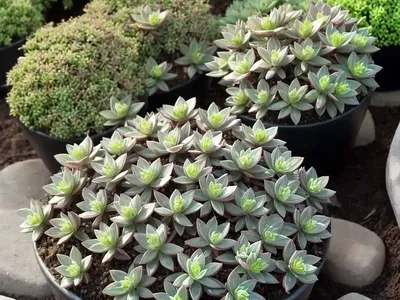
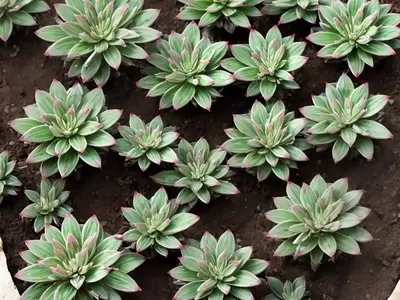
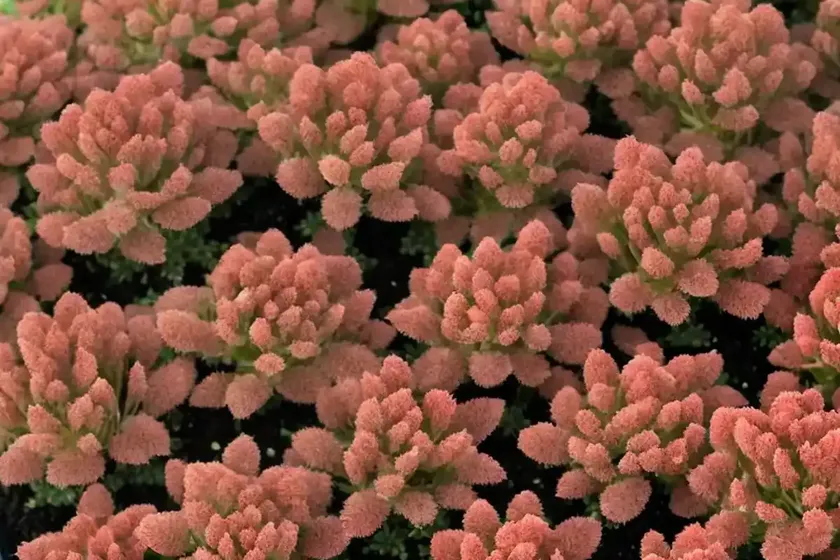
- Foliage: The standout feature of Sedum ‘Desert Red’ is its striking red foliage. The succulent leaves are fleshy, shaped like elongated ovals, and arranged in a spiraled manner around the stems. The vivid red color intensifies in full sun, creating a visually appealing display.
- Flowers: In late summer to early fall, Sedum ‘Desert Red’ produces clusters of star-shaped pink flowers that provide an attractive contrast to the deep red leaves.
Growth Habit
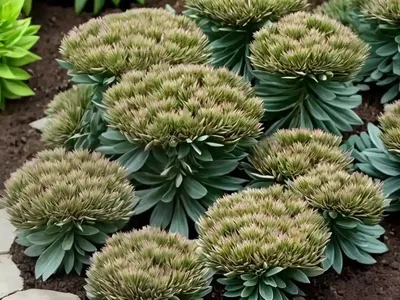
Sedum ‘Desert Red’ has a low-growing and spreading growth habit, making it an excellent choice for ground cover, edgings, or cascading over walls and containers. This plant typically reaches a height of 6-8 inches and spreads up to 12-18 inches, forming a dense mat of foliage.
Environmental Tolerance
One of the remarkable aspects of Sedum ‘Desert Red’ is its adaptability and resilience. It thrives in various climates and is known for its drought tolerance, making it an ideal choice for xeriscaping and water-wise gardening. Additionally, it exhibits good heat resistance and is capable of withstanding extended periods of sun exposure. Its cold hardiness makes it suitable for cultivation in a wide range of USDA hardiness zones.
Now that we have gained a basic understanding of Sedum ‘Desert Red’, let’s explore the essential factors for successfully cultivating and caring for this alluring succulent.
Culture
Understanding the cultural requirements of Sedum ‘Desert Red’ is crucial for ensuring its optimal growth and performance. By providing the right conditions, you can witness the plant thrive and showcase its vibrant foliage to the fullest.
Water
Sedum ‘Desert Red’ possesses excellent drought tolerance, and it is essential to avoid overwatering to prevent root rot and other moisture-related issues. When establishing the plant or during prolonged dry spells, regular watering is beneficial to promote healthy growth. However, it is crucial to allow the soil to dry out between watering sessions to prevent waterlogged conditions.
Sunlight
This succulent thrives in full sunlight, exhibiting its most intense red coloration when provided with ample sun exposure. It generally requires at least 6 hours of direct sunlight to maintain its vibrant hue and compact growth habit. In partial shade, the foliage may display a greener tone and elongated growth. Therefore, for optimal results, ensure that Sedum ‘Desert Red’ receives sufficient sunlight throughout the day.
Fertilizer
Sedum ‘Desert Red’ has minimal fertilization needs, and excessive feeding can lead to overly lush growth, compromising its compact and dense appearance. A balanced, slow-release fertilizer applied in spring is generally adequate to support the plant’s growth and flowering. Opt for a fertilizer with a low nitrogen content to prevent excessive foliage at the expense of flower production.
Soil
This succulent thrives in well-draining, sandy or gravelly soils, and it is intolerant of waterlogged conditions. A lean, nutrient-poor soil is preferable for encouraging restrained growth and intense red foliage coloration. Consider amending the soil with coarse sand or perlite to improve drainage, particularly in heavy clay soils.
Pruning
Sedum ‘Desert Red’ generally requires minimal pruning, primarily for aesthetic maintenance or to control its spread in the garden. To promote bushier growth and enhance its appearance, you can trim back the stems in early spring before new growth emerges. This can encourage the plant to produce a more compact and lush display of foliage.
Propagation
Propagating Sedum ‘Desert Red’ is relatively simple and can be achieved through several methods, including division, stem cuttings, or leaf cuttings. Dividing mature clumps in early spring is an effective way to create new plants and rejuvenate the older ones. Stem cuttings taken in spring or early summer readily root in well-draining soil and can be a convenient approach to expand your Sedum ‘Desert Red’ collection.
Uses
Sedum ‘Desert Red’ offers versatile applications in diverse gardening and landscaping scenarios. Its distinctive foliage and resilience to harsh conditions make it an exceptional choice for various purposes, adding visual interest and functionality to outdoor spaces.
Landscaping
As a ground cover, Sedum ‘Desert Red’ forms a colorful and durable mat of red foliage, effectively crowding out weeds and rejuvenating drab areas of the landscape. Its spreading habit enables it to cascade over walls, fill spaces between stones, or accentuate the edges of garden beds, contributing to a vibrant and low-maintenance landscape design.
Container Gardening
In containers, Sedum ‘Desert Red’ can serve as a focal point or complement other succulents and ornamental plants in mixed arrangements. Its trailing growth habit makes it an ideal spiller in container compositions, adding an element of drama and texture to potted displays. Whether in large pots or hanging baskets, this succulent delivers a striking visual impact.
Rock Gardens
The compact, low-growing nature of Sedum ‘Desert Red’ makes it well-suited for rock gardens and alpine plantings. It seamlessly integrates into rocky crevices, providing a splash of color and textural contrast against the hard surfaces. Its ability to withstand harsh and dry conditions makes it an invaluable asset in rock garden designs.
Xeriscaping
For water-wise and drought-resistant landscaping, Sedum ‘Desert Red’ excels and can be a key component of xeriscape designs. Its ability to thrive in arid environments while adding visual appeal makes it an essential element in sustainable and low-maintenance landscapes.
Wildlife Gardens
The star-shaped flowers of Sedum ‘Desert Red’ attract pollinators such as bees and butterflies, making it a valuable addition to wildlife-friendly gardens. Its nectar-rich blooms provide a food source for beneficial insects, contributing to the overall biodiversity and ecological balance of the garden.
Popularity
Sedum ‘Desert Red’ has gained widespread popularity among gardeners and landscaping enthusiasts due to its alluring aesthetics and ease of cultivation. Its versatility and adaptability have contributed to its appeal, making it a sought-after plant for various applications. Across different gardening styles and environmental conditions, Sedum ‘Desert Red’ has garnered recognition for its striking red foliage and resilience.
Demand
The increasing demand for low-maintenance and drought-tolerant plants has fueled the popularity of Sedum ‘Desert Red’, as it fulfills these criteria while delivering a visually striking display. Its ability to thrive in challenging conditions, including poor soils and harsh sunlight, has led to a rise in its utilization in landscaping and gardening projects.
Landscaping Trends
In contemporary landscaping trends, there is a growing emphasis on sustainable and water-wise plant selections. As a result, Sedum ‘Desert Red’ has emerged as a favored choice for adding color and texture to modern landscape designs, particularly in rock gardens, urban spaces, and environmentally conscious landscapes.
Gardening Communities
Within gardening communities and horticultural societies, Sedum ‘Desert Red’ has generated interest and appreciation for its ornamental and ecological contributions. Through word of mouth and online platforms, its popularity continues to grow, with gardeners seeking out this captivating succulent for their personal and professional projects.
Common Diseases
Sedum ‘Desert Red’ is generally resilient to most diseases and pests, owing to its succulent nature and adaptability. However, there are a few issues that may affect its health and appearance under specific conditions. By being aware of common diseases, gardeners can take proactive measures to prevent and manage potential threats.
Disease Diagnosis
-
Powdery Mildew: In humid or poorly ventilated conditions, Sedum ‘Desert Red’ can be susceptible to powdery mildew, characterized by a white, powdery coating on the leaves. To mitigate this issue, ensure proper air circulation and avoid overhead watering, as excessive moisture contributes to the development of this fungal disease.
-
Root Rot: Overwatering and waterlogging can lead to root rot, causing the plant to exhibit wilting, yellowing foliage, and a general decline in health. To prevent root rot, maintain well-draining soil and amend heavy or clay soils to improve drainage. In addition, avoid prolonged periods of soil moisture saturation.
-
Crown Rot: Excessive moisture around the crown of the plant can result in crown rot, leading to rotting of the stem bases and eventual collapse of the plant. To prevent this, ensure that the base of the plant remains dry by employing proper watering techniques and avoiding mulch accumulation around the stems.
Disease Management
To mitigate the risk of diseases, it is crucial to maintain the appropriate cultural conditions that promote the overall health and vigor of Sedum ‘Desert Red’. This includes providing ample sunlight, avoiding overwatering, and cultivating the plant in well-draining soil. Additionally, practicing good sanitation by removing and disposing of any affected plant material can help prevent the spread of diseases.
Common Pests
Sedum ‘Desert Red’ is relatively resistant to pest infestations, but certain opportunistic pests can pose occasional challenges to its well-being. By recognizing common pests and their associated symptoms, gardeners can take prompt and effective measures to protect their plants.
Pest Identification
-
Aphids: These small, soft-bodied insects may cluster on the tender shoot tips and undersides of the leaves, sucking plant sap and causing distortion and yellowing of the foliage. Regular inspection and targeted spraying with insecticidal soap can control aphid populations effectively.
-
Snails and Slugs: These mollusks are attracted to the succulent foliage and may consume the tender leaves, resulting in irregular holes and damage. Employing physical barriers such as copper tape or diatomaceous earth can deter snails and slugs from accessing the plants.
-
Mealybugs: Mealybugs can infest Sedum ‘Desert Red’, particularly in protected and sheltered growing environments. Their presence is characterized by white, cottony masses on the stems and leaf joints. By gently removing them with a cotton swab dipped in alcohol or applying horticultural oil, mealybug populations can be managed effectively.
Pest Control
Implementing preventive measures such as regular inspection, maintaining cleanliness around the plants, and providing suitable growing conditions can significantly reduce the susceptibility of Sedum ‘Desert Red’ to pest attacks. In situations where pest presence is significant, employing targeted control methods such as insecticidal soap, neem oil, or biological control agents can help manage pest populations without adversely impacting beneficial organisms.
Botanist’s Tips
Seasoned botanists and horticulturists offer valuable insights and recommendations for cultivating and caring for Sedum ‘Desert Red’. Drawing on their expertise, the following tips can aid in unlocking the full potential of this appealing succulent:
-
Ample Sunlight: Providing adequate sunlight is essential for ensuring vibrant red foliage coloration and compact growth. Position the plant in a location that receives at least 6 hours of direct sunlight daily for optimal performance.
-
Well-Draining Soil: Cultivate Sedum ‘Desert Red’ in well-draining soil to prevent waterlogging and root-related issues. Enhance the soil with amendments such as coarse sand or perlite to optimize drainage.
-
Moderate Watering: Exercise restraint in watering, allowing the soil to dry out between waterings to prevent excessive moisture-related diseases and encourage robust root development.
-
Minimal Fertilization: Avoid excessive fertilization, as Sedum ‘Desert Red’ thrives in lean soil conditions. Apply a balanced, low-nitrogen fertilizer sparingly in spring to support growth and flowering.
-
Pruning for Aesthetics: Prune the plant in early spring to promote bushier growth and maintain its compact form. This can also encourage a more lush and vibrant display of foliage.
-
Explore Propagation Methods: Experiment with various propagation methods such as division, stem cuttings, or leaf cuttings to expand your collection of Sedum ‘Desert Red’. Each method offers unique advantages and can be a rewarding way to propagate the plant.
By integrating these insights into your plant care routine, you can elevate the health and visual impact of Sedum ‘Desert Red’ in your garden or landscape.
Fun Facts
To further appreciate the unique qualities of Sedum ‘Desert Red’, consider these intriguing and lesser-known facts about this captivating succulent:
-
Medicinal Uses: Some species of Sedum are utilized in traditional medicine for their purported healing properties, including the treatment of minor skin injuries and inflammation.
-
Drought-Resistant Landscaping: Due to its exceptional drought tolerance, Sedum ‘Desert Red’ is a valuable asset in water-wise gardens and landscapes, contributing to sustainable and resilient plantings.
-
Pollinator-Friendly: The nectar-rich flowers of Sedum ‘Desert Red’ attract pollinators such as bees and butterflies, supporting essential ecological interactions in the garden.
-
Ornamental Container Plant: Sedum ‘Desert Red’ serves as an eye-catching addition to container compositions, adding a touch of drama and elegance to potted displays.
-
Edible Plant: Some species within the Sedum genus are edible and are used in cuisines for their succulent foliage, imparting a unique texture and flavor to culinary dishes.
By delving into these interesting facets, you can develop a deeper appreciation for the multifaceted nature of Sedum ‘Desert Red’ and its potential contributions to your garden and beyond.
Links to External Resources
For further exploration and in-depth information about Sedum ‘Desert Red’, refer to the following resources:
- The Spruce – Sedum ‘Desert Red’ Profile
- Missouri Botanical Garden – Sedum ‘Desert Red’ Guide
- Royal Horticultural Society – Sedum Cultivation Guide
These reputable sources offer valuable insights, tips, and guidance to enhance your knowledge and practical skills in growing and caring for Sedum ‘Desert Red’.
In conclusion, Sedum ‘Desert Red’ (Stonecrop) stands as an enticing and versatile addition to any garden or landscape, showcasing its vibrant red foliage and enduring charm. By mastering its cultural requirements, exploring its uses, and incorporating expert advice, you can cultivate a thriving and visually captivating display of this captivating succulent.
Remember to embrace its resilience, celebrate its ecological contributions, and savor its enduring beauty as you welcome Sedum ‘Desert Red’ into your green spaces.