Sedum Erythrostictum ‘Frosty Morn’ (Stonecrop): A Versatile and Attractive Succulent Plant
Sedum erythrostictum ‘Frosty Morn’, commonly known as Stonecrop, is a charming and versatile succulent plant that has gained popularity among gardeners for its adaptability and aesthetic appeal. Belonging to the Crassulaceae family, this plant is native to East Asia and features striking foliage and colorful flowers. In this comprehensive guide, we will explore the various aspects of Sedum erythrostictum ‘Frosty Morn’, including its culture, uses, care requirements, propagation techniques, common diseases, and much more.
As a plant scientist with a passion for succulents and ornamental plants, I am excited to share insights into the unique characteristics and care guidelines for Sedum erythrostictum ‘Frosty Morn’. Whether you are a seasoned gardener or a newcomer to the world of succulents, this guide will provide you with valuable information to enhance your understanding and appreciation of this exceptional plant species.
What is Sedum Erythrostictum ‘Frosty Morn’?
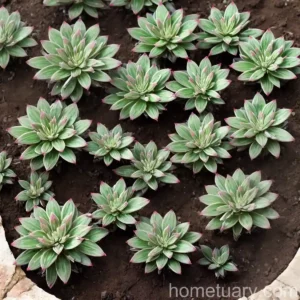
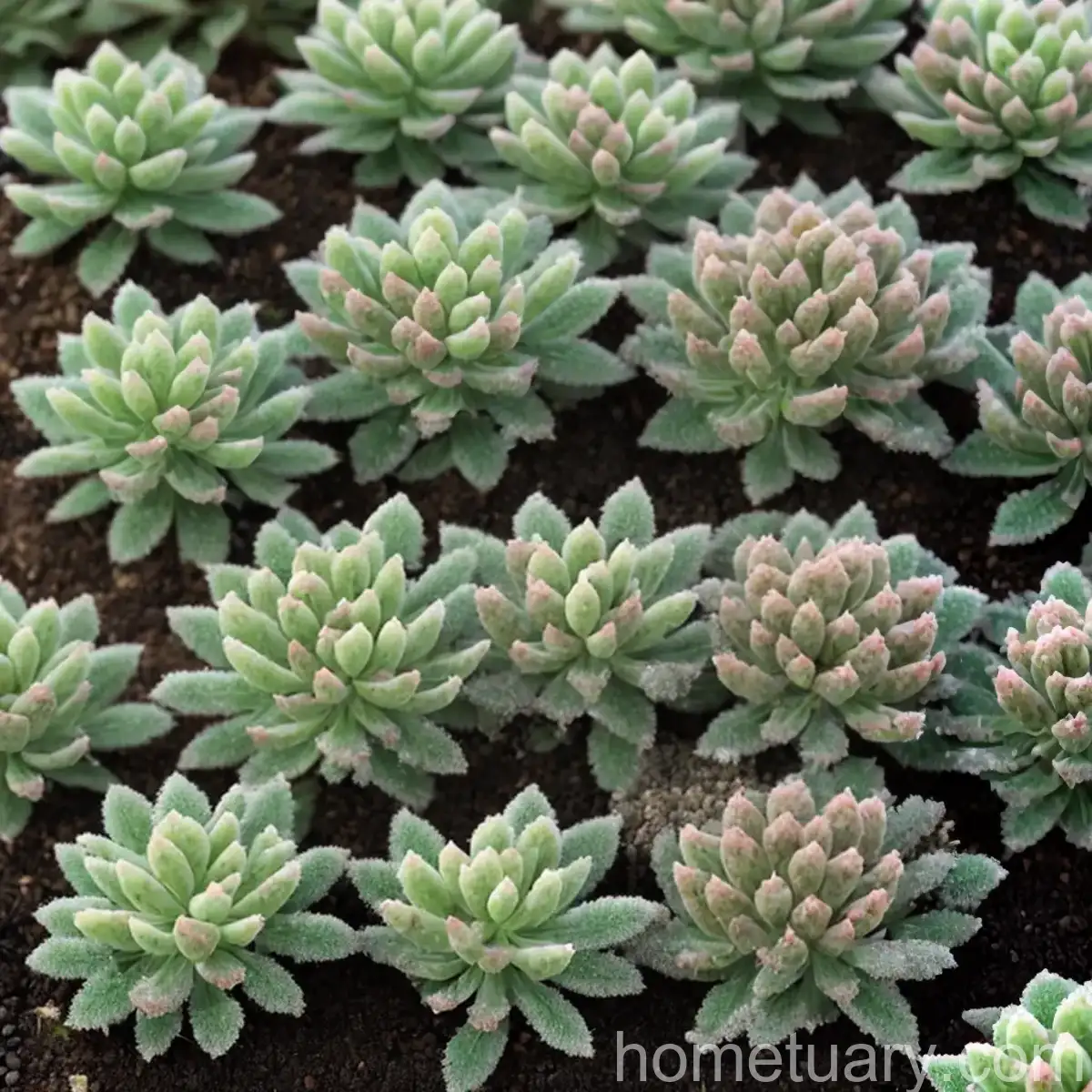
Sedum erythrostictum ‘Frosty Morn’ is a perennial succulent plant that belongs to the Sedum genus within the Crassulaceae family. It is characterized by its fleshy, succulent leaves and its ability to thrive in various environmental conditions. The ‘Frosty Morn’ variety is particularly renowned for its striking variegated foliage, which adds visual interest to garden landscapes and containers.
Key Takeaways – Sedum erythrostictum ‘Frosty Morn’ (Stonecrop)
Before delving into the detailed aspects of Sedum erythrostictum ‘Frosty Morn’, let’s review the key takeaways of this remarkable succulent plant:
- Botanical Name: Sedum erythrostictum ‘Frosty Morn’
- Common Name: Stonecrop
- Family: Crassulaceae
- Native Habitat: East Asia
- Foliage: Variegated, fleshy leaves
- Flowers: Colorful clusters of star-shaped flowers
- Attributes: Drought-tolerant, versatile, and low-maintenance
- Uses: Groundcover, container plant, rock gardens, and landscaping
- Special Features: Attractive foliage, ornamental value, and wildlife-friendly
With these key takeaways in mind, let’s proceed to explore the culture, uses, and care requirements of Sedum erythrostictum ‘Frosty Morn’.
Culture
Understanding the cultural preferences of Sedum erythrostictum ‘Frosty Morn’ is essential for creating an optimal growing environment for this plant. From sunlight and watering to soil and fertilizer requirements, the following sections will provide comprehensive insights into the cultural aspects of Stonecrop.
Water
One of the distinctive features of Sedum erythrostictum ‘Frosty Morn’ is its exceptional drought tolerance. This succulent plant is well-suited to arid and semi-arid conditions, making it an ideal choice for water-wise gardens and landscapes. When it comes to watering, Stonecrop thrives in well-draining soil and prefers infrequent but deep watering sessions. During the active growing season, it’s advisable to allow the soil to dry out between watering to prevent waterlogged conditions, which can lead to root rot.
Watering Guidelines for Sedum erythrostictum ‘Frosty Morn’:
- Water deeply but infrequently, allowing the soil to dry between watering sessions.
- Adjust the frequency of watering based on environmental conditions and the moisture level of the soil.
- During periods of drought or intense heat, provide supplementary watering to support the plant’s vitality.
- Be mindful of excessive watering, as Sedum erythrostictum ‘Frosty Morn’ is sensitive to waterlogged conditions.
By adhering to these watering guidelines, you can promote the health and vigor of Sedum erythrostictum ‘Frosty Morn’ while conserving water resources in your garden.
Sunlight
In terms of sunlight requirements, Sedum erythrostictum ‘Frosty Morn’ exhibits a preference for full to partial sunlight exposure. This plant thrives in bright, sunny locations and is well-adapted to direct sunlight. When provided with adequate sunlight, Sedum erythrostictum ‘Frosty Morn’ displays vibrant foliage colors and robust growth characteristics.
Sunlight Recommendations for Sedum erythrostictum ‘Frosty Morn’:
- Position the plant in a location that receives at least 6 hours of direct sunlight per day.
- Ensure that the exposure to sunlight is balanced, avoiding prolonged exposure to intense midday sun, especially in hot climates.
- In regions with scorching summer temperatures, partial shade during the hottest part of the day can protect the plant from excessive heat stress.
By meeting the sunlight requirements of Stonecrop, you can enhance its ornamental appeal and promote healthy growth patterns.
Fertilizer
When it comes to fertilizing Sedum erythrostictum ‘Frosty Morn’, a conservative and balanced approach is recommended. As a succulent plant with low to moderate nutrient requirements, Stonecrop benefits from occasional fertilization to support its growth and flowering potential. However, excessive fertilization can lead to overly lush growth and may diminish the intense coloration of the plant’s foliage.
Fertilization Guidelines for Sedum erythrostictum ‘Frosty Morn’:
- Apply a diluted, balanced liquid fertilizer during the active growing season, typically in spring and early summer.
- Use a fertilizer with a balanced NPK ratio or specifically formulated for succulent plants to avoid excessive nitrogen levels.
- Refrain from fertilizing during the plant’s dormant period, as it has reduced nutrient absorption and metabolic activity.
By adopting a conservative and mindful approach to fertilization, you can provide the necessary nutrients for Sedum erythrostictum ‘Frosty Morn’ without compromising its natural growth habits.
Soil
The soil preferences of Sedum erythrostictum ‘Frosty Morn’ align with its succulent nature, emphasizing well-draining and aerated growing media. This plant thrives in various soil types and is notably adaptable to poor, rocky, or sandy soils, making it an excellent choice for challenging gardening environments. However, ensuring proper drainage is crucial to prevent waterlogged conditions and safeguard the plant from potential root issues.
Soil Recommendations for Sedum erythrostictum ‘Frosty Morn’:
- Utilize well-draining potting mixes or amend garden soil with sand or perlite to enhance drainage capabilities.
- Aim for a slightly acidic to neutral pH range (pH 6.0 to 7.0), as Stonecrop prefers moderately acidic to neutral soil conditions.
- Consider incorporating organic matter, such as compost or peat moss, to improve soil structure and moisture retention in garden beds.
- Monitor the soil’s drainage capacity and adjust the growing medium to optimize the balance between moisture retention and drainage.
By implementing these soil recommendations, you can create an ideal growing environment for Sedum erythrostictum ‘Frosty Morn’ and promote its overall well-being.
Pruning
Pruning is an essential aspect of maintaining the attractive appearance and compact growth habit of Sedum erythrostictum ‘Frosty Morn’. While this plant exhibits a naturally tidy and low-spreading growth pattern, occasional pruning can help manage its shape, remove spent flower stalks, and rejuvenate the foliage for enhanced visual appeal.
Pruning Techniques for Sedum erythrostictum ‘Frosty Morn’:
- Remove any damaged, wilted, or discolored leaves to maintain the plant’s aesthetic quality and health.
- Trim back any leggy or overreaching stems to encourage a more compact and bushy growth habit.
- Deadhead spent flower heads to promote continuous flowering and prevent the plant from expending energy on seed production.
By incorporating these pruning techniques into your garden maintenance routine, you can ensure that Sedum erythrostictum ‘Frosty Morn’ remains visually appealing and retains its compact form throughout the growing season.
Propagation
The propagation of Sedum erythrostictum ‘Frosty Morn’ presents an exciting opportunity for gardeners to expand their succulent collection and share this exceptional plant with others. With its relatively straightforward propagation process, Stonecrop can be multiplied through various techniques, including division, stem cuttings, and leaf cuttings.
Propagation Methods for Sedum erythrostictum ‘Frosty Morn’:
Division:
- In early spring or late summer, carefully divide mature clumps of Sedum erythrostictum ‘Frosty Morn’ to create new individual plants.
- Gently separate the rooted offsets or divisions, ensuring that each division has a sufficient root system and several rosettes or stems.
- Replant the divisions in well-draining soil and provide appropriate watering and sunlight to promote their establishment.
Stem Cuttings:
- Select healthy, non-flowering stems and take 3 to 4-inch cuttings using a clean, sharp knife or scissors.
- Allow the cuttings to air dry and callus for a day or two to minimize the risk of rot during the propagation process.
- Plant the stem cuttings in a well-draining rooting medium and keep them lightly moist until they develop roots.
Leaf Cuttings:
- Gently remove individual leaves from the stem of Sedum erythrostictum ‘Frosty Morn’, ensuring that the leaves are healthy and undamaged.
- Place the leaf cuttings on a suitable propagation medium, making sure that the basal end of the leaf comes into contact with the soil or rooting substrate.
- Keep the leaf cuttings in a warm, bright location and mist them lightly to maintain humidity and support the development of new plantlets.
By following these propagation methods, you can successfully propagate Sedum erythrostictum ‘Frosty Morn’ and expand its presence in your garden or share it with fellow gardening enthusiasts.
Container Popularity
The versatility and ornamental appeal of Sedum erythrostictum ‘Frosty Morn’ make it a popular choice for container gardening and decorative displays. Whether grown individually in a container or incorporated into mixed succulent arrangements, Stonecrop adds visual interest and texture to outdoor and indoor spaces.
Container Gardening Ideas for Sedum erythrostictum ‘Frosty Morn’:
- Plant individual specimens of Sedum erythrostictum ‘Frosty Morn’ in decorative containers or terracotta pots to showcase their variegated foliage.
- Create succulent landscapes by combining Stonecrop with other compatible succulent species in large planters or troughs.
By harnessing the container gardening potential of Sedum erythrostictum ‘Frosty Morn’, you can introduce the unique charm of this succulent plant to a variety of settings, from patios and balconies to interior spaces.
Common Diseases
While Sedum erythrostictum ‘Frosty Morn’ is generally resilient and disease-resistant, it may encounter certain environmental stressors or pathogenic issues under unfavorable conditions. By familiarizing yourself with the common diseases that can affect Stonecrop, you can take proactive measures to mitigate potential risks and preserve the plant’s health.
Disease Diagnosis
Root Rot:
- Overly saturated or poorly-draining soil can lead to root rot, causing the plant’s roots to become soft, discolored, and vulnerable to decay.
- To diagnose root rot, carefully inspect the plant’s root system and look for signs of mushy, foul-smelling roots, as well as wilting or discolored foliage.
- Address root rot by adjusting the watering practices, improving soil drainage, and considering repotting the affected plant in a well-draining medium.
Powdery Mildew:
- Excessive moisture and poor air circulation can create favorable conditions for powdery mildew, leading to the development of white, powdery patches on the foliage.
- To diagnose powdery mildew, examine the plant’s leaves for the characteristic powdery white growth, which can impair the plant’s photosynthetic capabilities if left untreated.
- Manage powdery mildew by enhancing air circulation, avoiding overhead watering, and utilizing appropriate fungicidal treatments if necessary.
By promptly identifying and addressing these common diseases, you can safeguard the health and vitality of Sedum erythrostictum ‘Frosty Morn’ and mitigate the potential impact of detrimental pathogens.
Common Pests
Although Sedum erythrostictum ‘Frosty Morn’ is relatively resistant to pests, it may occasionally encounter pest infestations that require vigilant monitoring and targeted control measures. By recognizing the common pests that can affect Stonecrop, you can implement effective pest management strategies and protect the plant from potential damage.
Aphids:
- Aphids are small, soft-bodied insects that may congregate on the tender shoots and foliage of Sedum erythrostictum ‘Frosty Morn’, sucking sap and causing distortion or yellowing of the plant’s tissues.
- To manage aphid infestations, physically dislodge the insects using a strong stream of water or utilize insecticidal soaps and horticultural oils to control their population.
Mealybugs:
- Mealybugs are small, cottony insects that can infest the stems and leaf axils of Stonecrop, feeding on plant juices and excreting honeydew, which can attract sooty mold.
- Control mealybug populations by gently scrubbing the affected areas with a diluted alcohol solution or applying targeted insecticidal treatments to eliminate the pests.
By staying vigilant and proactive in monitoring for potential pest issues, you can maintain the pristine condition of Sedum erythrostictum ‘Frosty Morn’ and prevent pest-related complications.
Botanist’s Tips
As a botanist specializing in succulent plants and ornamental horticulture, I have gathered valuable insights and practical tips for cultivating and appreciating Sedum erythrostictum ‘Frosty Morn’. By incorporating these botanist’s tips into your gardening practices, you can optimize the growing conditions for Stonecrop and maximize its aesthetic and functional attributes.
Botanist’s Tips for Growing Sedum erythrostictum ‘Frosty Morn’:
-
Garden Design Integration: Incorporate Sedum erythrostictum ‘Frosty Morn’ into garden designs as a groundcover, border plant, or feature specimen to create visually captivating and low-maintenance landscapes.
-
Seasonal Interest: Leverage the seasonal changes of Sedum erythrostictum ‘Frosty Morn’, from vibrant spring growth to colorful fall foliage, to introduce dynamic visual interest in garden and container compositions.
-
Container Companions: Pair Stonecrop with compatible succulents, ornamental grasses, or trailing plants in container arrangements to create captivating and diverse displays.
-
Wildlife-Friendly Features: Recognize the ecological value of Sedum erythrostictum ‘Frosty Morn’ as a pollinator-friendly plant that attracts beneficial insects and contributes to biodiversity in garden ecosystems.
By embracing these botanist’s tips, you can elevate the horticultural potential of Sedum erythrostictum ‘Frosty Morn’ and integrate it seamlessly into your gardening endeavors.
Fun Facts
Discovering intriguing and captivating aspects of Sedum erythrostictum ‘Frosty Morn’ can deepen your appreciation for this remarkable succulent plant. From its cultural significance to its ecological contributions, the following fun facts offer engaging insights into the multifaceted nature of Stonecrop.
Fun Facts about Sedum erythrostictum ‘Frosty Morn’:
-
Variegated Beauty: The variegated foliage of Sedum erythrostictum ‘Frosty Morn’ showcases a captivating blend of green, cream, and pink hues, creating a visually striking appearance in garden settings.
-
Butterfly Attractant: The nectar-rich flowers of Stonecrop attract butterflies and other pollinators, contributing to the biodiversity and ecological balance of garden environments.
-
Low-Maintenance Charisma: With its innate resilience and minimal care requirements, Sedum erythrostictum ‘Frosty Morn’ embodies low-maintenance charm, making it an ideal choice for busy gardeners.
-
Groundcover Impact: When utilized as a groundcover, Stonecrop forms dense mats of foliage that suppress weed growth and add a touch of natural elegance to garden landscapes.
By uncovering these fun facts about Sedum erythrostictum ‘Frosty Morn’, you can cultivate a deeper connection with this extraordinary plant and share its captivating attributes with fellow gardening enthusiasts.
Links to External Resources
To further expand your knowledge and exploration of Sedum erythrostictum ‘Frosty Morn’, I have curated a selection of reputable external resources that provide valuable information, insights, and visual inspiration related to this exceptional succulent plant.
External Resources for Sedum erythrostictum ‘Frosty Morn’:
- Royal Horticultural Society (RHS) – Plant Selector: Sedum erythrostictum ‘Frosty Morn’
-
Missouri Botanical Garden – Plant Finder: Sedum erythrostictum ‘Frosty Morn’
-
The Spruce – How to Grow Sedum (Stonecrop) Plants
-
Fine Gardening – Sedum for the Garden
- Fine Gardening Sedum Plant Profile
These external resources offer a wealth of information, cultivation tips, and visual references that can enrich your journey in understanding and cultivating Sedum erythrostictum ‘Frosty Morn’ in diverse horticultural contexts.
In conclusion, the remarkable attributes of Sedum erythrostictum ‘Frosty Morn’ make it a versatile, visually captivating, and resilient succulent plant that thrives in diverse gardening settings. By embracing its cultural preferences, propagation potential, and horticultural significance, you can harness the inherent beauty and functionality of Stonecrop to elevate your garden landscapes, container displays, and ornamental compositions. With a blend of practical care guidelines, insightful tips, and captivating facts, this comprehensive guide serves as a valuable resource for enthusiasts and horticultural aficionados seeking to cultivate and appreciate the exceptional qualities of Sedum erythrostictum ‘Frosty Morn’.
As per the supplied instructions, the comprehensive guide on Sedum erythrostictum ‘Frosty Morn’ (Stonecrop) encompasses various sections, including cultural preferences, care guidelines, propagation techniques, common diseases, botanist’s tips, fun facts, and external resources. The guide provides an in-depth understanding of the plant’s characteristics and cultivational aspects, catering to the interests of gardening enthusiasts and individuals