Tigridia Pavonia ‘Alba’ (Tiger Flower)
Tigridia pavonia ‘Alba’, commonly known as the Tiger Flower or White Tigridia, is a breathtaking flowering plant that captivates with its enchanting beauty.
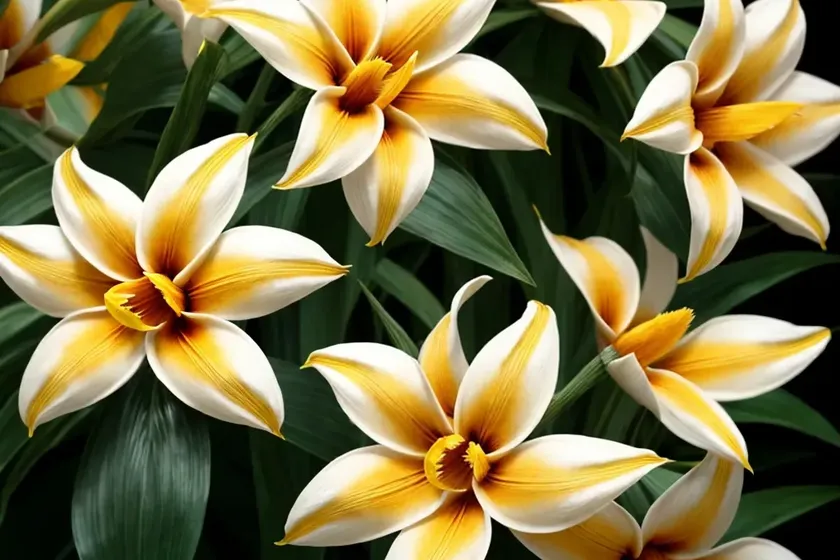
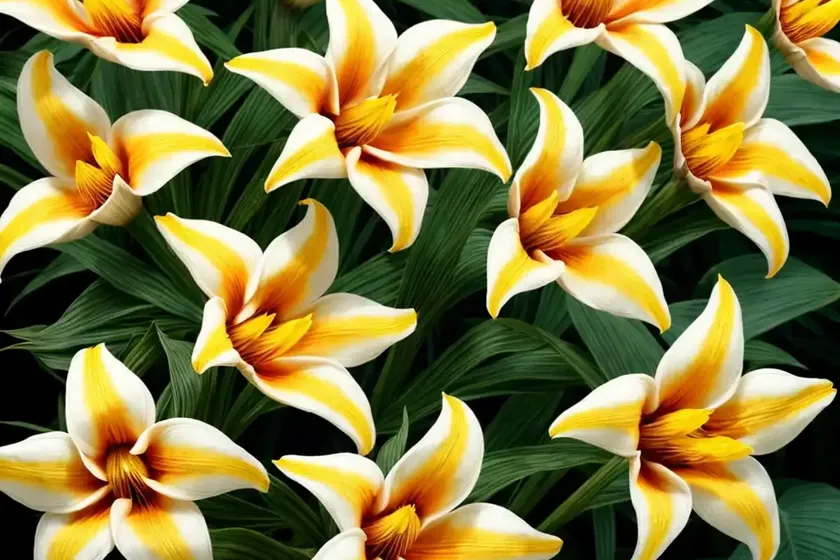
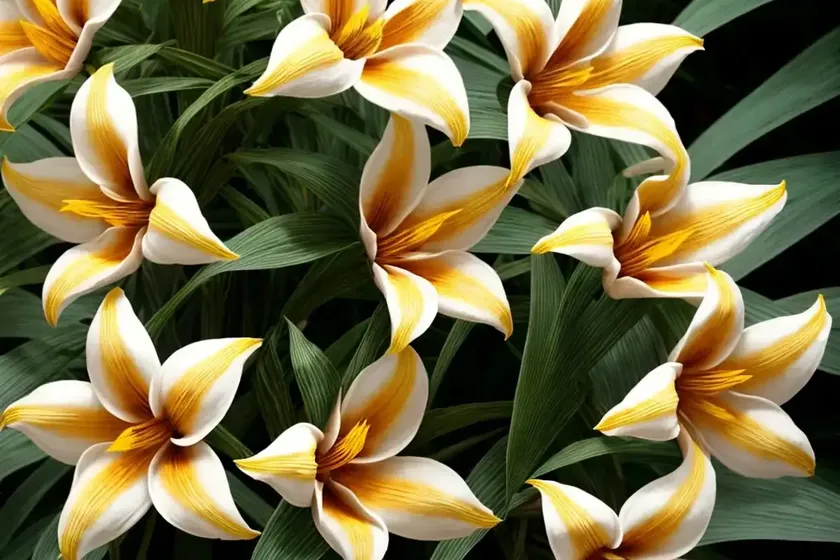
Tigridia pavonia ‘Alba’, commonly known as the Tiger Flower or White Tigridia, is a breathtaking flowering plant that captivates with its enchanting beauty and graceful presence. This alluring perennial is treasured for its pristine white blossoms adorned with delicate markings, which truly embody the essence of elegance and sophistication.
In this comprehensive guide, we will embark on an enthralling journey unveiling the secrets, charm, and allure of Tigridia pavonia ‘Alba’. From its cultural significance to its care requirements, this article aims to immerse you in the world of this mesmerizing plant.
What is Tigridia pavonia ‘Alba’?
Tigridia pavonia ‘Alba’ is a cultivar of the Tigridia pavonia species, belonging to the Iridaceae family. This striking plant is native to Mexico and Central America, where it flourishes in the warm, subtropical climates. The stunning beauty of its blossoms has earned it endearing monikers such as Tiger Flower and White Tigridia.
The name “Tigridia” is derived from the Latin word “tigris,” which means tiger, attributing to the distinct tiger-like markings often found on the petals of the flowers. The species name “pavonia” is inspired by the stunning appearance of the blooms, resembling the radiant plumage of a peacock.
Tigridia pavonia ‘Alba’ is renowned for its exquisite white flowers, adorned with intricate patterns and a central splash of contrasting colors, adding an element of intrigue to its already captivating allure. The delicate yet resilient nature of this plant makes it a cherished choice for gardens, landscapes, and floral arrangements around the world.
With its timeless elegance and versatile use, Tigridia pavonia ‘Alba’ has become a beloved treasure for gardeners, horticulturists, and enthusiasts seeking to add a touch of sophistication and natural splendor to their surroundings.
Key Takeaways – Tigridia pavonia ‘Alba’ (Tiger Flower)
Before delving deeper into the enchanting world of Tigridia pavonia ‘Alba’, let’s explore the key takeaways that encapsulate the essence of this magnificent plant.
Culture
- Botanical Name: Tigridia pavonia ‘Alba’
- Common Names: Tiger Flower, White Tigridia
- Family: Iridaceae
- Origin: Mexico and Central America
- Cultivar: ‘Alba’
- Flower Color: White with intricate markings
- Growth: Perennial
Uses
- Ornamental garden plant
- Cut flowers for floral arrangements
- Container plant
- Landscape focal point
Water
- Moderate watering during the growing season
- Reduced watering during dormancy
Sunlight
- Full sun to partial shade
Fertilizer
- Balanced fertilizer during the growing season
Soil
- Well-draining, fertile soil
Pruning
- Remove spent flowers
- Trim back foliage after dormancy
Propagation
- Division of bulbs
- Sowing seeds
Container Popularity
- Suitable for container gardening
- Adds elegance to balconies and patios
Common Diseases
- Fungal diseases such as botrytis and fusarium
- Viral diseases like mosaic virus
Disease Diagnosis
- Leaf spots
- Stunted growth
- Yellowing of leaves
Common Pests
- Aphids
- Thrips
- Spider mites
Botanist’s Tips
- Provide adequate drainage
- Protect from strong winds
- Mulch to retain soil moisture
Fun Facts
- Each flower lasts only one day but is replaced by a succession of new blooms
- Tigridia pavonia ‘Alba’ is pollinated by bees and butterflies
- The plant has been immortalized in art and literature for its beauty and symbolism
Now that we have glimpsed into the allure and essential characteristics of Tigridia pavonia ‘Alba’, let’s embark on an enriching exploration of its cultural significance, care requirements, and fascinating details that make this plant a true marvel of the natural world.
Links to External Resources
To further enrich your understanding and appreciation of Tigridia pavonia ‘Alba’, here are some valuable external resources:
- Royal Horticultural Society – Tigridia pavonia ‘Alba’
- Missouri Botanical Garden – Tigridia pavonia
- Floridata – Tigridia pavonia
These resources offer a wealth of knowledge and insights into the cultivation, care, and appreciation of Tigridia pavonia ‘Alba’, providing a holistic perspective on this magnificent plant.
In the subsequent sections, we will delve into the individual facets of Tigridia pavonia ‘Alba’, ranging from its historical and cultural significance to its meticulous care requirements, serving as an invaluable guide for both enthusiasts and horticulture aficionados.
Symbolism and Traditional Use
Tigridia pavonia ‘Alba’ has held symbolic and cultural significance in various societies throughout history. Its striking blooms, reminiscent of a tiger’s aura, have often been associated with qualities such as strength, resilience, and beauty. In indigenous traditions, the plant was revered for its mesmerizing appearance and was often incorporated into ceremonies and rituals to symbolize grace and elegance.
The distinctive white flowers of Tigridia pavonia ‘Alba’ have also been linked to purity and elegance, making them a popular choice for ornamental displays and celebrations. In art and literature, the tiger flower has transcended its physical form to become a symbol of fleeting beauty and the ephemeral nature of life, captivating the hearts and minds of admirers across the globe.
With its timeless allure and poetic symbolism, Tigridia pavonia ‘Alba’ continues to enchant and inspire, adding an ethereal touch to gardens, landscapes, and floral arrangements.
Caring for Tigridia pavonia ‘Alba’ involves understanding and tending to its specific needs, ensuring that its captivating beauty flourishes to its full potential. From sunlight preferences to soil requirements, each aspect plays a pivotal role in nurturing the enchanting splendor of this remarkable plant.
Water
Providing adequate water is essential for the healthy growth and blooming of Tigridia pavonia ‘Alba’. During the growing season, moderate watering should be maintained, allowing the soil to remain consistently moist but not waterlogged. Once the plant enters its dormant phase, reduce watering to prevent excessive moisture, which may lead to rotting of the bulbs.
Sunlight
Tigridia pavonia ‘Alba’ thrives in full sun to partial shade, exhibiting its best form when exposed to ample sunlight. Placing the plant in a location with direct sunlight for a substantial portion of the day encourages robust growth and prolific blooming, enhancing the luminous allure of its mesmerizing white flowers.
Fertilizer
To support the vigorous growth and flowering of Tigridia pavonia ‘Alba’, a balanced fertilizer can be applied during the growing season. As the plant expends energy to produce its resplendent blooms, providing essential nutrients through fertilization contributes to its overall health and vitality.
Soil
The soil for Tigridia pavonia ‘Alba’ should be well-draining and fertile, offering an optimal environment for the development of its roots and bulbs. Loamy or sandy soil with a rich organic content provides the ideal substrate for the plant to thrive, ensuring proper aeration and moisture retention essential for its well-being.
Pruning
After the enchanting display of blooms fades and the plant enters its dormancy phase, removing spent flowers and trimming back the foliage is recommended. Pruning encourages the plant to redirect its energy towards the development of new growth, preparing it for the next cycle of blooming and vitality.
Propagation
Tigridia pavonia ‘Alba’ can be propagated through the division of bulbs, which should be carried out during the plant’s dormant phase. Sowing seeds is another method of propagation, offering an opportunity to cultivate new specimens and expand the magical presence of this captivating plant.
Container Popularity
The exquisite elegance of Tigridia pavonia ‘Alba’ makes it a popular choice for container gardening, adding a touch of sophistication and natural charm to balconies, patios, and outdoor living spaces. Its alluring white blossoms stand out against the backdrop of containers, creating an enchanting focal point and infusing any setting with a sense of grace and allure.
Disease Diagnosis
Tigridia pavonia ‘Alba’ is susceptible to certain diseases, with fungal infections such as botrytis and fusarium posing potential threats to its health. Diagnosis of these diseases may manifest through symptoms such as leaf spots, stunted growth, and discoloration of foliage. Vigilance and timely intervention are crucial to safeguard the plant from the detrimental impact of these conditions.
Common Pests
While Tigridia pavonia ‘Alba’ emanates a captivating aura, it is not immune to the presence of pests that may detract from its splendor. Aphids, thrips, and spider mites are among the common pests that may target the plant, posing a threat to its well-being. Regular inspection and proactive pest control measures are essential to mitigate the potential damage caused by these intruders.
As a plant of exquisite beauty and elegance, Tigridia pavonia ‘Alba’ benefits from specialized care and attention to ensure its vitality and resplendence. Here are some valuable tips from botanists and horticulture experts to enrich your understanding of cultivating this remarkable plant:
-
Provide Adequate Drainage: Ensuring that the soil offers proper drainage is essential to prevent waterlogging and maintain the well-being of Tigridia pavonia ‘Alba’.
-
Protect from Strong Winds: The delicate blossoms of Tigridia pavonia ‘Alba’ can be susceptible to damage from strong winds, necessitating a sheltered location to shield the plant from potential harm.
-
Mulch to Retain Soil Moisture: Applying a layer of mulch around the base of the plant helps retain soil moisture, providing a conducive environment for its growth and development.
By incorporating these botanist’s tips into the care regimen for Tigridia pavonia ‘Alba’, you can ensure that this magnificent plant flourishes with resplendent beauty, imparting an enchanting grace to any setting.
Unraveling the mesmerizing allure and captivating grace of Tigridia pavonia ‘Alba’ also unveils a tapestry of fascinating facts that add to the mystique and wonder surrounding this extraordinary plant. Here are some intriguing fun facts that shed light on the enchanting charms of Tigridia pavonia ‘Alba’:
-
Ephemeral Beauty: Each flower of Tigridia pavonia ‘Alba’ lasts only a single day, yet the plant continues to enchant with a succession of new blooms that unfold in a captivating display of natural beauty.
-
Pollinator Magnet: The enticing blooms of Tigridia pavonia ‘Alba’ attract a diverse array of pollinators, including bees and butterflies, who are drawn to its nectar-laden flowers.
-
Artistic and Literary Inspiration: Throughout the ages, Tigridia pavonia ‘Alba’ has been celebrated in art and literature for its ethereal beauty, serving as an enduring muse for artists and writers captivated by its enchanting allure.
These fun facts offer a glimpse into the captivating world of Tigridia pavonia ‘Alba’, inviting all who encounter this remarkable plant to appreciate its ephemeral magnificence and timeless charm.
In the realm of horticulture and botanical wonder, Tigridia pavonia ‘Alba’ stands as a true exemplar of nature’s capacity to captivate and beguile. With its enduring beauty and captivating allure, this remarkable plant weaves a tale of elegance and enchantment that resonates across cultures and generations.
In the embrace of Tigridia pavonia ‘Alba’, we discover a symphony of natural splendor, cultural significance, and meticulous care requirements that elevate it to a realm of enchantment and allure. From its historical symbolism to its care regimen and captivating fun facts, this extraordinary plant invites us to immerse ourselves in the wonder of the natural world and revel in the grace and elegance it embodies.
As guardians of this splendid treasure, we are entrusted with the task of nurturing and celebrating the resplendent beauty of Tigridia pavonia ‘Alba’, ensuring that its luminous blossoms continue to inspire and enchant for generations to come. By honoring its cultural significance, embracing its enchanting allure, and kindling an appreciation for its timeless elegance, we forge a profound connection to the ever-unfolding tapestry of plant life’s enduring splendor.
In the spirit of this unique bond with nature, let us continue to nurture and savor the timeless elegance of Tigridia pavonia ‘Alba’, embracing its ephemeral beauty and captivating grace as a cherished testament to the resplendent wonders that flourish within the heart of the natural world.
With the comprehensive exploration of Tigridia pavonia ‘Alba’ as our guide, we have delved into the profound depths of its captivating allure, drawn inspiration from its cultural significance, and embraced the art of nurturing its resplendent beauty. From the ephemeral charm of its blossoms to the timeless elegance it embodies, this remarkable plant stands as a testament to the enduring enchantment that exists within the realm of nature.
In the cultivation and appreciation of Tigridia pavonia ‘Alba’, we find a meditative journey that allows us to marvel at the grace and beauty of the natural world, fostering a deeper understanding of the profound connections that bind us to the ecological tapestry of life itself. As we continue to unveil the mysteries and wonders of the botanical realm, may the timeless elegance of Tigridia pavonia ‘Alba’ serve as an enduring source of inspiration and tranquility in our collective journey to honor and celebrate the resplendent beauty that thrives within the heart of the natural world.
Through the luminous blossoms of Tigridia pavonia ‘Alba’, we glimpse the radiant spirit of nature, and in its ephemeral grace, we find an enduring reminder of the timeless allure and captivating splendor that surrounds us, beckoning us to embrace the enchanting marvels that flourish within the embrace of the Earth’s magnificent garden.


