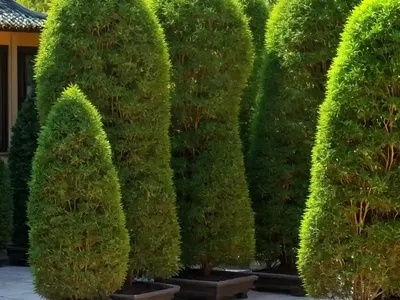
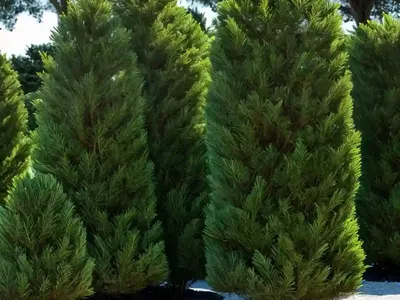
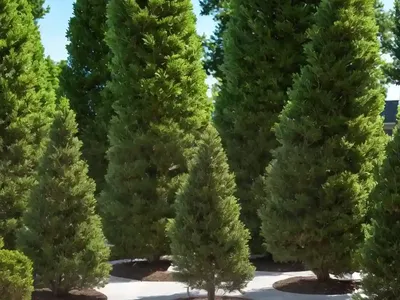
Thuja Occidentalis North Pole� (American Arborvitae)
Plants are an integral part of our environment, and their diversity is truly astounding. As a plant scientist, I have dedicated my career to understanding.
Introduction:
Plants are an integral part of our environment, and their diversity is truly astounding. As a plant scientist, I have dedicated my career to understanding and unraveling the secrets of various plant species. In this blog post, we will delve into the captivating world of Thuja occidentalis North Pole�, commonly known as the American Arborvitae. This evergreen plant has garnered immense popularity due to its stunning ornamental value, diverse uses, and remarkable adaptability. Through this in-depth exploration, we will shed light on the characteristics, cultural requirements, uses, maintenance, and much more about this fascinating plant.
What is Thuja occidentalis North Pole� (American Arborvitae)?
Thuja occidentalis, commonly referred to as Northern White Cedar or Eastern Arborvitae, belongs to the Cupressaceae family. The North Pole™ variety is a cultivar of Thuja occidentalis that exhibits unique characteristics and exceptional growth habits. Native to North America, the American Arborvitae is renowned for its stately appearance, dense foliage, and versatility in landscaping.
Key Takeaways – Thuja occidentalis North Pole� (American Arborvitae):
- Scientific Name: Thuja occidentalis North Pole™
- Common Names: American Arborvitae, Northern White Cedar, Eastern Arborvitae
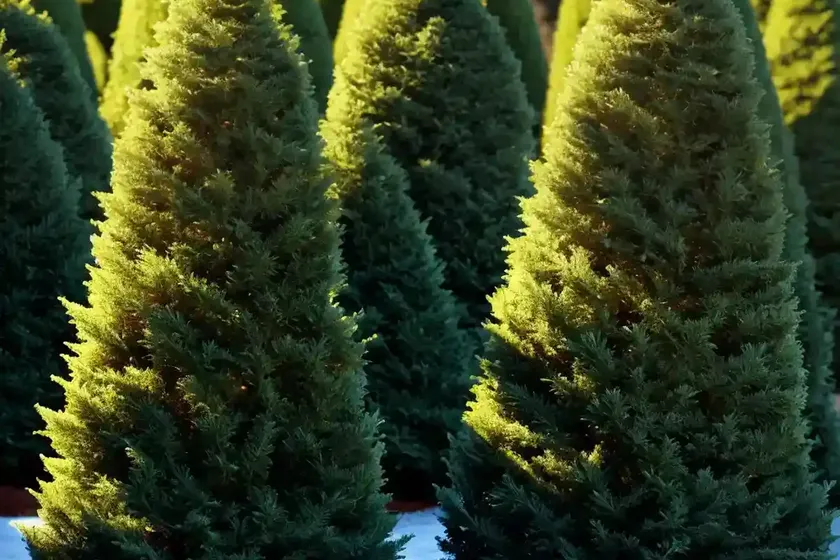
- Characteristics: Evergreen, conical shape, scale-like foliage, small cones
- Growth Habits: Medium to fast growth rate, pyramidal form, compact structure
- Uses: Ornamental specimen, privacy hedge, windbreak, container plant
- Maintenance: Low-maintenance, requires minimal pruning, adaptable to various soil types
- Diseases: Resistant to many common diseases, occasional susceptibility to certain pests
Now, let’s delve into the various aspects of cultivating and caring for the Thuja occidentalis North Pole™, including its cultural requirements, uses, maintenance practices, and interesting facts.
Culture:
Cultivating Thuja occidentalis North Pole™ requires an understanding of its specific cultural needs, including water, sunlight, fertilizer, soil, and pruning practices.
Water:
- Water Requirements:
- Thuja occidentalis North Pole™ has moderate water needs, particularly during its establishment phase. It thrives in well-drained soil and doesn’t tolerate waterlogged conditions.
- The plant should be watered deeply and regularly, especially during dry spells. Adequate irrigation is crucial for promoting healthy root development and overall growth.
Sunlight:
- Sunlight Needs:
- American Arborvitae thrives in full sun to partial shade. It prefers at least 6 hours of direct sunlight to maintain its vibrant green foliage and robust growth.
- When planted in regions with hot summers, providing some shade during the hottest part of the day can prevent stress and sunburn on the foliage.
Fertilizer:
- Fertilization:
- This plant generally doesn’t require frequent fertilization if grown in nutrient-rich soil. However, applying a balanced, slow-release fertilizer in early spring can support healthy growth.
- It’s important to avoid over-fertilization, as excessive nutrient levels can lead to excessive foliage growth and reduce the plant’s overall vigor.
Soil:
- Soil Requirements:
- Thuja occidentalis North Pole™ thrives in well-drained, loamy soil with a slightly acidic to slightly alkaline pH (6.0-7.5).
- Amending the soil with organic matter, such as compost, can improve its structure, moisture retention, and nutrient content, creating an ideal growing environment for the American Arborvitae.
Pruning:
- Pruning Techniques:
- American Arborvitae generally requires minimal pruning and maintenance. However, occasional pruning to shape the plant, remove dead or damaged branches, and maintain its desired size and form can be beneficial.
- It’s advisable to conduct any significant pruning during late winter or early spring before the onset of new growth.
Propagation:
Propagating Thuja occidentalis North Pole™ can be achieved through various methods, including stem cuttings, layering, and seed propagation. Each approach has its own advantages and challenges, and the choice of propagation method often depends on the specific goals and resources available to the gardener.
Seed Propagation:
- Seed Germination:
- Propagating American Arborvitae from seeds requires patience and careful attention to the seed’s environmental conditions. The seeds need stratification to break dormancy, typically involving a period of cold, moist conditions before germination can occur.
- Sowing the seeds in well-prepared seedbeds or containers in late fall or early spring can facilitate successful germination and early growth.
Stem Cuttings:
- Cutting Propagation:
- This method involves taking semi-hardwood or hardwood cuttings from healthy, disease-free branches of the American Arborvitae. The cuttings should be treated with rooting hormone and placed in a well-draining medium to encourage root development.
- Proper misting, humidity control, and warmth are essential for the successful establishment of new roots on the cuttings.
Layering:
- Layering Technique:
- Air layering or ground layering can be employed to propagate Thuja occidentalis North Pole™. Ground layering involves burying a portion of a flexible stem in the soil to promote root formation, while air layering entails girdling a stem, applying rooting hormone, and enclosing it in a moist medium until roots develop.
- Once established, the new plants can be carefully separated and transplanted to their desired locations.
Container Popularity:
The American Arborvitae, including the North Pole™ variety, is well-suited for container cultivation, offering a range of landscaping and ornamental possibilities.
Container Gardening:
- Growing in Containers:
- Selecting a spacious, well-draining container is essential for cultivating Thuja occidentalis North Pole™ in a container. The pot should have drainage holes to prevent waterlogging and ensure proper aeration of the roots.
- Container-grown American Arborvitae can be utilized to create stunning focal points on patios, balconies, and outdoor living spaces, adding greenery and visual interest to the surroundings.
Common Diseases:
Thuja occidentalis North Pole™ exhibits robust resistance to many common diseases, thanks to its natural hardiness and adaptability. However, certain environmental conditions and pests can pose occasional challenges.
Disease Resistance:
- Disease-Tolerant Traits:
- The American Arborvitae is generally resilient against various fungal diseases, such as leaf blights and cankers. Its natural resistance is attributed to the production of aromatic compounds and protective resins in its foliage.
- Proper cultural practices and ensuring good air circulation around the plant can further reduce the risk of disease development and promote overall plant health.
Disease Diagnosis:
- Recognizing Symptoms:
- Promptly identifying and diagnosing any signs of disease in Thuja occidentalis North Pole™ is crucial for implementing targeted interventions and preventing the spread of the issue to other plants.
- Symptoms of disease may include discolored or wilting foliage, abnormal growths on stems or branches, and the presence of fungal spores or lesions on the plant’s surface.
Common Pests:
While relatively resistant to most pests, the American Arborvitae can occasionally face infestations from certain insect species, requiring vigilant monitoring and appropriate pest management strategies.
Pest Control:
- Monitoring and Prevention:
- Regular inspection of the plant for signs of pest activity, such as chewed foliage, webbing, or insect presence, is essential for early detection and intervention.
- Natural predators, biological controls, and targeted insecticides can help manage pest populations and minimize damage to Thuja occidentalis North Pole™.
Botanist’s Tips:
As a botanist specializing in the study of Thuja occidentalis North Pole™ and related species, I have gathered valuable insights and tips for effectively cultivating and appreciating this magnificent plant.
Tips for Success:
- Planting Location:
- When selecting a planting site for American Arborvitae, consider its mature size, growth habits, and sun exposure requirements. Choose a well-drained area with sufficient space for the plant to thrive and spread.
- Watering Practices:
- Establish a regular watering schedule for the plant, and adjust the frequency based on weather conditions and soil moisture levels. Maintaining consistent soil moisture is crucial, especially during periods of heat or drought.
- Mulching Benefits:
- Applying a layer of organic mulch around the base of the American Arborvitae can conserve soil moisture, suppress weed growth, and insulate the roots from temperature fluctuations, promoting overall plant health.
Fun Facts:
Explore the intriguing and captivating aspects of Thuja occidentalis North Pole™ through these fun and noteworthy facts:
- Historical Significance:
- The Eastern Arborvitae has a rich historical significance, with indigenous communities utilizing various parts of the plant for medicinal, construction, and cultural purposes.
- Wildlife Habitat:
- The dense foliage of the American Arborvitae provides valuable habitat and shelter for diverse wildlife, including birds and small mammals, contributing to local ecological diversity.
- Winter Interest:
- The evergreen nature of Thuja occidentalis North Pole™ ensures year-round visual appeal, with its vibrant foliage adding an elegant touch to winter landscapes.
Links to External Resources:
Here are some useful resources for further exploration and information on Thuja occidentalis North Pole™:
- Thuja occidentalis North Pole – Plant Information and Care Guide
- American Arborvitae: Nature’s Privacy Screen
- Growing American Arborvitae
- Insect and Disease Problems of Arborvitae
- Cultural Guidelines for Commercial Production of Interiorscape Arborvitae in Florida
In conclusion, Thuja occidentalis North Pole™, also known as American Arborvitae, is a remarkable plant with an array of valuable characteristics, uses, and cultural significance. From its ornamental appeal to its adaptability in various landscapes, the American Arborvitae continues to captivate plant enthusiasts and horticulturalists worldwide. Understanding its growth habits, maintenance practices, and ecological importance enriches our appreciation for this iconic evergreen species. Whether used as a privacy screen, ornamental specimen, or wildlife habitat, the American Arborvitae holds a special place in the realm of plants, contributing to the beauty and biodiversity of our natural surroundings.
I hope this comprehensive exploration has provided valuable insights into the world of Thuja occidentalis North Pole™, offering a deeper understanding of its role in horticulture, ecology, and the natural world.
Plant Name: “Thuja occidentalis North Pole� (American Arborvitae)”