Sedum ‘Class Act’ (Stonecrop): The Complete Guide to Cultivation and Care
As a plant scientist, I am thrilled to delve into the world of Sedum ‘Class Act,’ a stunning and versatile plant from the Stonecrop family. In this comprehensive guide, we will explore the various aspects of the Sedum ‘Class Act,’ including its culture, uses, care tips, and much more. Whether you are a novice gardener or a seasoned horticultural enthusiast, this guide aims to provide you with in-depth insights into the cultivation and maintenance of this remarkable plant.
What is Sedum ‘Class Act’ (Stonecrop)?
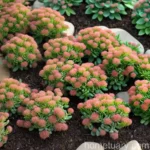
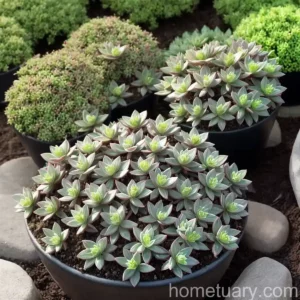
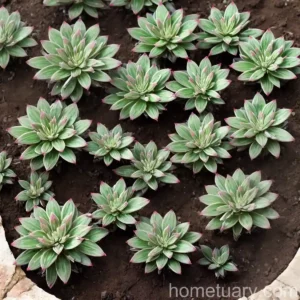
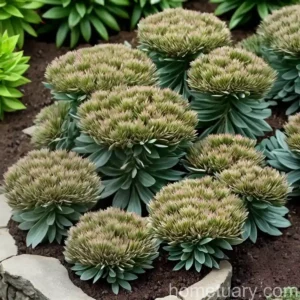
Sedum ‘Class Act,’ commonly referred to as Stonecrop, is a perennial succulent plant that belongs to the Crassulaceae family. This variety is celebrated for its ornamental foliage, vibrant flowers, and adaptability to diverse growing conditions. The Sedum ‘Class Act’ is characterized by its fleshy, succulent leaves and its ability to thrive in various environments, making it a popular choice for landscaping, container gardening, and ground cover purposes.
Key Takeaways – Sedum ‘Class Act’ (Stonecrop)
Before we delve into the specific aspects of cultivation and care, let’s take a moment to highlight some key takeaways about the Sedum ‘Class Act’:
- Scientific Name: Sedum ‘Class Act’
- Common Name: Stonecrop
- Family: Crassulaceae
- Plant Type: Perennial Succulent
- Characteristics: Ornamental foliage, vibrant flowers, drought-tolerant
- Versatility: Landscaping, container gardening, ground cover
- Adaptability: Thrives in various growing conditions
Now that we have a brief overview of the Sedum ‘Class Act,’ let’s delve into the specifics of cultivating and caring for this remarkable plant.
Culture of Sedum ‘Class Act’
The culture of Sedum ‘Class Act’ encompasses various aspects such as watering, sunlight requirements, soil preferences, and maintenance practices. Understanding these cultural elements is essential for creating an optimal growing environment for the plant.
Uses of Sedum ‘Class Act’
The Sedum ‘Class Act’ boasts a wide range of uses, making it a valuable addition to both residential and commercial landscapes. Some common uses of this versatile plant include:
- Ground Cover: Its low-growing and spreading nature makes it an excellent ground cover option.
- Container Gardening: Well-suited for container gardens, adding visual interest to patios and balconies.
- Landscaping: Ideal for rock gardens, slopes, and dry, sunny areas.
- Pollinator Attractant: Its flowers attract pollinators such as bees and butterflies, contributing to biodiversity in the garden.
- Erosion Control: Effective in preventing soil erosion due to its spreading growth habit.
Watering Requirements for Sedum ‘Class Act’
One of the notable characteristics of Sedum ‘Class Act’ is its drought tolerance. However, proper watering is essential, especially during the plant’s establishment phase. Here are some key considerations for watering the plant effectively:
- Establishment Phase: Water the plant regularly during the first growing season to aid in root establishment.
- Mature Plants: Once established, Sedum ‘Class Act’ can thrive on minimal water. Water sparingly, allowing the soil to dry out between waterings.
- Container Plants: Ensure proper drainage in containers to prevent waterlogging, especially during rainy periods.
Sunlight Requirements for Sedum ‘Class Act’
The sunlight requirements of Sedum ‘Class Act’ are crucial for its overall health and development. As a succulent plant, it thrives in sunny conditions and exhibits remarkable adaptability to varying light intensities. Here’s what you need to know about providing the ideal sunlight conditions for the Sedum ‘Class Act’:
- Full Sun: Thrives in full sun and high light conditions, enhancing its vibrant foliage and flower production.
- Partial Shade: While tolerant of partial shade, ensure that the plant receives a minimum of 4-6 hours of direct sunlight for optimal growth.
- Indoor Cultivation: When grown indoors, place the plant near a sunny window or provide supplemental grow lights to mimic full sun conditions.
Fertilizer Application for Sedum ‘Class Act’
Proper fertilization contributes to the overall vigor and vibrancy of Sedum ‘Class Act.’ While this plant is known for its modest fertilizer requirements, providing essential nutrients at the right time can significantly enhance its growth and blooming capacity. Consider the following guidelines for fertilizing Sedum ‘Class Act’:
- Spring Feeding: Apply a balanced, slow-release fertilizer in early spring to support the plant’s initial growth phase.
- Minimal Fertilization: Avoid excessive fertilization, as Sedum ‘Class Act’ thrives in nutrient-poor soil conditions.
- Organic Amendments: Incorporate organic matter such as compost or well-aged manure when planting to enhance soil fertility naturally.
Soil Preferences for Sedum ‘Class Act’
The choice of soil plays a pivotal role in the successful cultivation of Sedum ‘Class Act.’ This plant thrives in well-draining, lean soils and exhibits remarkable tolerance to various soil types. Here are some essential considerations for the soil preferences of Sedum ‘Class Act’:
- Well-Draining Soil: Ensure the soil provides excellent drainage to prevent waterlogging, which can be detrimental to the plant’s root system.
- Sandy Loam: Ideal soil type, providing a balance of drainage and moisture retention.
- Alkaline Tolerance: Thrives in slightly alkaline soil conditions, showcasing adaptability to varying pH levels.
Pruning and Maintenance of Sedum ‘Class Act’
Pruning and maintenance practices are essential for promoting the health and longevity of Sedum ‘Class Act.’ These tasks primarily focus on tidying up the plant, controlling its growth, and rejuvenating its appearance. Consider the following guidelines for pruning and maintaining the Sedum ‘Class Act’:
- Spring Pruning: Trim back any remaining foliage from the previous season to encourage fresh growth.
- Deadheading: Remove spent flowers to prolong the blooming period and promote additional flower production.
- Winter Maintenance: Leave the dried flower heads on the plant during winter to provide visual interest and to support wildlife.
Propagation Methods for Sedum ‘Class Act’
Propagation allows for the expansion of Sedum ‘Class Act’ and the creation of new plantings. This process enables gardeners to produce additional plants for their gardens or share them with fellow enthusiasts. Here are some common propagation methods for the Sedum ‘Class Act’:
- Division: Divide mature clumps in spring, ensuring that each division has sufficient roots and shoots for successful establishment.
- Stem Cuttings: Take stem cuttings in late spring or early summer and propagate them in well-draining soil to encourage root development.
- Leaf Cuttings: Propagate leaf cuttings to create new plants, ensuring that the cuttings have ample access to moisture and indirect sunlight.
Container Gardening with Sedum ‘Class Act’
Sedum ‘Class Act’ is an excellent candidate for container gardening, offering versatility and visual appeal in confined spaces. Whether you are creating a succulent arrangement or adding accents to your outdoor living areas, the following tips can help you succeed in container gardening with Sedum ‘Class Act’:
- Container Selection: Choose well-draining containers that allow excess moisture to escape, preventing waterlogged soil.
- Potting Mix: Use a succulent or cactus potting mix for optimal drainage and aeration, promoting healthy root development.
- Placement: Position the containers in areas that receive ample sunlight, ensuring that the plants receive the light they require for vibrant growth.
Popularity of Sedum ‘Class Act’
The popularity of Sedum ‘Class Act’ has surged in recent years, attributed to its exceptional adaptability, low maintenance requirements, and ornamental charm. This plant has captured the attention of gardening enthusiasts and landscape designers for its diverse applications and aesthetic appeal, contributing to its widespread popularity in horticultural circles.
Common Diseases of Sedum ‘Class Act’
While Sedum ‘Class Act’ exhibits robust resistance to most diseases, it is susceptible to certain issues when exposed to unfavorable growing conditions or environmental stressors. Understanding these common diseases and their remedies is essential for maintaining the health of the plant. Here are some common diseases that may affect Sedum ‘Class Act’:
- Root Rot: Caused by waterlogged soil, leading to rotting of the roots. Ensure well-draining soil and avoid overwatering to prevent this issue.
- Powdery Mildew: Fungal disease that manifests as a powdery white substance on the foliage. Provide adequate air circulation and consider fungicidal treatments if necessary.
Disease Diagnosis and Prevention for Sedum ‘Class Act’
Diagnosing and preventing diseases in Sedum ‘Class Act’ is integral to its long-term health and vitality. Timely intervention and proactive measures can help safeguard the plant from potential disease challenges. Consider the following diagnosis and prevention strategies for maintaining a disease-free Sedum ‘Class Act’:
- Visual Inspection: Regularly inspect the plant for any signs of discoloration, wilting, or unusual growth patterns.
- Cultural Practices: Implement proper cultural practices such as well-draining soil, adequate spacing, and appropriate watering to prevent disease development.
- Treatment Options: If disease symptoms are identified, consider targeted treatments such as fungicides or natural remedies to address the issue.
Common Pests Affecting Sedum ‘Class Act’
Sedum ‘Class Act’ is relatively resistant to pest infestations, but certain pests may pose a threat to its growth and overall well-being. Understanding the common pests affecting Sedum ‘Class Act’ and employing proactive pest management strategies is crucial for preserving the plant’s vitality. Here are some common pests that may affect Sedum ‘Class Act’:
- Aphids: Sap-sucking insects that can distort new growth and lead to the development of sticky honeydew on the foliage.
- Spider Mites: These tiny pests can cause stippling and webbing on the leaves, impacting the plant’s overall vigor.
- Snails and Slugs: These pests can feed on the tender foliage of Sedum ‘Class Act,’ leading to unsightly damage.
Botanist’s Tips for Cultivating Sedum ‘Class Act’
Drawing from my expertise as a botanist, I have compiled a set of valuable tips for cultivating Sedum ‘Class Act’ with success. These insights are designed to empower gardeners and plant enthusiasts with practical guidance for cultivating and caring for this remarkable succulent plant. Here are some botanist’s tips for cultivating Sedum ‘Class Act’:
- Optimal Drainage: Prioritize well-draining soil and containers to prevent waterlogging, which can compromise the plant’s health.
- Sunlight Management: Ensure that the plant receives ample sunlight, especially during its active growth phase, to support robust foliage and flower production.
- Minimal Intervention: Embrace the low-maintenance nature of Sedum ‘Class Act’ and avoid overwatering and excessive fertilization, allowing the plant to thrive naturally.
Fun Facts about Sedum ‘Class Act’
- The name “Sedum” is derived from the Latin word “sedere,” which means “to sit,” referring to the plant’s low-growing and spreading growth habit.
- Sedum ‘Class Act’ is renowned for its resilience and ability to thrive in challenging conditions, including rocky slopes and dry, nutrient-poor soils.
- The vibrant flowers of Sedum ‘Class Act’ attract an array of pollinators, contributing to ecological diversity and garden vibrancy.
Links to External Resources
For further reading and exploration of Sedum ‘Class Act’ and related topics, I recommend the following external resources:
- The Sedum Society – An authoritative source for information on Sedum varieties, cultivation techniques, and horticultural trends.
- Royal Horticultural Society (RHS) – Offers comprehensive guides on succulent gardening, plant care, and species profiles, including Sedum ‘Class Act.’
- University Extension Services – Provides research-based information on horticulture, pest management, and plant health, serving as a valuable resource for plant enthusiasts.
Conclusion
In essence, the cultivation and care of Sedum ‘Class Act’ encompass a spectrum of considerations, from watering and sunlight requirements to soil preferences and maintenance practices. This remarkable succulent plant, with its ornamental foliage and vibrant flowers, holds immense potential for enriching landscapes, container gardens, and ecological habitats. By applying the insights and recommendations outlined in this guide, gardeners and plant enthusiasts can embark on a rewarding journey of cultivating and caring for Sedum ‘Class Act,’ creating thriving and visually captivating plantings.
As we conclude this comprehensive guide, I trust that you have gained a deeper understanding of the intricacies involved in nurturing Sedum ‘Class Act’ and are inspired to explore the remarkable world of Stonecrop cultivation. Whether you seek to create a stunning rock garden display, establish a low-maintenance ground cover, or enhance your outdoor living space with container plantings, the allure and versatility of Sedum ‘Class Act’ await your horticultural endeavors.
Remember to embrace the natural beauty and resilience of Sedum ‘Class Act’ as you embark on your journey of succulent gardening and landscape enrichment. Happy planting!
Keywords: Sedum ‘Class Act’ care, Stonecrop plant, Sedum ‘Class Act’ growing tips, Sedum ‘Class Act’ planting guide, Sedum ‘Class Act’ soil requirements, Sedum ‘Class Act’ disease prevention, Sedum ‘Class Act’ pruning advice, Sedum ‘Class Act’ container gardening, Sedum ‘Class Act’ perennial plant, Sedum ‘Class Act’ drought-resistant plant, Stonecrop plant succulent characteristics, Sedum ‘Class Act’ ground cover, Sedum ‘Class Act’ fertilizer techniques, Stonecrop plant pests and control, Sedum ‘Class Act’ sunlight requirements, Sedum ‘Class Act’ watering needs, Stonecrop plant uses, Sedum ‘Class Act’ medicinal uses, Stonecrop plant drought tolerance, Sedum ‘Class Act’ companion plants, Stonecrop plant butterfly attractant, Sedum ‘Class Act’ low-maintenance option, Stonecrop plant wildlife habitat, Sedum ‘Class Act’ unique foliage, Stonecrop plant pollinator-friendly, Stonecrop plant xeriscaping choice, Stonecrop plant vertical gardening, Sedum ‘Class Act’ drought-tolerant landscaping, Stonecrop plant rock garden plant, Sedum ‘Class Act’ outdoor planting, Sedum ‘Class Act’ hardiness zones, Stonecrop plant foliage colors, Sedum ‘Class Act’ indoor gardening, Stonecrop plant groundcover alternatives, Sedum ‘Class Act’ front yard landscaping, Stonecrop plant seasonal changes, Sedum ‘Class Act’ toxic to pets, Stonecrop plant water-saving capabilities, Sedum ‘Class Act’ native habitat, Stonecrop plant erosion control, Stonecrop plant deer-resistant option.