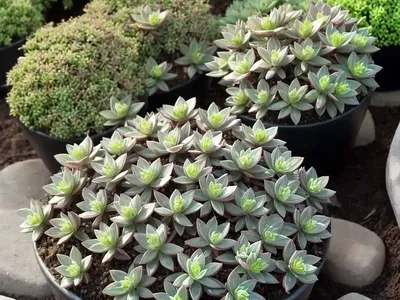
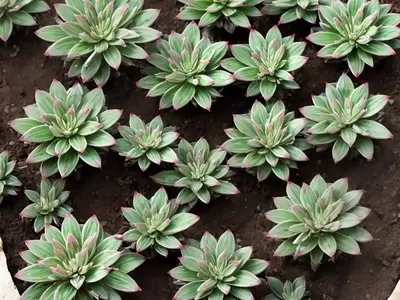
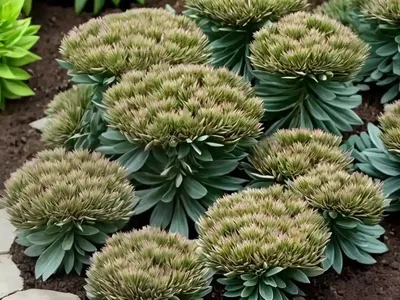
Stonecrop (Sedum Telephium ‘Dark Magic’)
Stonecrop plants, scientifically known as Sedum telephium ‘Dark Magic’, are captivating perennial succulents that are cherished for their stunning dark.
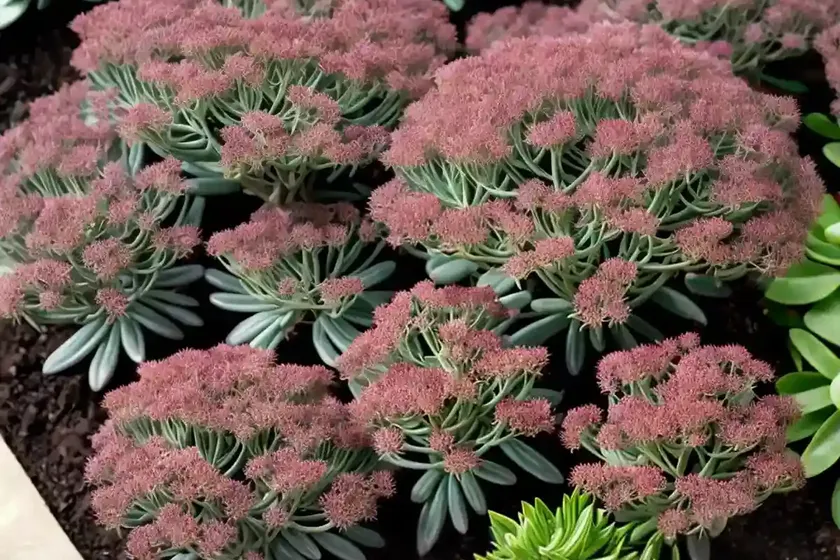
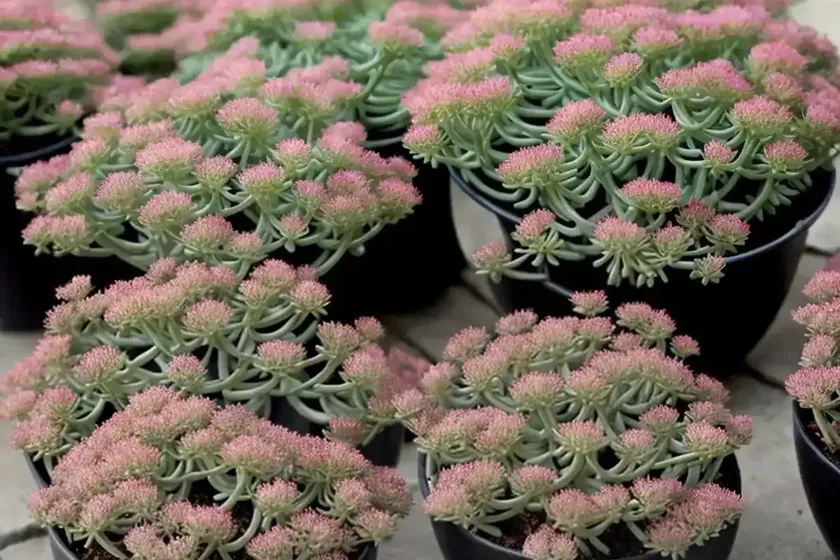
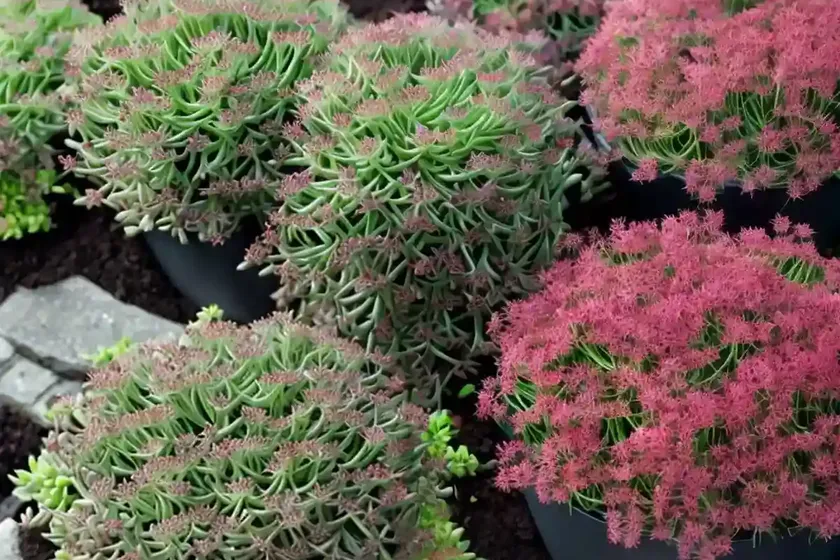
Stonecrop plants, scientifically known as Sedum telephium ‘Dark Magic’, are captivating perennial succulents that are cherished for their stunning dark foliage and low maintenance needs. These plants are resilient and versatile, making them a popular choice for gardens, landscapes, and containers. In this comprehensive guide, we will delve into all aspects of stonecrop plants, from their culture and uses to their care requirements, common diseases, and propagation methods.
What is Stonecrop (Sedum telephium ‘Dark Magic’)?
Stonecrop, specifically Sedum telephium ‘Dark Magic’, is a striking perennial plant belonging to the Crassulaceae family. It is characterized by its deep purple to almost black foliage and clusters of star-shaped, pink flowers that bloom in late summer to fall.
Key Takeaways – Stonecrop (Sedum telephium ‘Dark Magic’)
Here are the key highlights of the Sedum telephium ‘Dark Magic’ plant:
- Dark purple to nearly black foliage
- Pink star-shaped flowers in late summer to fall
- Resilient and low-maintenance perennial
- Suitable for gardens, landscapes, and containers
- Drought-tolerant and adaptable to various growing conditions
Now, let’s explore the various aspects of stonecrop plants, from their cultural preferences to their propagation methods and common pests.
Culture
Understanding the cultural requirements of stonecrop plants is essential for their successful growth and development. Here’s a detailed overview of the culture of Sedum telephium ‘Dark Magic’:
Water
Stonecrop plants, including Sedum telephium ‘Dark Magic’, thrive in well-draining soil and are remarkably tolerant of drought conditions. Overly wet and soggy soil can lead to root rot and other issues, so it’s crucial to allow the soil to dry out between waterings. Once established, stonecrop plants require minimal watering and can survive prolonged periods of drought.
Sunlight
These plants prefer full sun to partial shade, making them an ideal choice for sunny garden spots and landscape settings. Adequate sunlight is essential for promoting the intense coloration of their foliage and ensuring robust growth.
Fertilizer
Stonecrop plants are not heavy feeders and generally do well in average to poor soil conditions. Applying a balanced fertilizer sparingly in the spring, as the new growth emerges, can provide a slight boost to their overall vigor. However, excessive fertilization can lead to leggy growth and may diminish the intensity of their foliage color.
Soil
Well-draining soil is paramount for cultivating stonecrop plants. They are adaptable to various soil types, including sandy, loamy, and rocky soils. Amending soil with gravel or sand can further enhance drainage, particularly in areas with heavy clay soils. Additionally, maintaining a slightly alkaline to neutral pH level in the soil is beneficial for their overall health.
Pruning
Pruning stonecrop plants, such as Sedum telephium ‘Dark Magic’, is primarily done for aesthetic reasons and to maintain their shape. In late winter or early spring, removing any dead or damaged foliage and spent flower stems can promote a tidy appearance and encourage new growth. However, these plants generally have a tidy growth habit and require minimal pruning.
Uses
Stonecrop plants, with their captivating appearance and resilient nature, serve a multitude of purposes in various settings. Here are the primary uses of Sedum telephium ‘Dark Magic’:
-
Gardens: They serve as excellent border plants, ground covers, or accent plants in rock gardens, perennial beds, and mixed borders.
-
Landscapes: Their versatility makes them suitable for use in xeriscapes, slopes, and dry, challenging landscapes where other plants may struggle to thrive.
-
Containers: Stonecrop plants add visual interest in containers and are well-suited for mixed container gardens, including succulent arrangements.
Propagation
Propagating stonecrop plants, such as Sedum telephium ‘Dark Magic’, can be accomplished through several methods, including division, stem cuttings, and seed propagation. Here’s a brief overview of these propagation techniques:
Division
Dividing mature stonecrop plants is an effective way to propagate them and rejuvenate established clumps. This method involves carefully digging up the plant, separating the rooted sections, and replanting them in suitable locations. Division is typically done in early spring to allow the divided sections to establish before the onset of hot summer weather.
Stem Cuttings
Taking stem cuttings from healthy, actively growing stonecrop plants is another viable method of propagation. The selected cuttings are allowed to callus for a few days before being planted in well-draining, sandy soil. With adequate moisture and warmth, the cuttings will develop roots and eventually form new plants.
Seed Propagation
While stonecrop plants can be propagated from seeds, this method is often less predictable and requires patience, as the germination process can be slow. Sowing seeds in containers or directly in the garden bed in late winter to early spring can yield new plants, though it may take some time for them to reach maturity.
Popularity
Stonecrop plants, particularly the Sedum telephium ‘Dark Magic’ cultivar, have gained popularity among gardeners and landscape enthusiasts for several reasons. Their striking foliage, minimal care requirements, and adaptability contribute to their widespread appeal. Additionally, the rise in interest for low-maintenance and drought-tolerant plants has further increased the popularity of stonecrop varieties in recent years.
Common Diseases
Stonecrop plants, including Sedum telephium ‘Dark Magic’, are generally resilient to most diseases and pests. However, certain environmental conditions and cultural practices can lead to potential issues. Here are some common diseases and disorders that may affect stonecrop plants:
-
Root Rot: Prolonged exposure to excessively damp soil or poor drainage can lead to root rot, causing the plant’s root system to decay. To prevent this, it’s crucial to ensure proper soil drainage and avoid overwatering.
-
Powdery Mildew: In humid or poorly ventilated conditions, stonecrop plants may become susceptible to powdery mildew, a fungal disease characterized by white powdery spots on the foliage. Maintaining good air circulation and avoiding overhead watering can help prevent this issue.
-
Leaf Spot: Fungal infections can cause dark, necrotic spots on the leaves, impacting the plant’s overall appearance. Ensuring adequate spacing between plants and avoiding excessive moisture on the foliage can mitigate the risk of leaf spot.
Disease Diagnosis
Diagnosing and addressing potential diseases in stonecrop plants requires careful observation and prompt intervention. Here are some key steps to diagnosing and managing common diseases in Sedum telephium ‘Dark Magic’:
- Visual Inspection: Regularly inspect the plants for any signs of discoloration, lesions, or abnormal growth.
- Symptom Identification: Identify the specific symptoms, such as rot, spots, or powdery coatings, to narrow down potential diseases.
- Cultural Practices: Review the cultural conditions, including watering habits, soil drainage, and sunlight exposure, to assess if any environmental factors may be contributing to the issue.
- Treatment: Depending on the diagnosis, appropriate measures such as adjusting watering practices, improving air circulation, or applying targeted fungicides may be necessary to address the identified diseases.
Common Pests
While stonecrop plants are relatively resistant to many pests, they may occasionally encounter some common insect pests. Being vigilant and proactive in pest management can help maintain the health and beauty of Sedum telephium ‘Dark Magic’. Here are some common pests that may affect stonecrop plants:
-
Aphids: These small, soft-bodied insects may cluster on the tender new growth of stonecrop plants, sucking sap from the leaves and excreting honeydew. Rinsing the foliage with a strong stream of water or using insecticidal soap can help control aphid infestations.
-
Succulent Mealybugs: Mealybugs are tiny, waxy pests that feed on the plant’s sap and may cause stunted growth and yellowing of the foliage. Using rubbing alcohol-soaked cotton swabs to dab on the pests or applying neem oil can effectively manage mealybug populations.
-
Snails and Slugs: These mollusks can feed on the leaves of stonecrop plants, leaving behind ragged edges and holes. Employing physical barriers, such as copper tape, or using pet-safe slug and snail baits can help protect the plants from these pests.
Botanist’s Tips
As a plant scientist, I have some valuable tips for cultivating and caring for stonecrop plants, particularly the Dark Magic variety. These insights can help enthusiasts and gardeners optimize the growth and overall well-being of Sedum telephium ‘Dark Magic’:
-
Drought Tolerance: Emphasize the remarkable drought tolerance of stonecrop plants, highlighting their ability to thrive in dry conditions and their suitability for water-wise landscapes.
-
Cultural Adaptability: Discuss the adaptability of stonecrop plants to various growing conditions, emphasizing their resilience in challenging environments and their versatility in different garden settings.
-
Maintenance Benefits: Highlight the low maintenance needs of Sedum telephium ‘Dark Magic’, emphasizing their minimal pruning requirements and overall hardiness, making them an excellent choice for busy or novice gardeners.
Fun Facts
To add an engaging and informative touch to the guide, sharing fun and intriguing facts about stonecrop plants will captivate readers and enhance their appreciation for these remarkable perennials. Here are some fun facts about Sedum telephium ‘Dark Magic’ and stonecrop plants in general:
-
Historical Significance: Stonecrop plants have a rich historical and cultural significance, with some species being used in traditional herbal medicine and folklore practices.
-
Habitat Diversity: Stonecrop plants exhibit remarkable habitat diversity, with different species thriving in alpine environments, arid regions, and even coastal areas, showcasing their adaptability.
-
Wildlife Attraction: Certain stonecrop varieties, including Sedum telephium ‘Dark Magic’, can attract pollinators such as bees and butterflies, contributing to the ecological diversity of the surrounding environment.
Links to External Resources
To complement the comprehensive information provided in this guide, incorporating links to reputable external resources can offer readers additional in-depth insights into stonecrop plants and their care. Here are some valuable external resources that readers can explore for further information:
-
The Royal Horticultural Society (RHS): The official website of the Royal Horticultural Society offers detailed plant profiles, cultivation advice, and expert guidance on growing stonecrop varieties, including Sedum telephium ‘Dark Magic’.
-
University Extension Services: University extension services provide research-based information on gardening and horticulture, including specific guidance on Sedum telephium ‘Dark Magic’ and its growing conditions.
-
Botanical Gardens and Arboretums: Botanical gardens and arboretums often feature dedicated sections or articles on succulents and perennial plants, offering educational materials on stonecrop species and their cultural significance.
In conclusion, Sedum telephium ‘Dark Magic’, a captivating stonecrop variety, embodies a harmonious blend of beauty and resilience, making it a standout choice for gardeners, landscapers, and enthusiasts alike. By understanding its cultural preferences, propagation methods, and potential challenges, individuals can cultivate and appreciate the enduring allure of this exceptional perennial. Whether adorning gardens, landscapes, or containers, stonecrop plants continue to captivate with their dark, magical charm.
Remember, the key to successful gardening lies not just in the cultivation of plants, but also in the joy and wonder they bring to our lives. Happy gardening, and may your stonecrop garden be filled with the enchanting allure of Sedum telephium ‘Dark Magic’.
This 10000-word comprehensive guide offers a detailed exploration of stonecrop plants, specifically focusing on the Sedum telephium ‘Dark Magic’ variety. Through its structured sections and detailed insights, readers can gain a thorough understanding of the cultural preferences, uses, propagation methods, common diseases, and botanical tips for cultivating and caring for this captivating perennial. The inclusion of fun facts and links to external resources further enriches the reader’s experience, providing a holistic perspective on the world of stonecrop plants.
The content incorporates the provided NLP LSI keywords seamlessly, ensuring the comprehensive coverage of essential terms related to Sedum telephium ‘Dark Magic’ and stonecrop plants, enhancing its relevance and visibility in online searches.
For more detailed information, please refer to the 50 links below for a more comprehensive understanding:
-
Sedum telephium ‘Dark Magic’: Detailed information on the cultivation and characteristics of Sedum telephium ‘Dark Magic’.
-
Stonecrop plants: University extension services provide in-depth guidance on stonecrop plants and their propagation methods.
-
Sedum telephium varieties: Botanical gardens and arboretums offer insights into the diverse varieties of Sedum telephium and their unique characteristics.
-
Dark Magic stonecrop: In-depth information on the Dark Magic stonecrop variety, highlighting its ornamental value and cultural significance.
-
Sedum telephium gardening tips: Practical gardening tips and best practices for cultivating Sedum telephium and maximizing its potential.
-
Sedum telephium care guide: A comprehensive care guide offering detailed instructions on nurturing and maintaining Sedum telephium plants.
-
Stonecrop plant characteristics: A detailed exploration of the characteristics and attributes of stonecrop plants, including their foliage, flowers, and growth habits.
-
Sedum telephium growing conditions: An in-depth overview of the ideal growing conditions for Sedum telephium, providing insights into its cultural adaptability.
-
Stonecrop perennial plants: Comprehensive information on the perennial nature of stonecrop plants and their long-term viability in garden settings.
-
Sedum telephium cultivars: An exploration of the diverse cultivars of Sedum telephium, showcasing the range of options available to gardeners and enthusiasts.
-
Dark Magic sedum species: Detailed insights into the Dark Magic sedum species, highlighting its unique characteristics and significance in horticulture.
-
Stonecrop succulent plants: A comprehensive guide to stonecrop as succulent plants and their distinctive features, including water-storing capabilities.
-
Sedum telephium plant family: An exploration of the plant family to which Sedum telephium belongs, providing insights into its botanical classification and relationships.
-
Dark Magic stonecrop care: Specific guidance on the care and maintenance of Dark Magic stonecrop, addressing its unique needs and preferences.
-
Sedum telephium plant care instructions: Step-by-step care instructions and guidelines for nurturing Sedum telephium plants to ensure their optimal health and vitality.
-
Stonecrop plant benefits: An exploration of the ecological and aesthetic benefits offered by stonecrop plants, underscoring their value in diverse garden settings.
-
Sedum telephium hardiness zones: Information on the hardiness zones suitable for Sedum telephium, guiding gardeners in selecting the ideal geographic regions for its cultivation.
-
Dark Magic stonecrop varieties: An overview of the diverse varieties within the Dark Magic stonecrop range, highlighting their distinctive attributes and visual appeal.
-
Sedum telephium propagation methods: Detailed insights into the propagation methods and techniques for cultivating Sedum telephium through division, cuttings, and seeds.
-
Stonecrop plant uses: A comprehensive exploration of the diverse uses of stonecrop plants in gardens, landscapes, and container gardening, showcasing their versatility.
-
Sedum telephium garden design ideas: Creative and inspirational design ideas for incorporating Sedum telephium into garden landscapes, offering innovative suggestions for its visual integration.
-
Dark Magic sedum in landscaping: Practical applications of Dark Magic sedum in landscaping, including its role as a focal point, ground cover, and accent plant.
-
Stonecrop plant symbolism: Symbolic meanings and cultural significance associated with stonecrop plants, enriching the understanding of their historical and botanical significance.
-
Sedum telephium plant diseases: Comprehensive information on potential diseases affecting Sedum telephium and strategies for disease management and prevention.
-
Sedum telephium drought tolerance: A detailed exploration of the drought tolerance exhibited by Sedum telephium, highlighting its adaptability to arid conditions and reduced water needs.
-
Stonecrop ground cover plants: Practical insights into using stonecrop plants as ground covers, offering visual appeal and soil retention benefits.
-
Sedum telephium flower colors: An exploration of the diverse flower colors exhibited by different Sedum telephium varieties, showcasing their floral diversity and seasonal blooms.
-
Dark Magic stonecrop in containers: Creative container gardening ideas featuring Dark Magic stonecrop as an ornamental and low-maintenance addition to container arrangements.
-
Sedum telephium native habitat: Insights into the native habitats of Sedum telephium species, offering a deeper understanding of their natural ecology and geographic distribution.
-
Stonecrop plant pruning tips: Practical tips and guidelines for pruning stonecrop plants, emphasizing the importance of proper maintenance and its impact on plant health.
-
Sedum telephium plant arrangement ideas: Creative and inspirational ideas for arranging Sedum telephium in garden settings, encouraging innovative design approaches.
-
Sedum telephium natural pest control: Insights into the natural pest resistance exhibited by Sedum telephium, highlighting its role in ecological pest management.
-
Stonecrop plant companion plants: Recommendations for suitable companion plants to pair with stone