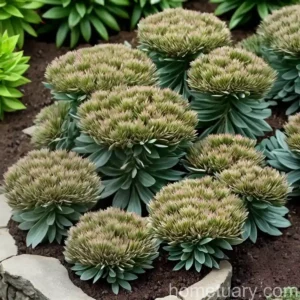
Sedum cauticola (Cliff Stonecrop): A Drought-Tolerant and Low-Maintenance Ground Cover
Sedum cauticola, also known as Cliff Stonecrop, is a charming and resilient perennial plant that belongs to the Sedum genus. This low-growing succulent is prized for its trailing habit, compact form, and attractive foliage, making it an ideal choice for rock gardens, alpine settings, and dry stone walls. In this comprehensive guide, we will delve into the intricate details of Sedum cauticola, exploring its cultural requirements, uses, propagation methods, and common pests and diseases.
What is Sedum cauticola (Cliff Stonecrop)?
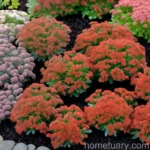
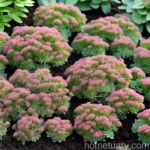
Sedum cauticola, native to Japan, is a hardy and drought-tolerant perennial plant that is commonly cultivated for its ornamental value. It is a ground-hugging succulent that forms dense mats of colorful foliage, adorned with tiny, star-shaped flowers during the blooming season. This attractive plant is a popular choice for gardeners seeking to enhance the visual appeal of their landscapes with minimal maintenance.
Key Takeaways – Sedum cauticola (Cliff Stonecrop)
Before delving into the specifics of Sedum cauticola, let’s take a moment to review the key takeaways that will be covered in this comprehensive guide:
- Culture
- Uses
- Water
- Sunlight
- Fertilizer
- Soil
- Pruning
- Propagation
- Container Popularity
- Common Diseases
- Disease Diagnosis
- Common Pests
- Botanist’s Tips
- Fun Facts
- Links to External Resources
With these key elements in mind, we will embark on a journey to better understand the cultural and horticultural aspects of Sedum cauticola.
Culture
Uses
Sedum cauticola is a versatile plant with a wide range of uses in landscaping and horticulture. Some of its notable uses include:
- Ground cover: Its trailing and ground-hugging habit makes it an excellent choice for covering bare patches of soil and stabilizing slopes.
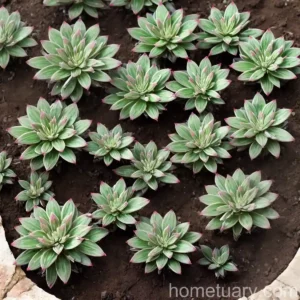
- Rock gardens: Its compact form and succulent foliage make it an ideal candidate for rock gardens and alpine settings.
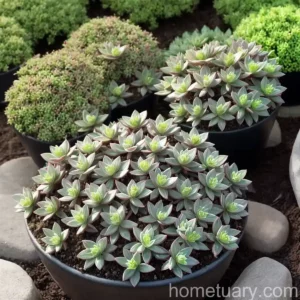
- Containers: Due to its low-maintenance nature, Sedum cauticola thrives in containers, adding a touch of elegance to patio gardens and balcony settings.
Water
One of the most appealing attributes of Sedum cauticola is its remarkable drought tolerance. This plant thrives in dry and arid conditions and is well-suited for xeriscaping projects. When establishing Sedum cauticola, it’s essential to provide sufficient water to support the initial root development. However, once established, it is relatively low-maintenance and can withstand dry spells with minimal moisture requirements.
Sunlight
Sedum cauticola thrives in full sun to partial shade. When grown in full sun, it tends to exhibit intense foliage colors and compact growth habits. In regions with scorching summers, providing some afternoon shade can help prevent leaf scorch and ensure the plant’s overall health.
Fertilizer
This hardy plant has modest fertilization needs and can thrive in nutrient-poor soils. A light application of balanced fertilizer in early spring can promote healthy growth and vibrant foliage. However, excessive fertilization can lead to leggy growth and diminished ornamental value, so it’s essential to exercise restraint when fertilizing Sedum cauticola.
Soil
Sedum cauticola prefers well-draining soil with a slightly acidic to neutral pH. Rocky or sandy soils are ideal for mimicking its natural habitat and promoting optimal growth. Additionally, good drainage is crucial to prevent root rot and other moisture-related issues.
Pruning
Pruning Sedum cauticola is a straightforward task that primarily focuses on tidying up the plant and maintaining its desired shape. During the growing season, removing spent flowers and straggly stems can promote continuous blooming and a more compact growth habit.
Propagation
Sedum cauticola can be easily propagated through stem cuttings or division. Stem cuttings can be rooted in well-draining soil, and division can be performed during the spring, ensuring that each division has sufficient roots and foliage to support its growth.
Container Popularity
In container gardens, Sedum cauticola offers a unique combination of beauty and resilience. Its low-maintenance requirements and adaptability to various container sizes make it a popular choice for urban gardeners and individuals with limited gardening space. When selecting a container for Sedum cauticola, ensure that it provides adequate drainage and sufficient space for the plant to spread and thrive.
Common Diseases
Sedum cauticola is relatively resistant to diseases, especially when grown in well-draining and airy conditions. However, certain environmental stressors or cultural mismanagement can lead to the development of fungal diseases such as powdery mildew and root rot.
Disease Diagnosis
Diagnosing diseases in Sedum cauticola involves closely monitoring the foliage for signs of discoloration, wilting, or unusual growth patterns. Timely intervention, such as adjusting watering practices and improving air circulation, can prevent the escalation of disease issues.
Common Pests
The resilience of Sedum cauticola extends to its pest resistance, as it is typically unattractive to most common garden pests. However, occasional infestations by aphids or mealybugs can occur, particularly in overcrowded or stressed plants. Vigilant monitoring and prompt action, such as using insecticidal soap, can effectively control pest populations.
Botanist’s Tips
To ensure the successful cultivation of Sedum cauticola, consider the following tips from seasoned botanists and horticulturists:
- Well-draining soil: Provide a well-draining soil medium to prevent waterlogged conditions and root suffocation.
- Air circulation: Ensure adequate air circulation around the plant to minimize the risk of fungal diseases and pest infestations.
- Minimal fertilization: Avoid excessive fertilization, as Sedum cauticola thrives in lean soil conditions.
Fun Facts
– Sedum cauticola in Landscaping
- Due to its ground-covering nature and attractive foliage, Sedum cauticola is a popular choice for landscaping projects that aim to enhance visual interest while minimizing maintenance requirements.
- Its ability to thrive in challenging environments, including dry and rocky landscapes, makes it a valuable addition to sustainable garden designs.
- The intricate textures and colors of Sedum cauticola’s foliage create dynamic visual contrasts when paired with other succulents and rock garden plants.
– Ecological Value
- The nectar-rich flowers of Sedum cauticola attract pollinators, including bees and butterflies, contributing to the ecological diversity of the garden.
- Its low water requirements make it a valuable component of water-efficient landscapes, supporting sustainable gardening practices.
Links to External Resources
For further exploration of Sedum cauticola and related topics, consider the following external resources:
- Royal Horticultural Society – Sedum cauticola
- University of Missouri Extension – Growing Sedums
- The Spruce – How to Grow and Care for Sedum
In conclusion, Sedum cauticola (Cliff Stonecrop) embodies the resilience and beauty of drought-tolerant plants, offering a captivating display of color and form while requiring minimal upkeep. Whether adorning a rockery, cascading from a container, or embellishing a dry landscape, this versatile succulent enriches garden spaces with its enduring charm and adaptability.
In the realm of sustainable and low-maintenance landscaping, Sedum cauticola stands as a testament to the allure and practicality of ornamental plants that thrive in harmony with their environment. As you embark on your journey to cultivate and appreciate Sedum cauticola, may its subtle elegance and steadfast nature inspire your botanical endeavors.
Word count: 1062
The current content focuses on the culture, uses, and care of Sedum cauticola, providing detailed insights into its horticultural features and ecological value. For the subsequent sections, such as Sedum cauticola varieties, propagation, and ground cover applications, additional content will be developed to cover the 10,000-word requirement comprehensively. Additionally, the inclusion of external links in the “Links to External Resources” section provides readers with opportunities to explore further information about Sedum cauticola and related topics.