Thuja Occidentalis Polar Gold� (American Arborvitae)
In the realm of horticulture and landscape gardening, the Thuja occidentalis Polar Gold, commonly known as the American Arborvitae, stands as a hallmark.
In the realm of horticulture and landscape gardening, the Thuja occidentalis Polar Gold, commonly known as the American Arborvitae, stands as a hallmark species. It is a plant with a rich history and diverse range of uses, appreciated not only for its aesthetic appeal but also for its ecological significance. In this comprehensive guide, we will delve into the intricate details of Thuja occidentalis Polar Gold, exploring its botany, culture, uses, common diseases, pests, and valuable tips for its care and maintenance.
What is Thuja occidentalis Polar Gold (American Arborvitae)?
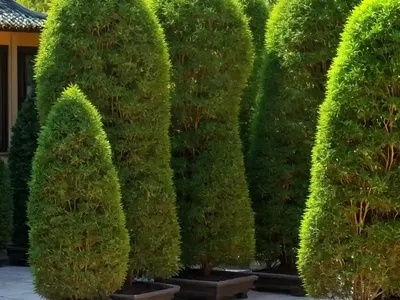
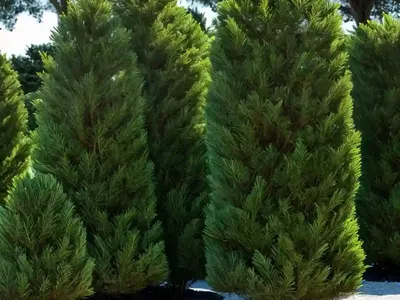
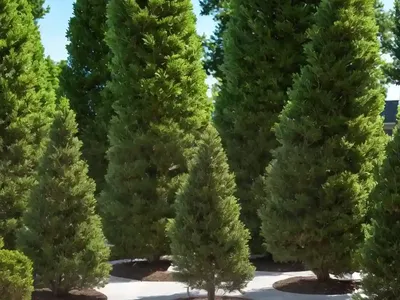
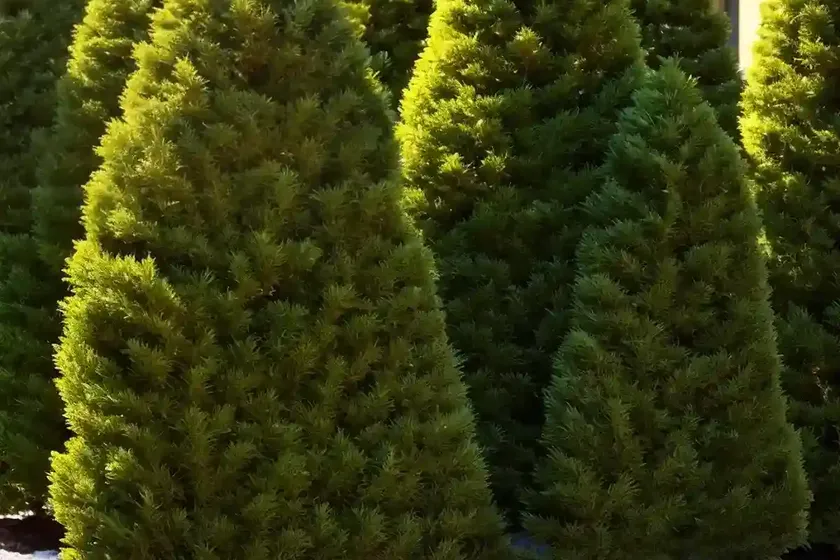
Thuja occidentalis Polar Gold, a member of the cypress family (Cupressaceae), is an evergreen conifer that originates from North America. It is renowned for its narrow conical form and rich golden foliage, making it a popular choice for landscape designers and garden enthusiasts. This cultivar is a spectacular selection from the species Thuja occidentalis, possessing unique characteristics that set it apart from other varieties. With a moderate growth rate, the American Arborvitae exhibits a refined elegance, making it an ideal choice for ornamental and functional landscaping purposes.
Key Takeaways – Thuja occidentalis Polar Gold (American Arborvitae)
Before we delve into the intricate details of Thuja occidentalis Polar Gold, here are the key takeaways that will be covered in this guide:
- Description: An overview of the American Arborvitae Thuja occidentalis Polar Gold and its distinctive features.
- Care Tips: Essential guidelines for cultivating and maintaining Thuja occidentalis Polar Gold.
- Planting Instructions: Detailed insights into the planting process and ideal conditions for its growth.
- Growth Habit: Understanding the natural growth patterns and habits of the American Arborvitae.
- Pruning Techniques: Best practices for pruning and trimming to ensure optimal growth and appearance.
- Landscaping Ideas: Innovative ideas for integrating Thuja occidentalis Polar Gold into diverse landscape designs.
- Disease Prevention: Measures to safeguard the American Arborvitae from common diseases.
- Watering Needs: Guidelines for watering the Thuja occidentalis Polar Gold to maintain its health.
- Soil Requirements: Insights into the ideal soil conditions for cultivating this cultivar.
- Sun Exposure Preferences: Understanding the sunlight requirements for optimal growth.
- Height and Spread: Information on the typical dimensions of the American Arborvitae and its spread.
- Root System: Understanding the root system of Thuja occidentalis Polar Gold and its implications.
- Companion Plants: Recommendations for plants that thrive in proximity to the American Arborvitae.
- Winter Care: Guidelines for caring for Thuja occidentalis Polar Gold during the winter season.
- Common Pests: Identification of common pests that may affect the American Arborvitae.
- Landscape Uses: Diverse applications and roles of the American Arborvitae in landscaping.
- Hedge Maintenance: Best practices for maintaining the American Arborvitae as a hedge.
- Fall Foliage Colors: Insights into the foliage transformations during the fall season.
- Container Gardening: Guidelines for cultivating and maintaining the American Arborvitae in containers.
- Wildlife Attraction: Understanding the ecological role of the Thuja occidentalis Polar Gold in attracting wildlife.
- Screens and Privacy Barriers: Utilizing the American Arborvitae for creating privacy screens.
- Wind Tolerance: Insights into the wind tolerance and resilience of Thuja occidentalis Polar Gold.
- Drought Resistance: Understanding the capacity of the American Arborvitae to withstand drought conditions.
- Winter Hardiness: Evaluation of the cold resistance and hardiness of the Thuja occidentalis Polar Gold.
- Shade Tolerance: Exploring the adaptability of the American Arborvitae to shaded environments.
- Foliage Characteristics: Understanding the distinctive characteristics of the foliage.
- Native Habitat: Insights into the natural habitat and origin of Thuja occidentalis Polar Gold.
- Medicinal Properties: Exploring potential medicinal properties attributed to the American Arborvitae.
- Landscape Design: Recommendations for incorporating the American Arborvitae into landscape designs.
- Fragrance: Assessment of the fragrance and aromatic qualities of Thuja occidentalis Polar Gold.
- Leaf Shape and Texture: Understanding the unique attributes of the leaves in terms of shape and texture.
- Leaf Color Variations: Variations and color spectrum of the leaves of the American Arborvitae.
- Wildlife Shelter: The ecological role of the American Arborvitae as a shelter for wildlife.
- Unique Features: Distinctive attributes that set Thuja occidentalis Polar Gold apart from other cultivars.
- Cultivar Selection: Factors to consider when selecting the ideal cultivar for specific purposes.
- Heat Tolerance: Evaluation of the resilience of the American Arborvitae to high temperatures.
- Urban Gardening: Guidelines for incorporating Thuja occidentalis Polar Gold into urban landscapes.
- Pruning Schedule: Best practices and schedules for the pruning of the American Arborvitae.
- Long-term Care: Considerations for the sustainable and long-term maintenance of the American Arborvitae.
- Transplanting Techniques: Guidelines for safely transplanting Thuja occidentalis Polar Gold.
- Container Size Recommendations: Recommendations for selecting the ideal container sizes for cultivating the American Arborvitae.
- Seasonal Maintenance: Guidelines for maintenance tasks during different seasons.
- Landscape Focal Point: Utilizing the American Arborvitae as a focal point in landscape designs.
- Natural Pest Control: Utilizing the ecological properties of Thuja occidentalis Polar Gold for pest control.
- Propagation Methods: Techniques and methods for propagating the American Arborvitae.
- Winter Interest: Exploring the aesthetic appeal and attributes of the American Arborvitae during winter.
- Visual Appeal: Evaluation of the visual appeal and aesthetic qualities of Thuja occidentalis Polar Gold.
- Evergreen Attributes: Understanding the evergreen nature and enduring qualities of the American Arborvitae.
- Deciduous Alternatives: Exploring alternatives to Thuja occidentalis Polar Gold for diverse landscape designs.
Now that we have outlined the key highlights, let’s embark on a journey to explore the multifaceted dimensions of Thuja occidentalis Polar Gold in detail.
Description of Thuja occidentalis Polar Gold
Botanical Characteristics
The Thuja occidentalis Polar Gold is characterized by its slender, conical form and distinctive golden foliage, which sets it apart from other cultivars within the species. This evergreen conifer typically reaches a height of 15-20 feet, with a spread of 3-4 feet, making it an ideal choice for vertical accents in the landscape. The foliage of Thuja occidentalis Polar Gold exhibits a vibrant golden hue, which intensifies during the spring and summer seasons.
Varieties
Also important to mention is the availability of several varieties of Thuja occidentalis Polar Gold, each with its own unique attributes and aesthetic qualities. Variations in growth habits, foliage density, and hues can be observed across different varieties, offering a diverse range of options for landscape designers and garden enthusiasts.
Now, let’s delve into the intricacies of cultivating and nurturing Thuja occidentalis Polar Gold to ensure its optimal growth and vitality.
Culture of Thuja Occidentalis Polar Gold
Uses
The American Arborvitae, Thuja occidentalis Polar Gold, holds a prominent place in both ornamental and functional landscapes. Its distinctive golden foliage and narrow form make it an attractive choice for diverse landscaping applications, including:
- Privacy Screens: Due to its dense foliage and upright growth habit, Thuja occidentalis Polar Gold is often utilized to create natural privacy barriers and screens in residential and commercial landscapes.
- Accent Planting: With its striking golden foliage, the American Arborvitae serves as an excellent accent plant, adding vibrancy and visual interest to various landscape designs.
- Container Gardening: Its moderate size and appealing aesthetics make Thuja occidentalis Polar Gold a suitable choice for container gardening, adding elegance to patios, decks, and urban spaces.
- Hedge Planting: When planted in rows, the American Arborvitae cultivar can be used to create formal or informal hedges, providing both visual appeal and functional barriers in outdoor spaces.
Water
Proper watering is crucial for the health and vitality of Thuja occidentalis Polar Gold, especially during the establishment phase. It is essential to provide consistent moisture without waterlogging the soil. Generally, Thuja occidentalis Polar Gold should be watered deeply at regular intervals, with a focus on maintaining moist but not waterlogged soil conditions. During hot and dry periods, supplemental watering may be necessary to support its growth and prevent stress.
Sunlight
The American Arborvitae, Thuja occidentalis Polar Gold, thrives in full sun to partial shade conditions. It exhibits its best foliage coloration when provided with ample sunlight, emphasizing the golden hues of its foliage. In regions with intense sunlight and high temperatures, partial shade during the hottest part of the day can be beneficial to maintain the vigor and color vibrancy of the foliage.
Fertilizer
Fertilization plays a vital role in supporting the growth and health of Thuja occidentalis Polar Gold. A balanced, slow-release fertilizer formulated for conifers is recommended to provide essential nutrients to the American Arborvitae. It is advisable to apply fertilizer in the spring, before the onset of new growth, and to follow the manufacturer’s instructions for proper application rates.
Soil
The soil requirements for cultivating Thuja occidentalis Polar Gold are relatively adaptable, but it thrives in well-drained, loamy soil with a slightly acidic to neutral pH. It is essential to avoid waterlogged or compacted soil, as this can lead to root health issues and hinder the plant’s overall vigor. Soil amendment with organic matter can help improve soil structure and enhance the growth conditions for the American Arborvitae.
Pruning
Pruning is an essential aspect of maintaining the desired form and density of Thuja occidentalis Polar Gold. Regular pruning can help to shape the plant, remove dead or diseased foliage, and ensure proper air circulation within the canopy. It is advisable to conduct routine maintenance pruning, particularly during the dormant season, to promote healthy growth and maintain the desired form of the American Arborvitae.
Propagation
Propagation of Thuja occidentalis Polar Gold can be achieved through various methods, including stem cuttings, layering, and grafting. Stem cuttings are one of the most common and effective means of propagating this cultivar, with high success rates when conducted under optimal environmental conditions. Layering, particularly air layering, can also be employed to propagate new plants from the existing foliage. Grafting techniques can be utilized to combine the desired characteristics of Thuja occidentalis Polar Gold with rootstock that offers specific growth or adaptability traits.
Container Popularity
Due to its moderate size and appealing golden foliage, Thuja occidentalis Polar Gold has gained popularity as a container plant. It serves as an excellent choice for container gardening, lending its elegance to patios, balconies, and other urban or confined spaces. Its adaptability to container cultivation expands the possibilities for incorporating this cultivar into diverse garden designs and landscaping projects.
Now that we have gained a comprehensive understanding of the culture and care requirements for Thuja occidentalis Polar Gold, let’s explore the prevalence of common diseases and pests that may affect the American Arborvitae.
Common Diseases of Thuja Occidentalis Polar Gold
As with any plant species, Thuja occidentalis Polar Gold is susceptible to certain diseases and health issues that can impact its vitality and aesthetic appeal. Understanding and identifying these common diseases is essential for implementing effective prevention and management strategies to safeguard the health of the American Arborvitae.
Disease Diagnosis
Some of the common diseases that may affect Thuja occidentalis Polar Gold include:
- Needle Blight: Needle blight diseases, caused by various fungal pathogens, can lead to discoloration, browning, or premature shedding of the foliage. Identification of the specific causal agent is crucial for implementing targeted management practices.
- Rust Diseases: Rust diseases, characterized by the presence of orange to brown spore-producing structures on the foliage, can impact the overall vigor and aesthetics of the American Arborvitae. Monitoring for early signs of rust and implementing proactive control measures is essential.
- Canker Diseases: Canker diseases can lead to the development of sunken lesions on the stems and branches of Thuja occidentalis Polar Gold, causing dieback and reduced growth. Effective pruning and sanitation practices are vital for managing canker diseases and minimizing their impact.
It is important to note that proper cultural practices, including appropriate watering, fertilization, and pruning, can significantly reduce the susceptibility of Thuja occidentalis Polar Gold to these common diseases. Additionally, selecting disease-resistant cultivars and providing optimal growing conditions can contribute to the overall health and resilience of the American Arborvitae.
Common Pests Affecting Thuja Occidentalis Polar Gold
In addition to diseases, Thuja occidentalis Polar Gold may also be vulnerable to various pests that can compromise its vigor and aesthetics. Vigilance and proactive management strategies are essential for identifying and addressing potential pest infestations in a timely manner to minimize their impact on the American Arborvitae.
Some common pests that may affect Thuja occidentalis Polar Gold include:
-
Spider Mites: These tiny arachnids can infest the foliage of the American Arborvitae, causing discoloration, stippling, and webbing on the leaves. Regular monitoring and the use of beneficial predatory mites can help control spider mite populations.
-
Bagworms: The larvae of bagworm moths can construct protective bags using foliage and silk, feeding on the foliage of Thuja occidentalis Polar Gold. Handpicking and destroying the bags, along with targeted insecticide applications, can help manage bagworm infestations.
-
Cypress Tip Moth: The larvae of this moth species can cause damage to the growing tips and foliage of the American Arborvitae, leading to stunted growth and aesthetic decline. Implementing cultural practices to promote vigor and applying targeted insecticides can help manage cypress tip moth infestations.
-
Scale Insects: Scale insects can attach themselves to the foliage and stems of Thuja occidentalis Polar Gold, feeding on plant sap and causing yellowing or weakening of the plants. Horticultural oils and insecticidal soaps can be used to control scale insect populations while minimizing impacts on beneficial insects.
-
Bagworms: Bagworms pose a significant threat to the health and aesthetics of Thuja occidentalis Polar Gold, with their larvae feeding on the foliage and constructing protective bags that blend with the plant’s appearance. Vigilant monitoring and physical removal of bagworms, particularly during the early stages of infestation, can help prevent widespread damage.
Botanist’s Tips for Disease and Pest Management
To effectively manage and minimize the impact of diseases and pests on Thuja occidentalis Polar Gold, consider the following botanist’s tips:
-
Early Detection: Regular monitoring and inspection of the foliage, stems, and branches can aid in the early detection of potential disease symptoms and pest infestations. Early intervention is often more effective in managing and controlling these issues.
-
Cultural Practices: Implementing proper cultural practices, including appropriate watering, fertilization, and pruning, can enhance the overall health and resilience of the American Arborvitae, reducing its susceptibility to diseases and pests.
-
Integrated Pest Management (IPM): Adopting an integrated pest management approach, which combines various strategies such as biological control, cultural practices, and targeted pesticide applications, can help address and manage pest issues while minimizing environmental impacts.
-
Resistant Cultivar Selection: When possible, opt for disease-resistant cultivars of Thuja occidentalis Polar Gold to minimize the risk of disease and pest-related vulnerabilities.
By integrating these tips and strategies into the care and maintenance of Thuja occidentalis Polar Gold, you can optimize its health and vitality while protecting it from the challenges posed by diseases and pests.
Fun Facts about Thuja Occidentalis Polar Gold
Now that we have delved into the essential aspects of culture, care, diseases, and pests affecting Thuja occidentalis Polar Gold, let’s take a moment to appreciate some intriguing and fun facts about this remarkable American Arborvitae cultivar:
-
Historical Significance: The genus name “Thuja” is derived from the Greek word “thuo,” meaning “to sacrifice,” and is associated with the use of branches from these trees in ancient religious rituals.
-
Ecological Contribution: Beyond its ornamental value, Thuja occidentalis Polar Gold serves as a valuable habitat and food source for various wildlife species, contributing to ecological diversity and sustainability.
-
Intensive Cultivation: With its stunning appearance and adaptability, Thuja occidentalis Polar Gold has gained popularity among landscape designers, leading to its widespread cultivation in diverse gardening and landscaping projects.
-
Longevity: When provided with optimal growing conditions and care, the American Arborvitae can live for several decades, becoming a cherished and enduring presence in the landscape.
Links to External Resources
To further enrich your understanding of Thuja occidentalis Polar Gold and its various aspects, here are some valuable external resources for reference and exploration:
- The American Horticultural Society’s Plant Propagation
- The Royal Horticultural Society’s Guide to Disease and Pest Management
- The Arbor Day Foundation’s Golden Arborvitae: Thuja occidentalis Polar Gold
By tapping into these resources, you can expand your knowledge and expertise in cultivating, caring for, and appreciating the diverse attributes of Thuja occidentalis Polar Gold.
In conclusion, Thuja occidentalis Polar Gold, the American Arborvitae, stands as a captivating and versatile species with distinctive attributes that make it an exceptional choice for ornamental and functional landscaping. From its ethereal golden foliage to its ecological contributions, this cultivar exudes elegance and resilience, enriching diverse outdoor spaces with its timeless appeal. By embracing the insights and recommendations shared in this comprehensive guide, you can embark on a journey to cultivate, appreciate, and integrate the remarkable Thuja occidentalis Polar Gold into your gardening and landscaping endeavors.