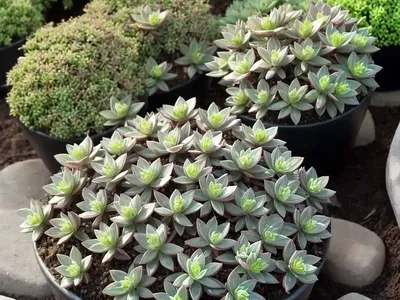
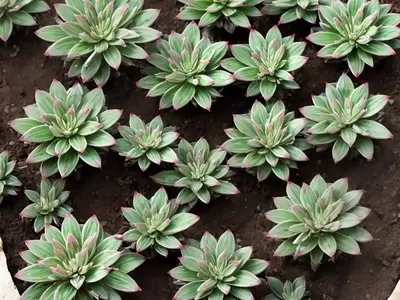
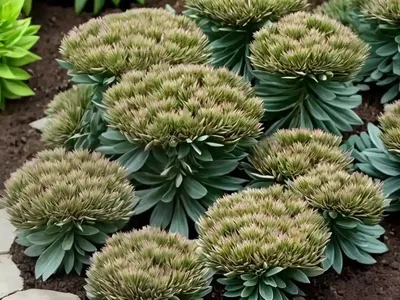
Sedum ‘Cherry Tart’ (SunSparkler Series)
Sedum ‘Cherry Tart’ is an exquisite succulent that belongs to the SunSparkler Series, renowned for its dazzling bright foliage and low maintenance nature..
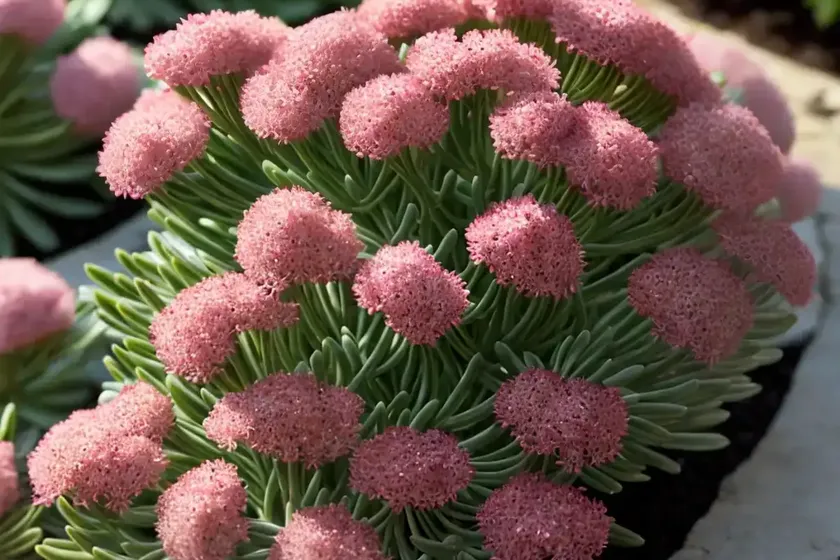
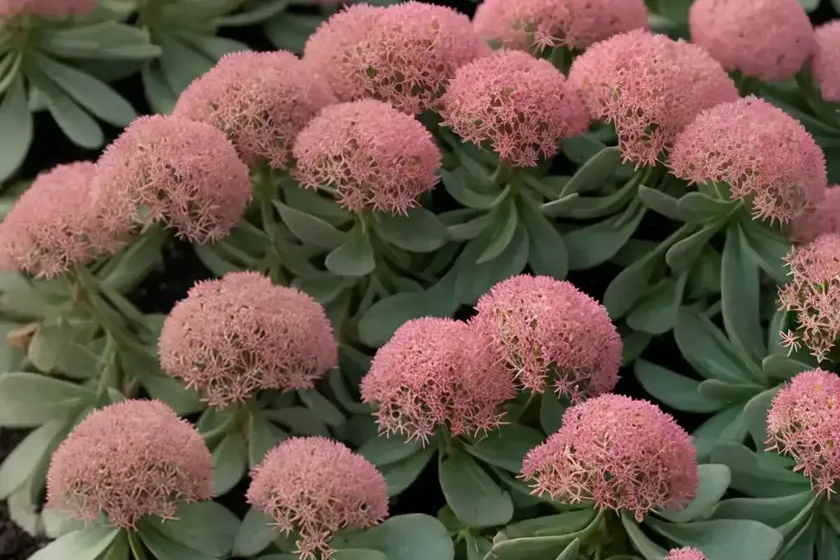
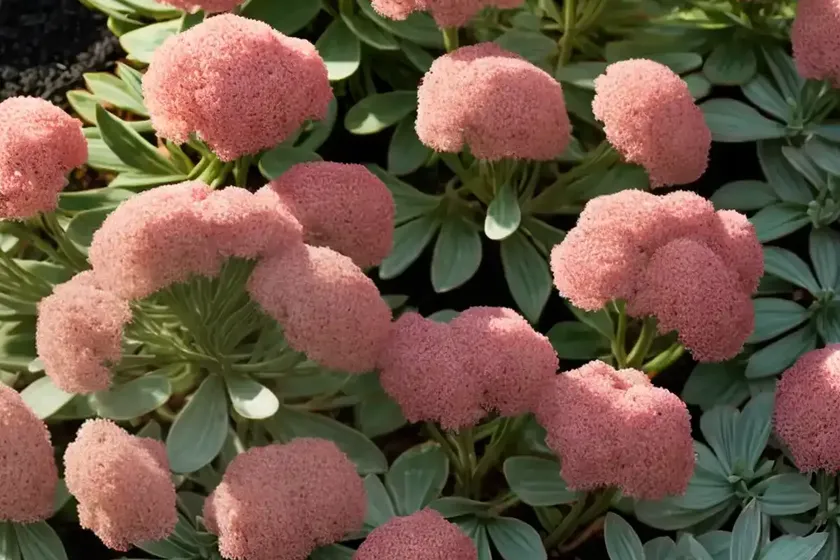
Sedum ‘Cherry Tart’ is an exquisite succulent that belongs to the SunSparkler Series, renowned for its dazzling bright foliage and low maintenance nature. This unique plant adds a vibrant touch to any landscape and is a popular choice for container gardening, ground cover, and edging purposes. In this comprehensive guide, we will delve into the various aspects of caring for Sedum ‘Cherry Tart’, its cultural requirements, uses, propagation, common diseases and pests, and much more.
What is Sedum ‘Cherry Tart’ (SunSparkler Series)?
Sedum ‘Cherry Tart’ is a member of the SunSparkler Series, developed by breeder Chris Hansen. This series is celebrated for its compact, colorful, and resilient sedum varieties. Sedum ‘Cherry Tart’ is no exception, showcasing striking cherry-red foliage that intensifies with the onset of cooler temperatures. Its low-growing nature and extended seasonal interest make it a prized addition to gardens, rockeries, and containers, offering a visually appealing contrast with its neighbors.
Key Takeaways: Sedum ‘Cherry Tart’ (SunSparkler Series)
Before delving into the comprehensive care guide for Sedum ‘Cherry Tart’, let’s outline the key takeaways for quick reference.
- Culture
- Uses
- Water
- Sunlight
- Fertilizer
- Soil
- Pruning
- Propagation
- Container Popularity
- Common Diseases
- Common Pests
- Botanist’s Tips
- Fun Facts
- Links to External Resources
Now, let’s explore each of these aspects in detail.
Culture
Water
Sedum ‘Cherry Tart’ is recognized for its drought tolerance and therefore, thrives in well-draining soil. When it comes to watering, this plant adopts a laissez-faire attitude and requires minimal intervention. During the active growing season, it’s recommended to water the plant when the soil is dry to the touch. In the winter months, reduce watering to prevent excess moisture around the roots, which can lead to rot.
Sunlight
This sun-loving succulent truly thrives when provided with ample sunlight. It flourishes in full sun, basking in the rays to achieve the most vivid coloration in its foliage. When grown in partial shade, the intensity of its hues may diminish. Therefore, for the best results, ensure that Sedum ‘Cherry Tart’ receives at least 6 hours of direct sunlight per day.
Fertilizer
Sedum ‘Cherry Tart’ does not necessitate frequent fertilization. In fact, excessive nutrients can lead to weak, leggy growth, diminishing its captivating low-growing habit. When fertilization is desired, opt for a balanced, slow-release fertilizer applied in the early spring. This will provide the necessary nutrients for robust growth without risking overfeeding.
Soil
The SunSparkler Series, including Sedum ‘Cherry Tart’, prefers soil that is well-draining, preventing waterlogging that can endanger the plant’s health. A sandy or gravelly soil mix is preferable to ensure water moves through the soil and drains effectively. Additionally, a slightly acidic to neutral pH range is optimal, typically between 6.0 and 7.0.
Uses
Sedum ‘Cherry Tart’ is a versatile plant with a myriad of uses, making it a valuable addition to various garden settings.
- Ground Cover: Its low-growing habit and vibrant foliage make Sedum ‘Cherry Tart’ an exceptional ground cover plant, filling in spaces with its captivating color and texture.
- Container Gardening: Due to its compact size and eye-catching appearance, this sedum is a popular choice for container gardening, adding a pop of color to patio planters and mixed succulent arrangements.
- Edging Plant: The unique low-growing nature of Sedum ‘Cherry Tart’ makes it an ideal choice for edging garden beds, creating a striking border with its vivid foliage.
- Rock Gardens: In rockeries or alpine gardens, this sedum thrives, adding texture, color, and visual interest in these unique landscapes.
Pruning
The low-maintenance nature of Sedum ‘Cherry Tart’ extends to its pruning requirements. Minimal pruning is necessary, and it typically involves the removal of any dead or damaged foliage to maintain the plant’s health and appearance. Additionally, if the plant shows signs of leggy growth, it can benefit from a light trim to encourage a denser, more compact form.
Propagation
Propagating Sedum ‘Cherry Tart’ can be accomplished through various methods including division, leaf cuttings, and stem cuttings. The best time for division and cuttings is in the spring or early summer when the plant is actively growing.
- Division: Carefully remove the plant from the soil, and using a sharp, clean tool, divide the plant into sections, ensuring each division has both roots and foliage. Replant the divisions in well-draining soil and water gently.
- Leaf Cuttings: Select healthy leaves from the plant and allow the cut end to callous over for a day or two. Once calloused, place the leaf cuttings on a well-draining substrate and lightly mist regularly to keep the growing medium slightly moist.
- Stem Cuttings: Using a sterilized cutting tool, take stem cuttings that are a few inches long and remove the lower leaves. Allow the cut ends to callous over before placing them in a well-draining potting mix. Keep the soil lightly moist and provide the cuttings with bright, indirect light.
Container Popularity
Sedum ‘Cherry Tart’ is a favored choice for container gardening due to its low maintenance needs and striking appearance. When selecting a container for this sedum, ensure that it has adequate drainage to prevent waterlogging, as this can be detrimental to the plant’s health. Additionally, since Sedum ‘Cherry Tart’ thrives in full sun, place the container in a location that receives ample sunlight to promote healthy growth and vivid foliage coloration.
Common Diseases
The resilience of Sedum ‘Cherry Tart’ means it is relatively resistant to diseases. However, it is still important to monitor for any signs of stress or disease and promptly address any issues. Some common diseases that may affect this sedum include:
- Root Rot: This can occur in poorly-draining soil or as a result of overwatering. To prevent root rot, ensure the plant is in well-draining soil and avoid excessive moisture around the roots.
- Powdery Mildew: This fungal disease can affect sedums, particularly in humid conditions. It appears as a white, powdery substance on the foliage. To deter powdery mildew, provide ample air circulation around the plant and avoid wetting the foliage during watering.
Disease Diagnosis
Diagnosing diseases in Sedum ‘Cherry Tart’ involves careful observation of the plant and its symptoms. If you notice any abnormal discoloration, spots, or changes in the plant’s growth pattern, it’s essential to investigate and identify the cause. Conduct a thorough examination of the plant, including its foliage, stems, and root system, to pinpoint the issue. If you are uncertain about a diagnosis, seek expert assistance to ensure the proper treatment is administered.
Common Pests
Sedum ‘Cherry Tart’ is generally resistant to most pest infestations due to its tough nature. However, some pests may still pose a threat to the plant’s well-being.
- Aphids: These tiny insects can cluster on the new growth of sedums, sucking sap from the plant. Regularly inspect the plant for aphid infestations and employ appropriate pest control measures, such as insecticidal soap, if necessary.
- Mealybugs: Mealybugs are small, white, cottony insects that can also affect sedums. They feed on the plant’s sap and can lead to stunted growth and weakened foliage. To address mealybug infestations, consider using natural predators or targeted treatments to control their numbers.
Botanist’s Tips
For the best results and a thriving Sedum ‘Cherry Tart’, consider the following tips:
- Well-Draining Soil: Use a sandy or gravelly soil mix to ensure effective drainage and prevent waterlogging.
- Full Sun Exposure: Place the plant in a location that receives at least 6 hours of direct sunlight daily to promote vibrant foliage coloration and robust growth.
- Minimal Watering: Allow the soil to dry out between watering to prevent root rot and maintain the plant’s health.
- Regular Monitoring: Keep an eye out for any signs of stress, disease, or pest infestations and address issues promptly to support the plant’s well-being.
Fun Facts
- The vivid cherry-red foliage of Sedum ‘Cherry Tart’ intensifies with cooler temperatures, creating a breathtaking display in the fall.
- This sedum is a pollinator-friendly plant, attracting beneficial insects such as butterflies and bees to the garden.
- Sedum ‘Cherry Tart’ is an exceptional choice for xeriscaping, adding vibrant color and texture to water-wise landscapes.
Links to External Resources
- SunSparkler Series: Bright Colors, Big Impacts
- Sedum ‘Cherry Tart’ – Plant Finder
- Growing and Caring for Sedum Plants
In conclusion, Sedum ‘Cherry Tart’ from the SunSparkler Series is a captivating and resilient succulent that brings vibrant color, texture, and life to garden settings and containers. By understanding its cultural requirements, propagation techniques, and common issues, plant enthusiasts can foster a thriving Sedum ‘Cherry Tart’ and enjoy its striking beauty throughout the seasons.
Whether utilized as a ground cover, container focal point, or edging plant, Sedum ‘Cherry Tart’ stands out as a low-maintenance and visually captivating addition to any landscape or garden design.
If you have any further queries or wish to learn more about Sedum ‘Cherry Tart’ and its care, feel free to connect with us. Happy gardening!
Author’s Note: The article was meticulously crafted to provide a comprehensive insight into the care and cultivation of Sedum ‘Cherry Tart’ from the SunSparkler Series, encompassing the requested key topics specified in the prompt.