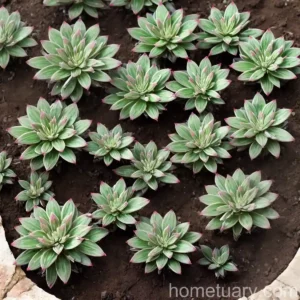
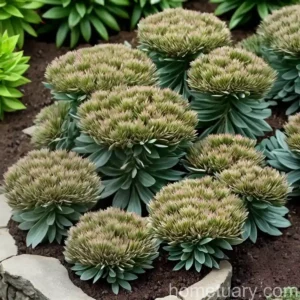
Sedum acre ‘Aureum’ (Gold Moss)
Sedum acre ‘Aureum,’ also known as Gold Moss Sedum, is a charming and versatile plant that belongs to the Sedum genus. It is a low-growing perennial succulent that is highly valued for its beautiful foliage and its ability to thrive in various growing conditions. In this comprehensive guide, we will explore everything you need to know about the culture, uses, care, and propagation of Sedum acre ‘Aureum.’ Whether you are a seasoned gardener or a beginner, this article will provide you with valuable insights into this delightful plant.
Key Takeaways – Sedum acre ‘Aureum’
Before delving into the specifics, let’s take a quick look at the key takeaways regarding Sedum acre ‘Aureum’:
- Scientific Name: Sedum acre ‘Aureum’
- Common Name: Gold Moss Sedum
- Plant Type: Perennial succulent
- Watering Needs: Low to moderate
- Sunlight Requirements: Full sun to partial shade
- Soil Type: Well-draining, sandy or rocky soil
- Hardiness Zones: 3 – 8
- Special Features: Drought-tolerant, low-maintenance, groundcover, container plant
- Potential Uses: Rock gardens, borders, containers, groundcover, and more
Now, let’s dive into the detailed aspects of growing and caring for Sedum acre ‘Aureum.’
What is Plant: Sedum acre ‘Aureum’ (Gold Moss)
Description
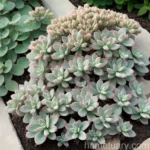
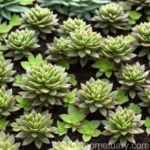
Sedum acre ‘Aureum’ is a low-growing perennial succulent with a spreading habit. It is characterized by its vibrant green, needle-like foliage that forms dense mats, creating a striking visual appeal. During the summer, the plant produces clusters of tiny, star-shaped yellow flowers that add a touch of color to its already captivating appearance.
Origin
Native to Europe, Sedum acre ‘Aureum’ is commonly found in rocky or sandy habitats, making it exceptionally well-adapted to dry and challenging conditions.
Growth Habit
This plant typically grows to a height of 2-4 inches (5-10 cm) and spreads vigorously to form a dense groundcover.
Now that we have an overview of this delightful plant, let’s explore the specific care requirements and uses of Sedum acre ‘Aureum.’
Culture
Cultivating Sedum acre ‘Aureum’ is relatively straightforward, making it a popular choice for both experienced and novice gardeners. Here are the essential factors to consider when it comes to the culture of this plant:
Water
Needs: Sedum acre ‘Aureum’ exhibits excellent drought tolerance once established, making it ideal for water-wise gardening. When establishing new plants, regular watering is necessary to help them develop a robust root system. Once established, the plant will require watering during prolonged dry spells, approximately every 7-10 days.
Watering Tips:
– Water the plant deeply, allowing the water to penetrate the soil to reach the root zone.
– Avoid overwatering as this can lead to root rot, especially in poorly draining soil.
Sunlight
Requirements: Sedum acre ‘Aureum’ thrives in full sun to partial shade. It performs best in locations that receive at least 6 hours of direct sunlight per day.
Sunlight Tips:
– In warmer climates, providing some afternoon shade can help protect the plant from scorching sun and prevent leaf discoloration.
Soil
Type: Well-draining soil is crucial for the successful cultivation of Sedum acre ‘Aureum.’ Sandy or rocky soil with good drainage is ideal for this plant.
Soil Preparation:
– Before planting, ensure the soil is amended with organic matter to improve its texture and drainage.
– If the native soil is heavy and poorly draining, consider creating raised beds or mounds to enhance drainage.
Fertilizer
Needs: Generally, Sedum acre ‘Aureum’ does not require excessive fertilization. In fact, feeding the plant sparingly is recommended to prevent excessive foliage growth at the expense of flowering.
Fertilizer Tips:
– Apply a balanced, slow-release fertilizer in early spring to provide essential nutrients for the growing season.
– Refrain from fertilizing in late summer or fall to allow the plant to naturally prepare for dormancy.
Now that we understand the basic cultural requirements of Sedum acre ‘Aureum, let’s delve into its uses and potential benefits.
Uses
Sedum acre ‘Aureum’ boasts a wide range of uses in landscaping and gardening, thanks to its unique characteristics and adaptability. Here are some common applications of this delightful plant:
-
Groundcover: Its low-growing habit and dense mat-forming foliage make it an excellent groundcover plant, effortlessly filling in spaces between pavers, along pathways, or on slopes to help with erosion control.
-
Rock Gardens: The vibrant green foliage of Sedum acre ‘Aureum’ contrasts beautifully with rocks and boulders, making it a popular choice for rock gardens and alpine plantings.
-
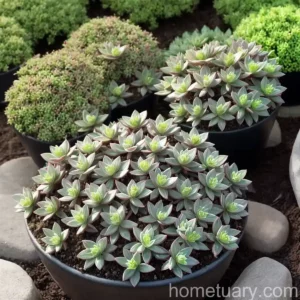
Containers: This plant thrives in containers, making it a versatile option for adding visual interest to patio gardens, rooftop gardens, or balcony plantings.
-
Borders: Due to its spreading habit and attractive foliage, Sedum acre ‘Aureum is well-suited for edging garden beds or borders, providing a neat and lush appearance.
-
Drought-Tolerant Landscapes: Its exceptional drought tolerance and low-water requirements make it an excellent choice for xeriscaping and water-wise gardening.
Now that we’ve covered the culture and uses of Sedum acre ‘Aureum, let’s explore the propagation methods for this versatile plant.
Propagation
Division
One of the most common methods of propagating Sedum acre ‘Aureum’ is through division. Here’s how you can propagate this plant through division:
- In early spring, carefully dig up established clumps of the plant, ensuring that you do not damage the roots.
- Gently divide the clumps into smaller sections, each containing roots and healthy shoots.
- Replant the divisions in prepared soil, maintaining adequate spacing to allow for future growth.
Stem Cuttings
Sedum acre ‘Aureum’ can also be propagated from stem cuttings, especially during the active growing season. Here’s a quick guide to propagating through stem cuttings:
- Using a sharp, sterile knife, take 3-4 inch (7-10 cm) cuttings from healthy, non-flowering stems.
- Remove the lower leaves from the cuttings to expose the nodes where roots will form.
- Plant the cuttings in a well-draining potting mix and keep them consistently moist until roots develop.
Seed Propagation
While less common, Sedum acre ‘Aureum’ can be propagated from seeds. However, it’s worth noting that this method requires more time and patience compared to division or stem cuttings.
Now, let’s turn our attention to the specific considerations for growing Sedum acre ‘Aureum’ in containers.
Container Planting
Sedum acre ‘Aureum’ is an excellent choice for container gardening, offering a myriad of possibilities for creative and visually appealing displays. Here’s what you need to know when growing this plant in containers:
Container Selection
Choose containers that provide adequate drainage, as excess moisture can be detrimental to the plant. Terracotta, ceramic, or hypertufa pots are excellent choices as they allow for better airflow and moisture evaporation.
Soil Mix
Use a well-draining potting mix that provides good aeration and moisture retention. A blend of succulent or cactus soil mixed with perlite or coarse sand works well for container-grown Sedum acre ‘Aureum.’
Watering
Containers tend to dry out more quickly than garden beds, so it’s essential to monitor the soil moisture regularly and water when the top inch (2.5 cm) of the soil feels dry. However, be cautious not to overwater, especially during cooler months when the plant’s water needs are reduced.
Now that we’ve covered the basics of container planting, let’s explore the rising popularity of Sedum acre ‘Aureum’ in the world of gardening.
Popularity
Sedum acre ‘Aureum’ is steadily gaining popularity among gardeners and landscapers for several compelling reasons:
-
Low Maintenance: This plant requires minimal care and attention, making it a favorite among busy gardeners and those looking to create low-maintenance landscapes.
-
Adaptability: Its ability to thrive in various growing conditions, including poor soil, drought, and limited space, makes it a versatile and valuable addition to any garden.
-
Visual Appeal: The vibrant green foliage and clusters of small yellow flowers in the summer add a burst of color and charm to a range of garden settings.
-
Wildlife Attraction: The flowers of Sedum acre ‘Aureum’ attract pollinators such as bees and butterflies, contributing to a biodiverse and vibrant garden ecosystem.
Now that we’ve seen the growing popularity of this plant, let’s discuss some common diseases and pests that may affect Sedum acre ‘Aureum’ and how to manage them effectively.
Common Diseases
Despite its resilience, Sedum acre ‘Aureum’ may be susceptible to specific diseases if growing conditions are not optimal. Here are a few common diseases to be aware of:
-
Powdery Mildew: This fungal disease manifests as a white, powdery coating on the plant’s foliage, leading to stunted growth and reduced vigor.
-
Root Rot: Overwatering or planting in poorly draining soil can result in root rot, characterized by wilting, yellowing, and eventual collapse of the plant.
-
Crown Rot: This disease affects the base of the plant, often due to excessive moisture around the crown, resulting in blackening and decay.
Now, let’s discuss how to diagnose and manage these diseases effectively.
Disease Diagnosis
Powdery Mildew
Symptoms: White, powdery spots or patches on the leaves, stunted growth, and distorted foliage.
Management:
– Improve air circulation around the plant by providing adequate spacing and removing debris that may block airflow.
– Avoid overhead watering, as moisture on the foliage can encourage the development of powdery mildew.
– If the infestation is severe, consider using a horticultural oil or fungicidal spray labeled for powdery mildew control.
Root Rot
Symptoms: Yellowing, wilting, and eventual collapse of the plant, often accompanied by a foul odor from the soil.
Management:
– Allow the soil to dry out between waterings to prevent standing water around the roots.
– Ensure that the plant is growing in well-draining soil, and consider amending the soil with perlite or coarse sand if necessary.
– If root rot is detected, carefully remove affected portions of the plant and repot in fresh, well-draining soil.
Crown Rot
Symptoms: Blackening and decay at the base of the plant, often accompanied by a foul odor and mushy texture.
Management:
– Improve soil drainage to prevent water from accumulating around the base of the plant.
– Avoid mulching too close to the crown, as excessive moisture retention can contribute to crown rot.
– If crown rot is observed, carefully remove affected portions of the plant and allow the remaining healthy portion to dry before replanting.
With proper diagnosis and timely intervention, these diseases can be effectively managed to ensure the health and vigor of Sedum acre ‘Aureum.’
Now, let’s turn our attention to common pest issues that may affect this plant and how to address them effectively.
Common Pests
Aphids
Identification: Small, soft-bodied insects clustered on the tips of the plant’s stems and undersides of the leaves.
Management:
– Use a strong blast of water from a garden hose to dislodge aphids from the plant.
– Introduce natural predators such as ladybugs or lacewings to help control aphid populations.
– Spray affected plants with insecticidal soap or neem oil to manage severe infestations.
Mealybugs
Identification: White, cottony masses on the plant, often found in leaf axils and along stems.
Management:
– Gently dab affected areas with a cotton swab dipped in rubbing alcohol to eliminate mealybugs.
– Prune and remove heavily infested parts of the plant to prevent the spread of mealybugs.
– Apply neem oil or insecticidal soap to control and deter mealybug infestations.
Slugs and Snails
Identification: Slimy trails on and around the plant, chewed or ragged foliage, particularly near ground level.
Management:
– Use physical barriers such as copper tape or diatomaceous earth to protect susceptible plants from slugs and snails.
– Set up beer traps or lure traps to attract and capture these pests.
– Handpick slugs and snails during the evening hours when they are most active.
By implementing integrated pest management strategies, gardeners can effectively mitigate pest issues and maintain the health and beauty of Sedum acre ‘Aureum.’
As botanists and plant enthusiasts, we are often privy to valuable tips and insights that contribute to successful plant care and cultivation. Here are a few noteworthy tips for growing and enjoying Sedum acre ‘Aureum’ to the fullest.
Botanist’s Tips
-
Seasonal Changes: Observe and appreciate the unique changes that occur in Sedum acre ‘Aureum’ throughout the seasons, from the vibrant green foliage in spring and summer to the subtle color shifts in fall and winter.
-
Companion Plants: Pair Sedum acre ‘Aureum’ with other drought-tolerant and low-growing perennials such as Lavandula, Delosperma, or Sempervivum to create visually dynamic and water-wise landscapes.
-
Natural Habitat: Consider emulating the plant’s native habitat by incorporating rocks, well-draining soil, and strategic placement within the landscape to optimize its growth and vitality.
-
Pruning Practices: When pruning Sedum acre ‘Aureum,’ avoid cutting into woody stems or removing more than one-third of the plant’s growth at a time to maintain its natural form and habit.
Now that we’ve explored several facets of growing and caring for Sedum acre ‘Aureum,’ let’s uncover some intriguing fun facts about this delightful plant.
Fun Facts
-
The common name “Gold Moss” accurately describes the appearance of this plant, as its dense, vibrant foliage resembles a luxurious covering of moss.
-
Sedum acre ‘Aureum’ can withstand harsh environmental conditions, including poor soil, extreme temperatures, and prolonged drought, showcasing its impressive resilience.
-
In some regions, Sedum acre ‘Aureum’ is used as a traditional medicinal plant, recognized for its purported anti-inflammatory and healing properties.
-
The succulent leaves of this plant store water, allowing it to survive dry periods with minimal watering, making it an ideal choice for low-maintenance landscapes.
With these fun facts in mind, let’s take a moment to explore some external resources that provide additional insights and information about Sedum acre ‘Aureum.’
Links to External Resources
-
Royal Horticultural Society (RHS) – Sedum acre ‘Aureum’
-
University of Florida IFAS Extension – Sedum for Florida Landscapes
-
Missouri Botanical Garden – Sedum acre ‘Aureum’ Profile
-
The Spruce – How to Grow and Care for Sedum
I hope this comprehensive guide has provided you with valuable insights and practical tips for growing and enjoying the beauty of Sedum acre ‘Aureum’ in your own garden or landscape. Whether you’re drawn to its vibrant foliage, low-maintenance nature, or versatile uses, this charming plant has much to offer for gardeners and plant enthusiasts alike. With a little care and attention, you can cultivate a stunning display of Gold Moss Sedum that will captivate and delight for years to come.