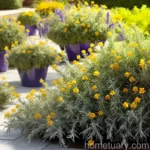
Salvia horminum ‘Blue Monday’ (Annual Sage): A Complete Guide
Salvia horminum ‘Blue Monday’, commonly known as Annual Sage, is a stunning and vibrant addition to any garden or landscape. This beautiful annual plant is cherished for its striking blue flowers and its ease of maintenance, making it a popular choice among gardeners and horticulturists. In this comprehensive guide, we will delve into the various aspects of Salvia horminum ‘Blue Monday’, from its cultural requirements to its uses and maintenance tips.
What is Salvia horminum ‘Blue Monday’ (Annual Sage)?
Salvia horminum ‘Blue Monday’ is a member of the mint family, Lamiaceae, and is native to Mediterranean regions. It is characterized by its profusion of beautiful blue flowers that bloom in abundance, creating a visually captivating display. This annual plant is known for its compact habit and can reach a height of around 12-24 inches, making it a perfect choice for borders, containers, and mixed planting schemes.
One of the most distinctive features of Salvia horminum ‘Blue Monday’ is its attractive foliage, which exhibits a range of shades from light green to deep purple, adding to its ornamental value. The plant’s unique color variations and striking floral display make it an excellent choice for those seeking to add a pop of color and visual interest to their outdoor spaces.
Key Takeaways – Salvia horminum ‘Blue Monday’ (Annual Sage)
Before delving into the specific details of Salvia horminum ‘Blue Monday’, let’s take a look at the key takeaways that will be covered in this guide:
- Salvia horminum ‘Blue Monday’ is a variety of Annual Sage renowned for its vibrant blue flowers and attractive foliage.
- Understanding the cultural requirements, including water, sunlight, fertilizer, and soil preferences, is essential for successful cultivation.
- The plant has various uses, from being a beautiful ornamental addition to having medicinal and culinary applications.
- Maintenance practices such as pruning and propagation techniques are crucial for the plant’s overall health and longevity.
- Identifying and addressing common diseases and pests that may affect Salvia horminum ‘Blue Monday’ is important for its wellbeing.
- Insights into the fun and interesting facts about this plant will provide a deeper understanding and appreciation for its characteristics.
Now that we have an overview of the key topics we will explore, let’s jump into the detailed aspects of Salvia horminum ‘Blue Monday’ and gain a comprehensive understanding of this captivating annual plant.
Culture
Cultivating Salvia horminum ‘Blue Monday’ successfully requires an understanding of its cultural requirements, including water, sunlight, fertilizer, soil, and pruning. Each of these elements plays a crucial role in the overall health and vitality of the plant, influencing its growth, flowering habits, and resilience.
1. Water
Understanding the water requirements of Salvia horminum ‘Blue Monday’ is essential for maintaining optimal growth and flowering. While the plant demonstrates a degree of drought tolerance once established, it thrives best in moderately moist, well-draining soil. It is important to avoid overwatering, as excessive moisture can lead to root rot and other fungal issues. During the growing season, it is advisable to water the plant when the soil feels dry to the touch, ensuring that it does not remain saturated for prolonged periods.
2. Sunlight
Salvia horminum ‘Blue Monday’ flourishes in full sunlight, making it ideal for gardens and landscapes that receive ample direct sunlight throughout the day. Adequate sun exposure is crucial for promoting robust flowering and enhancing the plant’s overall vigor. In regions with intense heat, providing some partial shade during the hottest part of the day can prevent the plant from becoming stressed and help prolong the longevity of its blooms.
3. Fertilizer
To support healthy growth and prolific flowering, providing a balanced and water-soluble fertilizer can be beneficial for Salvia horminum ‘Blue Monday’. A general-purpose fertilizer with balanced NPK (nitrogen, phosphorus, and potassium) ratios can be applied during the growing season, following the manufacturer’s recommended dilution and application instructions. It is important to avoid excessive fertilization, as this can lead to an abundance of foliage at the expense of flowers.
4. Soil
Salvia horminum ‘Blue Monday’ thrives in well-drained soil with a slightly alkaline to neutral pH range. Amending the soil with organic matter such as compost or well-rotted manure can improve its texture and fertility, providing an optimal growing medium for the plant. Additionally, ensuring adequate soil drainage can prevent waterlogging and mitigate the risk of root diseases. While the plant can tolerate various soil types, it performs best in moderately fertile, loamy soils.
5. Pruning
Pruning plays a vital role in maintaining the compact and tidy growth habit of Salvia horminum ‘Blue Monday’ while encouraging continuous flowering. Deadheading spent blooms can promote the development of new flowers and prevent the plant from expending energy on seed production. Additionally, removing leggy or spent stems can help maintain an attractive appearance and prevent the plant from becoming overcrowded. Pruning can be performed throughout the growing season as needed to shape the plant and encourage a bushier growth habit.
Uses
Salvia horminum ‘Blue Monday’ possesses a diverse range of uses, making it a versatile and valuable addition to gardens, landscapes, and even herbal and culinary applications. Understanding the various uses of this plant allows for its integration into different settings, providing aesthetic appeal, medicinal benefits, and practical uses.
1. Ornamental Use
As an ornamental plant, Salvia horminum ‘Blue Monday’ excels in adding vibrant color and visual interest to gardens, borders, and containers. Its striking blue flowers and contrasting foliage make it a popular choice for those seeking to create eye-catching floral displays. The plant’s versatility extends to mixed planting schemes, where it can be combined with other annuals, perennials, or shrubs to create harmonious and dynamic landscapes. Additionally, its attractiveness to pollinators such as bees and butterflies enhances its ecological value as a garden plant.
2. Medicinal Applications
Salvia horminum ‘Blue Monday’ has a history of traditional medicinal use, with some cultures utilizing its properties for various health remedies. While the plant’s medicinal applications may vary, it is important to consult reliable sources or healthcare professionals before using it for medicinal purposes. Due to its potential medicinal properties, it is important to exercise caution and ensure proper understanding before integrating it into any healthcare regimen.
3. Culinary Use
In some instances, the flowers of Salvia horminum ‘Blue Monday’ are used as an edible garnish or ingredient in culinary creations. With their striking blue color and mild flavor, the blossoms can add a unique touch to salads, desserts, or beverages. When considering culinary uses, it is important to ensure that the plant has been organically grown and that no pesticides or harmful chemicals have been used on it. Additionally, exercising caution with any new food product is advisable, particularly for individuals with allergies or sensitivities.
Propagation
Understanding the propagation methods for Salvia horminum ‘Blue Monday’ enables gardeners to expand their plantings and share the beauty of this annual sage with others. Propagation can be achieved through several approaches, including seed propagation and division, each offering its own unique benefits and considerations.
1. Seed Propagation
Propagating Salvia horminum ‘Blue Monday’ from seeds is a straightforward and reliable method for obtaining new plants. The plant produces small, spherical seeds that can be harvested once the flower heads have dried and turned brown. To propagate from seeds, sow them into well-prepared seed beds or containers filled with a light, well-draining seed-starting mix. Lightly cover the seeds with a thin layer of soil and ensure consistent moisture until germination occurs. Seed propagation is an excellent way to produce a large number of plants, making it suitable for mass plantings or sharing with other gardening enthusiasts.
2. Division
In some cases, Salvia horminum ‘Blue Monday’ can be propagated through division, particularly if the plant has developed multiple crowns or offsets. Dividing the plant into smaller sections with viable root systems allows for the creation of new individual plants. This method can be particularly useful for rejuvenating older specimens or managing overgrown clumps. It is important to ensure that each divided section has sufficient roots and foliage to support its growth when replanted.
Container Popularity
Salvia horminum ‘Blue Monday’ is well-suited for container gardening, offering a compact and colorful addition to outdoor spaces. The plant’s popularity in container gardening is attributed to its manageable size, vibrant flowers, and ornamental foliage, making it an ideal choice for patios, balconies, or small gardens.
1. Container Selection
When selecting a container for Salvia horminum ‘Blue Monday’, opt for a pot or planter with adequate drainage holes to prevent waterlogging. Consider the size of the plant and its growth habit when choosing the container, ensuring that it provides ample space for root development. Additionally, selecting a visually appealing container can enhance the overall aesthetic appeal when displaying the plant in outdoor settings.
2. Soil Mix
Utilizing a well-draining potting mix specifically formulated for container plants can provide an optimal growing medium for Salvia horminum ‘Blue Monday’. A lightweight, peat-based mix enriched with perlite or vermiculite can facilitate good drainage and aeration, promoting healthy root growth within the confined space of the container. It is important to ensure that the soil mix provides adequate support for the plant while allowing excess moisture to drain effectively.
3. Maintenance
Container-grown Salvia horminum ‘Blue Monday’ may require more frequent watering than their in-ground counterparts, as the limited soil volume can lead to quicker drying of the potting mix. Monitoring the soil moisture and providing regular watering as needed is crucial for sustaining healthy growth and flowering. Additionally, periodic fertilization can help replenish nutrients that may become depleted in container environments, supporting the plant’s vigor and vitality.
Common Diseases
As with any plant, Salvia horminum ‘Blue Monday’ is susceptible to certain diseases that can affect its health and appearance. Identifying common diseases and understanding their causes can aid in implementing preventive measures and timely interventions to mitigate their impact.
1. Powdery Mildew
Powdery mildew is a fungal disease that can afflict Salvia horminum ‘Blue Monday’, particularly in conditions of high humidity and poor air circulation. The disease presents as a powdery white coating on the leaves and stems, often leading to stunted growth and reduced flowering. To prevent powdery mildew, ensure proper spacing between plants to promote air circulation, and avoid overhead watering that can create damp conditions favoring fungal growth. Fungicidal sprays or treatments may be employed as a preventive or curative measure in severe cases.
2. Root Rot
Excessive soil moisture or poorly drained conditions can predispose Salvia horminum ‘Blue Monday’ to root rot, a condition caused by various fungal pathogens. Symptoms of root rot include yellowing or wilting foliage, as well as a general decline in the plant’s overall health. To prevent root rot, it is crucial to ensure well-draining soil and avoid overwatering. Additionally, selecting suitable planting sites with good drainage properties can help minimize the risk of root rot development.
3. Botrytis Blight
Botrytis blight, also known as gray mold, is a fungal disease that can affect the flowers and foliage of Salvia horminum ‘Blue Monday’, causing a grayish mold to develop on the affected plant parts. The disease thrives in moist conditions and can spread rapidly, particularly in crowded or congested plantings. To prevent botrytis blight, maintain proper spacing between plants to promote air circulation and promptly remove any infected plant material. Ensuring dry and well-ventilated growing conditions can inhibit the development and spread of the disease.
Disease Diagnosis
Diagnosing diseases in Salvia horminum ‘Blue Monday’ involves observing the plant for any deviations from its normal growth and appearance, as well as recognizing specific symptoms associated with common diseases that affect the plant. Early detection and accurate diagnosis are crucial for implementing targeted interventions and preventing the spread of diseases to other plants within the vicinity.
1. Visual Symptoms
Observing the plant for visual symptoms such as discolored foliage, unusual growth patterns, or the presence of powdery coatings can provide valuable cues for diagnosing diseases. Pay attention to any signs of wilting, yellowing, or necrosis on the leaves, as well as the development of mold or mildew on the plant’s surface. Additionally, inspect the roots for any signs of rot, discoloration, or decay that may indicate the presence of root diseases.
2. Environmental Conditions
Consider the prevailing environmental conditions when diagnosing diseases in Salvia horminum ‘Blue Monday’. Factors such as excessive moisture, poor air circulation, and high humidity levels can contribute to the development of fungal diseases and should be taken into account when assessing the plant’s health. Understanding the plant’s cultural requirements and ensuring optimal growing conditions can help prevent the onset of diseases associated with unfavorable environmental parameters.
3. Laboratory Analysis
In cases where visual symptoms are inconclusive or the nature of the disease is uncertain, obtaining professional laboratory analysis or diagnostic assistance can provide valuable insights into the specific pathogens or causal agents affecting the plant. Submitting samples of infected plant material to a reputable diagnostic laboratory can aid in identifying the underlying causes of diseases and formulating targeted management strategies.
Common Pests
In addition to diseases, Salvia horminum ‘Blue Monday’ may also encounter various pests that can pose a threat to its health and vitality. Identifying common pests and understanding their behaviors is essential for implementing effective pest management strategies to protect the plant from infestations.
1. Aphids
Aphids are small, soft-bodied insects that can cluster on the foliage and stems of Salvia horminum ‘Blue Monday’, feeding on plant sap and causing distortion or curling of the leaves. These pests can reproduce rapidly and may establish large colonies if left unchecked, potentially leading to widespread damage. To control aphids, physical removal by spraying plants with a strong stream of water or applying insecticidal soaps can help reduce their populations. Additionally, introducing natural predators such as ladybugs or lacewings can aid in controlling aphid infestations.
2. Spider Mites
Spider mites are tiny arachnids that can infest Salvia horminum ‘Blue Monday’, causing stippled or discolored foliage as a result of their feeding activities. These pests thrive in hot and dry conditions, making them particularly problematic in warm climates. To mitigate spider mite infestations, ensuring adequate humidity levels and regularly irrigating the plant to create a less favorable environment for the pests can be beneficial. Additionally, horticultural oils or insecticidal sprays can be utilized to manage spider mite populations.
3. Whiteflies
Whiteflies are small, winged insects that can congregate on the undersides of leaves and feed on the sap of Salvia horminum ‘Blue Monday’, leading to weakened and discolored foliage. These pests can also produce honeydew, attracting sooty mold and further compromising the plant’s health. Implementing yellow sticky traps can help monitor and reduce whitefly populations, while the introduction of natural predators such as parasitic wasps can provide biological control of whiteflies in garden settings.
Botanist’s Tips
Gaining insights from experienced botanists and horticulturists can offer valuable tips and recommendations for successfully cultivating Salvia horminum ‘Blue Monday’ and optimizing its overall performance in garden and landscape settings. Let’s explore some expert tips that can enhance the growing experience and long-term well-being of this stunning annual sage.
1. Selecting Ideal Planting Sites
When selecting planting sites for Salvia horminum ‘Blue Monday’, choose locations that receive abundant sunlight and offer well-drained soil conditions. Avoid areas with stagnant water or poor air circulation to prevent the onset of diseases and pests. Additionally, consider the plant’s growth habit and mature size when determining suitable locations to ensure it has ample space to thrive without becoming overcrowded.
2. Monitoring Soil Moisture
Maintaining an optimal balance of soil moisture is crucial for the health and vitality of Salvia horminum ‘Blue Monday’. Regularly monitoring the soil moisture and adjusting watering practices based on environmental conditions can prevent issues related to overwatering or drought stress. Consider utilizing mulch around the base of the plant to conserve soil moisture and regulate temperature fluctuations in the root zone.
3. Supporting Pollinators
Salvia horminum ‘Blue Monday’ exhibits attractive qualities that make it highly appealing to pollinators such as bees, butterflies, and other beneficial insects. Creating pollinator-friendly habitats by incorporating a diverse range of flowering plants in proximity to Salvia horminum ‘Blue Monday’ can enhance biodiversity and contribute to the overall ecological balance in garden landscapes. Supporting pollinators through mindful planting choices promotes a healthy and vibrant garden ecosystem.
4. Regular Maintenance
Engaging in regular maintenance practices such as deadheading spent blooms, inspecting for pests and diseases, and providing necessary fertilization can support the long-term health and flowering performance of Salvia horminum ‘Blue Monday’. Establishing a routine for pruning, cleaning, and monitoring the plant’s overall condition can help address issues promptly and maintain its ornamental value throughout the growing season.
Fun Facts
Exploring fun and interesting facts about Salvia horminum ‘Blue Monday’ offers an engaging perspective on the unique characteristics and attributes of this captivating plant. From historical anecdotes to fascinating botanical trivia, these fun facts provide a deeper appreciation for the plant’s cultural significance and ornamental appeal.
1. Historical Significance
Salvia horminum ‘Blue Monday’ has historical significance as a traditional ornamental plant cultivated for its stunning blue flowers and ornamental foliage. The plant’s presence in gardens and landscapes can be traced back through various horticultural and botanical records, highlighting its enduring popularity and cultural value.
2. Ecological Contribution
The vibrant flowers of Salvia horminum ‘Blue Monday’ serve as valuable nectar sources for pollinators, contributing to the ecological balance of garden ecosystems. By attracting bees, butterflies, and other pollinating insects, the plant plays a role in supporting biodiversity and promoting conservation efforts through its ecological contribution.
3. Color Variations
Salvia horminum ‘Blue Monday’ exhibits a range of color variations within its flowers, including hues of blue, violet, and purple. The unique color palette of the plant’s blossoms contributes to its visual appeal and ornamental value, making it a sought-after choice for adding splashes of color to garden landscapes.
4. Botanical Diversity
The diverse range of Salvia horminum varieties, including ‘Blue Monday’, reflects the rich botanical diversity within the Salvia genus. Each variety offers unique characteristics and floral displays, contributing to the overall allure and desirability of these ornamental plants in horticulture and gardening.
5. Adaptability and Resilience
Salvia horminum ‘Blue Monday’ demonstrates adaptability and resilience, thriving in a variety of climates and soil conditions. Its ability to flourish in diverse environments makes it a versatile and robust addition to garden landscapes, allowing for widespread cultivation and enjoyment by gardeners and plant enthusiasts.
Links to External Resources
For additional information and in-depth resources on Salvia horminum ‘Blue Monday’ and related