Sea Squill (Drimia Maritima): A Fascinating Plant of Coastal Regions
Sea Squill, scientifically known as Drimia maritima, is a captivating perennial plant that thrives in coastal regions and stands out due to its distinctive characteristics and traditional uses. This intriguing plant has garnered attention due to its unique adaptations, ecological significance, and ethnobotanical uses. In this comprehensive guide, we will delve into the world of Sea Squill, exploring its features, cultivation techniques, medicinal properties, and ecological role.
What is Sea Squill (Drimia Maritima)?
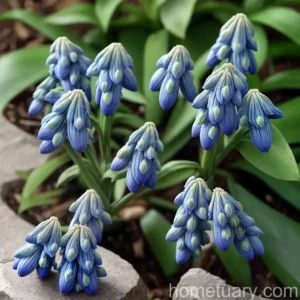
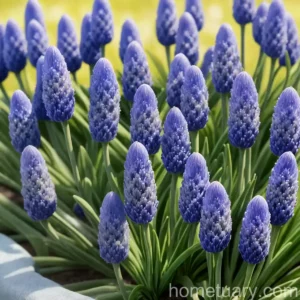
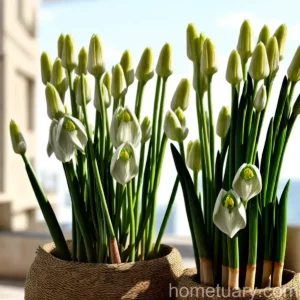
Sea Squill, also referred to as Urginea maritima, is a species of flowering plant in the family Asparagaceae. It is native to coastal regions of the Mediterranean, thriving in the sandy soils and maritime climates of these areas. This plant is characterized by its bulbous underground structure, long strappy leaves, and tall flowering stalks that bear clusters of small, star-shaped flowers. Sea Squill holds cultural significance in traditional medicine and has been used for various purposes for centuries.
Key Takeaways – Sea Squill (Drimia Maritima)
Before we delve into the specifics of Sea Squill, let’s take a look at some key takeaways about this unique plant.
- Botanical Name: Drimia maritima
- Common Names: Sea Squill, Urginea maritima
- Growth Habit: Perennial
- Habitat: Coastal regions, sandy soils
- Uses: Medicinal, ornamental
- Adaptations: Drought-tolerant, salt-tolerant
- Conservation Status: Not listed as endangered
- Cultural Significance: Traditional medicine, folklore
Now that we have a brief overview, let’s dive into the details of cultivating and caring for Sea Squill, exploring its uses and ecological importance.
Culture
Uses
Sea Squill holds significance in various domains, ranging from traditional medicine to ornamental horticulture. Its bulb and leaves contain bioactive compounds that have been utilized for medicinal purposes, while its striking appearance makes it a desirable addition to coastal gardens and landscaping projects.
- Medicinal Uses: Sea Squill has been employed in traditional medicine for treating respiratory conditions, heart conditions, and as a vermifuge. However, it is important to note that improper use of this plant can be toxic.
- Ornamental Uses: The aesthetic appeal of Sea Squill, with its tall flower spikes and broad leaves, makes it a popular choice for coastal gardens, rock gardens, and drought-tolerant landscaping projects.
Water
Sea Squill is well-adapted to coastal environments, exhibiting tolerance to salt spray and periods of drought. When cultivating Sea Squill, it is important to mimic these natural conditions by providing well-draining soil and avoiding overwatering. In coastal regions, the plant often receives occasional moisture from sea mists, and replicating this pattern can contribute to its success in cultivation.
- Watering Frequency: During the active growth period, provide moderate watering, allowing the soil to dry slightly between waterings. During the plant’s dormant phase, reduce watering to prevent rotting of the bulb.
Sunlight
As a plant indigenous to coastal regions, Sea Squill thrives in full sun to partial shade. When grown in containers or gardens, it is essential to provide the plant with adequate sunlight to support healthy growth and flowering.
- Light Requirements: Place Sea Squill in a location where it receives at least 6 hours of sunlight per day. In particularly hot climates, some afternoon shade may be beneficial to prevent leaf scorch.
Fertilizer
Sea Squill is not heavy feeder and can thrive in nutrient-poor soils, typical of coastal environments. However, a balanced fertilizer application during the growing season can support its vigor and flowering performance.
- Fertilizer Type: Use a general-purpose, balanced fertilizer, applying it at half strength every 6-8 weeks during the active growing season. Avoid excessive nitrogen, as it can lead to lush foliage at the expense of flowering.
Soil
The soil requirements of Sea Squill are closely aligned with its natural habitat, necessitating well-draining, sandy or gravelly soils. These conditions mimic the native coastal environment, supporting healthy root development and preventing moisture-related issues.
- Soil Composition: Use a well-draining potting mix with a sandy or gravelly texture. Alternatively, in garden settings, amend the soil with coarse sand and organic matter to improve drainage.
Pruning
Pruning Sea Squill is relatively minimal, centering on the removal of spent flower stalks and any discolored or damaged leaves. This practice helps maintain the plant’s tidiness and encourages energy allocation towards bulb development.
- Pruning Technique: Snip off the flower stalks at the base once the blooms have faded. Trim back yellowing or damaged leaves to improve the overall appearance of the plant.
Propagation
The propagation of Sea Squill can be achieved through offsets produced by mature bulbs or from seed, although the latter method requires patience due to the plant’s slow growth to maturity from seed.
- Offset Division: Divide mature bulbs during the dormant season, ensuring each division retains a portion of the basal plate and surrounding scales.
- Seed Propagation: Sow seeds in a well-draining mix, maintaining consistent moisture and warmth. Seedlings may take several years to reach maturity and initiate flowering.
Container Popularity
The resilience and ornamental value of Sea Squill make it a popular choice for container gardening, particularly in coastal and Mediterranean-inspired landscapes. Its ability to thrive in confined spaces while adding visual interest to patios and balconies contributes to its appeal among container gardening enthusiasts.
- Container Size: Select a container with ample drainage holes, providing enough room for the bulb to expand neath the soil. A depth of at least 10 inches is recommended for accommodating the plant’s long roots.
- Container Mix: Use a well-draining potting mix designed for cacti and succulents, or create a custom mix using coarse sand, perlite, and a small amount of organic matter.
Common Diseases
While Sea Squill is relatively resistant to pests and diseases, it may be susceptible to certain issues, particularly when grown in overly moist conditions or in poorly aerated soils.
Disease Diagnosis
Identifying and addressing diseases in Sea Squill is important for maintaining its health and vigor. Common diseases that may affect this plant include fungal infections, particularly those related to excessive moisture and poor air circulation.
- Symptoms of Fungal Infections: Look for signs of leaf spots, soft rot, or wilting, which may indicate fungal issues. If the bulbs are affected, they may appear waterlogged and exhibit signs of decay.
Common Pests
Sea Squill is not typically troubled by a high prevalence of pests, owing to its toxic and unpalatable nature, although certain insects may pose a threat under specific conditions.
- Potential Pests: Watch for signs of aphids, thrips, or spider mites, particularly if the plant is under stress or growing in a sheltered location with limited airflow.
Botanist’s Tips
As a botanist specializing in coastal flora and traditional plant uses, I have compiled some essential tips for cultivating and appreciating Sea Squill.
- Coastal Adaptations: Understand the natural habitat of Sea Squill and aim to replicate these conditions in your cultivation practices, including well-draining soils, periodic drought, and exposure to sunlight and salt spray.
- Medicinal Considerations: While Sea Squill has a history of medicinal uses, it is important to exercise caution due to its toxic components. Consult reputable sources or healthcare professionals before using this plant for any medicinal purposes.
- Ornamental Uses: Explore the diverse ornamental uses of Sea Squill, from container gardening to coastal landscaping, and appreciate its architectural form and resilience in challenging environments.
Fun Facts
To round off our exploration of Sea Squill, here are some intriguing and lesser-known facts about this enigmatic plant.
- In addition to its traditional medicinal uses, Sea Squill has been employed as a rat poison in certain cultures due to its toxic properties.
- The flowering stalks of Sea Squill can reach impressive heights, often standing out amidst coastal vegetation due to their towering presence.
- Some species of hawk moths are known pollinators of Sea Squill, relying on their extended proboscis to access the nectar within the plant’s flowers.
Links to External Resources
For further information on Sea Squill and related topics, consider exploring the following resources:
- Royal Botanic Gardens, Kew – Drimia maritima
- The Poison Garden – Sea Squill
- Mediterranean Garden Society – Urginea maritima
- Encyclopedia of Life – Drimia maritima
- Flora of Israel Online – Drimia maritima
- CABI Invasive Species Compendium – Drimia maritima
In conclusion, the Sea Squill (Drimia maritima) stands as a captivating plant with a rich tapestry of cultural, ecological, and horticultural significance. Whether admired for its striking appearance in coastal landscapes or respected for its traditional uses in various cultures, this plant invites us to explore the intricate connections between flora and human societies, while flourishing in some of the most rugged and unforgiving environments.
References:
– Royal Botanic Gardens, Kew. (n.d.). Drimia maritima. Kew. https://www.kew.org/science/our-science/people-and-partnerships/plant-family-summaries/hyacinthaceae/drimia-maritima
– The Poison Garden. (n.d.). Sea Squill. http://www.thepoisongarden.co.uk/atoz/drimia_maritima.htm
– Mediterranean Garden Society. (n.d.). Urginea maritima. https://www.mediterraneangardensociety.org/plants/Urginea.maritima.html
– Encyclopedia of Life. (n.d.). Drimia maritima. https://eol.org/pages/5435786
– Flora of Israel Online. (n.d.). Drimia maritima. https://flora.org.il/en/plants/drimar/
– CABI. (n.d.). Drimia maritima. Invasive Species Compendium. https://www.cabi.org/isc/datasheet/20339