Agave Vilmoriniana ‘Stained Glass’ (Octopus Agave)
Agave vilmoriniana ‘Stained Glass’ (also known as the Octopus Agave or Stained Glass Agave) is a stunning succulent that captivates with its striking.
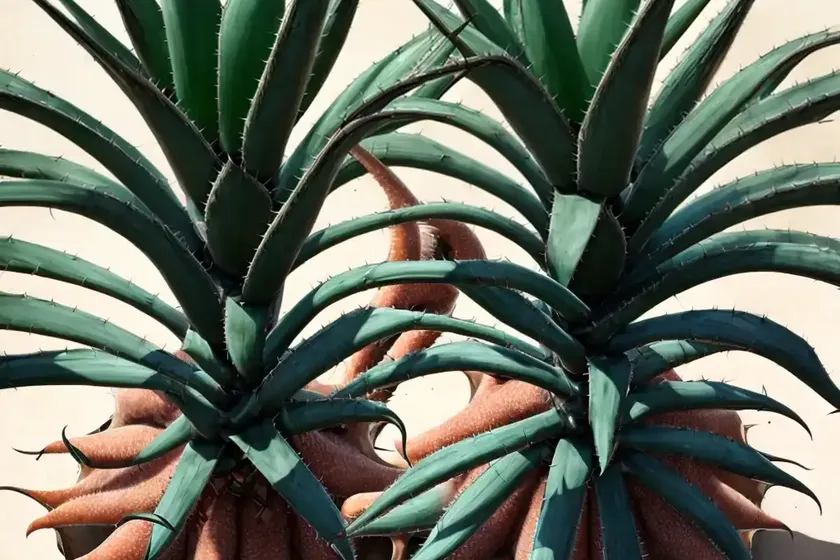
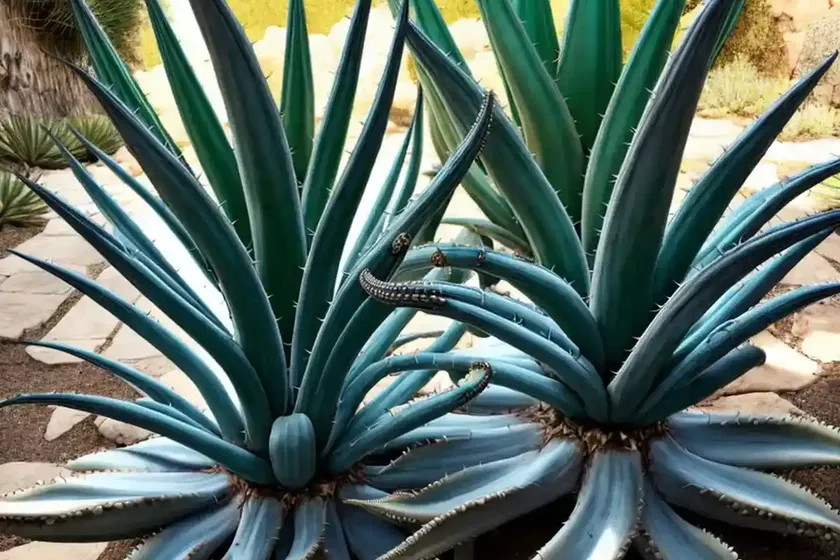
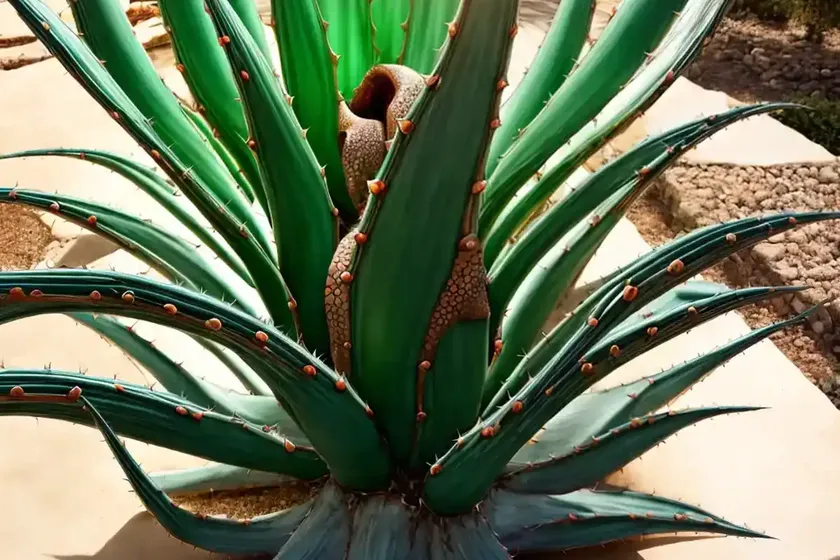
Agave vilmoriniana ‘Stained Glass’ (also known as the Octopus Agave or Stained Glass Agave) is a stunning succulent that captivates with its striking appearance and low-maintenance nature. As a plant scientist deeply passionate about the diversity and resilience of flora, it is my pleasure to delve into the intricate details of this remarkable plant.
In this comprehensive guide, we will explore the culture, uses, care requirements, and much more for the Agave vilmoriniana ‘Stained Glass’. Whether you are a seasoned gardener, a succulent enthusiast, or simply someone intrigued by the natural world, this article aims to provide valuable insights and practical knowledge about this extraordinary plant.
What is Agave vilmoriniana ‘Stained Glass’ (Octopus Agave)?
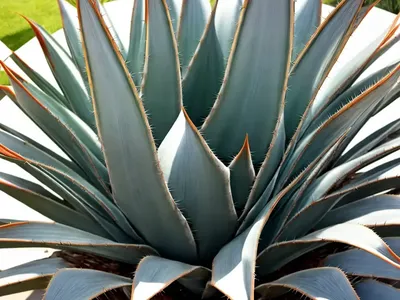
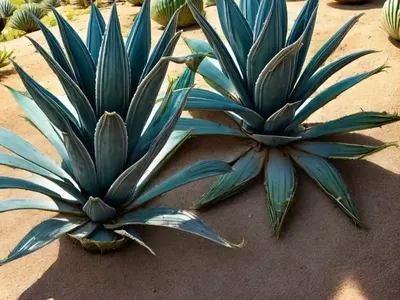
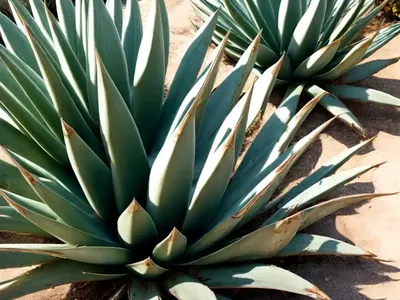
Agave vilmoriniana ‘Stained Glass’ is a striking succulent species that belongs to the Agave genus. This unique plant is known for its architectural form and mesmerizing variegated foliage, making it a prized addition to succulent gardens, arid landscapes, and container arrangements. The distinctively shaped leaves of the Octopus Agave, resembling the tentacles of an octopus, set it apart from other members of its genus.
This extraordinary succulent is native to Mexico and is celebrated for its resilience in arid climates, drought tolerance, and minimal maintenance requirements. Its adaptability to a wide range of environmental conditions makes it a versatile choice for landscaping and horticultural projects.
Key Takeaways – Agave vilmoriniana ‘Stained Glass’ (Octopus Agave)
Before we delve into the specific aspects of the Stained Glass Agave, let’s outline the key takeaways that will be explored in detail as we progress through this guide:
- Culture
- Uses
- Water
- Sunlight
- Fertilizer
- Soil
- Pruning
- Propagation
- Container
- Popularity
- Common Diseases
- Disease Diagnosis
- Common Pests
- Botanist’s Tips
- Fun Facts
- Links to External Resources
Now, let’s embark on a comprehensive exploration of the characteristics, care, and captivating attributes of Agave vilmoriniana ‘Stained Glass’.
Culture
Uses
The Agave vilmoriniana ‘Stained Glass’ serves multiple purposes, extending from its ornamental value to its historical and cultural significance. The uses of this captivating succulent encompass:
-
Ornamental Value: The striking appearance of the Octopus Agave makes it a prized addition to succulent gardens, xeriscapes, and rock gardens. Its unique form and variegated foliage contribute to its ornamental appeal, adding visual interest to landscape designs and container arrangements.
-
Architectural Gardens: Due to its distinct aesthetic and low-maintenance nature, the Stained Glass Agave is often incorporated into architectural gardens, where its structural form can be utilized to create focal points and accentuate the contemporary design elements of the space.
-
Cultural Significance: In certain regions, the Agave plant holds cultural and historical significance, connected to traditional practices, folklore, and the production of agave-based products such as mezcal and tequila.
Water
In its natural habitat and when cultivated in arid environments, the Agave vilmoriniana ‘Stained Glass’ exhibits remarkable drought tolerance and can thrive with minimal watering. The water needs of this succulent can be summarized as follows:
-
Drought Tolerance: The Octopus Agave has evolved to withstand prolonged periods of drought, making it well-adapted to arid climates and water-scarce regions. Its succulent leaves are capable of storing moisture, enabling the plant to survive extended dry spells without experiencing moisture stress.
-
Watering Frequency: When cultivated in containers or garden beds, it is essential to allow the soil to dry out between waterings to prevent the risk of root rot. As a general guideline, the Stained Glass Agave should be watered sparingly, especially during the winter months or in cooler conditions when the plant’s water requirements are reduced.
Sunlight
The Agave vilmoriniana ‘Stained Glass’ thrives in full sun to partial shade, displaying optimal growth and vibrant foliage when provided with appropriate sunlight conditions. The following points outline the sunlight requirements of the Octopus Agave:
-
Full Sun Exposure: When cultivated in outdoor settings, the Stained Glass Agave flourishes in locations that receive ample sunlight, preferably during the morning and afternoon hours. Exposure to full sun promotes the development of its variegated leaves and contributes to the plant’s overall health and vigor.
-
Partial Shade: While the Octopus Agave is well-suited to full sun conditions, it also tolerates partial shade, making it adaptable to a range of light intensities. In regions with intense heat or prolonged sunlight exposure, providing afternoon shade can be beneficial to prevent leaf scorch and maintain the plant’s vitality.
Fertilizer
The fertilization requirements of the Agave vilmoriniana ‘Stained Glass’ are relatively minimal, reflecting its adaptation to nutrient-poor soils and its ability to thrive in low-fertility environments. When considering the application of fertilizer to this succulent, the following guidelines should be observed:
-
Nutrient-Poor Soils: The Octopus Agave is naturally inclined to grow in soils with low nutrient content, reflecting its adaptation to arid and rocky habitats. Therefore, the application of fertilizer should be approached with caution, as excessive nutrients can lead to imbalances and adversely impact the plant’s growth.
-
Minimal Fertilization: In most cases, the Stained Glass Agave does not necessitate frequent or heavy fertilization. If the plant is cultivated in containers or garden beds with nutrient-depleted soil, a diluted, balanced fertilizer can be applied sparingly during the growing season to support the plant’s nutritional needs. It is crucial to avoid overfeeding, as this can lead to excessive foliage growth at the expense of the plant’s overall resilience.
Soil
The choice of soil is a critical factor in ensuring the successful cultivation of Agave vilmoriniana ‘Stained Glass’. The Octopus Agave thrives in well-draining, gritty soils that mimic its native habitat, providing the following characteristics:
-
Well-Draining: The primary requirement for soil used in cultivating the Stained Glass Agave is excellent drainage. The plant is susceptible to root rot if subjected to prolonged periods of soil moisture, making the use of well-draining soil a fundamental aspect of its care.
-
Gritty Texture: To emulate the natural growing conditions of the Octopus Agave, the soil should possess a gritty, coarse texture that facilitates rapid water percolation and prevents the retention of excess moisture. Addition of coarse sand, perlite, or pumice to the soil mix aids in improving its drainage capacity.
-
Mineral-Based Substrate: Given the plant’s adaptation to nutrient-poor soils, the use of mineral-based substrates, such as cactus potting mix or succulent soil, is recommended for cultivating the Stained Glass Agave. These substrates provide the appropriate balance of drainage, aeration, and minimal nutrients, supporting the plant’s growth and resilience.
Pruning
Pruning requirements for the Agave vilmoriniana ‘Stained Glass’ are minimal, primarily focusing on the removal of dead or damaged foliage and the mitigation of potential hazards associated with the plant’s sharp leaf tips. Key considerations for pruning this succulent include:
-
Dead Leaf Removal: As the lower leaves of the Octopus Agave naturally senesce over time, they can be gently removed to maintain the plant’s appearance and prevent the accumulation of debris within the leaf rosette. Dead leaves can be carefully trimmed at the base using clean and sharp pruning shears.
-
Sharp Leaf Tips: The pointed leaf tips of the Stained Glass Agave can pose a risk of injury, especially in high-traffic areas or locations frequented by pets and children. Trimming the leaf tips to blunt them slightly is a prudent measure to reduce the likelihood of accidental punctures or scratches.
-
Cautionary Measures: Pruning activities involving the Octopus Agave should be approached with caution, considering the sharpness of its leaf margins and the potential irritation caused by its sap. Protective gloves and eyewear can be employed to minimize the risk of injury when working with this succulent.
Propagation
The propagation of Agave vilmoriniana ‘Stained Glass’ can be achieved through several methods, including offsets, division, and seed propagation. Each approach offers unique benefits and challenges, enabling the expansion of the plant’s population through careful propagation practices:
-
Offset Propagation: One of the most common methods of propagating the Octopus Agave involves the removal and transplantation of offsets, also known as “pups,” that emerge from the base of mature plants. These offsets can be separated from the parent plant and potted individually to establish new specimens.
-
Division: For larger clumps of Agave vilmoriniana ‘Stained Glass’, division can be employed to separate the plant into smaller sections, each with its own root system and growing point. Division should be conducted with care to minimize damage to the root system and ensure the viability of the divided segments.
-
Seed Propagation: While seed propagation is a viable method for expanding the population of the Octopus Agave, it requires patience and careful attention to the germination requirements of agave seeds. Sowing seeds in well-draining, moist soil and providing optimal temperature and light conditions can promote the successful germination and establishment of seedlings.
Container Popularity
The Agave vilmoriniana ‘Stained Glass’ is widely sought after for container cultivation, owing to its compact size, striking visual appeal, and adaptability to container environments. When cultivated in containers, the Octopus Agave offers the following advantages and considerations:
-
Aesthetic Appeal: The unique form and variegated foliage of the Stained Glass Agave make it a captivating choice for container arrangements, where it serves as a focal point or as part of mixed succulent displays. Its compact size and architectural symmetry enhance its visual impact in container gardens.
-
Versatility: Cultivating the Octopus Agave in containers allows for greater flexibility in terms of placement and mobility. It can be positioned on patios, balconies, or outdoor living spaces, adding a touch of exotic charm to the surroundings and thriving in confined growing spaces.
-
Careful Selection of Containers: When choosing containers for the cultivation of Agave vilmoriniana ‘Stained Glass’, it is crucial to select pots with sufficient drainage holes to prevent waterlogging. The use of well-draining potting mix and appropriately sized containers supports the healthy growth of the plant in a containerized environment.
Common Diseases
The resilience of Agave vilmoriniana ‘Stained Glass’ is reflected in its natural resistance to many common plant diseases. However, certain conditions or imbalances can predispose the Octopus Agave to specific ailments, necessitating careful attention to its care and environmental conditions:
-
Root Rot: Prolonged exposure to excessive moisture or poorly drained soils can lead to the development of root rot in the Stained Glass Agave. To prevent this condition, it is essential to prioritize well-draining soil, judicious watering practices, and appropriate container drainage to minimize the risk of root rot.
-
Leaf Spotting: While the Octopus Agave is relatively resistant to foliar diseases, leaf spotting can occur under prolonged periods of high humidity or in conditions where water accumulates on the foliage. Providing adequate air circulation and avoiding overhead watering helps mitigate the risk of leaf spotting.
Disease Diagnosis
Accurate diagnosis of potential diseases affecting Agave vilmoriniana ‘Stained Glass’ is essential for implementing targeted treatment and mitigation strategies. When observing symptoms of disease or distress in this succulent, the following diagnostic considerations should be taken into account:
-
Symptom Observation: Careful observation of the plant’s symptoms, including changes in foliage color, texture, and structural integrity, can provide valuable insights into potential disease issues. Common symptoms such as wilting, discoloration, or leaf necrosis may indicate underlying health concerns.
-
Environmental Factors: Assessing the environmental conditions, including watering practices, sunlight exposure, and soil moisture, can help identify potential triggers for disease development. Conditions that promote excessive moisture or compromise the plant’s natural resilience should be addressed to prevent disease progression.
-
Professional Consultation: In cases where disease diagnosis is challenging or requires specialized knowledge, consulting with a plant health professional or horticulturist can offer valuable expertise and guidance in identifying and addressing disease issues affecting the Stained Glass Agave.
Common Pests
The Octopus Agave exhibits resilience to many common pests due to its succulent nature and chemical defenses. However, occasional pest challenges may arise, requiring vigilance and prompt intervention to protect the plant’s health and vitality:
-
Aphids: These sap-sucking insects can infest the foliage of the Stained Glass Agave, leading to wilting, stunted growth, and the development of honeydew. Natural predators, such as ladybugs, lacewings, and predatory beetles, can aid in controlling aphid populations in outdoor settings.
-
Mealybugs: Mealybugs are known to infest the leaf axils and undersides of the foliage, feeding on plant sap and potentially causing damage to the Octopus Agave. Mechanical removal, insecticidal soaps, or horticultural oils can be employed to manage mealybug infestations in a targeted manner.
-
Spider Mites: These tiny arachnids can affect the Stained Glass Agave, leading to stippled or discolored foliage as a result of their feeding activities. Consistent monitoring, regular rinsing of the foliage to minimize dust accumulation, and the introduction of natural predators contribute to spider mite management.
Botanist’s Tips
As a plant scientist deeply invested in the study and cultivation of Agave vilmoriniana ‘Stained Glass’, I offer the following tips for successful care and appreciation of this extraordinary succulent:
-
Prioritize Well-Draining Soils: Ensuring exceptional drainage in the soil mix or container substrate is paramount for the health and longevity of the Octopus Agave. Aeration and rapid water percolation support the plant’s resilience and reduce the risk of moisture-related issues.
-
Moderate Watering Practices: Adhering to a conservative watering regimen, especially during the cooler seasons or in containerized environments, is crucial for preventing overwatering and maintaining the plant’s drought tolerance. Allowing the soil to dry out between watering intervals promotes healthy root function.
-
Implement Safety Measures: When handling the Agave vilmoriniana ‘Stained Glass’, particularly during pruning or propagation activities, employing protective gear such as gloves and eye protection helps minimize the risk of injury from the plant’s sharp leaf tips and sap.
-
Observe Environmental Cues: Monitoring the plant’s response to environmental conditions, including changes in growth rate, foliage color, and overall vigor, provides valuable insights into its well-being and allows for proactive adjustments to its care regimen.
-
Appreciate its Resilience: The Stained Glass Agave’s ability to thrive in arid conditions, withstand harsh sunlight, and adapt to nutrient-poor soils underscores its remarkable resilience and serves as a testament to the adaptability of succulent plants in diverse environments.
Fun Facts
To further appreciate the unique qualities and captivating nature of Agave vilmoriniana ‘Stained Glass’, consider the following intriguing fun facts about this remarkable succulent:
-
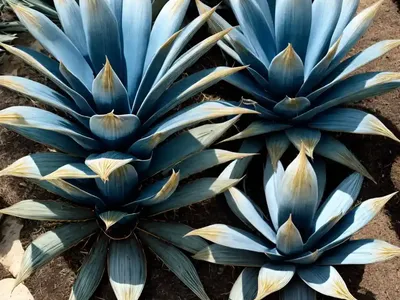
Architectural Marvel: The Stained Glass Agave’s structural form, consisting of sprawling, variegated leaves radiating from a central point, embodies an architectural elegance that makes it an exquisite addition to modern landscapes and contemporary garden designs.
-
Variegated Foliage: The striking variegation of the Agave vilmoriniana ‘Stained Glass’ leaves, featuring bands of creamy yellow and green, adds a touch of exotic allure and visual interest to its overall appearance, making it a sought-after specimen for succulent enthusiasts and collectors.
-
Drought-Tolerant Beauty: This succulent’s ability to thrive in dry, water-scarce environments while maintaining its stunning aesthetics underscores its capacity to endure and flourish amidst arid conditions, offering inspiration for water-wise gardening and xeriscaping projects.
-
Cultural Significance: In certain cultures and traditions, the Agave plant, including species such as Agave vilmoriniana ‘Stained Glass’, holds symbolic and utilitarian value, playing a role in rituals, crafts, and the production of traditional beverages.
-
Historical Roots: The rich history and geographical significance of the Octopus Agave tie back to its origins in Mexico and its historical use as a versatile and resilient plant, contributing to its enduring appeal and cultural importance.
Wrapping Up
In conclusion, the Agave vilmoriniana ‘Stained Glass’ (Octopus Agave) stands as a testament to the enchanting diversity and adaptability of succulent plants. Its striking visual appeal, resilience in arid climates, and low-maintenance nature make it a cherished addition to succulent gardens, xeriscapes, and container arrangements. By understanding and appreciating the unique attributes and care requirements of the Stained Glass Agave, we can foster an enduring admiration for this exceptional succulent and the remarkable ecosystem of which it is a part.
As we celebrate the enduring allure and captivating beauty of Agave vilmoriniana ‘Stained Glass’, it is my hope that this comprehensive guide has provided valuable insights and inspiration for succulent enthusiasts, horticulturalists, and nature lovers alike. Let this remarkable plant serve as a source of wonder and admiration, reminding us of the profound resilience and natural splendor found within the botanical realm.
In our continuous exploration of the natural world, the allure of the Stained Glass Agave serves as a glowing testament to the boundless marvels waiting to be discovered within the vast tapestry of botanical wonders.
Links to External Resources
To further enrich your understanding of Agave vilmoriniana ‘Stained Glass’ and delve deeper into the realm of succulent plants, I highly recommend exploring the following external resources:
-
“Agave vilmoriniana: A Unique Succulent Plant” – A comprehensive overview of the characteristics and cultivation of Agave vilmoriniana, shedding light on its distinctive features and care requirements.
-
“Succulent Care Guide” – An insightful resource providing practical guidance on the care and cultivation of various succulent plants, including valuable tips for maintaining their health and vitality.
-
“Xeriscaping: A Guide to Water-Wise Gardening” – A detailed guide to xeriscaping, emphasizing the importance of water-efficient landscaping and the inclusion of drought-tolerant plants like Agave vilmoriniana ‘Stained Glass’ in sustainable outdoor designs.
Utilizing these resources, you can expand your knowledge and appreciation for succulent plants, while discovering new avenues for integrating the captivating beauty of the Stained Glass Agave into your gardening endeavors.
By delving deeply into the characteristics, care