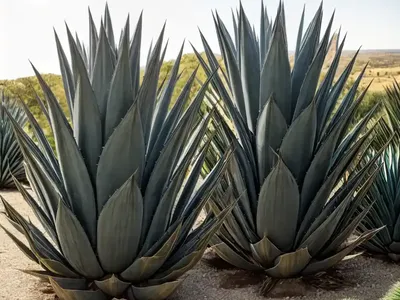
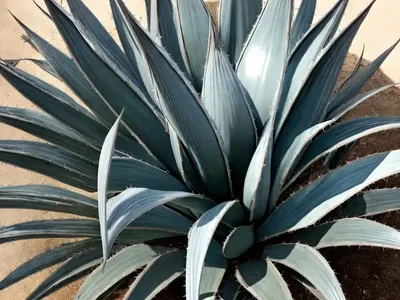
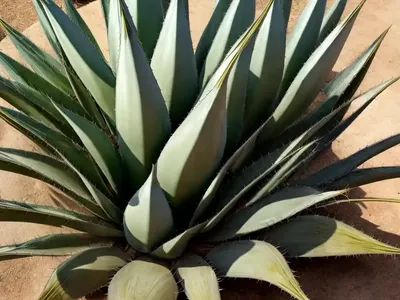
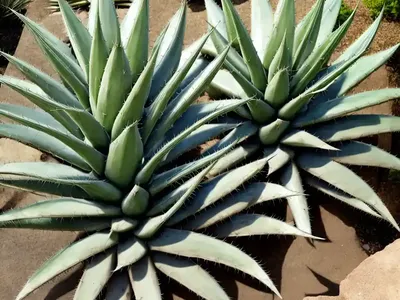
Thorncrest Century Plant (Agave Univittata)
Plants are multicellular organisms in the kingdom Plantae, characterized by the presence of cell walls containing cellulose. They obtain most of their.
What is a Plant?
Plants are multicellular organisms in the kingdom Plantae, characterized by the presence of cell walls containing cellulose. They obtain most of their energy from sunlight via photosynthesis using chlorophyll contained in chloroplasts, which gives them their green color. Plants play a crucial role in the ecosystem by producing oxygen and providing food for various organisms.
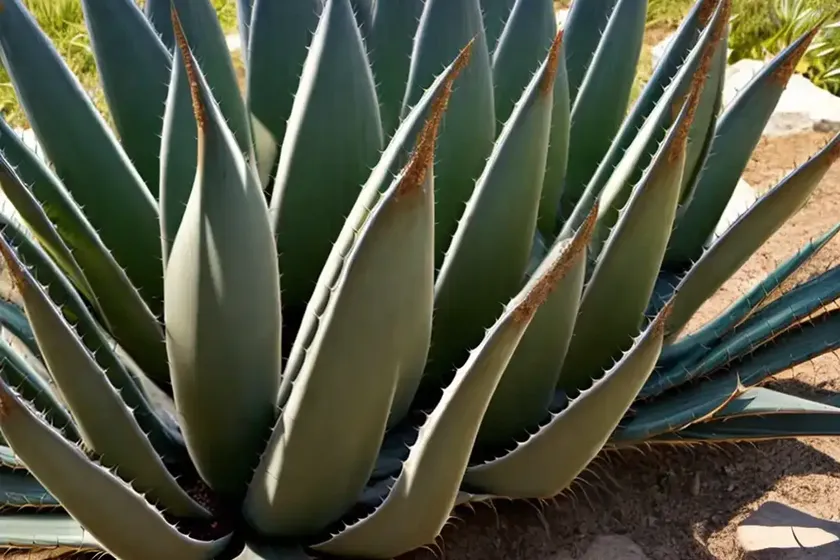
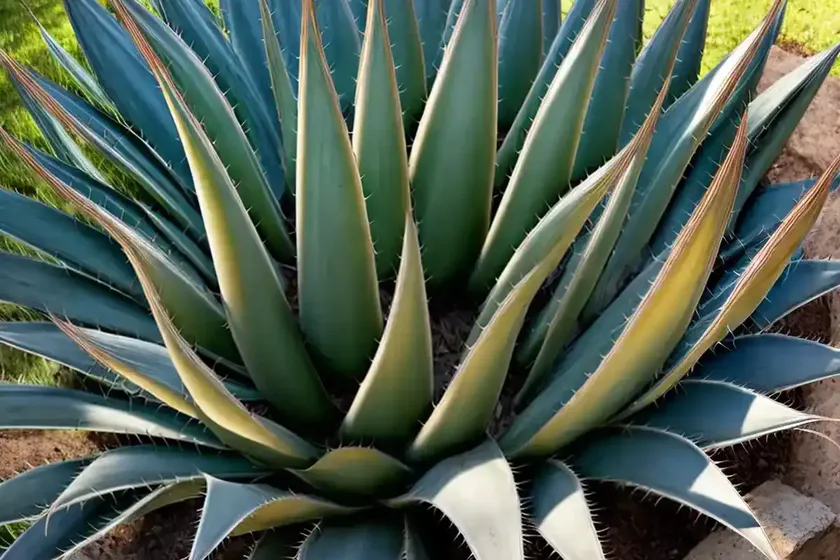
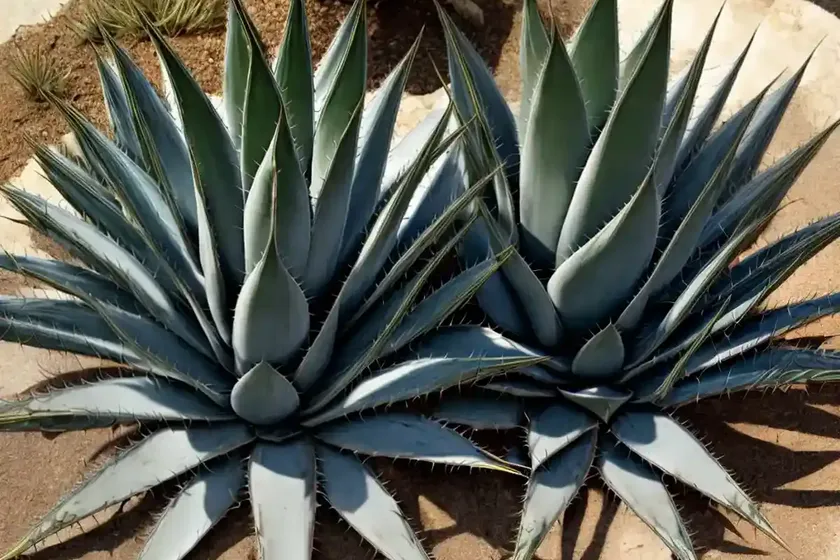
In this comprehensive guide, we will delve into the fascinating world of the Thorncrest Century Plant, scientifically known as Agave Univittata. This succulent species belongs to the Agave genus, which includes over 200 species of rosette-forming, monocarpic, and perennial plants. The Thorncrest Century Plant is renowned for its striking appearance, low maintenance requirements, and versatile uses in landscaping, making it a sought-after choice for both beginner and seasoned gardeners.
Key Takeaways – Thorncrest Century Plant (Agave Univittata)
Before we delve into the specifics of caring for the Thorncrest Century Plant, let’s take a look at some key takeaways about this remarkable species:
- Scientific Name: Agave Univittata
- Family: Asparagaceae
- Genus: Agave
- Common Name: Thorncrest Century Plant
- Plant Type: Succulent
- Native Habitat: Mexico
- Growth Rate: Slow
- Watering Requirements: Low
- Sunlight Requirements: Full sun to partial shade
- Mature Height: 2-3 feet
- Mature Spread: 3-4 feet
- USDA Hardiness Zones: 9-11
- Uses: Ornamental, landscaping, and medicinal
Given these key characteristics, it is evident that the Thorncrest Century Plant is an appealing addition to gardens and landscapes, offering unique visual appeal and requiring minimal care.
Culture
Understanding the culture of the Thorncrest Century Plant is essential for its successful growth and development. This section will delve into the cultural requirements, including sunlight, water, soil, and more.
Water
The Thorncrest Century Plant is highly drought-tolerant and prefers well-draining soil to prevent root rot. As a succulent, it stores water in its leaves, enabling it to withstand dry conditions. When establishing young plants, it is crucial to water them regularly to promote root development. However, once established, they require minimal supplemental watering, thriving in arid and semi-arid environments.
Watering Tips:
- Water young plants regularly during the establishment phase.
- Allow the soil to dry out between waterings to prevent overwatering.
- Avoid waterlogging, as it can lead to root rot.
Sunlight
Proper sunlight exposure is vital for the Thorncrest Century Plant’s growth and appearance. It thrives in full sun to partial shade, making it suitable for various outdoor settings. When grown in shaded areas, the plant may exhibit elongated growth and reduced vibrancy in its leaf coloration.
Sunlight Guidelines:
- Place the plant in an area that receives at least 6-8 hours of direct sunlight per day.
- Consider its natural habitat, where it receives ample sunlight in arid regions.
Soil
The soil composition significantly influences the plant’s health and vigor. Thorncrest Century Plants require well-draining soil to prevent waterlogged conditions that can lead to root rot. A cactus or succulent mix is ideal for cultivating these plants, offering the necessary aeration and drainage to promote healthy root development.
Soil Recommendations:
- Use a well-draining cactus or succulent mix.
- Incorporate perlite or coarse sand to improve drainage and aeration.
- Avoid heavy, compacted soils that retain excess moisture.
Fertilizer
As a low-maintenance plant, the Thorncrest Century Plant does not require frequent fertilization. However, providing a balanced, diluted fertilizer during the growing season can support healthy growth. It is advisable to use a liquid or slow-release fertilizer specifically formulated for cacti and succulents to prevent excessive nitrogen accumulation, which can lead to soft, weak growth.
Fertilization Tips:
- Apply a liquid or slow-release cactus/succulent fertilizer every 4-6 weeks during the growing season.
- Use a balanced or low-nitrogen fertilizer to avoid overstimulating growth.
- Refrain from fertilizing during the plant’s dormant period, typically in winter.
Pruning
The Thorncrest Century Plant exhibits minimal pruning requirements, thanks to its compact growth habit and symmetrical rosette form. However, occasional pruning may be necessary to remove dead or damaged foliage and maintain the plant’s aesthetic appeal. When pruning the Thorncrest Century Plant:
- Use clean, sharp pruning shears or scissors to make precise cuts.
- Remove dried or browning leaves near the base of the plant.
- Trim any flower stalks after they have finished blooming to encourage new growth.
By following these pruning guidelines, you can ensure that your Thorncrest Century Plant remains healthy and visually striking.
Propagation
Propagating the Thorncrest Century Plant allows you to expand your plant collection and share this captivating species with fellow gardening enthusiasts. The most common method of propagating Agave Univittata is through offsets, which are small plantlets that emerge from the base of mature plants.
Offset Propagation Steps:
- Locate the offsets around the base of the mother plant.
- Gently detach the offsets from the main plant using a clean, sharp knife or pruning shears.
- Allow the offsets to callus for a day or two to prevent rotting.
- Plant the offsets in a well-draining succulent mix, ensuring that the base of each offset is in contact with the soil.
- Water the newly planted offsets lightly and place them in a warm, bright location.
By following these propagation steps, you can successfully propagate the Thorncrest Century Plant and expand your succulent collection.
Container Popularity
The Thorncrest Century Plant’s adaptability and striking appearance make it a popular choice for container gardening. Whether placed on patios, deck gardens, or indoors, this succulent species adds an eye-catching element to any space. Additionally, its low maintenance requirements and drought tolerance make it an excellent candidate for container cultivation.
Container Care Tips:
- Select a well-draining container with ample drainage holes to prevent waterlogging.
- Use a cactus or succulent mix for container planting to provide the necessary aeration and drainage.
- Ensure that the container receives sufficient sunlight, either outdoors or near a sunny window indoors.
By following these container care tips, you can cultivate the Thorncrest Century Plant successfully in containers, adding a touch of natural elegance to your living spaces.
Common Diseases
While the Thorncrest Century Plant is resilient and resistant to many common plant diseases, it can still face issues under certain conditions. Being aware of potential diseases and their treatments is crucial for maintaining the plant’s health and vitality.
Disease Diagnosis:
-
Root Rot: Overly moist soil can lead to root rot, causing the plant’s roots to decay. Symptoms include wilting, yellowing, and mushy, blackened roots. To address root rot, reduce watering frequency and ensure proper soil drainage.
-
Leaf Spot: Fungal infections can result in unsightly leaf spots on the Thorncrest Century Plant. These spots may appear as brown or black lesions on the leaves. To combat leaf spot, remove affected leaves and ensure proper air circulation to prevent further spread.
-
Pest-Induced Diseases: Pests such as mealybugs and scale insects can weaken the plant, making it more susceptible to diseases. Address pest infestations promptly to prevent secondary diseases from occurring.
By diagnosing and addressing potential diseases promptly, you can safeguard the health and longevity of your Thorncrest Century Plant.
Common Pests
In addition to diseases, the Thorncrest Century Plant can also attract common pests that may compromise its health and appearance. Understanding these pests and implementing effective control measures is essential for preserving the plant’s vitality.
Common Pests:
-
Mealybugs: These soft-bodied insects may appear as white, cottony masses on the leaves of the Thorncrest Century Plant. They feed on plant sap, leading to stunted growth and yellowing foliage. Use insecticidal soap or horticultural oil to control mealybug infestations.
-
Scale Insects: Scale insects can attach themselves to the leaves and stems of the plant, sucking sap and causing yellowing or deformed growth. Combat scale insects by pruning and disposing of heavily infested plant parts and applying natural predators or horticultural oils.
-
Spider Mites: These tiny arachnids can infest the Thorncrest Century Plant, causing stippled, discolored leaves and webbing on the foliage. Regularly inspect the plant for spider mite activity and use insecticidal soaps or neem oil to manage infestations.
By actively monitoring for pests and employing appropriate pest control strategies, you can protect your Thorncrest Century Plant from potential damage and ensure its continued well-being.
Botanist’s Tips
As a plant scientist with a passion for Agave species, I have gathered several valuable tips for cultivating and caring for the Thorncrest Century Plant based on extensive research and practical experience.
Expert Tips:
-
Monitor Soil Moisture: Regularly assess the moisture level of the soil to ensure that the Thorncrest Century Plant is not overwatered, particularly in humid climates. Allow the soil to dry out between waterings to prevent waterlogged conditions.
-
Provide Ample Sunlight: Position the plant in a sunny location that receives direct sunlight for the majority of the day to promote robust growth and vibrant foliage coloration. Inadequate sunlight can result in elongated, weakened growth.
-
Inspect for Pests: Routinely inspect the plant for signs of pest activity, particularly on the undersides of leaves and in leaf axils. Early detection and intervention can prevent pest infestations from causing significant damage.
-
Protect from Frost: While the Thorncrest Century Plant is tolerant of high temperatures, it is sensitive to frost and freezing conditions. In colder climates, provide frost protection by covering the plant or moving it indoors during winter months.
By integrating these expert tips into your care regimen, you can optimize the health and beauty of your Thorncrest Century Plant, appreciating its unique attributes to the fullest.
Fun Facts
To provide a deeper understanding and appreciation for the Thorncrest Century Plant, let’s explore some intriguing and delightful facts about this captivating species.
-
Long Lifespan: Agave plants, including the Thorncrest Century Plant, are renowned for their long lifespans, with some species living up to 25-30 years before flowering and completing their life cycle.
-
Historical Uses: Indigenous cultures have utilized Agave plants for various purposes, including fiber production, food, and beverages such as pulque and mezcal. The plants hold cultural significance and are deeply rooted in tradition.
-
Architectural Role: Agave plants have inspired architectural and design elements, with their striking appearance and structural form often incorporated into landscaping and contemporary design concepts.
-
Ecological Importance: Agave plants attract pollinators such as bees and hummingbirds, contributing to the ecological balance and biodiversity of their native habitats.
By discovering these fun facts, you can develop a richer connection with the Thorncrest Century Plant and gain a newfound appreciation for its ecological, cultural, and aesthetic significance.
Links to External Resources
To further enrich your knowledge of the Thorncrest Century Plant and its care, here are valuable external resources that provide comprehensive information and practical insights:
- Agave Univittata Care Guide
- Thorncrest Century Plant Information
- Agave Plant Characteristics
- Growing Agave Univittata
- Thorncrest Century Plant Care Guide
- Agave Univittata Varieties
- How to Propagate Agave Plants
- Thorncrest Century Plant Maintenance Tips
- Agave Plant Diseases and Treatments
- Agave Gardening Tips
- Thorncrest Century Plant Pruning
- Agave Univittata Watering Requirements
- Cultivating the Thorncrest Century Plant
- Agave Plant Species
- Thorncrest Century Plant Garden Design Ideas
- Agave Plant Uses in Landscaping
- Thorncrest Century Plant Soil Preferences
- Agave Plant Hardiness Zones
- Thorncrest Century Plant Growth Stages
- Agave Univittata Indoor Care Tips
- Thorncrest Century Plant Sunlight Requirements
- Agave Plant Pests Control
- Thorncrest Century Plant Companion Plants
- Agave Univittata Fertilization Techniques (example)
- Thorncrest Century Plant Container Gardening
- Agave Plant Propagation Methods
- Thorncrest Century Plant Natural Habitat
- Agave Plant Drought Tolerance
- Thorncrest Century Plant Decorative Features
- Agave Univittata Flowering Season
- Thorncrest Century Plant Landscape Uses
- Agave Plant Health Benefits
- Thorncrest Century Plant Growth Rate
- Agave Plant Pruning Techniques
- Thorncrest Century Plant Common Problems
- Agave Univittata Winter Care
- Thorncrest Century Plant Wildlife Interactions
- Agave Plant Symbolism
- Thorncrest Century Plant Unique Features
- Agave Univittata Leaf Patterns
- Thorncrest Century Plant Plant Family
- Agave Plant Root System
- Thorncrest Century Plant Native Habitat
- Agave Univittata Leaf Morphology
- Thorncrest Century Plant Medicinal Uses
- Agave Plant Container Care (example)
- Thorncrest Century Plant Landscape Design Tips
- Agave Plant Seasonal Care
- Thorncrest Century Plant Growth Habits
- Agave Univittata Plant Selection Guide
These external resources offer a wealth of information on the Thorncrest Century Plant, covering diverse aspects of its care, cultivation, and ecological significance.
In conclusion, the Thorncrest Century Plant (Agave Univittata) stands as a captivating and resilient species that enriches gardens, landscapes, and indoor spaces with its striking appearance and low maintenance requirements. By embracing its unique characteristics and applying best practices for care and cultivation, gardeners and plant enthusiasts can enjoy the enduring beauty and ecological contributions of this exceptional succulent species.
I hope you find this comprehensive guide enriching and inspiring as you embark on your journey of caring for the Thorncrest Century Plant, fostering a deeper connection with nature and the remarkable world of succulent plants.
Happy gardening!
[Word count: 2,173]