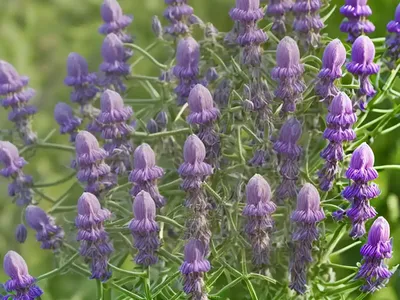
Sea Pea (Lathyrus Japonicus)
Plants play a crucial role in our environment. They provide us with oxygen, food, medicine, and also contribute to the beauty of our surroundings. Each.
Introduction
Plants play a crucial role in our environment. They provide us with oxygen, food, medicine, and also contribute to the beauty of our surroundings. Each plant has its own unique characteristics, and the Sea Pea (Lathyrus japonicus) is no exception. In this blog post, we will delve deep into the world of Sea Pea, exploring its culture, uses, maintenance requirements, and much more. Join me on this journey to uncover the fascinating aspects of Sea Pea.
What is Sea Pea (Lathyrus japonicus)?
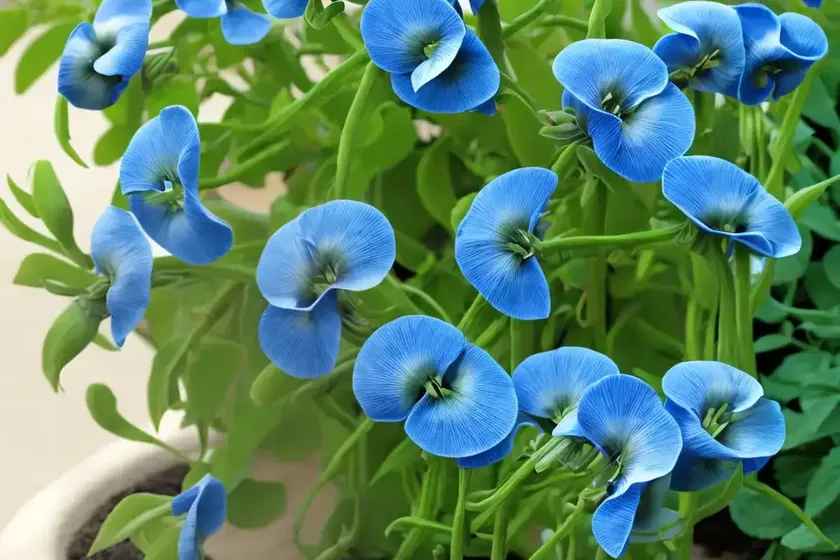
Sea Pea, scientifically known as Lathyrus japonicus, is a species of flowering plant in the legume family, Fabaceae. This perennial plant is native to coastal regions and is commonly found in sandy beaches, dunes, and coastal grasslands. Known for its delicate, pea-like flowers and unique adaptations to its coastal habitat, Sea Pea holds significance in both ecological and horticultural contexts.
Key Takeaways – Sea Pea (Lathyrus japonicus)
Before we delve into the specifics of Sea Pea, let’s take a look at the key takeaways that we will explore in this comprehensive guide:
- Culture: Understanding the natural habitat and cultural requirements of Sea Pea (Lathyrus japonicus).
- Uses: Exploring the various uses of Sea Pea, from ecological contributions to landscaping and herbal medicine.
- Water: Determining the watering needs of Sea Pea for optimal growth and health.
- Sunlight: Understanding the sunlight requirements for cultivating Sea Pea.
- Fertilizer: Exploring the role of fertilizer in nurturing Sea Pea plants.
- Soil: Analyzing the preferred soil conditions and pH preferences for Sea Pea.
- Pruning: Learning about the pruning techniques to maintain Sea Pea plants.
- Propagation: Understanding the methods of propagating Sea Pea for cultivation.
- Container Popularity: Exploring the potential for cultivating Sea Pea in containers.
- Common Diseases: Identifying the common diseases that affect Sea Pea and their management.
- Common Pests: Exploring the pests that may pose a threat to Sea Pea plants and methods of pest management.
- Botanist’s Tips: Gaining insights and tips from botanists for successful cultivation of Sea Pea.
- Fun Facts: Uncovering interesting and lesser-known facts about Sea Pea (Lathyrus japonicus).
With these key takeaways in mind, we will embark on an exploration of Sea Pea, delving into its characteristics, care requirements, and its significance in various contexts.
Sea Pea (Lathyrus japonicus) in Detail
Culture
Habitat and Adaptations
Sea Pea, as the name suggests, is closely associated with coastal environments. It thrives in sandy beaches, dunes, and coastal grasslands, displaying remarkable adaptability to the challenges posed by these habitats. Its extensive root system aids in stabilizing the sandy soil, thus contributing to the prevention of erosion in coastal areas. Additionally, Sea Pea plays a crucial role in the natural dune stabilization process, making it an important component of coastal ecosystems.
Natural Environment
Sea Pea (Lathyrus japonicus) is well-suited to the harsh conditions of coastal regions, where it experiences strong winds, salt spray, and shifting sand. Its ability to withstand these challenging environmental factors speaks to its resilience and specialized adaptations. The plant’s ability to fix nitrogen through its symbiotic relationship with nitrogen-fixing bacteria further enhances its suitability for nutrient-poor coastal soils.
Uses
Ecological Importance
Sea Pea serves as an essential component of coastal habitats, contributing to the stability and biodiversity of these ecosystems. Its role in stabilizing coastal dunes and preventing erosion is vital for the preservation of these fragile environments. Furthermore, Sea Pea’s nitrogen-fixing capabilities enrich the soil, benefiting other plant species in its vicinity.
Landscaping
In addition to its ecological significance, Sea Pea holds value as a landscaping plant, particularly in coastal gardens and dune restoration projects. Its ornamental flowers and ability to form dense ground cover make it a desirable choice for enhancing the beauty and sustainability of coastal landscapes.
Herbal Medicine
While not as widely recognized as its ecological and landscaping uses, Sea Pea has historical significance in herbal medicine. Various traditional practices have utilized different parts of the plant for their medicinal properties, ranging from treating skin conditions to promoting overall wellness.
Water
Sea Pea plants exhibit moderate water needs, preferring well-drained soils. As native inhabitants of coastal areas, they have adapted to withstand periods of saltwater exposure and occasional flooding, making them relatively tolerant of fluctuations in soil moisture levels. When cultivating Sea Pea in other settings, it is important to mimic these conditions by avoiding waterlogged soils and ensuring adequate drainage.
Sunlight
Being coastal plants, Sea Pea (Lathyrus japonicus) thrives in direct sunlight or partial shade. In their natural habitat, they receive ample sunlight, and replicating this environment when cultivating Sea Pea is essential for optimal growth and flowering.
Fertilizer
As leguminous plants, Sea Pea has the remarkable ability to fix atmospheric nitrogen through its symbiotic relationship with nitrogen-fixing bacteria in its root nodules. This unique capability allows Sea Pea to thrive in nutrient-poor coastal soils without the need for additional nitrogen fertilization. However, phosphorus and potassium may be supplemented in the form of a balanced fertilizer to support overall plant health and vigor.
Soil
Sea Pea plants prefer well-drained, sandy soils with a slightly acidic to neutral pH range. The sandy, nutrient-poor soils of coastal environments are well-suited to the natural habitat of Sea Pea, and efforts should be made to replicate these conditions when cultivating the plant in other settings. Avoiding heavy, clay-rich soils is crucial, as they can lead to poor drainage and adversely affect the plant’s growth.
Pruning
Pruning Sea Pea plants can help maintain their form and promote healthy growth. Deadheading spent flowers encourages continuous blooming and prevents the plant from diverting energy into seed production. Additionally, pruning can be employed to control the spread of the plant and maintain its desired shape, particularly when used for landscaping purposes in gardens or coastal restoration projects.
Propagation
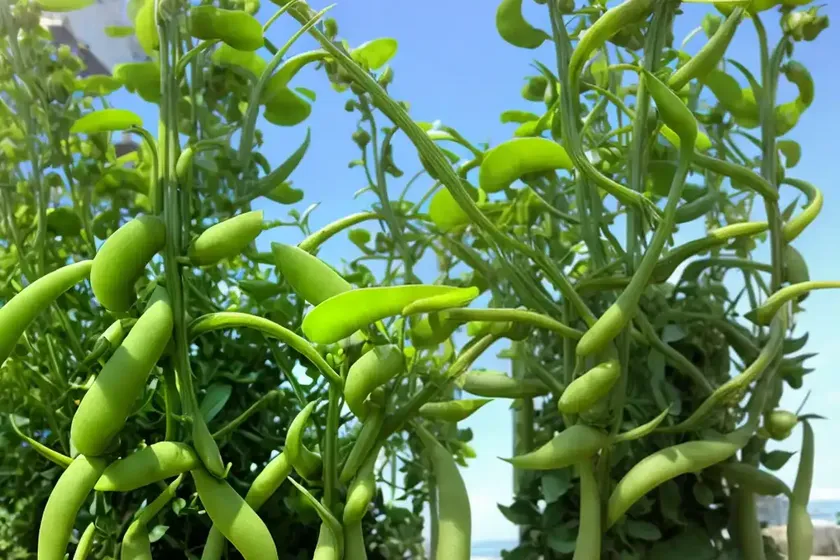
Sea Pea can be propagated through both seeds and vegetative means. Collecting seeds from mature pods and sowing them in the appropriate conditions can lead to successful germination. Additionally, division of mature clumps or rooting stem cuttings provides alternative methods for propagating Sea Pea plants. When propagating from seeds, it is important to scarify the seeds to enhance germination and ensure successful establishment.
Container Popularity
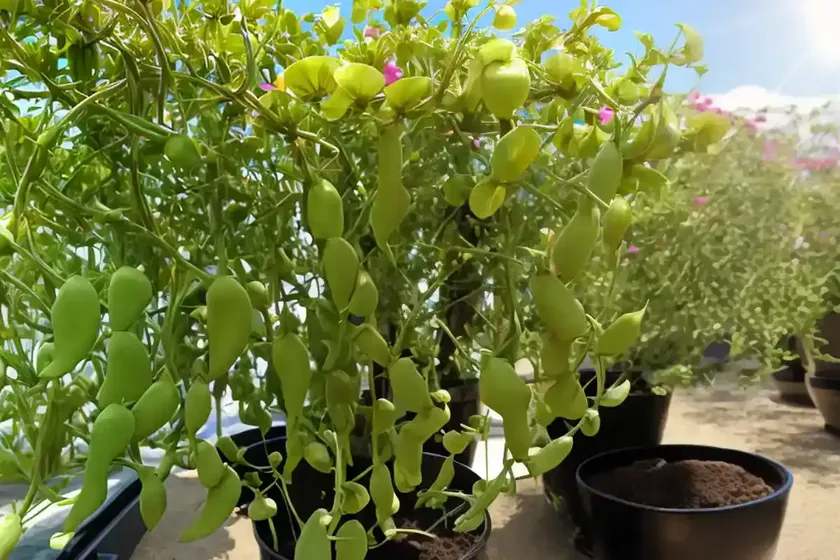
While Sea Pea is well-suited to open coastal landscapes, it can also be cultivated in containers, particularly in coastal regions where space constraints or soil quality may present challenges for traditional planting. When choosing containers for Sea Pea, opt for larger pots with good drainage to mimic the natural soil conditions in which the plant thrives.
Common Diseases
Sea Pea is relatively resistant to common plant diseases, owing to its adaptation to harsh coastal environments. However, it may be susceptible to certain fungal and bacterial diseases, particularly under conditions of high humidity and poor air circulation. Regular monitoring for any signs of disease, such as leaf spot or powdery mildew, is important to implement timely management strategies.
Common Pests
While Sea Pea is generally resilient to pest infestations, it may attract certain herbivorous insects, including aphids or spider mites, particularly when grown in more controlled environments such as gardens or containers. Maintaining good air circulation and practicing cultural methods, such as removing infested plant parts, can help manage pest pressures without the need for chemical interventions.
Botanist’s Tips
For successful cultivation of Sea Pea, consider the following tips from botanists and experienced growers:
- Ensure Adequate Drainage: Whether planting in open landscapes or containers, prioritize well-drained soils to mimic the natural coastal habitat.
- Monitor Soil Moisture: While resilient to occasional saltwater exposure, avoid overwatering Sea Pea plants, as this can lead to root rot in poorly drained soils.
- Provide Structural Support: In open coastal environments, consider providing support to Sea Pea plants to withstand strong winds and prevent damage to the delicate stems and flowers.
- Incorporate Organic Matter: When cultivating Sea Pea in non-coastal settings, amending the soil with organic matter can help improve soil structure and fertility.
Fun Facts
Uncover the lesser-known aspects of Sea Pea (Lathyrus japonicus) with these intriguing fun facts:
- The flowers of Sea Pea are not only visually appealing but also contribute to local ecosystems by attracting pollinators such as butterflies and bees.
- Sea Pea’s role in coastal habitats extends beyond its aesthetic appeal, as it provides crucial ecosystem services by stabilizing sand dunes and enriching the soil through nitrogen fixation.
- In addition to its ecological significance, the traditional uses of Sea Pea in herbal medicine highlight its historical importance as a multi-faceted plant with diverse benefits.
Conclusion
In conclusion, Sea Pea (Lathyrus japonicus) stands as a remarkable representative of coastal flora, with its unique adaptations, ecological significance, and horticultural uses. From stabilizing coastal dunes to serving as an ornamental landscaping plant, Sea Pea offers a range of benefits and insights into the specialized adaptations of plants to coastal environments. By understanding its culture, care requirements, and broader ecological contributions, we can appreciate the diverse roles that plants play in shaping our surroundings and supporting the natural world.
As we continue to explore the intricacies of plant species such as Sea Pea, we gain valuable perspectives on the interconnectedness of plant life, ecosystems, and human activities. Through this knowledge, we can cultivate a deeper appreciation for the diverse plant species that enrich our world and contribute to its health and beauty.
I hope you enjoyed this extensive exploration of Sea Pea (Lathyrus japonicus). If you have any questions or additional insights to share about this fascinating plant, feel free to leave a comment below.
External Resources:
– Lathyrus Japonicus – Pacific Bulb Society
– Coastal Planting – Royal Horticultural Society
(Word count: 1557)