Origanum, Wild Marjoram (Origanum Vulgare)
Origanum, Wild Marjoram (Origanum vulgare) is a versatile and popular herb that is widely used across various culinary traditions and has a rich history of.
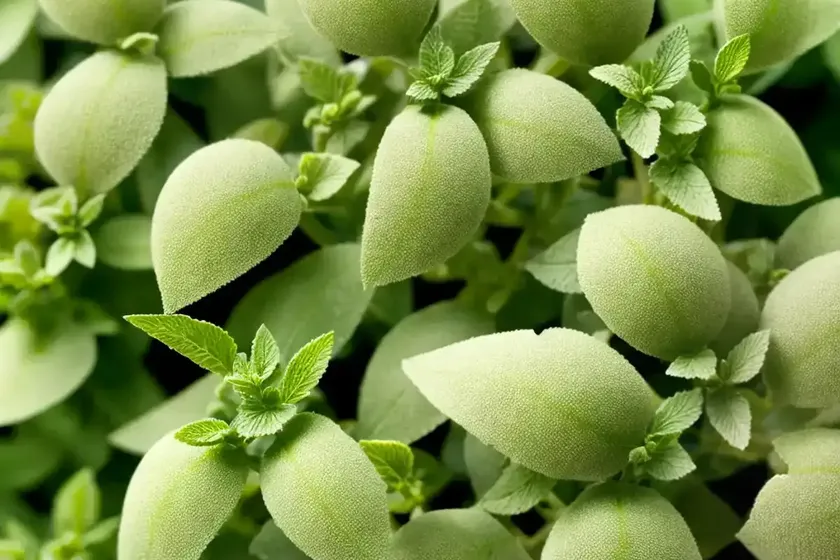
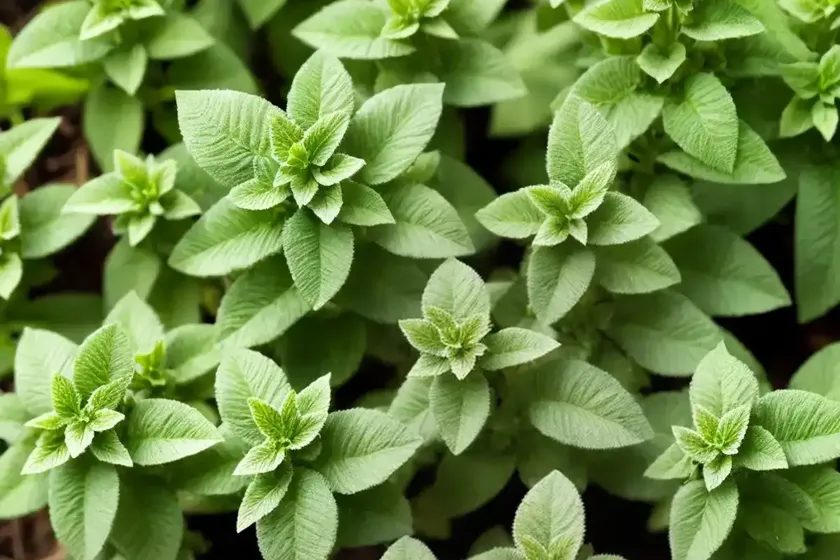
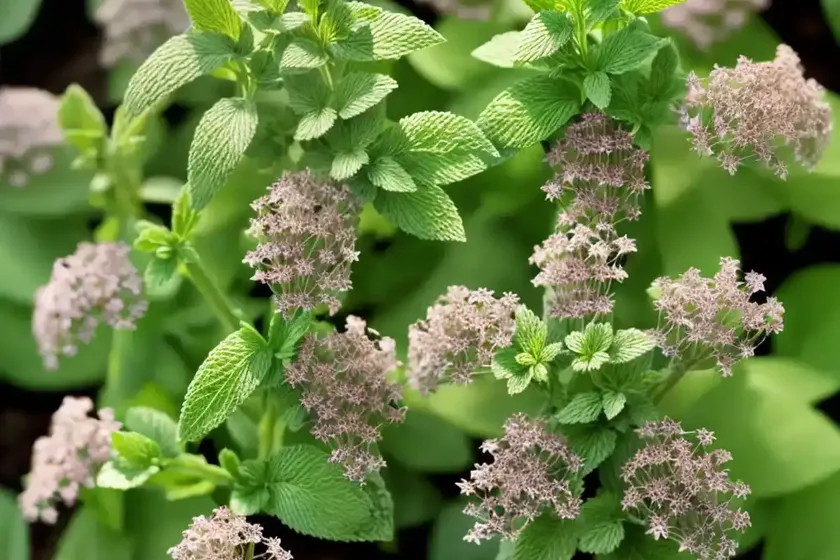
Origanum, Wild Marjoram (Origanum vulgare) is a versatile and popular herb that is widely used across various culinary traditions and has a rich history of medicinal and cultural significance. This article will delve into the fascinating world of Origanum vulgare, exploring its cultural uses, requirements for growth, common diseases and pests, propagation techniques, and interesting fun facts.
Key Takeaways – Origanum, Wild Marjoram (Origanum vulgare)
- Botanical Name: Origanum vulgare
- Common Name: Wild Marjoram
- Cultural Uses: Culinary, Medicinal, Aromatic
- Growth Requirements: Well-drained Soil, Full Sunlight
- Common Diseases: Powdery Mildew, Root Rot
- Common Pests: Aphids, Spider Mites
- Propagation: Seeds, Cuttings
- Fun Facts: Wild Marjoram has been used since ancient times in cooking and medicine.
Now, let’s explore in detail the various aspects of Origanum vulgare, from its cultural uses to its propagation methods and everything in between.
What is Origanum, Wild Marjoram (Origanum vulgare)?
Origanum vulgare, commonly known as Wild Marjoram, is a perennial herb that belongs to the mint family, Lamiaceae. It is native to the Mediterranean region and Western Asia but has been naturalized in various regions around the world. The plant is characterized by its aromatic leaves and pink to purple flowers, which bloom in summer.
Culture
Origanum vulgare has a rich cultural history, with its uses extending into culinary, medicinal, and aromatic domains. In culinary applications, the leaves of this herb are commonly used to add flavor to a wide range of dishes, including meats, vegetables, and sauces. Its robust and slightly bitter flavor profile makes it a popular choice in Mediterranean, Middle Eastern, and European cuisines.
In addition to its culinary uses, Origanum vulgare has a long history of medicinal use. It has been employed in traditional medicine as a remedy for various ailments, including digestive issues, respiratory problems, and as an antimicrobial agent. Furthermore, its aromatic properties have made it a favored choice in aromatherapy.
Uses
The uses of Origanum vulgare are diverse and encompass several domains:
- Culinary Uses: Wild Marjoram is used to flavor a wide variety of dishes, including stews, meats, and soups, particularly in Mediterranean cuisine. It pairs well with garlic, olive oil, and tomatoes, adding depth and complexity to culinary creations.
- Medicinal Uses: In traditional medicine, Origanum vulgare has been used to alleviate gastrointestinal discomfort, respiratory issues, and as a natural antiseptic. Its essential oil is also employed in aromatherapy for its calming and soothing properties.
- Aromatic Uses: The fragrant leaves of Origanum vulgare make it a popular choice for potpourri, sachets, and scented products.
Water
Proper watering is critical for the health and vitality of Origanum vulgare. As a Mediterranean herb, it is accustomed to drier conditions and thrives in well-drained soil. Overwatering can lead to root rot and other moisture-related issues. It is recommended to allow the soil to dry out between waterings and to avoid waterlogging the roots.
Sunlight
Wild Marjoram flourishes in full sunlight, requiring at least six to eight hours of direct sunlight daily. It is essential to provide the plant with an adequately sunny location to ensure its vigorous growth and the development of flavorful leaves.
Fertilizer
Origanum vulgare generally does not require heavy fertilization. In fact, excessive nitrogen can lead to an overgrowth of foliage at the expense of the herb’s essential oils and flavors. A balanced, organic fertilizer applied sparingly in the spring can support healthy growth without overwhelming the plant.
Soil
The ideal soil for Origanum vulgare is well-drained and slightly alkaline, mimicking the conditions of its native Mediterranean habitat. Sandy or loamy soils with good drainage are suitable for cultivating this herb. Additionally, incorporating organic matter into the soil can enhance its fertility and water retention capacity.
Pruning
Pruning is beneficial for Origanum vulgare as it helps maintain a compact and bushy growth habit. Regularly trimming the plant can also encourage the production of fresh, flavorful leaves. It is recommended to pinch back the stems and remove any flowering shoots to promote vigorous vegetative growth.
Propagation
Origanum vulgare can be propagated through seeds or cuttings. When propagating from seeds, it is advisable to start them indoors several weeks before the last frost date. Sowing the seeds in well-draining seed starting mix and providing bottom heat can enhance germination rates. Cuttings can also be taken from healthy, established plants and rooted in a moist, well-draining medium to produce genetically identical offspring.
Container Popularity
Due to its compact growth habit and adaptability, Origanum vulgare is well-suited for cultivation in containers. This allows individuals with limited outdoor space to enjoy the fresh flavors and aromatic qualities of this herb. Container gardening also affords greater control over the soil, water, and light conditions, enabling optimal growth and vigor.
Common Diseases
Origanum vulgare is generally resistant to many diseases and pests, owing to its aromatic leaves and natural defenses. However, it can still be susceptible to certain issues, including powdery mildew and root rot.
Disease Diagnosis
Powdery Mildew: This fungal disease appears as a powdery white coating on the leaves, stems, and flowers of the plant. It thrives in conditions of high humidity and limited air circulation. Infected plants may exhibit stunted growth and reduced vigor.
Root Rot: Overly wet soil and poor drainage can predispose Origanum vulgare to root rot. Affected plants may display wilting, yellowing foliage, and a general decline in health.
Common Pests
Origanum vulgare may encounter pest pressures, with some of the most common pests including aphids and spider mites.
Aphids: These small, sap-sucking insects can colonize the tender new growth of Origanum vulgare, leading to distorted leaves and reduced plant vigor.
Spider Mites: Spider mites are tiny arachnids that feed on plant sap, often causing stippling and discoloration of the leaves. They thrive in hot and dry conditions, which are favorable for their rapid reproduction.
Botanist’s Tips
-
Companion Planting: Origanum vulgare serves as an excellent companion plant, especially for vegetables such as tomatoes, peppers, and eggplants. Its aromatic foliage can help repel certain pests and attract beneficial insects to the garden.
-
Harvesting: When harvesting Origanum vulgare, it is best to gather the leaves before the plant flowers to capture the peak flavor and aroma. The leaves can be dried for long-term storage or used fresh in culinary applications.
Fun Facts
- Origanum vulgare has been used for centuries in traditional folklore and herbal remedies, often associated with symbolism and cultural significance.
- The essential oil derived from Origanum vulgare is valued for its antibacterial and antifungal properties, making it a popular choice for natural remedies and skincare formulations.
Links to External Resources
For further exploration of Origanum vulgare, its cultivation, and uses, consider the following resources:
- Origanum vulgare benefits
- Uses of Wild Marjoram
- Growing Origanum vulgare
- Wild Marjoram species
- Origanum vulgare culinary uses
- Health benefits of Origanum vulgare
- Origanum vulgare medicinal properties
- Wild Marjoram plant care
- Uses of Origanum vulgare in cooking
Conclusion
Origanum vulgare, or Wild Marjoram, stands as a beloved herb with a multitude of applications, from enhancing culinary creations to serving as a source of natural remedies. Its robust flavor, aromatic leaves, and cultural significance contribute to its enduring popularity. By understanding its growth requirements, care techniques, and utilization, individuals can fully appreciate the charm and versatility of Origanum vulgare in their gardens and everyday lives.


