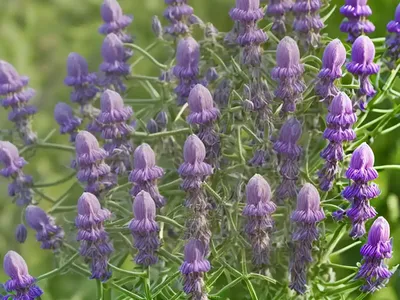
King Tut Grass Pea (Lathyrus Azureus)
Lathyrus azureus, commonly known as King Tut Grass Pea, is a striking and versatile plant that has gained popularity among gardeners and plant enthusiasts..
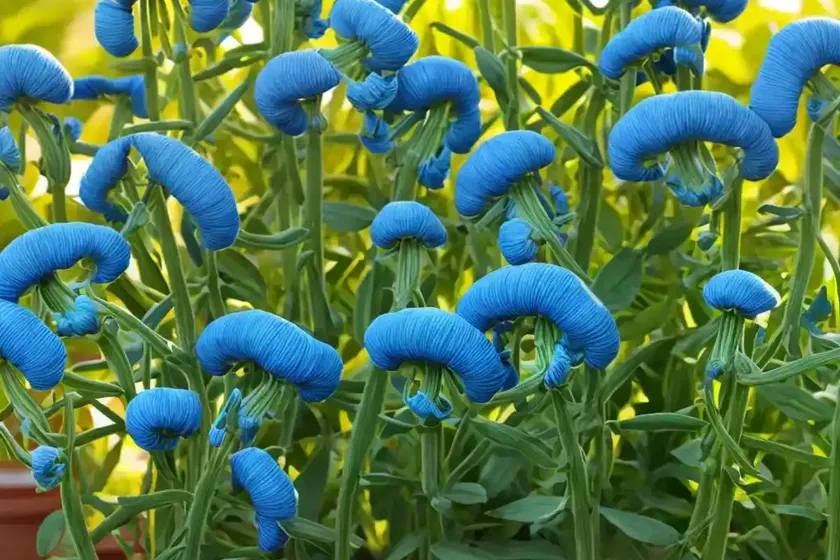
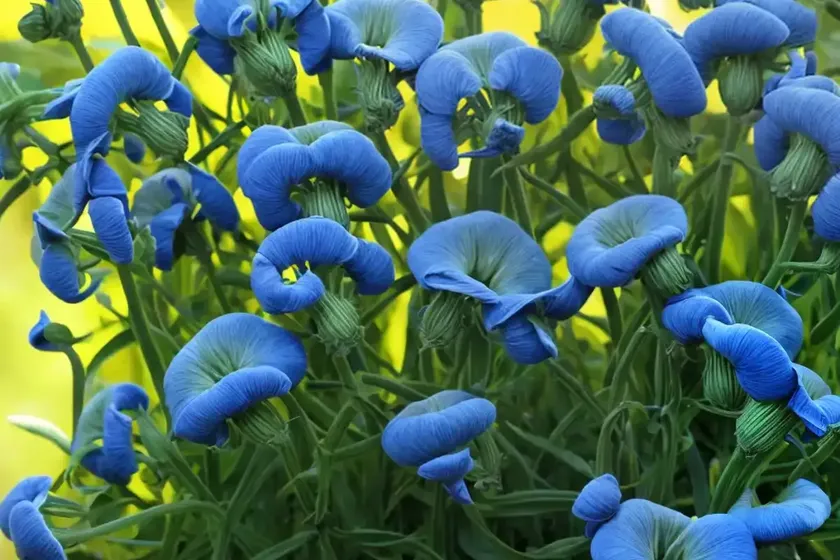
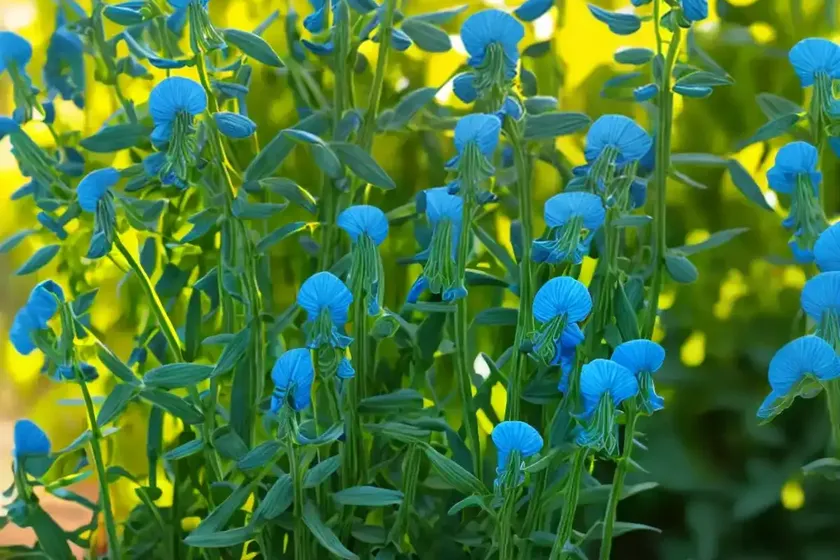
Lathyrus azureus, commonly known as King Tut Grass Pea, is a striking and versatile plant that has gained popularity among gardeners and plant enthusiasts. In this comprehensive guide, we will explore everything you need to know about cultivating and caring for this enchanting plant. From its cultural significance and folklore to its growth habits and medicinal properties, this guide covers all aspects of Lathyrus azureus. Whether you are a beginner looking to add this plant to your collection or an experienced gardener seeking to enhance your knowledge, this guide will provide valuable insights and tips for successfully growing and enjoying the beauty of King Tut Grass Pea.
What is King Tut Grass Pea (Lathyrus Azureus)?
Lathyrus azureus, commonly known as King Tut Grass Pea, is a species of flowering plant in the pea family, Fabaceae. It is native to the Mediterranean region and is known for its vibrant blue flowers and delicate foliage. This versatile plant is valued for its ornamental beauty, as well as its various cultural and ecological uses. In addition to its aesthetic appeal, King Tut Grass Pea has been historically significant, with references in folklore and mythology.
Key Takeaways – King Tut Grass Pea (Lathyrus Azureus)
Before delving into the details of cultivation and care, let’s take a look at some essential key takeaways about King Tut Grass Pea:
- Plant Name: Lathyrus Azureus
- Common Name: King Tut Grass Pea
- Family: Fabaceae
- Native Region: Mediterranean
- Flower Color: Vibrant Blue
- Cultural Significance: Historically Significant
- Growth Habit: Herbaceous Perennial
- Uses: Ornamental, Medicinal, Ecological
- Sunlight Preferences: Full Sun to Partial Shade
- Watering Needs: Moderate
- Soil Requirements: Well-Drained, Fertile
- Hardiness Zones: 4 – 9
Now, let’s delve into the details of cultivating and caring for King Tut Grass Pea, covering aspects such as propagation, soil preferences, watering needs, disease prevention, pests control, and much more.
Cultivation and Care of King Tut Grass Pea
Cultivating King Tut Grass Pea requires an understanding of its specific cultural requirements, including sunlight, water, soil, and maintenance practices. By providing the right conditions and care, you can ensure the health and vitality of this beautiful plant.
Sunlight
King Tut Grass Pea thrives in full sun to partial shade. When selecting a location for planting, aim to provide the plant with at least 6 to 8 hours of sunlight per day. In hotter climates, partial shade during the intense midday sun can be beneficial, preventing the plant from becoming stressed.
Water
In terms of watering, King Tut Grass Pea prefers moderate levels of moisture. While it is important to keep the soil consistently moist, it is equally crucial to ensure good drainage to prevent waterlogging. Water the plant thoroughly when the top inch of the soil feels dry, and avoid overwatering, as excessive moisture can lead to root rot and other issues.
Soil
The soil requirements for King Tut Grass Pea include well-drained and fertile soil. A loamy soil with good organic content is ideal for promoting healthy and robust growth. Additionally, maintaining a slightly acidic to neutral pH level (around 6.0 to 7.0) in the soil can support optimal nutrient uptake by the plant.
Fertilizer
Fertilization is essential for providing King Tut Grass Pea with the necessary nutrients for vigorous growth and prolific flowering. A balanced, all-purpose fertilizer can be applied during the growing season, following the manufacturer’s recommendations for dilution and frequency. Organic amendments such as compost can also contribute to soil fertility and overall plant health.
Pruning
Pruning plays a crucial role in maintaining the shape, vigor, and flowering of King Tut Grass Pea. Regular deadheading, which involves the removal of spent flowers, can promote continuous blooming and prevent the plant from channeling energy into seed production. Additionally, pruning back any damaged or overgrown stems can help maintain a tidy appearance and encourage new growth.
Propagation of King Tut Grass Pea
King Tut Grass Pea can be propagated through various methods, including seed sowing and division. Each propagation technique offers its unique advantages and can be chosen based on the specific requirements and preferences of the gardener. Here are the primary propagation methods for King Tut Grass Pea:
Seed Sowing
Sowing seeds is a popular and straightforward method for propagating King Tut Grass Pea. To sow seeds, follow these steps:
- Select a well-draining seed-starting mix or potting soil.
- Plant the seeds at the recommended depth, typically around 1/4 inch deep.
- Water the soil thoroughly and place the container in a warm, brightly lit area.
- Ensure consistent moisture levels and provide adequate ventilation.
- Once the seedlings have developed several sets of true leaves, they can be transplanted into individual containers or outdoor locations.
Division
Division involves separating existing clumps of King Tut Grass Pea into smaller sections, each with its own roots and shoots. This method can be employed during the plant’s active growth period and is particularly useful for rejuvenating mature plants and establishing new specimens in different areas of the garden. Here’s how to propagate King Tut Grass Pea through division:
- Select a healthy, established clump of King Tut Grass Pea.
- Gently lift the clump from the soil and inspect the root structure.
- Using a clean, sharp tool, such as a garden spade or knife, carefully divide the clump into smaller sections, ensuring that each division has adequate roots and shoots.
- Replant the divided sections in prepared soil, water thoroughly, and provide appropriate care to encourage establishment and growth.
Growing King Tut Grass Pea in Containers
For gardeners with limited space or those seeking to showcase King Tut Grass Pea on patios, balconies, or indoor settings, growing in containers offers a convenient and visually appealing option. When growing King Tut Grass Pea in containers, consider the following aspects to ensure the plant’s health and vitality:
- Container Selection: Choose a spacious container with adequate drainage holes to support healthy root development and prevent waterlogging.
- Potting Mix: Select a high-quality potting mix that offers good drainage and aeration. Consider adding organic matter to improve soil structure and nutrient retention.
- Watering: Check the moisture levels regularly and water the plant as needed to keep the soil consistently moist but not waterlogged.
- Sunlight: Place the container in a location that receives ample sunlight, either outdoors or near a bright window for indoor cultivation.
- Fertilization: Apply a balanced, water-soluble fertilizer at the recommended intervals to provide essential nutrients for robust growth and flowering.
By addressing these factors and providing attentive care, King Tut Grass Pea can thrive and display its captivating beauty in container settings, adding charm and elegance to any space.
Common Diseases and Pests of King Tut Grass Pea
While King Tut Grass Pea is generally resilient, it may be susceptible to certain diseases and pests under unfavorable conditions. Understanding these potential issues and recognizing their symptoms is crucial for implementing timely interventions and preventing widespread damage. Here are some common diseases and pests that may affect King Tut Grass Pea:
Common Diseases
- Powdery Mildew: A fungal disease that manifests as a powdery white coating on the leaves, stems, and flowers. It can hinder photosynthesis and weaken the plant’s overall health.
- Root Rot: Caused by waterlogged soil conditions or poorly draining soil, leading to decay of the root system and subsequent wilting and decline of the plant.
- Leaf Spot: Characterized by the appearance of dark lesions or spots on the foliage, affecting the plant’s aesthetics and potentially causing defoliation.
Disease Diagnosis
When diagnosing and addressing diseases in King Tut Grass Pea, it is essential to:
- Monitor the plant regularly for any signs of unusual discoloration, spots, or abnormalities.
- Implement proper cultural practices, including adequate spacing, proper watering, and airflow to minimize the risk of disease development.
- Utilize appropriate fungicidal treatments when necessary, following the recommended application rates and schedules to manage fungal diseases effectively.
- Consider removing severely affected plant parts to prevent the spread of pathogens and promote the recovery of the plant.
Common Pests
- Aphids: Small, soft-bodied insects that feed on the sap of the plant, often congregating on the underside of leaves and causing distortion and yellowing of foliage.
- Spider Mites: Tiny arachnids that suck the plant’s juices, leading to stippling, webbing, and eventual decline of the plant.
- Thrips: Minute, slender insects that cause damage by piercing plant tissues and feeding on cell contents, resulting in silvering and discoloration of leaves.
Pest Control
Controlling pests in King Tut Grass Pea can involve the following measures:
- Regularly inspect the plant for signs of pest infestation, such as distorted foliage, stippling, and webbing.
- Use insecticidal soaps, horticultural oils, or natural predators to manage aphids and spider mites effectively.
- Consider employing reflective mulches or physical barriers to deter thrips and other small insects from infesting the plant.
- Implementing integrated pest management (IPM) strategies, such as biological controls and cultural practices, to minimize reliance on chemical treatments and preserve beneficial insect populations.
By proactively addressing disease and pest issues through vigilant monitoring and appropriate interventions, you can safeguard the health and vitality of King Tut Grass Pea, allowing it to flourish and enchant with its stunning blooms and lush foliage.
Botanist’s Tips for Growing King Tut Grass Pea
To further enhance the success and enjoyment of cultivating King Tut Grass Pea, here are some valuable tips and recommendations from botanists and experienced gardeners:
-
Mulch: Apply a layer of organic mulch around the base of the plant to conserve moisture, suppress weeds, and provide insulation to the root system. Mulching also contributes to soil health and fertility over time.
-
Support: Utilize gentle support structures, such as trellises or stakes, to guide the growth of King Tut Grass Pea and prevent sprawling. This can help maintain an organized and visually appealing growth habit.
-
Companion Plants: Pair King Tut Grass Pea with complementary plants, such as other flowering perennials, ornamental grasses, or aromatic herbs, to create harmonious and diverse garden beds or container arrangements.
-
Seasonal Care: Adjust your care routine according to the changing seasons, paying attention to temperature fluctuations, precipitation levels, and daylight duration to accommodate the plant’s needs throughout the year.
-
Encouraging Wildlife: King Tut Grass Pea can attract pollinators such as bees, butterflies, and hummingbirds with its nectar-rich flowers. By welcoming these beneficial visitors, you can promote biodiversity and ecological balance in your garden.
By implementing these suggestions and considering the insights shared by knowledgeable experts, you can elevate your gardening experience and foster the optimal growth and splendor of King Tut Grass Pea.
Fun Facts About King Tut Grass Pea
Beyond its captivating beauty and cultural significance, King Tut Grass Pea holds several intriguing and lesser-known characteristics. Here are some fun facts about this remarkable plant:
-
Ethnobotanical Significance: King Tut Grass Pea has been historically valued for its ethnobotanical uses, with references in traditional medicine, culinary practices, and cultural rituals among various communities.
-
Folklore and Mythology: The plant has been associated with folklore and mythology in different cultures, symbolizing themes of resilience, renewal, and prosperity in various narratives and traditions.
-
Edible Uses: Certain parts of King Tut Grass Pea, such as the young shoots and seeds, are edible and have been used as a source of sustenance in specific culinary traditions.
-
Wildlife Attraction: The nectar-rich flowers of King Tut Grass Pea attract pollinators and beneficial insects, contributing to the biodiversity and ecological balance of garden and natural settings.
-
Medicinal Properties: Traditional herbal remedies have utilized specific components of the plant for their perceived medicinal benefits, ranging from anti-inflammatory properties to digestive support.
By exploring these fascinating aspects of King Tut Grass Pea, you can gain a deeper appreciation for its multifaceted nature and its significance across different realms of human culture and ecological systems.
Links to External Resources
For further information and resources on King Tut Grass Pea (Lathyrus Azureus), refer to the following links:
- The Royal Horticultural Society – Lathyrus Azureus
- University of Florida IFAS Extension – Growing Lathyrus
- Missouri Botanical Garden – Lathyrus Azureus
- American Society for the Prevention of Cruelty to Animals – Plants Toxic to Animals: Lathyrus
- Royal Botanic Gardens, Kew – Lathyrus Azureus Conservation
These resources offer valuable insights, guidelines, and perspectives on the cultivation, care, and ecological significance of King Tut Grass Pea, contributing to a comprehensive understanding of this enchanting plant.
In conclusion, King Tut Grass Pea (Lathyrus Azureus) stands as a captivating and versatile plant with a rich tapestry of cultural, ecological, and aesthetic attributes. By embracing its stunning beauty and understanding its specific requirements, enthusiasts and gardeners can cultivate and appreciate the allure of King Tut Grass Pea, adding a touch of elegance and enchantment to their outdoor and indoor spaces.
Happy gardening, and may the ethereal blooms of King Tut Grass Pea grace your landscapes and hearts with their timeless charm and grace.
Image: A stunning cluster of vibrant blue flowers adorning the graceful foliage of King Tut Grass Pea
References
- Royal Horticultural Society. “Lathyrus Azureus.” https://www.rhs.org.uk/plants/184781/i-lathyrus-azureus-i/details
- University of Florida IFAS Extension. “Growing Lathyrus.” https://edis.ifas.ufl.edu/mv046
- Missouri Botanical Garden. “Lathyrus Azureus.” https://www.missouribotanicalgarden.org/PlantFinder/PlantFinderDetails.aspx?kempercode=a880
- American Society for the Prevention of Cruelty to Animals. “Plants Toxic to Animals: Lathyrus.” https://www.aspca.org/pet-care/animal-poison-control/toxic-and-non-toxic-plants/lathyrus-azureus
- Royal Botanic Gardens, Kew. “Lathyrus Azureus Conservation.” https://www.kew.org/science-conservation/plants-fungi/lathyrus-azureus