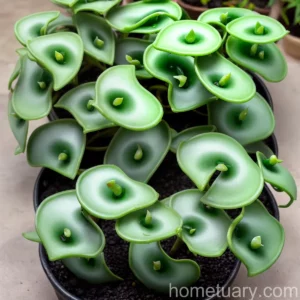
Sea Mango (Cerbera Manghas): A Unique Wonder of Coastal Ecosystems
Introduction
Plants play a crucial role in our lives, from purifying the air we breathe to providing food, medicine, and shelter. However, there are some plants that not only serve practical purposes but also hold cultural significance and ecological importance. One such fascinating plant is the Sea Mango, also known as Cerbera Manghas. In this comprehensive guide, we will delve into the various aspects of Sea Mango, exploring its characteristics, uses, cultivation, folklore, and much more.
What is Sea Mango (Cerbera Manghas)?
The Sea Mango, scientifically known as Cerbera Manghas, is a coastal plant that belongs to the Apocynaceae family. This evergreen tree is native to the Indian subcontinent, Southeast Asia, Australia, and various Pacific Islands. It is renowned for its unique properties, including its ability to thrive in coastal ecosystems and its traditional uses in local folklore and traditional medicine.
Sea Mango (Cerbera Manghas) Botanical Profile
- Scientific Name: Cerbera Manghas
- Common Name: Sea Mango
- Family: Apocynaceae
- Habitat: Coastal regions of the Indian subcontinent, Southeast Asia, Australia, and Pacific Islands
- Distribution: Widely distributed in coastal areas of tropical and subtropical regions
Key Takeaways – Sea Mango (Cerbera Manghas)
Before we proceed further, let’s highlight some key takeaways about the Sea Mango (Cerbera Manghas) that we will explore in detail throughout this guide:
1. Description and characteristics of Sea Mango
2. Uses in traditional medicine and folklore
3. Cultivation and growth requirements
4. Coastal significance and environmental benefits
With these key takeaways in mind, let’s embark on an insightful journey to understand the Sea Mango in its entirety.
Sea Mango (Cerbera Manghas) Description and Characteristics
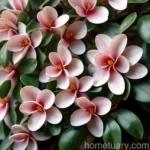
The Sea Mango, with its glossy, dark green leaves and fragrant white flowers, exhibits a distinct charm that sets it apart from other coastal plants. Its unique features and characteristics make it a valuable addition to coastal ecosystems and tropical landscapes.
Sea Mango (Cerbera Manghas) Description
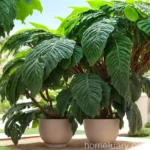
The Sea Mango plant is a small to medium-sized tree that can reach heights of up to 15 meters. It boasts an erect and slender trunk with a dense crown of foliage. The leaves are leathery, elliptic to oblong in shape, and possess a glossy appearance. The flowers are star-shaped, white, and emit a sweet fragrance, attracting various pollinators.
Sea Mango (Cerbera Manghas) Characteristics
- Leaves: Glossy, dark green, leathery
- Flowers: White, star-shaped, fragrant
- Fruit: Oval, green, fleshy, with a hard shell containing poisonous seeds
- Toxicity: Contains toxic compounds, including cerberin and cardiac glycosides
- Coastal Adaptation: Tolerant of saline soils and coastal winds
- Growth Habit: Evergreen, dense foliage, erect trunk
The unique characteristics of the Sea Mango not only contribute to its ornamental value but also play a crucial role in its traditional uses and ecological significance.
Sea Mango (Cerbera Manghas) Culture
Understanding the cultural significance of the Sea Mango sheds light on its traditional uses, folklore, and spiritual symbolism. Let’s explore the diverse cultural aspects associated with this coastal plant.
Sea Mango (Cerbera Manghas) Traditional Uses
The Sea Mango has been an integral part of coastal communities, where it holds traditional significance in various aspects of daily life. Traditional uses of the Sea Mango include:
– Medicinal Purposes: Extracts from the Sea Mango have been used in traditional medicine to treat ailments, although caution is necessary due to its toxicity.
– Folklore and Mythology: The plant has been part of local folklore, often symbolizing resilience, protection, and coastal heritage.
– Spiritual Significance: In some cultures, the Sea Mango holds spiritual significance, being associated with rituals and beliefs related to coastal ecosystems.
The deep-rooted cultural connections of the Sea Mango highlight its importance beyond its ecological role, showcasing its influence on human traditions and customs.
Sea Mango (Cerbera Manghas) Symbolism and Folklore
The Sea Mango, with its coastal habitat and unique features, has become a symbol of coastal resilience, strength, and adaptability in various local folklore and traditions. Its presence in coastal mythology and cultural beliefs emphasizes the profound impact of this plant on the cultural landscape of coastal communities.
Uses of Sea Mango (Cerbera Manghas)
Beyond its cultural significance, the Sea Mango offers a range of practical uses and benefits, enriching the lives of people living in coastal regions.
Sea Mango (Cerbera Manghas) Environmental Benefits
The Sea Mango plays a vital role in maintaining the ecological balance of coastal ecosystems by:
– Coastal Stabilization: The extensive root system of the Sea Mango helps prevent coastal erosion, stabilizing shorelines and protecting habitats.
– Biodiversity Support: The presence of Sea Mango enriches coastal biodiversity by providing habitat and sustenance for various species of flora and fauna.
– Saline Tolerance: Its ability to thrive in saline soils contributes to the resilience of coastal vegetation, especially in areas prone to saltwater intrusion.
The environmental benefits of the Sea Mango underscore its significance in coastal conservation and sustainability efforts.
Sea Mango (Cerbera Manghas) Ornamental Value
Due to its attractive foliage and fragrant flowers, the Sea Mango holds ornamental value and has been used in landscaping to enhance tropical gardens and coastal landscapes. Its aesthetic appeal adds a touch of elegance to coastal environments, making it a sought-after plant for landscaping purposes.
Sea Mango (Cerbera Manghas) Growth Requirements
To cultivate and nurture Sea Mango effectively, understanding its growth requirements, including water, sunlight, fertilizer, soil, and pruning practices, is essential. Let’s explore these aspects in detail.
Water
The Sea Mango, being a coastal plant, exhibits tolerance to saltwater and can withstand periodic inundation by salt spray and saline water. However, during the initial establishment phase, regular watering is essential to facilitate root development. Once established, the plant can adapt to varying moisture levels, ranging from occasional flooding to well-drained soils.
Sunlight
Being a tropical coastal plant, Sea Mango thrives in full sunlight, requiring at least 6-8 hours of direct sunlight for optimal growth. Adequate sunlight is crucial for the plant’s photosynthetic processes and the development of flowers and fruits.
Fertilizer
In coastal environments with nutrient-poor soils, providing a balanced fertilizer can enhance the growth and vigor of Sea Mango. A slow-release fertilizer with a balanced NPK (nitrogen, phosphorus, and potassium) ratio can support the plant’s nutritional needs without causing excessive vegetative growth.
Soil
The Sea Mango prefers well-drained, slightly acidic to neutral soils enriched with organic matter. In coastal regions with sandy or loamy soils, amending the soil with organic compost can improve moisture retention and nutrient availability.
Pruning
Regular pruning of the Sea Mango helps maintain its shape, remove dead or diseased branches, and encourage new growth. Pruning should be carried out during the dormant season to minimize stress on the plant and promote healthy regrowth.
Sea Mango (Cerbera Manghas) Propagation Methods
Propagating Sea Mango can be achieved through various methods, including seed propagation, stem cuttings, and air layering. Each method offers unique advantages and challenges, allowing for flexibility in propagating this coastal plant.
Seed Propagation
Seeds of Sea Mango can be collected from mature fruits and sown in well-draining potting mix. Pre-soaking the seeds in water for 24 hours can enhance germination. However, it’s important to handle the seeds with caution due to their toxic nature.
Stem Cuttings
Using semi-hardwood stem cuttings from healthy, disease-free plants offers an efficient method of propagation. The cuttings should be treated with a rooting hormone and placed in a well-drained rooting medium to encourage root development.
Air Layering
Air layering, a propagation technique where a portion of the stem is induced to form roots while still attached to the parent plant, can also be employed for Sea Mango propagation. This method is often used to propagate specific cultivars or clones with desirable traits.
Sea Mango (Cerbera Manghas) Container Gardening
The adaptability of Sea Mango to container gardening makes it an attractive option for individuals looking to bring the charm of coastal flora into their homes and gardens. Here are some key considerations for growing Sea Mango in containers:
Container Size
Select a container that accommodates the growth potential of the Sea Mango, providing ample room for root development. A large, sturdy container with drainage holes is recommended to ensure proper growth and stability.
Soil Mix
Employ a well-draining potting mix suitable for tropical plants, enriched with organic matter to promote healthy growth. Avoid compacted or water-logged soils that can hinder the plant’s development.
Sunlight
Place the container in a location that receives abundant sunlight to support the plant’s photosynthetic needs. Consider the orientation of the container to maximize sun exposure throughout the day.
Sea Mango (Cerbera Manghas) Common Diseases
While Sea Mango exhibits resilience in coastal environments, it is susceptible to certain diseases that can affect its growth and overall health. Understanding these common diseases and their management is pivotal for maintaining the well-being of Sea Mango plants.
Disease Diagnosis
Diagnosing diseases in Sea Mango involves observing and identifying symptoms such as leaf discoloration, wilting, fungal growth, or unusual patterns of foliar damage. Common diseases of Sea Mango include:
– Powdery Mildew: A fungal disease characterized by white powdery growth on leaves and stems.
– Root Rot: Caused by waterlogged soils, leading to root decay and wilting of foliage.
– Leaf Spot Diseases: Bacterial or fungal infections causing dark spots on leaves and premature leaf drop.
Disease Management
To manage and prevent diseases in Sea Mango, implementing cultural practices such as proper watering, sanitation, and promoting good air circulation is essential. Additionally, applying organic fungicides or biocontrol agents can help combat fungal diseases without causing harm to the plant or the environment.
Sea Mango (Cerbera Manghas) Common Pests
In addition to diseases, Sea Mango may face challenges from pests that can feed on its foliage, impairing its growth and vitality. Identifying and managing these common pests is crucial for maintaining the health and vigor of Sea Mango plants.
Common Pests
Pests that can affect Sea Mango include:
– Scale Insects: Small, immobile pests that adhere to the leaves and stems, feeding on plant sap.
– Mealybugs: Soft-bodied insects that create waxy secretions on the plant, causing leaf yellowing and stunted growth.
– Caterpillars: Larval stages of moths and butterflies that can defoliate the plant if present in large numbers.
Pest Management
Implementing integrated pest management practices, including regular monitoring, mechanical control, and targeted use of horticultural oils or insecticidal soaps, can effectively manage pests without resorting to harsh chemical treatments. Maintaining a balanced ecosystem with natural predators can also contribute to pest control efforts.
Botanist’s Tips for Growing Sea Mango (Cerbera Manghas)
To ensure the successful cultivation and care of Sea Mango, here are some expert tips from botanists and horticulturists:
- Plant Selection: Choose healthy, nursery-grown specimens with well-established root systems for optimum growth.
- Soil Preparation: Amend the soil with organic matter before planting to promote root development and improve nutrient availability.
- Toxicity Concerns: Exercise caution regarding the toxic properties of Sea Mango, especially when handling or planting it in areas frequented by children and pets.
- Coastal Adaptation: Emphasize the coastal adaptability of Sea Mango, utilizing its resilience to stabilize shorelines and enhance coastal biodiversity.
Fun Facts About Sea Mango (Cerbera Manghas)
Uncover some intriguing and lesser-known facts about Sea Mango that highlight its unique characteristics and ecological significance:
- The fruits of Sea Mango, while toxic to humans, offer sustenance to certain coastal bird species that have developed immunity to their toxic compounds.
- The wood of Sea Mango, known for its durability and resistance to marine borers, has been traditionally used in boat-building and coastal construction.
Links to External Resources
For further exploration of Sea Mango (Cerbera Manghas) and related topics, consider the following external resources:
- Coastal Ecosystem Conservation and Management
- Traditional Knowledge and Ethnobotany
- Environmental Benefits of Coastal Plants
- Coastal Mythology and Folklore
In conclusion, the Sea Mango (Cerbera Manghas) stands as a remarkable emblem of coastal resilience, cultural heritage, and ecological significance. Its ability to thrive in harsh coastal environments, while offering a range of practical and ornamental uses, underscores its unique position in the realm of coastal flora. By delving into its characteristics, uses, and cultural significance, we gain a deeper appreciation for the Sea Mango and its vital role in coastal ecosystems worldwide.