Natal Plum (Carissa Macrocarpa)
Plants have an incredible ability to captivate and enrich our lives. Whether it’s through their beauty, health benefits, or ecological value, plants play.
Plants have an incredible ability to captivate and enrich our lives. Whether it’s through their beauty, health benefits, or ecological value, plants play an essential role in our world. One such plant that has garnered attention for its plethora of attributes is the Natal plum (Carissa macrocarpa). In this comprehensive guide, we will delve into the intriguing world of the Natal plum, exploring its culture, uses, care requirements, and much more.
What is Natal Plum (Carissa macrocarpa)?
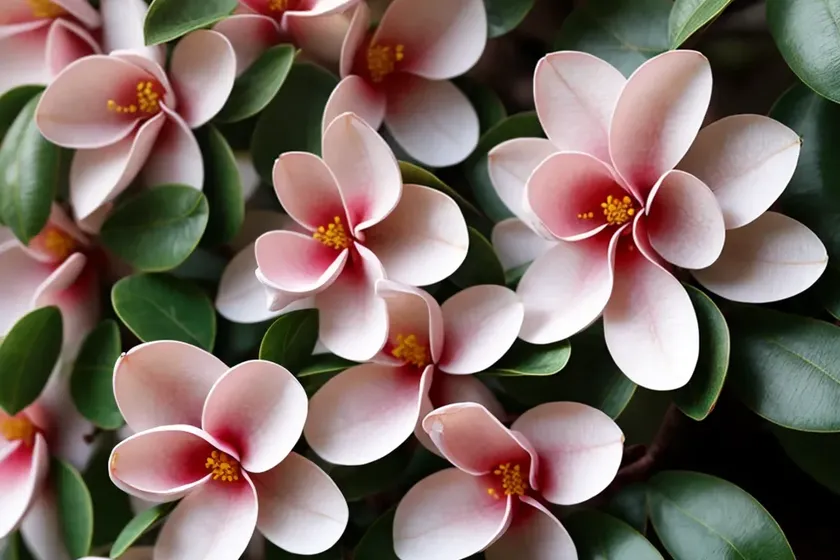
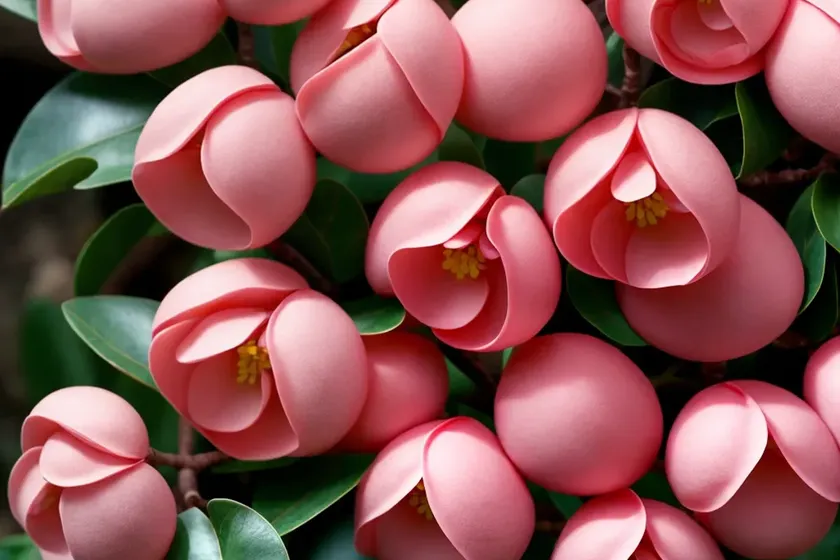
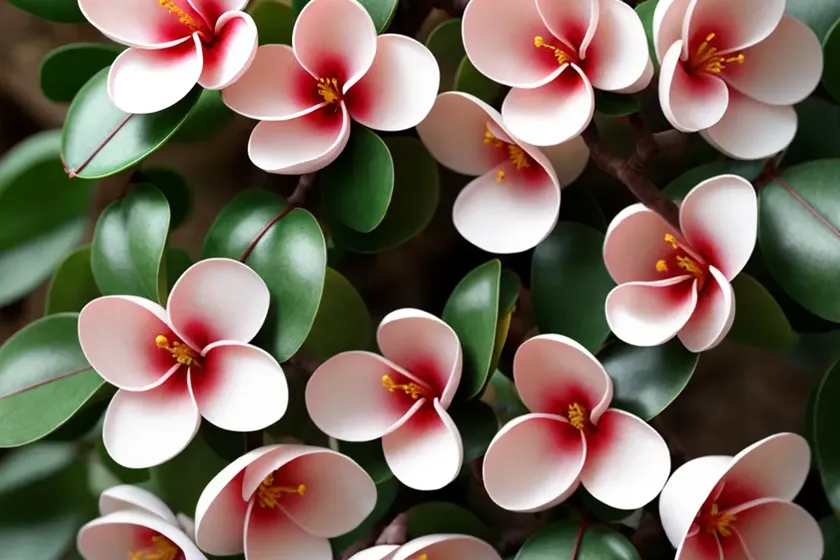
The Natal plum (Carissa macrocarpa) is a resilient and striking evergreen shrub native to South Africa. It is a member of the Apocynaceae family and is renowned for its glossy, deep green leaves, and fragrant, star-shaped white flowers. What makes the Natal plum truly remarkable is its edible, juicy, dark red fruits that resemble small plums.
Key Takeaways – Natal Plum (Carissa macrocarpa)
Let’s explore the key takeaways of the Natal plum, from its cultural significance to its diverse uses and care requirements.
-
Cultural Significance: The Natal plum holds immense cultural significance in South Africa, where it is also known as the large num-num. It is used in traditional medicine, culinary preparations, and even as a hedge plant in landscaping.
-
Exquisite Uses: Beyond its ornamental appeal, the Natal plum’s fruits are utilized in jams, jellies, and beverages. The plant’s resilience and adaptability make it a popular choice for coastal gardens, ornamental hedges, and wildlife habitats.
-
Care Requirements: To thrive and flourish, the Natal plum requires well-drained soil, ample sunlight, and periodic pruning. Its adaptable nature also makes it suitable for container gardening.
In the following sections, we will explore the fascinating facets of the Natal plum in greater detail, covering its cultural significance, uses, care requirements, and tips for cultivation and maintenance.
Culture
Cultural Significance
The Natal plum, or Carissa macrocarpa, holds deep-rooted cultural significance in South Africa. In Zulu culture, the plant is traditionally used to mark the graves of chiefs, symbolizing a connection to the afterlife. Moreover, the plant is also revered for its medicinal properties, with various parts of the plant being used to treat ailments such as coughs, colds, and ear infections.
This cultural significance has also extended the plant’s usage to culinary traditions, where its fruits are incorporated into jams, preserves, and alcoholic beverages. Additionally, the Natal plum is valued for its use in traditional rituals and ceremonies, further cementing its importance in the cultural tapestry of South Africa.
Uses
Culinary Applications
The Natal plum’s succulent, ruby-red fruits are a prized ingredient in the culinary realm. Known for their sweet, tangy flavor, the fruits are used to create delectable jams, jellies, and syrups. The striking color and unique taste of the Natal plum make it a popular choice for adding a touch of exotic flair to various culinary creations. Furthermore, the fruits are also used to infuse spirits and create flavorful liqueurs, adding a delightful twist to beverages.
Medicinal Properties
Beyond its culinary uses, the Natal plum possesses medicinal properties that have been harnessed for generations. The plant’s leaves and roots are known for their antibacterial and anti-inflammatory attributes, making them valuable ingredients in traditional medicines. From treating respiratory ailments to aiding in digestive health, the Natal plum’s medicinal properties continue to be celebrated in herbal remedies.
Ornamental Value
In addition to its practical applications, the Natal plum is cherished for its ornamental value. The plant’s glossy foliage, fragrant flowers, and vibrant fruits make it a captivating choice for landscaping. As a hedge plant, the Natal plum adds a touch of elegance and natural beauty to gardens and outdoor spaces. Its dense, evergreen foliage and tolerance to coastal conditions further enhance its appeal as an ornamental plant.
Water
The Natal plum, or Carissa macrocarpa, thrives in well-drained soil and benefits from regular watering. However, it is essential to avoid waterlogging, especially during the plant’s dormant period. As a general guideline, the Natal plum should be watered when the soil begins to dry out, striking a balance between hydration and avoiding excessive moisture. In warmer climates or during the plant’s active growth phase, more frequent watering may be necessary to ensure optimal growth and fruit production.
Sunlight
Ample sunlight is essential for the healthy growth and fruiting of the Natal plum. This plant thrives in full sunlight, requiring a minimum of 6-8 hours of direct sunlight each day. When selecting a planting site, prioritize locations that receive abundant sunlight to provide the Natal plum with the light it needs to flourish. Adequate sunlight not only promotes robust growth but also enhances the plant’s ability to produce abundant, flavorful fruits.
Fertilizer
To support the Natal plum’s growth and fruit production, a balanced fertilizer can be applied during the plant’s active growing season. A 10-10-10 fertilizer or a similar formulation can be used, applying it according to the manufacturer’s instructions. It’s advisable to fertilize the plant in early spring, providing it with the nutrients it needs to thrive as it enters the growing season. Prior to applying fertilizer, it is beneficial to ensure that the soil is moist to aid in the effective distribution of nutrients.
Soil
The Natal plum thrives in well-drained, fertile soil, making it essential to select a planting site with these qualities. A loamy soil composition that offers good drainage is particularly well-suited to the Natal plum’s needs. Furthermore, incorporating organic matter into the soil can enhance its fertility and moisture retention, contributing to the overall health and vigor of the plant. When planting in containers, using a well-draining potting mix is crucial to create an optimal growing environment for the Natal plum.
Pruning
Pruning plays a crucial role in maintaining the health, shape, and fruiting potential of the Natal plum. Regular pruning helps to remove dead or damaged branches, promote air circulation, and shape the plant as desired. Additionally, pruning encourages new growth and contributes to the development of a dense, compact form. The best time to prune the Natal plum is in the late winter or early spring, before the plant enters its active growth phase.
Propagation
Seed Propagation
The Natal plum can be propagated from seeds, providing an opportunity to cultivate new plants and expand its presence in various settings. To propagate the Natal plum from seeds, it is recommended to scarify the seeds lightly and soak them in water for 24 hours to enhance germination. Plant the seeds in a well-draining potting mix, maintaining adequate moisture and warmth to support the growth of seedlings. With proper care and patience, the Natal plum can be propagated successfully from seeds.
Stem Cuttings
Another popular method of propagating the Natal plum is through stem cuttings. Select healthy, non-flowering stems to take cuttings, ensuring that each cutting has several nodes. After preparing the cuttings, plant them in a rooting medium and provide the appropriate conditions for rooting to occur. With consistent care and favorable environmental conditions, the stem cuttings will develop roots and establish themselves as new Natal plum plants.
Container Popularity
The Natal plum’s adaptability and ornamental value make it a popular choice for container gardening. Whether grown on patios, balconies, or in indoor settings, the Natal plum thrives in containers, showcasing its elegant foliage and producing its delectable fruits. The plant’s compact nature and ability to thrive in confined spaces make it an ideal candidate for container gardening, adding a touch of natural beauty and culinary potential to diverse environments.
Common Diseases:
The Natal plum is generally resistant to many common plant diseases. However, it may be susceptible to fungal diseases such as powdery mildew and leaf spot. To mitigate the risk of fungal infections, it’s crucial to avoid overwatering, provide adequate air circulation, and maintain the plant’s overall health. Observing the plant regularly and addressing any signs of disease promptly can help prevent the spread of infections and preserve the vitality of the Natal plum.
Disease Diagnosis
The early detection and diagnosis of plant diseases is pivotal in preserving the health and vitality of the Natal plum. When observing the plant for signs of disease, it’s important to look for symptoms such as powdery white spots on the leaves, discoloration, or unusual patterns. Consulting with a plant health specialist or utilizing diagnostic resources can aid in accurately identifying and addressing any ailments that may affect the Natal plum.
Common Pests
The Natal plum is relatively resistant to many common pests, but it may encounter occasional challenges from aphids, scale insects, and spider mites. These pests can affect the plant’s health and aesthetic appeal, making it essential to monitor the plant closely and take proactive measures to address any pest infestations. Utilizing horticultural oils, insecticidal soaps, or natural predators can help manage pest populations and safeguard the Natal plum’s well-being.
Botanist’s Tips
As a plant scientist closely acquainted with the Natal plum, I offer the following tips for enhancing the growth and vitality of this remarkable plant:
- Sunlight and Watering: Provide the Natal plum with ample sunlight and maintain consistent watering to support its growth and fruit production.
- Pruning: Regular pruning is essential to shape the plant, promote new growth, and maintain its health. Prune during the late winter or early spring for optimal results.
- Soil and Fertilization: Ensure the Natal plum is planted in well-drained, fertile soil and apply balanced fertilizer during its active growing season to support its nutritional needs.
- Pest and Disease Management: Monitor the plant for pests and diseases, taking proactive measures to address any issues that may arise and safeguard its well-being.
- Propagation: Consider propagating the Natal plum through seeds or stem cuttings to expand its presence and enjoy its delightful fruits in diverse settings.
Fun Facts
- The Natal plum (Carissa macrocarpa) belongs to the same family as the popular oleander plant, known for its vibrant and fragrant flowers.
- The fruits of the Natal plum are not only enjoyed by humans but also attract a variety of birds and wildlife, contributing to the plant’s ecological value.
- In addition to its culinary and ornamental uses, the Natal plum has a rich history in traditional medicine, illustrating its diverse and multifaceted significance.
Links to External Resources
To further explore the captivating world of the Natal plum and delve into its diverse facets, I recommend the following resources:
-
“The Natal plum: A South African heritage plant” – The South African National Biodiversity Institute: This comprehensive resource provides insights into the cultural and ecological significance of the Natal plum, offering a compelling glimpse into its heritage.
-
“Natal Plum (Carissa macrocarpa)” – University of Florida, Institute of Food and Agricultural Sciences: This academic resource offers valuable information on the botanical characteristics, growth requirements, and potential uses of the Natal plum, providing a wealth of knowledge for enthusiasts and horticultural enthusiasts.
-
“Growing Natal Plum Indoors” – Gardeners’ World: For those interested in cultivating the Natal plum in indoor settings, this resource offers practical tips and guidelines for nurturing the plant in containers, enriching the indoor environment with its beauty and bounty.
-
“Medicinal Properties of Carissa macrocarpa” – ResearchGate: This scholarly resource delves into the medicinal properties and potential therapeutic uses of Carissa macrocarpa, shedding light on its versatile attributes and relevance in traditional medicine.
-
“Landscaping with Natal Plum: Design Ideas and Considerations” – The Spruce: For landscape enthusiasts and designers, this resource provides creative ideas and considerations for incorporating the Natal plum into diverse outdoor settings, harnessing its aesthetic appeal and practical benefits.
The Natal plum (Carissa macrocarpa) is a plant of remarkable versatility, offering a tapestry of cultural, culinary, and horticultural delights. From its captivating history to its vital ecological role, the Natal plum continues to enchant and inspire with its myriad attributes and enduring appeal. As we cultivate an appreciation for this extraordinary plant, let us embrace its potential to enrich our lives and environments, celebrating the wondrous world of the Natal plum.