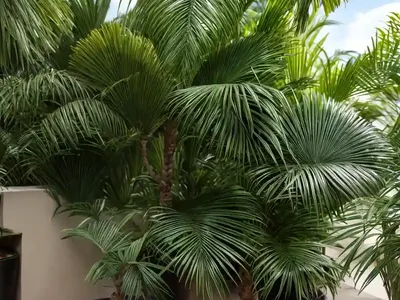
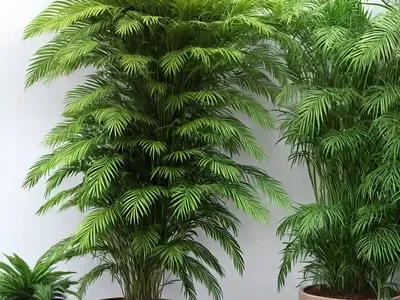
Yellow Butterfly Palm (Dypsis Lutescens)
The Yellow Butterfly Palm, scientifically known as Dypsis lutescens, is a stunning addition to any indoor or outdoor space. As a plant scientist, I am.
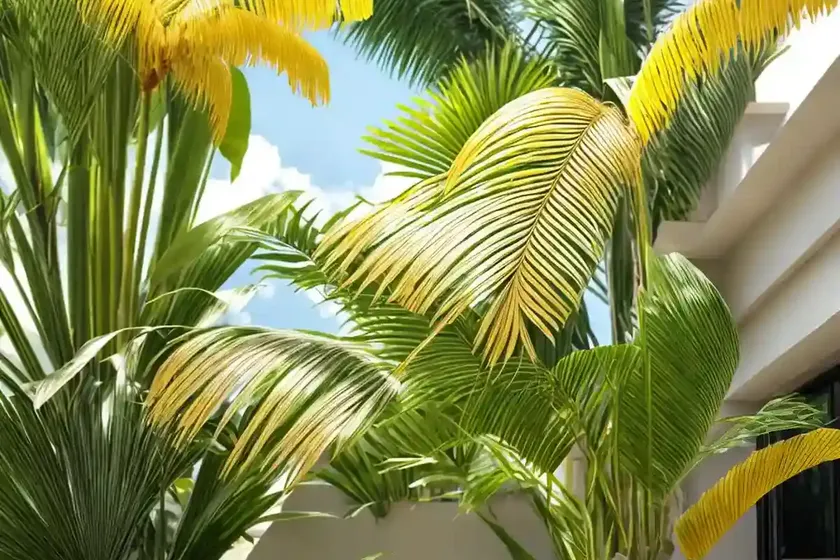
The Yellow Butterfly Palm, scientifically known as Dypsis lutescens, is a stunning addition to any indoor or outdoor space. As a plant scientist, I am excited to share a comprehensive care guide for this beautiful species. In this blog post, we will delve into the culture, uses, water, sunlight, fertilizer, soil, pruning, propagation, common diseases, pests, and much more related to the Yellow Butterfly Palm. Whether you are a beginner plant parent or an experienced enthusiast, this guide will equip you with the knowledge to nurture and appreciate the Yellow Butterfly Palm to its fullest potential.
What is the Yellow Butterfly Palm (Dypsis Lutescens)?
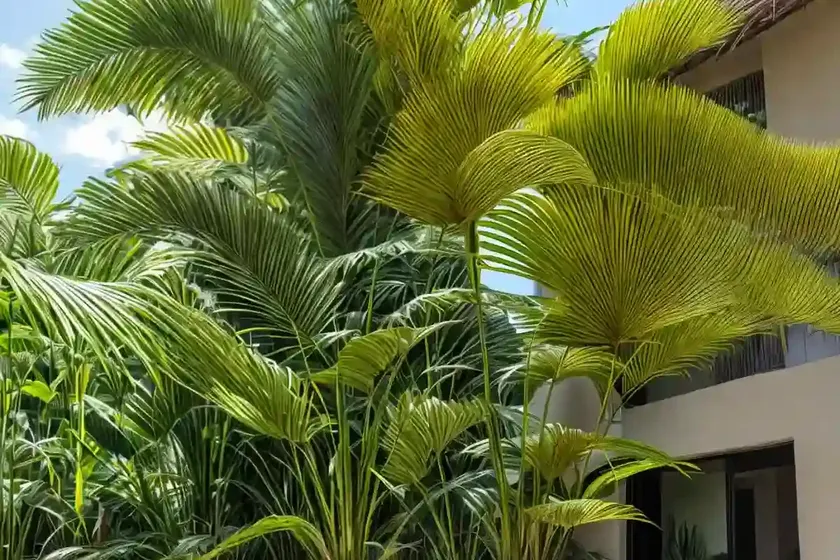
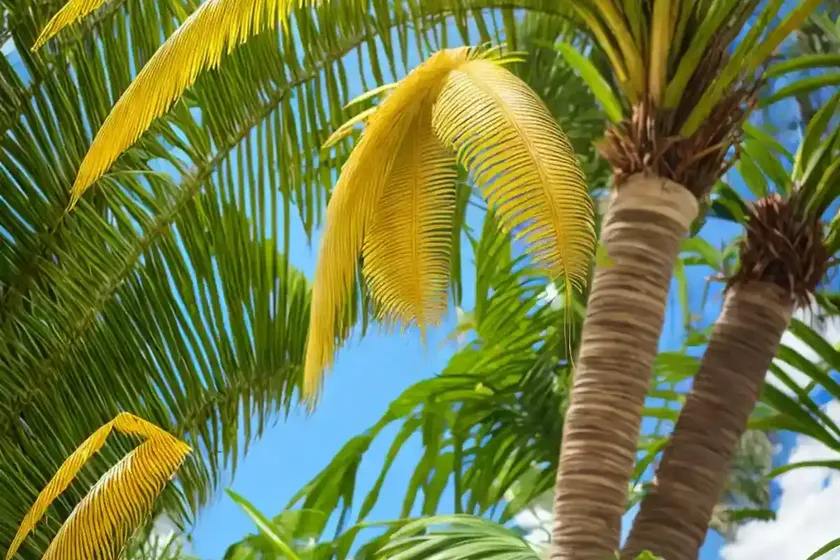
The Yellow Butterfly Palm, also known as the Golden Cane Palm, Areca Palm, or Bamboo Palm, is a species of palm native to Madagascar. It belongs to the Arecaceae family and is treasured for its graceful, feathery fronds and elegant appearance. The plant’s common name, Yellow Butterfly Palm, is derived from the stunning yellow coloration that develops on its petioles under certain growing conditions.
Plant Characteristics
- Scientific Name: Dypsis lutescens
- Common Names: Yellow Butterfly Palm, Golden Cane Palm, Areca Palm, Bamboo Palm
- Family: Arecaceae
- Origin: Madagascar
- Foliage: Evergreen, Feather-like fronds
- Height: Up to 10 feet indoors and even taller when grown outdoors
- Lighting: Thrives in bright, indirect light
- Toxicity: Non-toxic to humans and pets
- Growth Rate: Moderate to fast
Now, let’s explore the key takeaways and detailed care requirements for the Yellow Butterfly Palm to ensure its optimal growth and health.
Key Takeaways – Yellow Butterfly Palm (Dypsis Lutescens)
Culture
The Yellow Butterfly Palm is often prized for its ability to thrive both indoors and outdoors. Understanding its preferred environmental conditions is crucial for ensuring its overall well-being and longevity.
Indoor Cultivation
- Adaptable to various light conditions but thrives in bright, indirect light
- Ideal for homes, offices, and commercial spaces
- Enhances indoor air quality
Outdoor Cultivation
- Flourishes in tropical and subtropical climates
- Suitable for landscaping, adding a tropical touch to gardens
Uses
The versatility of the Yellow Butterfly Palm makes it an attractive addition to both interior and exterior landscapes.
- Indoor decorative plant
- Outdoor landscaping feature
- Tropical garden addition
These attributes make the Yellow Butterfly Palm a favorite among plant enthusiasts, interior designers, and landscapers.
Water
Proper watering is essential for the health of the Yellow Butterfly Palm. Understanding its water requirements can prevent issues such as root rot or dehydration.
- Regular, thorough watering to keep the soil consistently moist (but not waterlogged)
- Allow the top 1-2 inches of the soil to slightly dry out before the next watering
- Adjust watering frequency based on environmental conditions and season
- Use room-temperature water to avoid shocking the plant
Sunlight
The Yellow Butterfly Palm’s light preferences are a key factor in its growth and overall appearance.
- Thrives in bright, indirect light
- Avoid direct sunlight exposure, especially during the hottest parts of the day
- Tolerates lower light conditions but may slow down growth
The plant’s response to light is an important consideration when selecting its placement within indoor or outdoor spaces.
Fertilizer
Providing appropriate nutrients through fertilization supports the Yellow Butterfly Palm’s growth and vitality.
- Use a balanced, water-soluble fertilizer
- Apply fertilizer during the growing season (spring and summer) at half the recommended strength
- Reduce or halt fertilization during the plant’s dormant period (fall and winter)
- Ensure thorough watering after fertilization to prevent salt build-up in the soil
Understanding the plant’s fertilization needs is essential for promoting lush, healthy growth and vibrant foliage.
Soil
Selecting the right type of soil and ensuring proper drainage are crucial for the Yellow Butterfly Palm’s well-being.
- Well-draining potting mix with organic matter
- Consider adding perlite or sand to improve drainage
- Regularly check the soil’s moisture levels to prevent oversaturation
The soil composition directly impacts the plant’s root health and overall growth potential.
Pruning
Pruning is a maintenance task that can enhance the Yellow Butterfly Palm’s appearance and promote new growth.
- Remove discolored, damaged, or dead fronds
- Trim with sterilized pruning tools to prevent the spread of diseases
- Prune sparingly to preserve the plant’s natural form
Pruning contributes to the plant’s overall aesthetics and prevents the accumulation of old, unsightly fronds.
Propagation
Creating new Yellow Butterfly Palm plants through propagation offers an opportunity to expand your plant collection.
- Successful propagation through division or seeds
- Division: Separate offsets from the parent plant with roots attached
- Seeds: Germination may take several months; viable option for growers seeking a propagation challenge
Understanding the propagation methods can empower plant enthusiasts to grow multiple Yellow Butterfly Palm specimens.
Container Popularity
The Yellow Butterfly Palm is well-suited for container cultivation, making it a popular choice for indoor and patio settings.
- Adaptable to various container sizes
- Well-suited for decorative pots and planter boxes
- Indoor containers enhance interior spaces with a touch of tropical elegance
Selecting the right container and ensuring appropriate drainage are critical for the plant’s container growth.
Common Diseases
Like all plants, the Yellow Butterfly Palm is susceptible to certain diseases that can impact its overall health and appearance.
- Fungal Diseases: Including root rot and leaf spots
- Pest Infestations: Such as spider mites and mealybugs
- Bacterial Infections: Manifesting as leaf blight and discoloration
Recognizing the symptoms and implementing proper treatment protocols can help mitigate the impact of diseases on the plant.
Disease Diagnosis
Early detection and prompt intervention are essential for managing and preventing the spread of diseases affecting the Yellow Butterfly Palm.
- Regularly inspect the foliage and soil for signs of disease
- Identify common disease symptoms, including wilting, leaf spots, and discoloration
- Consult with a plant health specialist or horticulturist for accurate diagnosis and treatment recommendations
Vigilance and proactive care contribute to the plant’s resilience against diseases and pests.
Common Pests
Pest management is a crucial aspect of caring for the Yellow Butterfly Palm, as infestations can compromise the plant’s health.
- Spider Mites: Recognized by webbing and stippling on leaves
- Mealybugs: Visible as white, cottony clusters on leaf undersides and stems
- Scale Insects: Noted for their shell-like coverings and impact on plant vigor
Implementing preventive measures and targeted treatments can effectively control pest populations.
Botanist’s Tips
As a plant scientist, I offer the following expert tips for nurturing and enjoying the Yellow Butterfly Palm:
- Mind the Watering: Strive for consistent moisture and avoid drastic fluctuations in soil moisture.
- Optimal Light Levels: Provide bright, indirect light to support healthy growth and vibrant foliage.
- Regular Feeding: Follow a regular fertilization schedule to supply essential nutrients during the growing season.
- Prudent Pruning: Practice minimal, purposeful pruning to maintain the plant’s natural form while removing old fronds for aesthetics.
- Vigilance Against Pests: Monitor for pest activity and implement integrated pest management strategies for effective control.
These tips draw upon the plant’s specific requirements and the best practices for promoting its well-being.
Fun Facts
Here are some fascinating tidbits about the Yellow Butterfly Palm:
- The plant’s yellow petioles develop in response to increased light exposure, adding a unique visual element to its appearance.
- Yellow Butterfly Palms are recognized for their air-purifying qualities, promoting healthier indoor environments.
- In Madagascar, where the plant originates, the Yellow Butterfly Palm is part of the native flora and is valued for its ornamental and practical uses.
These intriguing facts contribute to the plant’s allure and enrich the overall experience of cultivating and appreciating it.
Links to External Resources
For additional insights and information on the Yellow Butterfly Palm, I recommend exploring the following resources:
- Royal Horticultural Society – Dypsis Lutescens
- University of Florida IFAS Extension – Areca Palm Care
- Missouri Botanical Garden – Dypsis Lutescens
- American Society for the Prevention of Cruelty to Animals – Areca Palm
These reputable sources offer valuable information on the care and cultivation of the Yellow Butterfly Palm, ensuring a well-rounded understanding of the species.
In conclusion, the Yellow Butterfly Palm (Dypsis Lutescens) is a captivating plant with a wealth of ornamental, practical, and environmental benefits. By attending to its cultural needs, understanding its growth requirements, and addressing potential challenges such as diseases and pests, plant enthusiasts can foster thriving Yellow Butterfly Palm specimens in their indoor and outdoor spaces. As a plant scientist, I encourage you to embrace the rewarding journey of caring for this magnificent palm and relishing the beauty it brings to your surroundings. Whether you’re drawn to its graceful fronds, air-purifying qualities, or tropical charm, the Yellow Butterfly Palm is a remarkable botanical companion that enriches homes, gardens, and landscapes with its enduring allure.
Dive into the fascinating world of the Yellow Butterfly Palm, and embark on a rewarding horticultural adventure with this captivating and resilient plant.
Keywords: Dypsis Lutescens care guide, Yellow Butterfly Palm species, Indoor Yellow Butterfly Palm, Dypsis Lutescens propagation, Yellow Butterfly Palm care tips, Best conditions for Yellow Butterfly Palm, Dypsis Lutescens growth requirements, Yellow Butterfly Palm watering needs, How to care for the Yellow Butterfly Palm, Dypsis Lutescens light preferences, Yellow Butterfly Palm plant characteristics, Dypsis Lutescens potting tips, Yellow Butterfly Palm fertilizer recommendations, Dypsis Lutescens pests and diseases, Yellow Butterfly Palm pruning guide, Dypsis Lutescens soil requirements, Yellow Butterfly Palm indoor planting, Dypsis Lutescens outdoor planting, Yellow Butterfly Palm temperature tolerance, Dypsis Lutescens humidity preferences, Yellow Butterfly Palm common problems, Dypsis Lutescens natural habitat, Yellow Butterfly Palm repotting instructions, Dypsis Lutescens leaf color significance, Yellow Butterfly Palm toxic to pets, Dypsis Lutescens air purifying qualities, Yellow Butterfly Palm benefits for home, Dypsis Lutescens as a houseplant, Yellow Butterfly Palm for beginners, Dypsis Lutescens variegated varieties, Yellow Butterfly Palm for small spaces, Dypsis Lutescens as an office plant, Yellow Butterfly Palm symbolisms, Dypsis Lutescens seasonal care, Yellow Butterfly Palm container gardening, Dypsis Lutescens water frequency, Yellow Butterfly Palm sunlight tolerance, Dypsis Lutescens pruning benefits, Yellow Butterfly Palm leaves turning brown, Dypsis Lutescens common names, Yellow Butterfly Palm growth rate, Dypsis Lutescens air circulation needs, Yellow Butterfly Palm natural pest control, Dypsis Lutescens unique features, Yellow Butterfly Palm for landscaping, Dypsis Lutescens suitable companion plants, Yellow Butterfly Palm soil drainage requirements, Dypsis Lutescens winter care, Yellow Butterfly Palm root system, Dypsis Lutescens fertilization schedule