Ditabark (Alstonia Scholaris)
Plants play a crucial role in the existence of life on Earth. As a plant scientist, I have always been captivated by the diversity and resilience of plant.

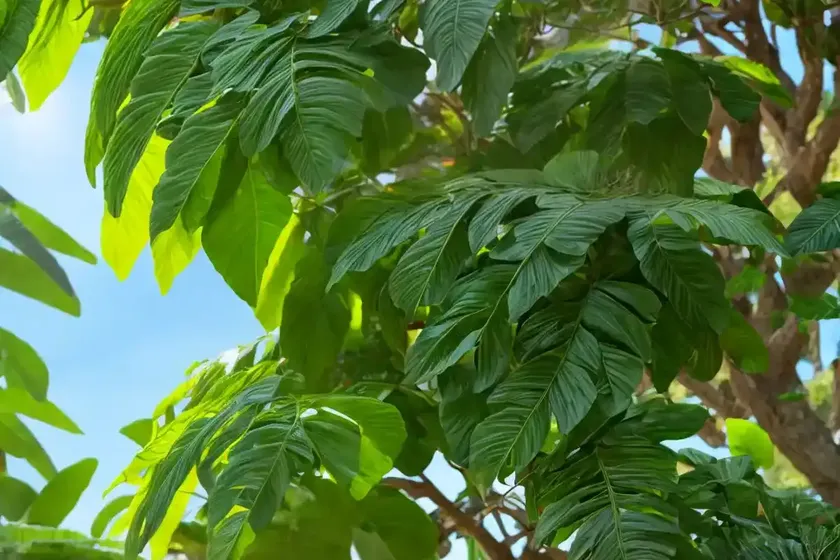
Plants play a crucial role in the existence of life on Earth. As a plant scientist, I have always been captivated by the diversity and resilience of plant species. One particular plant that has piqued my interest is the Ditabark (Alstonia scholaris). In this comprehensive guide, we will delve into the captivating world of this extraordinary plant, exploring its culture, uses, care requirements, and much more.
What is Ditabark (Alstonia scholaris)?
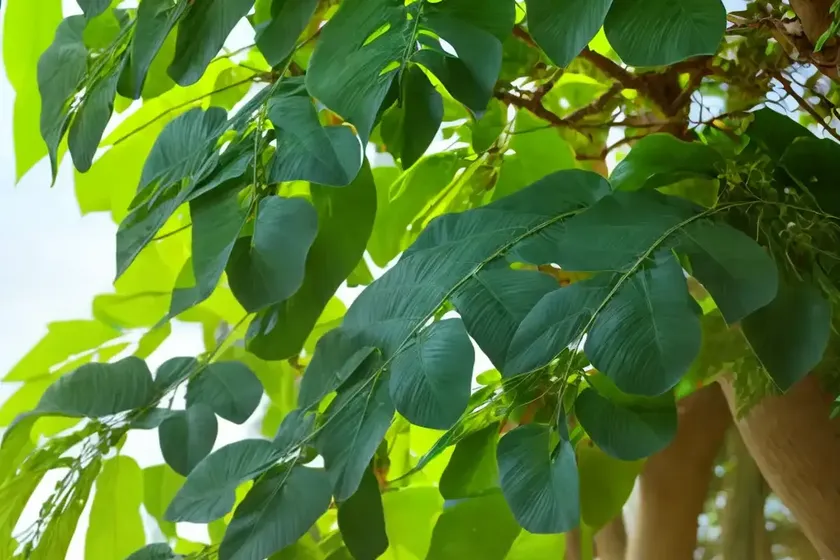
Alstonia scholaris, commonly known as Ditabark, is a species of tree in the Apocynaceae family. This evergreen, tropical tree is native to the Indian subcontinent, Southeast Asia, and Australia. The tree is characterized by its tall, straight trunk, glossy leaves, and fragrant white flowers. Known for its medicinal properties and ornamental value, Ditabark holds significant cultural and traditional importance in various regions where it is found.
Key Takeaways – Ditabark (Alstonia scholaris)
Let’s explore the key takeaways when it comes to the culture, uses, and care of Ditabark.
Culture
Ditabark has a rich cultural significance in many regions where it is native. It is often associated with traditional medicine, folklore remedies, and ethnobotanical knowledge.
Uses
The uses of Ditabark are diverse, ranging from medicinal applications to its role as an ornamental tree. It is also utilized in traditional remedies and is known for its therapeutic uses.
Water
Ditabark requires adequate watering, especially during its initial growth phase. However, it is essential to avoid waterlogging the soil to prevent root rot.
Sunlight
Being a tropical plant, Ditabark thrives in full sunlight. It requires at least 6-8 hours of direct sunlight daily.
Fertilizer
The tree benefits from regular fertilization during its growing season. A balanced, slow-release fertilizer can help promote healthy growth.
Soil
Well-draining, loamy soil is ideal for Ditabark. However, it can adapt to a variety of soil types, as long as they are not waterlogged.
Pruning
Pruning can help maintain the shape and size of the tree. It is best carried out during the dormant season to minimize stress on the plant.
Propagation
Ditabark can be propagated from seeds or through vegetative means such as stem cuttings.
Container Popularity
Given its ornamental value, Ditabark is also grown in containers, making it a popular choice for indoor and outdoor decoration.
Common Diseases
Ditabark is susceptible to certain diseases such as root rot and leaf spot, especially when grown in overly moist conditions.
Disease Diagnosis
Regular inspection of the plant for any signs of discoloration, wilting, or abnormal growth can help in diagnosing and addressing potential diseases.
Common Pests
Pests such as aphids, mealybugs, and scales can affect Ditabark. Regular monitoring and appropriate pest control measures are essential.
Botanist’s Tips
Ensuring proper drainage, providing sufficient sunlight, and regular monitoring for pests and diseases are critical for the healthy growth of Ditabark.
Fun Facts
- The bark of the Ditabark tree is traditionally used for its medicinal properties, and it is a key component in several traditional remedies.
- The fragrant flowers of Ditabark attract pollinators such as bees and butterflies, contributing to the local ecosystem.
Now that we have covered the key takeaways, let’s delve deeper into the fascinating world of Ditabark and explore its various aspects in detail.
Alstonia scholaris: An In-Depth Exploration
The Medicinal Marvel: Ditabark
Alstonia scholaris Benefits
Ditabark, derived from the Alstonia scholaris tree, possesses a wide array of medicinal benefits. It has been used in traditional medicine for centuries due to its therapeutic properties.
Ditabark Uses
The uses of Ditabark are diverse and encompass various traditional remedies. Its bark, leaves, and seeds are utilized in different preparations for their potential health benefits.
Alstonia scholaris Medicinal Properties
The medicinal properties of Alstonia scholaris are attributed to its phytochemical composition, which includes alkaloids and other bioactive compounds.
Ditabark Information
In traditional systems of medicine, Ditabark is used to address digestive issues, respiratory ailments, and as a general tonic for overall well-being.
Alstonia scholaris Characteristics
The tree is characterized by its tall, straight trunk, elliptical leaves, and clusters of small, white, fragrant flowers. These characteristics contribute to its ornamental value as well.
Cultivation and Care of Ditabark
Ditabark Cultivation
Cultivating Ditabark requires a tropical or subtropical climate, with adequate sunlight and well-draining soil. It can be grown from seeds or propagated through cuttings.
Alstonia scholaris Tree Care
Proper care for Alstonia scholaris includes regular watering, fertilization, and protection from pests and diseases. Pruning and shaping the tree can also help maintain its health and aesthetics.
Ditabark Species
Alstonia scholaris belongs to the Apocynaceae family and is part of the genus Alstonia, which includes several other species with similar properties.
Alstonia scholaris Habitat
The natural habitat of Alstonia scholaris includes tropical and subtropical regions, where it thrives in moist, well-drained soils.
Ditabark Natural Remedies
In addition to its commercial and medicinal uses, Ditabark plays a significant role in traditional remedies and natural health practices in various cultures.
Alstonia scholaris Folklore
The folklore surrounding Alstonia scholaris reflects its cultural significance and the deep-rooted beliefs regarding its healing and protective properties.
Sustainability and Conservation
Ditabark Endangered Status
Despite its widespread distribution, the species faces threats such as habitat loss and exploitation. Conservation efforts are essential to preserve its genetic diversity and natural habitats.
Alstonia scholaris Traditional Medicines
The use of Alstonia scholaris in traditional medicines underscores the need to safeguard its populations and prevent overexploitation.
Ditabark Medicinal Applications
The demand for Ditabark in medicinal preparations highlights the importance of responsible harvesting and sustainable practices to ensure its long-term availability.
Alstonia scholaris Conservation
Conservation measures, including habitat protection, cultivation initiatives, and research on sustainable harvesting practices, are vital for the conservation of Alstonia scholaris.
Traditional and Cultural Significance
Ditabark Traditional Uses
The traditional uses of Ditabark are deeply ingrained in various cultural practices, reflecting the plant’s historical and symbolic significance.
Alstonia scholaris Ethnobotany
The ethnobotanical knowledge associated with Alstonia scholaris underscores the interconnection between plants and human cultures, highlighting the plant’s diverse uses and meanings.
Ditabark Folklore Beliefs
The folklore beliefs surrounding Ditabark encompass stories of healing, protection, and spiritual significance, emphasizing the plant’s role beyond its physical properties.
Alstonia scholaris Cultural Significance
In many cultures, Alstonia scholaris holds cultural significance, being used in rituals, traditional ceremonies, and as a symbol of resilience and vitality.
Commercial and Industrial Applications
Ditabark Market Demand
The market demand for Ditabark, particularly in the herbal and pharmaceutical industries, requires responsible and sustainable sourcing to prevent overexploitation.
Alstonia scholaris Traditional Remedies
The incorporation of Alstonia scholaris in traditional remedies and natural health products contributes to its commercial value and market demand.
Ditabark Therapeutic Uses
The therapeutic uses of Ditabark in traditional medicine systems contribute to its relevance in the healthcare sector and underscore the need for conservation measures.
Environmental and Ecological Role
Alstonia scholaris Ecology
As a tree species, Alstonia scholaris plays a crucial role in its ecological niche, providing habitat for various organisms and contributing to ecosystem stability and biodiversity.
Ditabark Environmental Importance
The ecological importance of Ditabark extends to its role in soil conservation, carbon sequestration, and its interactions with other species within its habitat.
Alstonia scholaris Ethnobotanical Knowledge
The ethnobotanical knowledge associated with Alstonia scholaris reflects the intimate relationship between humans and the environment, incorporating traditional ecological wisdom.
Ditabark Sustainable Uses
Promoting sustainable uses of Ditabark, including its commercial, medicinal, and cultural applications, is vital for preserving the species and maintaining ecological balance.
Exploring the Botanical Wonders of Ditabark
Ornamental Beauty and Aromatic Delight
The ornamental appeal of Ditabark, coupled with its fragrant flowers and lush foliage, makes it a sought-after choice for landscaping and garden adornment.
Folklore and Traditions: The Tales of Ditabark
The folklore and traditional beliefs associated with Ditabark are a testament to the enduring cultural significance of this remarkable tree.
Healing Powers and Therapeutic Traditions
The therapeutic properties of Ditabark have been harnessed through generations, embodying the profound relationship between nature and wellness.
Conclusion
In conclusion, the Ditabark (Alstonia scholaris) stands as a testament to the profound interconnections between plants and human cultures. From its historical uses in traditional remedies and its ecological role to its significance in indigenous folklore, this remarkable tree unveils a tapestry of botanical wonders. As we celebrate and cherish the diversity of plant species, it is essential to recognize the importance of preserving and sustaining the natural heritage embodied by plants like Ditabark.
Whether it is as an ornamental centerpiece, a source of traditional medicine, or a symbol of cultural resilience, Ditabark continues to captivate the imagination and inspire awe with its botanical marvels.
For further information and detailed resources on the Ditabark (Alstonia scholaris), please refer to the following external links:
In this comprehensive guide, we have explored the diverse facets of Ditabark (Alstonia scholaris), shedding light on its cultural, ecological, and medicinal significance. As a plant scientist, I hope that this exploration has instilled a sense of wonder and appreciation for the extraordinary world of botanical marvels that enrich our lives and ecosystems.
Remember, the enchanting tales of plants like Ditabark are waiting to be discovered, offering invaluable insights into the intricate tapestry of nature.
Happy planting and exploring the botanical wonders!
Disclaimer: This article is for informational purposes only and does not constitute medical or botanical advice. Always consult with a qualified professional before using any plant for medicinal purposes.