Sea Lavender (Limonium Latifolium)
Sea lavender, scientifically known as Limonium latifolium, is an exquisite coastal plant that captivates with its delicate blooms and resilience in.
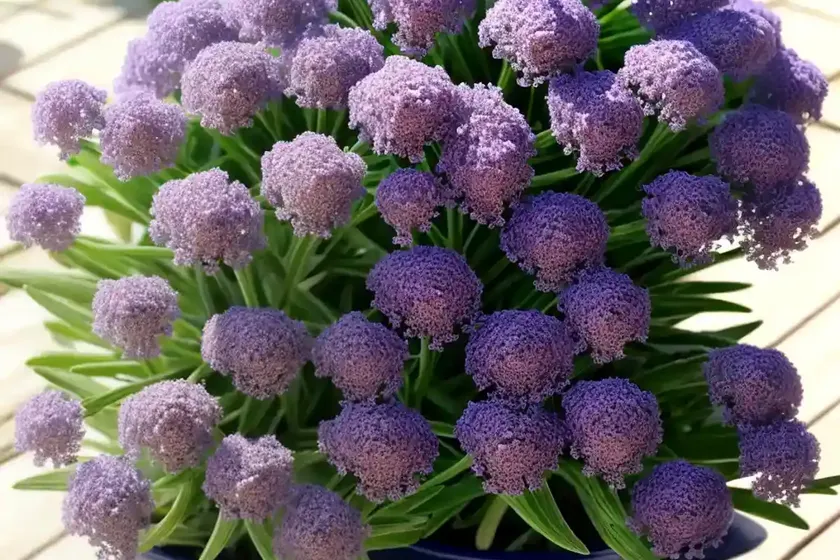
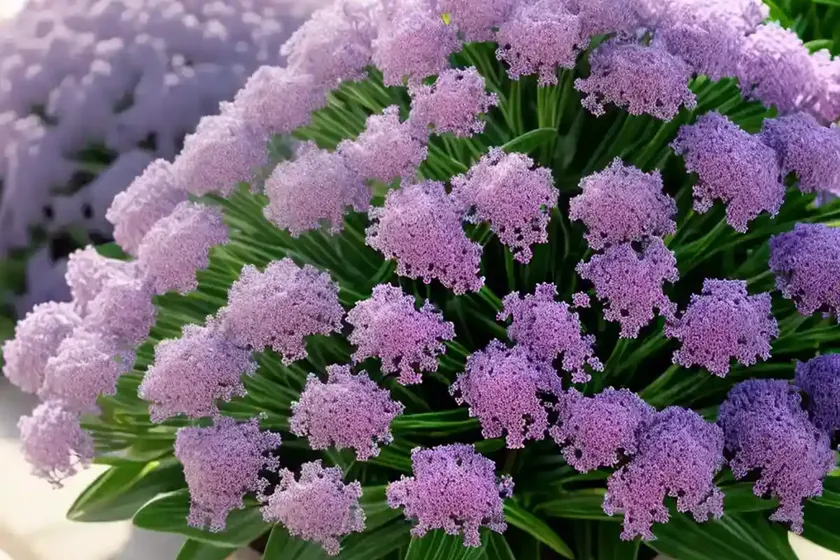
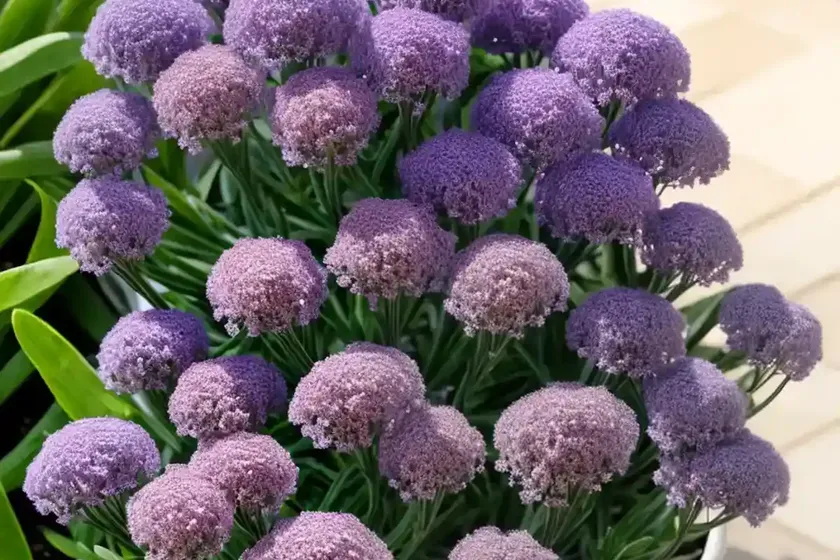
Sea lavender, scientifically known as Limonium latifolium, is an exquisite coastal plant that captivates with its delicate blooms and resilience in challenging environments. This stunning plant, with its numerous cultural, medicinal, and ecological uses, has become increasingly popular among gardeners and nature enthusiasts. In this comprehensive guide, we will delve into the world of sea lavender, exploring its cultivation, care, uses, and remarkable characteristics.
What is Sea Lavender (Limonium latifolium)?
Sea lavender, Limonium latifolium, belongs to the Plumbaginaceae family and is commonly found in coastal regions across Europe. Known for its striking blooms and tolerance to saline environments, sea lavender is a perennial herbaceous plant that adds a touch of elegance to coastal landscapes. The plant’s lush foliage and clusters of small, vibrant flowers make it an ideal choice for gardens, beachfront landscaping, and natural coastal habitats.
Key Takeaways – Sea Lavender (Limonium latifolium)
Before we embark on our journey to understand the ins and outs of sea lavender, let’s outline some key takeaways about this enchanting plant:
-
Sea Lavender Plant: Limonium latifolium, also known as sea lavender, is a coastal perennial herbaceous plant celebrated for its resilient nature and stunning blooms.
-
Sea Lavender Flower: The flowers of sea lavender are small, delicate, and come in an array of colors like lilac, pink, purple, and white, adding a pop of color to coastal landscapes.
-
Sea Lavender Care: Its tolerance to saline soils and coastal conditions makes it an attractive option for low-maintenance gardening, making sea lavender an excellent choice for coastal gardens.
-
Sea Lavender Medicinal Uses: Apart from its ornamental value, sea lavender has also been traditionally used for its medicinal properties, often associated with soothing and healing benefits.
-
Sea Lavender in Coastal Habitats: Its ability to thrive in saline and windy conditions makes it an essential plant for coastal ecosystem restoration and coastal erosion control.
Now, let’s explore the various facets of sea lavender, including its cultural significance, uses, and the best practices for its care and maintenance.
Culture
Cultivating sea lavender requires an understanding of its native habitat and the conditions it thrives in. As a coastal plant, sea lavender has adapted to saline soils, coastal winds, and plenty of sunlight. Understanding these natural habitats is crucial for successfully growing sea lavender in cultivated settings.
Native Habitat
Limonium latifolium is native to coastal regions of Europe, where it can be found along sandy coastlines, salt marshes, and dunes. Its ability to withstand high salinity and windy conditions makes it a vital plant in stabilizing coastal ecosystems, preventing erosion, and providing habitat for various species of wildlife.
Growing Sea Lavender
When attempting to recreate the conditions of its natural habitat, it is important to consider aspects such as soil composition, water requirements, and sunlight exposure. Coastal gardens and landscapes are the ideal settings for sea lavender, as they closely resemble its native environment.
Limonium latifolium Cultivation
Cultivating sea lavender typically involves replicating the coastal environment to which it has adapted. Here are some essential factors to consider when cultivating sea lavender:
- Soil: Well-draining sandy or loamy soil with moderate fertility and a slightly alkaline pH is ideal for sea lavender. It is essential to ensure that the soil has excellent drainage to prevent waterlogging that can be detrimental to the plant’s health.
- Water: While sea lavender is highly tolerant to saline environments, it is crucial to balance its water requirements. It does not thrive in waterlogged soil but requires regular watering, especially during its establishment phase.
- Sunlight: Sea lavender thrives in full sunlight and is well-suited for open, sunny spots in coastal landscapes.
Sea Lavender Medicinal Uses
Sea lavender has been traditionally used for its medicinal properties, often attributed to its soothing and healing effects. Its essential oils and extracts have been employed for various health benefits, including skin care and aromatherapy.
Uses
The uses of sea lavender are diverse, ranging from its ornamental value in landscaping and flower arrangements to its ecological significance in coastal restoration and erosion control. Understanding the wide array of its uses can provide valuable insights into the multifaceted nature of this coastal beauty.
Sea Lavender for Landscaping
The striking appearance of sea lavender makes it a popular choice for coastal landscaping, where it can be used to add a touch of color and vibrancy to the coastal scenery. Its ability to thrive in saline environments and its low maintenance requirements make it an attractive option for creating sustainable and visually appealing coastal gardens.
Sea Lavender Flower Arrangement
Sea lavender blooms, with their delicate colors and long-lasting quality, are highly valued in floral arrangements and bouquets. Their ability to preserve their vibrant hues even after drying makes them a popular choice for adding a coastal touch to floral displays, whether for decorative purposes or as part of dried flower crafts.
Sea Lavender Coastal Plant
As a coastal plant, sea lavender plays a vital role in stabilizing coastal ecosystems. Its extensive root systems help bind the soil, making it an effective tool for controlling coastal erosion and contributing to the restoration of coastal habitats.
Sea Lavender Drought Tolerance
Sea lavender exhibits excellent drought tolerance once established, making it an ideal choice for gardens in areas with minimal rainfall or during periods of water scarcity. Its ability to thrive in coastal climates with minimal irrigation makes it a sustainable landscaping option in regions prone to drought.
Sea Lavender as a Groundcover
The low-growing and spreading nature of sea lavender makes it an excellent groundcover plant in coastal landscapes. Its ability to form dense mats helps in stabilizing soil, reducing weed growth, and adding visual interest to open spaces within coastal gardens.
Water
Understanding the water requirements of sea lavender is essential for ensuring its healthy growth and long-term survival. As a plant native to coastal regions, sea lavender has adapted to saline environments, and its water needs are influenced by this ecological niche.
Sea Lavender Water Requirements
Water is a crucial factor in the cultivation of sea lavender, especially during its establishment phase. Understanding its water requirements is vital for preventing water stress and ensuring the plant’s health and vigor.
- Establishment Phase: During the initial stages of planting, sea lavender requires regular watering to aid in root establishment and promote healthy growth. Adequate moisture is essential for supporting the plant as it acclimatizes to its new environment.
- Mature Plants: Once established, sea lavender exhibits excellent drought tolerance and can thrive with minimal supplemental irrigation, especially in coastal climates with moderate to high humidity.
Sunlight
Sunlight plays a pivotal role in the growth and development of sea lavender. As a plant adapted to coastal environments, it thrives in full sunlight and is well-suited for open, sunny locations, making it an ideal choice for landscapes and gardens with ample sunlight exposure.
Sunlight Requirements
Sea lavender’s sunlight requirements are closely linked to its natural habitat, and providing it with the necessary light conditions is essential for its overall health and flowering performance.
- Full Sun Exposure: Sea lavender thrives in full sunlight and benefits from at least six to eight hours of direct sunlight each day. Placing it in open, sunny spots within the garden or landscape helps promote robust growth and prolific flowering.
- Coastal Landscapes: In coastal landscapes, where sunlight is abundant, sea lavender can be strategically positioned to maximize its exposure to natural light, ensuring its vitality and enhancing its ornamental value.
Fertilizer
The fertilization of sea lavender should be approached with care, considering its adaptation to nutrient-poor soils in its natural habitat. While sea lavender does not demand high fertility, providing essential nutrients at the right time can support its growth and blooming potential.
Fertilization Guidelines
Applying fertilizer to sea lavender should be done judiciously, considering the following guidelines to ensure the plant’s health and vigor:
- Minimal Fertilization: Sea lavender thrives in nutrient-poor soils and does not require heavy fertilization. Excessive fertility can lead to lanky growth and reduced flowering in this coastal plant.
- Balanced Formulation: If necessary, a balanced, slow-release fertilizer with a lower nitrogen content can be applied in spring to support the plant’s early growth. It is important to avoid high-nitrogen fertilizers to prevent excessive vegetative growth at the expense of flowering.
Soil
The composition and quality of the soil play a crucial role in the successful cultivation of sea lavender. Understanding the soil requirements and ensuring optimal conditions are essential for promoting the plant’s health and vitality in coastal landscapes and gardens.
Ideal Soil Composition
Sea lavender thrives in well-draining soils with moderate fertility and a slightly alkaline pH, mimicking the conditions of its natural coastal habitat. Here are key considerations for soil composition when cultivating sea lavender:
- Drainage: Well-draining sandy or loamy soils are ideal for sea lavender, preventing waterlogging and providing aeration to the roots. Amending heavy clay soils with organic matter can improve drainage and create a more conducive growing environment.
- Fertility: While sea lavender does not demand high soil fertility, ensuring moderate levels of essential nutrients is necessary for its growth and flowering. Avoiding excessively rich soils is important to prevent excessive vegetative growth at the expense of flowering.
Soil pH
The pH of the soil directly impacts the availability of nutrients to sea lavender and influences its overall health and vigor. Maintaining a slightly alkaline pH is beneficial for the plant’s growth and blooming performance.
- Alkaline pH: Sea lavender thrives in soils with a slightly alkaline pH ranging from 7.0 to 8.5. It is important to monitor the soil pH and make necessary amendments to ensure optimal growing conditions for the plant.
Pruning
Pruning plays a crucial role in maintaining the health, shape, and flowering vigor of sea lavender. Understanding the appropriate pruning techniques and timing is essential for promoting the plant’s ornamental value and overall robustness.
Pruning Tips
Pruning sea lavender involves strategic removal of spent blooms and maintenance of its overall form to encourage continued flowering and prevent excessive seed production. Here are some essential pruning tips for sea lavender:
- Deadheading: Regularly deadhead faded blooms to promote the development of new flower spikes and extend the plant’s blooming period. Deadheading also prevents the plant from allocating energy to seed production, directing its resources towards growth and flowering.
- Rejuvenation Pruning: In early spring, performing rejuvenation pruning by cutting back the plant to a few inches above the ground can stimulate robust new growth and rejuvenate older, woody specimens, ensuring their continued vigor and flowering.
Propagation
Propagating sea lavender allows for the expansion of its presence in gardens and landscapes, providing an opportunity to multiply this coastal beauty. Understanding the propagation methods suited to sea lavender is essential for successfully obtaining new plants.
Propagation Methods
Sea lavender can be propagated through various methods, including division, stem cuttings, and seed propagation. Each method offers unique advantages and considerations when it comes to creating new plants.
- Division: Propagating sea lavender through division involves separating mature plants into smaller segments, each with roots attached, to create new individuals. Division is typically performed in early spring or fall, allowing the new segments to establish themselves before the onset of adverse conditions.
- Stem Cuttings: Taking stem cuttings from healthy, actively growing shoots of sea lavender provides a reliable method of propagation. The cuttings are usually taken in spring or early summer and can be rooted in a well-draining, sterile growing medium to produce new plants.
- Seed Propagation: While sea lavender can be propagated from seeds, this method requires patience and attention to specific germination requirements. Sowing fresh seeds in a well-prepared seedbed and providing suitable conditions for germination can yield new seedlings for eventual transplantation.
Container Popularity
Sea lavender’s versatility and ornamental value have made it a popular choice for container gardening, allowing it to thrive in various settings, from coastal balconies and patios to inland gardens and landscapes.
Container Gardening
The adaptability of sea lavender to container gardening expands its potential for adding a coastal touch to diverse outdoor spaces. Understanding the considerations for container cultivation is essential for successfully growing sea lavender in pots and planters.
- Container Selection: Choosing well-draining containers of appropriate size for sea lavender is essential, ensuring that the roots have ample space to grow and the excess water can easily drain out. Terracotta, plastic, or ceramic containers are suitable choices for cultivating sea lavender.
- Growing Medium: Using a well-draining growing medium, such as a mix of sand, perlite, and high-quality potting soil, allows for optimal root development and prevents waterlogging. The growing medium should provide a balance of moisture retention and drainage, supporting the plant’s health in a container environment.
Common Diseases
While sea lavender is generally resistant to many common plant diseases, it can be susceptible to certain issues that may affect its growth and blooming performance. Understanding these potential disease challenges is vital for maintaining the plant’s health and addressing any issues that may arise.
Disease Diagnosis
Identifying common diseases and disorders that may affect sea lavender involves observing the plant for specific symptoms and taking appropriate measures to mitigate their impact. Here are some common disease issues that may affect sea lavender:
- Powdery Mildew: A fungal disease that manifests as powdery white patches on the leaves and stems, powdery mildew can affect sea lavender, especially in conditions of high humidity and poor air circulation. To prevent and manage powdery mildew, ensuring proper spacing, adequate air circulation, and avoiding overhead watering are essential.
- Root Rot: Excessive soil moisture and poor drainage can lead to root rot in sea lavender, causing the plant to exhibit wilting, yellowing foliage, and overall decline. Addressing root rot involves improving soil drainage, adjusting watering practices, and avoiding overwatering to prevent recurring issues.
Disease Prevention
Preventing common diseases in sea lavender involves implementing proper cultural practices and creating an environment that promotes the plant’s health and resilience.
- Good Air Circulation: Providing adequate spacing between plants and ensuring good air circulation helps reduce the risk of fungal diseases such as powdery mildew by minimizing conditions conducive to their development.
- Well-Draining Soil: Maintaining well-draining soil and avoiding waterlogging are essential for preventing root rot and ensuring the overall health of sea lavender plants.
Common Pests
Sea lavender is relatively resistant to pest infestations, but certain pests may pose occasional challenges to its growth and overall vigor. Understanding the potential pests and their management is essential for preserving the health and ornamental value of sea lavender.
Pest Identification
Identifying common pests that may affect sea lavender involves monitoring the plant for signs of infestation and taking timely measures to address any pest-related issues. Here are some pests that may occasionally affect sea lavender:
- Aphids: These small, sap-sucking insects can cluster on the tender shoots and foliage of sea lavender, affecting its growth and potentially spreading viral diseases. Applying insecticidal soap or horticultural oil can help manage aphid infestations, reducing their impact on the plant.
- Spider Mites: Spider mites, tiny arachnids that feed on plant sap, may occasionally affect sea lavender, causing stippling and webbing on the foliage. Regularly spraying the plant with a strong jet of water can help dislodge and control spider mite infestations.
Pest Management
Managing pest issues in sea lavender involves employing preventive measures and targeted control methods to minimize the impact of pests on the plant’s health.
- Natural Predators: Encouraging natural predators such as ladybugs and lacewings that feed on aphids and mites can help keep pest populations in check, reducing the need for chemical interventions.
- Regular Monitoring: Regularly inspecting sea lavender for signs of pest activity allows for early detection and prompt action to manage potential infestations, minimizing their impact on the plant.
Botanist’s Tips
For those passionate about the cultivation and appreciation of sea lavender, here are some valuable tips from botanists and plant enthusiasts to enhance the growing experience and explore the unique features of this coastal beauty.
Fun Facts
- Coastal Resilience: Sea lavender’s resilience in coastal environments makes it a valuable plant in stabilizing sandy soils and preventing erosion, contributing to the sustainability and beauty of coastal landscapes.
- Vibrant Hues: The flowers of sea lavender, available in an array of colors including lilac, pink, purple, and white, add a striking visual appeal to coastal gardens and landscapes.
Links to External Resources
For further information on sea lavender, its cultivation, uses, and ecological significance, here are some valuable external resources for plant enthusiasts and gardening aficionados seeking to delve deeper into the world of Limonium latifolium:
- The Royal Horticultural Society (RHS) – Sea Lavender (Limonium latifolium)
- Missouri Botanical Garden – Limonium latifolium
- The Wildlife Trusts – Sea Lavender
With its coastal charm, ornamental allure, and ecological importance, sea lavender (Limonium latifolium) stands as a symbol of resilience and beauty in coastal habitats, inspiring awe and admiration among those who seek to embrace the wonders of gardening and nature. Whether adorning seaside landscapes, bringing coastal elegance to flowering arrangements, or contributing to the restoration of delicate coastal ecosystems, sea lavender continues to captivate with its enduring appeal and remarkable adaptability.
In closing, let’s celebrate the coastal splendor and ecological significance of sea lavender, embracing its multifaceted uses, cultural importance, and ornamental beauty as we continue to explore and appreciate the wonders of this coastal gem.


