Limonium Perezii (Sea Lavender)
Limonium perezii, commonly known as Sea Lavender, is a stunning coastal plant that belongs to the plumbago family (Plumbaginaceae). This perennial.
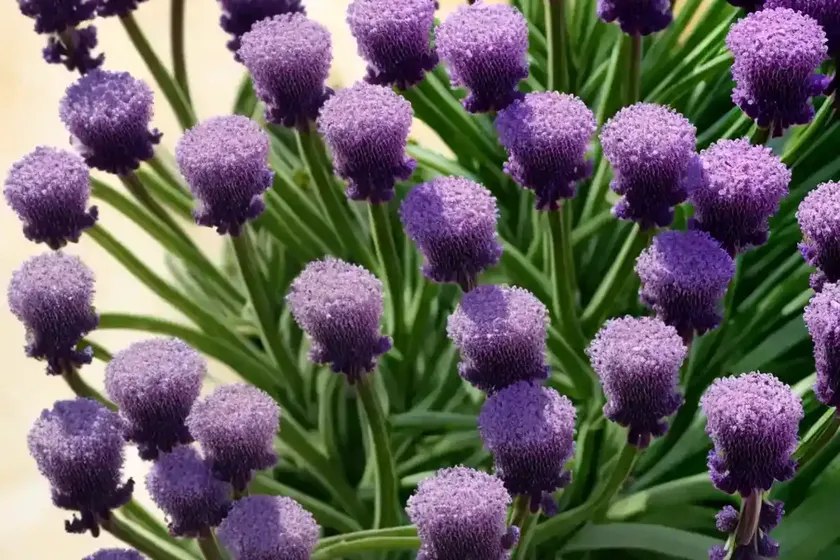
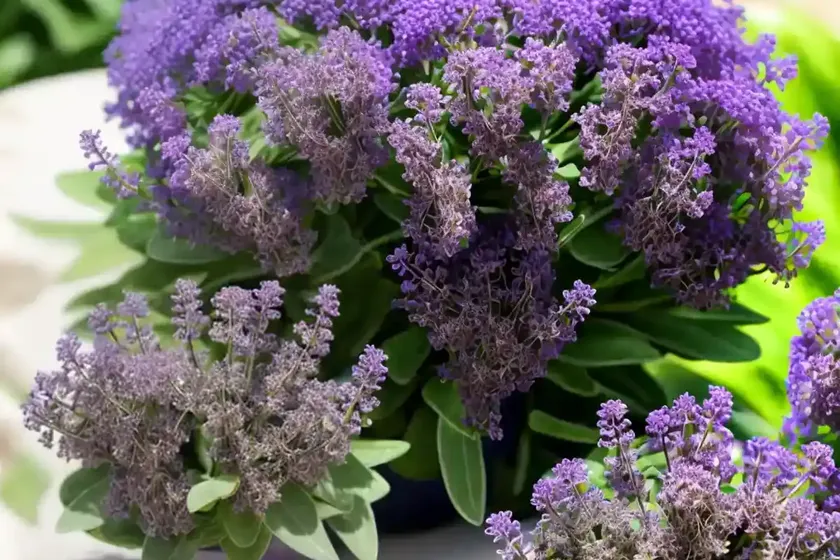
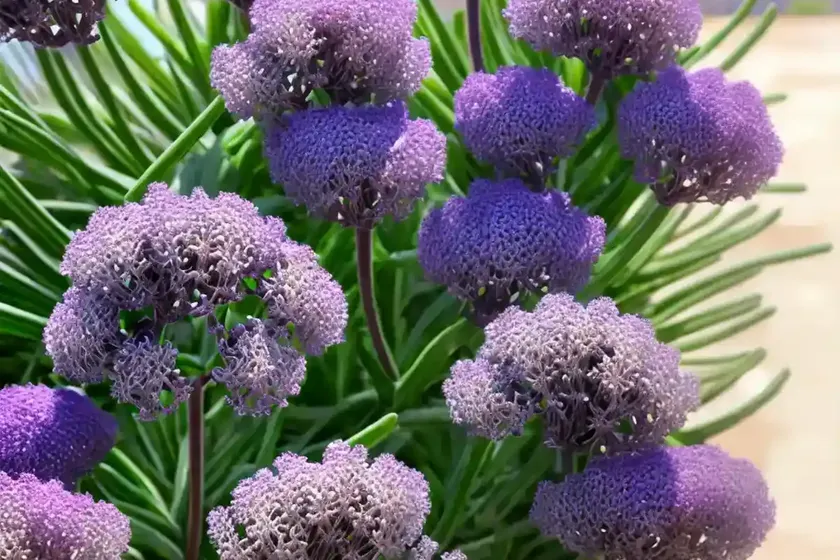
Limonium perezii, commonly known as Sea Lavender, is a stunning coastal plant that belongs to the plumbago family (Plumbaginaceae). This perennial evergreen herb is native to the Mediterranean region, particularly the Canary Islands. Sea Lavender is renowned for its attractive, long-lasting flower clusters and its ability to thrive in coastal environments, making it a popular choice for gardeners and landscape designers alike.
In this comprehensive guide, we will delve into the various aspects of Sea Lavender, including its characteristics, cultivation, uses, and maintenance. Whether you are an experienced horticulturist or a gardening enthusiast, this article has something for everyone who appreciates the beauty of coastal plants.
Characteristics of Limonium perezii
Before we dive into the specifics of growing Sea Lavender, let’s take a closer look at its key characteristics.
- Plant Size: Sea Lavender typically grows to a height of 2 to 3 feet, with a spread of 2 to 4 feet.
- Foliage: The plant features basal rosettes of thick, leathery, lance-shaped leaves that are greyish-green in color, providing an attractive contrast to the vibrant flowers.
- Flowers: The main attraction of Sea Lavender is its striking flower clusters, which boast an array of colors such as purple, mauve, blue, and pink. These tiny flowers are densely packed on upright stalks, creating a visually captivating display.
- Hardiness Zones: Sea Lavender is well-suited to USDA hardiness zones 8 through 11, making it an ideal choice for gardens in mild and coastal regions.
- Habitat: In its native habitat, Limonium perezii can be found growing along coastal cliffs, sand dunes, and salt marshes, showcasing its exceptional adaptability to saline and windy conditions.
Now that we have an overview of Sea Lavender’s key traits, let’s explore the essential factors involved in successfully cultivating and caring for this remarkable plant.
Plant Description
Limonium perezii, also known as Sea Lavender, is a visually striking perennial herb that is highly valued for its tolerance to coastal conditions and its stunning floral displays. This species is a member of the plumbago family (Plumbaginaceae), and it is native to the Mediterranean region, particularly the Canary Islands. Sea Lavender is characterized by its graceful, arching flower stems adorned with tiny, colorful blooms, making it a popular choice for coastal gardens and landscapes.
Limonium perezii Care Tips
Caring for Limonium perezii involves understanding its specific requirements in terms of water, sunlight, soil, and maintenance. By providing the right conditions, you can ensure that your Sea Lavender thrives and continues to enchant with its vibrant flowers.
Water
- Watering Needs: Sea Lavender is well-adapted to coastal environments, where it can tolerate periods of drought and exposure to salt spray. Once established, this plant is relatively low-maintenance and requires minimal irrigation. However, during prolonged dry spells, particularly in warmer climates, it is beneficial to provide occasional deep watering to support healthy growth and flowering.
- Water Conservation: As a plant that exhibits good drought tolerance, Sea Lavender is an excellent choice for water-wise gardening and xeriscaping projects, especially in coastal regions where water resources may be limited.
Sunlight
- Sun Requirements: Limonium perezii thrives in full sun to partial shade. When grown in full sun, it tends to produce more abundant flowering displays, showcasing its vibrant blooms to their full potential. It is important to ensure that the plant receives at least 6 to 8 hours of direct sunlight daily to support robust growth and flowering.
Soil
- Soil Preference: Sea Lavender prefers well-draining, sandy or loamy soil with a slightly alkaline to neutral pH. Given its natural habitat in coastal regions, this plant has adapted to thrive in soils with higher salinity levels, making it an excellent choice for gardens near the coast. Amending the soil with organic matter can improve its texture and drainage, creating an ideal growing environment for Sea Lavender.
Fertilizer
- Fertilization: Sea Lavender is not particularly heavy feeder and generally thrives without the need for frequent fertilization. However, applying a balanced, slow-release fertilizer in spring can provide the plant with essential nutrients to support healthy growth and flowering. It is important to avoid excessive nitrogen fertilizers, as they can promote lush foliage at the expense of flower production.
Pruning Sea Lavender Plants
Pruning is an essential aspect of Sea Lavender maintenance, helping to promote bushy growth and prolonging the plant’s blooming period. Here are some key tips for pruning Sea Lavender:
- Deadheading: Regular deadheading of spent flowers helps to encourage continuous blooming and prevents the plant from setting seed, directing its energy towards producing more flowers.
- Pruning Timing: Prune Sea Lavender in late winter or early spring to remove any damaged or overgrown foliage and to shape the plant for the upcoming growing season. Avoid heavy pruning, as Sea Lavender tends to perform best when its natural form is preserved.
Propagation Methods
For gardeners looking to propagate Sea Lavender, there are several effective methods to consider:
- Division: Dividing mature Sea Lavender plants in early spring allows you to create new, healthy clumps that can be replanted in suitable locations. This method also helps to rejuvenate established plants and maintain their vigor.
- Softwood Cuttings: Propagating Sea Lavender from softwood cuttings taken in late spring to early summer can yield successful results. Select healthy, non-flowering stems and root them in a well-draining, sterile growing medium to establish new plants.
Container Gardening with Sea Lavender
Sea Lavender is well-suited to container gardening, offering a versatile and visually appealing option for patios, balconies, and gardens with limited space. When cultivating Sea Lavender in containers, consider the following guidelines:
- Container Size: Choose a spacious container with adequate drainage holes to accommodate the plant’s root system and to allow excess water to escape, preventing waterlogging.
- Soil Considerations: Select a well-draining potting mix with added perlite or sand to mimic the plant’s preferred growing conditions. Incorporating a bit of crushed oyster shell or horticultural sand can help enhance the soil structure and mimic the coastal environment that Sea Lavender prefers.
Popularity and Landscape Uses
Sea Lavender’s popularity in gardens and landscapes continues to rise, thanks to its captivating flowers and adaptability to coastal conditions. Here are some common uses of Sea Lavender in landscaping:
- Coastal Gardens: Given its natural affinity for coastal environments, Sea Lavender is an excellent choice for gardens near the sea, where it can thrive despite the challenges of salt spray and sandy soils.
- Rock Gardens: The low-maintenance nature and attractive flowers of Sea Lavender make it a valuable addition to rock gardens, where it can provide color and visual interest throughout the growing season.
- Pollinator Gardens: The nectar-rich flowers of Limonium perezii attract pollinators such as bees and butterflies, making it an invaluable asset to pollinator-friendly gardens.
Common Diseases and Pest Control
Despite being a resilient plant, Sea Lavender may encounter certain disease and pest issues that require attention for optimal health and growth. Understanding these potential challenges is essential for effective management.
Disease Diagnosis
- Powdery Mildew: In humid or poorly ventilated conditions, Sea Lavender may be susceptible to powdery mildew, a common fungal disease. This can manifest as a white, powdery coating on the leaves and stems. To prevent powdery mildew, ensure good air circulation around the plant and avoid overhead watering.
- Root Rot: Overwatering and poorly drained soil can lead to root rot, causing the plant to wilt and decline. To prevent root rot, ensure that the plant’s growing medium allows excess water to freely drain away.
Common Pests
- Aphids: These small, sap-sucking insects may occasionally infest Sea Lavender, particularly in warmer weather. Natural predators such as ladybugs and lacewings can help control aphid populations, and insecticidal soaps can be used for severe infestations.
- Spider Mites: In hot, dry conditions, spider mites may target Sea Lavender, causing stippling and webbing on the foliage. Regularly spraying the plant with water can help deter spider mites, and predatory mites can aid in controlling their numbers.
Botanist’s Tips for Growing Limonium perezii
To ensure the successful cultivation of Sea Lavender, consider the following expert tips from botanists and horticultural specialists:
- Saline Tolerance: Sea Lavender’s natural adaptation to saline environments makes it an excellent choice for coastal gardens, where its tolerance to salt spray and sandy soils is highly advantageous.
- Low Water Requirements: Once established, Sea Lavender exhibits good drought tolerance, reducing the need for frequent watering. This feature is valuable for water-wise gardening and sustainable landscape design.
Fun Facts about Sea Lavender
- Sea Lavender is not a true lavender (genus Lavandula), despite its common name. It belongs to the genus Limonium and is known for its distinct coastal habitat and showy flower clusters.
- The vibrant flower clusters of Sea Lavender are popular choices for dried flower arrangements and as additions to floral crafts and decorations.
- Royal Horticultural Society – Limonium perezii
- University of Florida IFAS Extension – Limonium perezii
- Missouri Botanical Garden – Limonium perezii
- University of California – Limonium perezii
In conclusion, Limonium perezii, or Sea Lavender, is a wonderful plant that offers both beauty and resilience, particularly in coastal and Mediterranean-style gardens. Understanding its unique characteristics, care requirements, and landscape uses enhances the appreciation and enjoyment of this remarkable coastal gem. Whether you are creating a seaside retreat or seeking a drought-tolerant perennial with exceptional ornamental value, Sea Lavender stands out as a delightful choice for gardeners and landscape enthusiasts.
Through a thoughtful approach to cultivation and maintenance, you can unlock the full potential of Sea Lavender, showcasing its vibrant flowers and enduring allure in your outdoor spaces. With the right conditions and care, Limonium perezii can thrive as a captivating coastal companion, enriching your garden with its distinctive charm and low-maintenance appeal.


