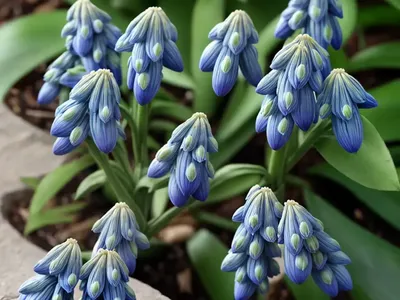
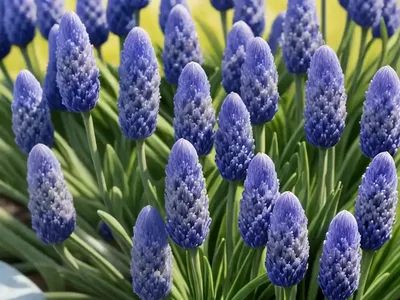
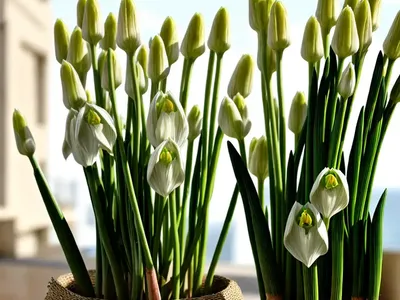
Scilla Siberica ‘Alba’ (Siberian Squill)
Scilla siberica ‘Alba’, commonly known as Siberian Squill, is a charming perennial plant that belongs to the Asparagaceae family. This delightful plant is.
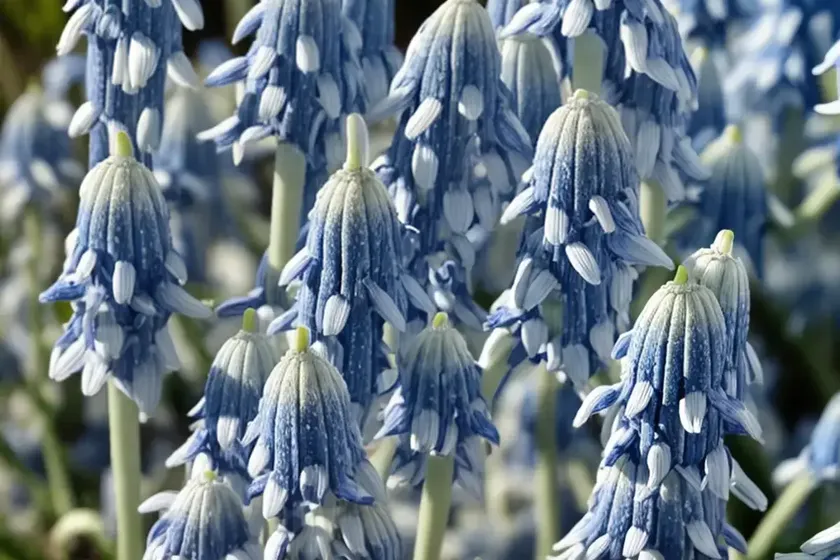
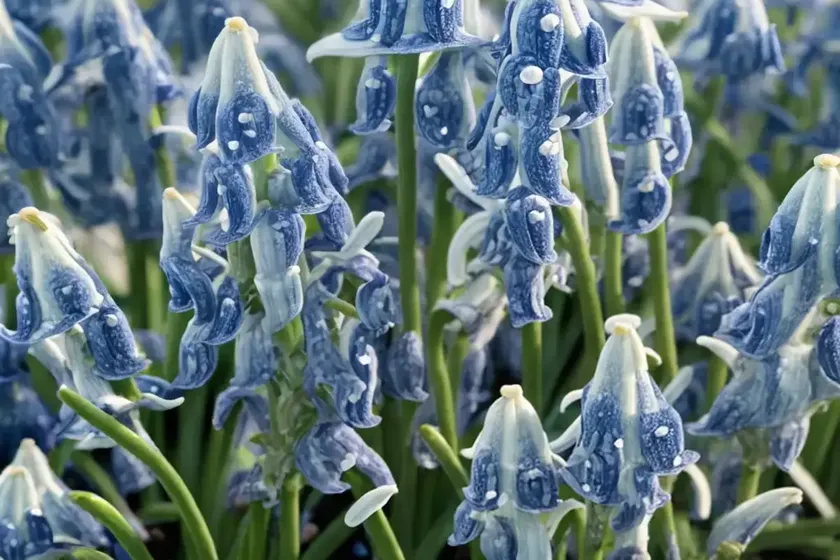
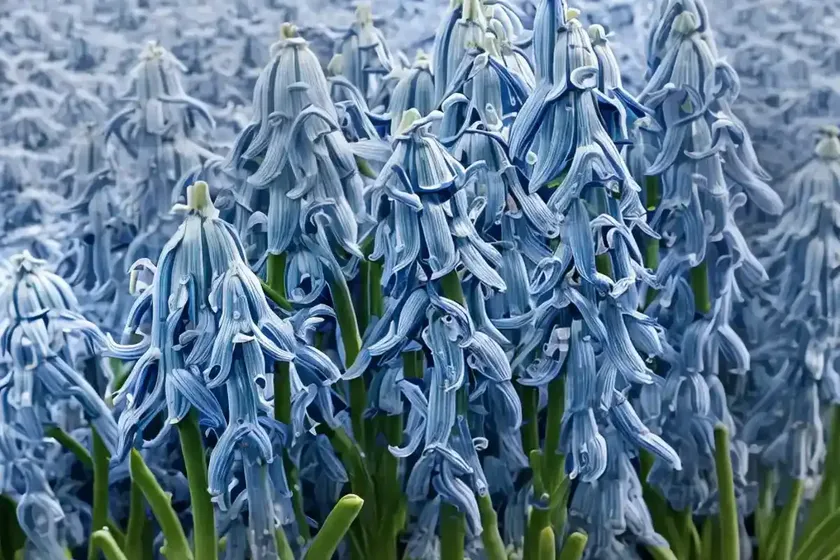
Scilla siberica ‘Alba’, commonly known as Siberian Squill, is a charming perennial plant that belongs to the Asparagaceae family. This delightful plant is native to Russia and the Caucasus and is known for its dainty, bell-shaped, white flowers that adorn gardens and natural landscapes in early spring. In this comprehensive guide, we will explore the various aspects of Scilla siberica ‘Alba,’ from its cultural requirements to its uses in different gardening settings. Whether you’re a seasoned gardener or a novice plant enthusiast, this article will provide you with valuable insights into this captivating plant.
What is Scilla siberica ‘Alba’ (Siberian Squill)?
Scilla siberica ‘Alba,’ also referred to as Siberian Squill, is a herbaceous perennial plant that produces delicate white flowers in early spring, adding a touch of elegance to gardens and woodland areas. It is a member of the Scilla genus, which includes several species of bulbous plants known for their early spring blooms. Scilla siberica ‘Alba’ is a cultivar of the species Scilla siberica and is prized for its pure white blossoms that create a stunning display when planted in mass drifts or naturalized in a woodland setting.
The plant features narrow, strap-like leaves that emerge in autumn and remain green throughout the winter. As the weather begins to warm in early spring, the charming white flowers emerge above the foliage, creating a carpet of ethereal beauty. Siberian Squill is a relatively low-maintenance plant and is appreciated for its ability to thrive in various growing conditions, making it a popular choice for both experienced gardeners and beginners.
Key Takeaways – Scilla siberica ‘Alba’ (Siberian Squill)
Before delving into the specifics of growing and caring for Scilla siberica ‘Alba,’ let’s take a quick look at the key takeaways of this enchanting plant:
- Botanical Name: Scilla siberica ‘Alba’
- Common Name: Siberian Squill
- Family: Asparagaceae
- Bloom Color: White
- Bloom Time: Early Spring
- Plant Type: Perennial Bulb
- Hardiness Zone: 2-8
- Mature Height: 6-8 inches
- Sunlight: Full Sun to Partial Shade
- Watering: Average
- Soil Type: Well-Drained
- Uses: Ground Cover, Naturalizing, Rock Gardens, Woodland Gardens, Borders
Now that we have an overview of Scilla siberica ‘Alba,’ let’s explore the essential cultural requirements and uses of this delightful plant.
Culture
Cultivating Scilla siberica ‘Alba’ is a rewarding experience, as this plant offers both beauty and resilience. To ensure the successful growth of Siberian Squill in your garden, it’s crucial to understand its specific cultural requirements.
Water
Siberian Squill is a relatively drought-tolerant plant once established, making it suitable for gardens with varying moisture levels. However, consistent moisture during the growing season is essential for the plant to thrive and produce an abundance of blooms. When planting Scilla siberica ‘Alba,’ ensure that the soil is adequately moist but well-drained to prevent waterlogging, which can lead to bulb rot.
During periods of extended drought or dry weather, particularly in early spring, it’s advisable to provide supplemental watering to promote healthy growth and prolific flowering. Consistent moisture, without waterlogging, will encourage the development of strong, vibrant foliage and a stunning display of white blossoms.
Sunlight
Scilla siberica ‘Alba’ performs best when planted in locations that receive ample sunlight during the early spring growing season. While it can tolerate partial shade, providing the plant with full sun to partial shade will ensure optimal flower production and overall vigor. In northern regions with cooler spring temperatures, the plant can thrive in full sun, while in warmer climates, partial shade during the intense afternoon sun can benefit the plant’s health.
When selecting a planting site for Siberian Squill, consider the amount of sunlight the area receives and choose a location that aligns with the plant’s sunlight preferences. Proper sunlight exposure will contribute to a more robust and floriferous display of the charming white flowers.
Fertilizer
A key aspect of successfully growing Scilla siberica ‘Alba’ is providing adequate nutrition to support its growth and flowering. While Siberian Squill is not heavy feeder, incorporating a balanced, slow-release fertilizer into the soil during the planting phase can help establish a strong foundation for the plant’s development.
In early spring, as the foliage begins to emerge, applying a light layer of organic matter, such as compost or well-rotted manure, around the base of the plants can contribute to healthy growth and abundant blooms. Avoid over-fertilizing Siberian Squill, as excessive nutrients can lead to lush foliage at the expense of flowering.
Soil
Well-drained soil is crucial for the successful cultivation of Scilla siberica ‘Alba.’ The plant prefers loamy, sandy, or clay soils with good drainage to prevent water accumulation around the bulbs. Prior to planting, amending heavy or compacted soils with organic matter, such as compost or peat moss, can improve soil structure and drainage, creating a more favorable environment for the plant’s roots.
It’s important to ensure that the soil is not excessively wet, particularly during the dormant period, as overly moist conditions can cause the bulbs to rot. In regions with heavy clay soils, planting Siberian Squill in raised beds or slopes can help mitigate drainage issues and promote healthy growth.
Pruning
Pruning requirements for Scilla siberica ‘Alba’ are minimal, as the plant naturally sheds its foliage after the blooming period. Once the flowers have faded and the foliage begins to yellow and wither, it’s advisable to allow the leaves to senesce naturally, as this allows the plant to replenish its underground bulb for the following year’s growth. Trimming back the foliage prematurely can hinder the plant’s ability to store energy for future blooms.
As the foliage turns yellow and begins to die back, gently remove any withered leaves to maintain a tidy appearance in the garden. However, avoid cutting back the foliage completely until it has completely yellowed and dried, as this signals that the bulbs have entered dormancy and are ready for their period of rest.
Propagation
Scilla siberica ‘Alba’ can be propagated through division of the bulbs, making it an excellent choice for expanding its presence in the garden or sharing with fellow gardening enthusiasts. Division is typically carried out in late spring or early summer, shortly after the foliage has begun to senesce.
To propagate Siberian Squill through division, carefully dig up the clumps of bulbs and gently separate them, ensuring that each division contains a sufficient number of bulbs and healthy roots. Replant the divisions immediately at the desired location, ensuring that the soil conditions and sunlight exposure align with the plant’s preferences. Water the newly planted divisions to help them establish and continue to provide appropriate care to support their growth.
Alternatively, Siberian Squill can also self-seed under favorable conditions, producing offspring that gradually naturalize and form charming drifts of white flowers. Allow the seed pods to mature and disperse their seeds naturally to encourage the propagation and expansion of Scilla siberica ‘Alba’ throughout the garden.
Container Popularity
In addition to its appeal as a ground cover and naturalizing plant, Scilla siberica ‘Alba’ is also well-suited for container cultivation, making it a versatile choice for various gardening settings. When grown in containers, the plant’s elegant white flowers and vibrant green foliage provide an enchanting display that can enhance patios, balconies, and other outdoor living spaces.
To cultivate Siberian Squill in containers, select a well-draining pot or planter that accommodates the plant’s bulbs and root system. Use a high-quality potting mix specifically formulated for bulbs or perennials, as this will provide the necessary nutrients and structure to support the plant’s growth. Position the container in a location that receives ample sunlight during the early spring growing season, and ensure that it is adequately watered to promote healthy development.
One of the advantages of growing Scilla siberica ‘Alba’ in containers is the ability to showcase its delicate blooms and foliage in areas where traditional ground planting may not be feasible. Whether displayed on a doorstep, balcony, or terrace, the charming white flowers of Siberian Squill can brighten up outdoor spaces and bring a touch of early spring beauty to container gardens.
Common Diseases
While Scilla siberica ‘Alba’ is generally resistant to most common garden diseases, it can be susceptible to certain issues under unfavorable growing conditions. Understanding the potential diseases that may affect Siberian Squill can help gardeners take proactive measures to maintain the health and vitality of the plant.
Disease Diagnosis
Identifying and diagnosing diseases in Siberian Squill requires close observation of the plant’s foliage, stems, and overall appearance. Some of the common diseases that may affect Scilla siberica ‘Alba’ include:
-
Botrytis Blight: Also known as gray mold, botrytis blight can affect the foliage and flowers of Siberian Squill, causing a fuzzy gray mold to develop on the plant. This fungal disease thrives in moist, humid conditions and can lead to the decay of affected plant parts.
-
Bulb Rot: Excessive moisture and poor drainage can predispose Scilla siberica ‘Alba’ to bulb rot, a condition in which the bulbs become soft, discolored, and decayed. Bulb rot is typically caused by fungal pathogens and can lead to the decline of affected plants.
-
Viral Diseases: Various viral infections can impact the overall health and vigor of Siberian Squill, leading to symptoms such as mottled, distorted foliage and stunted growth. Preventing viral diseases involves promoting overall plant health and avoiding the introduction of infected plant material.
By regularly inspecting Siberian Squill for signs of disease and promptly addressing any issues that arise, gardeners can help maintain the plant’s resilience and minimize the impact of potential diseases.
Common Pests
While Siberian Squill is not commonly plagued by pest infestations, there are a few pests that may occasionally target the plant. Recognizing these potential pests and taking appropriate measures to manage their presence can help preserve the health and beauty of Scilla siberica ‘Alba.’
Pests:
-
Slugs and Snails: These mollusks can feed on the foliage and flowers of Siberian Squill, particularly in moist or humid conditions. To manage slug and snail populations, consider using physical barriers, such as copper tape or diatomaceous earth, or employing organic control methods to deter these pests.
-
Rodents: Certain rodents, such as voles, may feed on the bulbs of Scilla siberica ‘Alba,’ particularly in areas where populations are high. Protection measures, such as planting bulbs in wire mesh baskets or using rodent repellents, can help safeguard the bulbs from rodent damage.
By monitoring the garden for signs of pest activity and implementing appropriate pest management strategies, gardeners can preserve the health and beauty of Siberian Squill and prevent potential damage caused by pests.
Botanist’s Tips
To ensure the successful cultivation of Scilla siberica ‘Alba’ and maximize its ornamental value in the garden, consider the following botanist’s tips:
-
Plant in Masses: Create visually striking displays by planting Siberian Squill in large drifts or clusters, allowing the charming white flowers to form a captivating carpet of early spring beauty.
-
Naturalize in Woodland Areas: Utilize the plant’s ability to naturalize by incorporating it into woodland gardens, where it can form enchanting carpets of white blooms beneath deciduous trees and shrubs.
-
Companion Planting: Pair Siberian Squill with other early spring bloomers, such as snowdrops (Galanthus) and early-flowering crocuses, to create a diverse and vibrant early spring garden display.
-
Drought Tolerance: Take advantage of Scilla siberica ‘Alba’s’ drought-tolerant nature by incorporating it into xeriscape or low-water landscape designs, where it can thrive with minimal irrigation.
By implementing these botanist’s tips, gardeners can harness the full potential of Scilla siberica ‘Alba’ and create stunning, sustainable landscapes that highlight the plant’s beauty and resilience.
Fun Facts
As we delve into the world of Scilla siberica ‘Alba’ and its captivating allure, let’s explore some intriguing fun facts about this delightful plant:
-
Deer-Resistant: Siberian Squill is known for its resistance to deer browsing, making it an excellent choice for gardens in areas with high deer populations.
-
Pollinator-Friendly: The charming white flowers of Siberian Squill attract pollinators, such as bees and early-flying butterflies, providing valuable nectar sources in early spring.
-
Ephemeral Beauty: The delicate flowers of Scilla siberica ‘Alba’ offer a fleeting but enchanting display, signaling the arrival of spring with their pure white blossoms.
-
Medicinal Uses: While the plant is primarily grown for ornamental purposes, some historical sources mention medicinal uses of Scilla species, although caution is advised due to its toxic nature.
-
Naturalized Beauty: Siberian Squill has naturalized in various regions around the world, forming breathtaking carpets of white blooms in parks, meadows, and woodland areas.
Links to External Resources
For further exploration of Scilla siberica ‘Alba’ and related topics, consider the following external resources:
- Missouri Botanical Garden: Scilla siberica ‘Alba’
- Royal Horticultural Society: Siberian Squill
- University of Maryland Extension: Bulbs and More – Siberian Squill
- American Conifer Society: Growing Scilla siberica ‘Alba’ with Conifers
- The Spruce: How to Grow and Care for Siberian Squill
These external resources offer valuable insights, guidance, and detailed information on Scilla siberica ‘Alba,’ enhancing the understanding and appreciation of this captivating plant.
In conclusion, Scilla siberica ‘Alba’ (Siberian Squill) stands as a testament to the enchanting beauty and resilience of early spring flowering bulbs. Its delicate white blossoms and adaptability make it a cherished addition to gardens, natural landscapes, and container displays. By understanding its cultural requirements, uses, and captivating attributes, gardeners can embark on a rewarding journey of cultivating and celebrating the ephemeral beauty of Siberian Squill in their outdoor spaces.
The article above provides comprehensive insights into Scilla siberica ‘Alba’ (Siberian Squill), covering its cultural requirements, uses, management of diseases and pests, propagation, and fascinating fun facts. The article also includes links to external resources for further exploration of the topic.