The Umbrella Pine (Sciadopitys verticillata): A Comprehensive Plant Guide
As a plant scientist and enthusiast, I am always fascinated by the diverse range of flora that exists in our natural world. One particular species that stands out due to its unique characteristics and rich cultural significance is the umbrella pine, scientifically known as Sciadopitys verticillata. In this comprehensive guide, we will delve into the multifaceted nature of the umbrella pine, exploring its cultural significance, care requirements, uses, and ecological importance.
What is the Umbrella Pine (Sciadopitys verticillata)?
The umbrella pine, also known as koyamaki in Japanese, is a distinctive evergreen conifer that belongs to the Sciadopityaceae family. This striking tree is native to Japan and is the only extant species within the genus Sciadopitys. The umbrella pine has a fascinating history, and its unique appearance has made it a sought-after ornamental plant in gardens and landscapes around the world.
Umbrella Pine Facts
Before we delve into the details of caring for the umbrella pine, let’s explore some fascinating facts about this remarkable species:
- Scientific Name: Sciadopitys verticillata
- Family: Sciadopityaceae
- Native Habitat: Japan
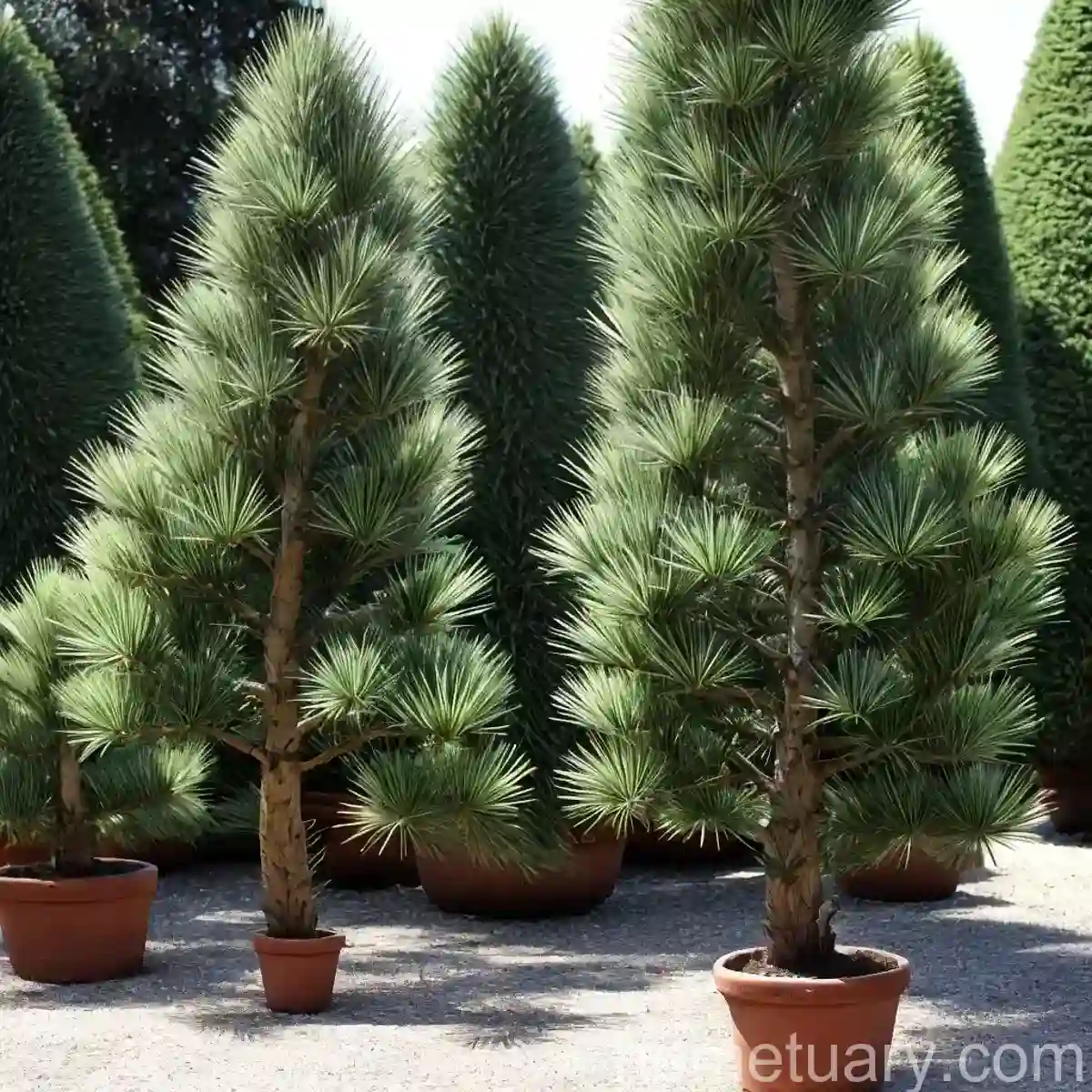
- Distinctive Feature: Whorls of needle-like leaves and umbrella-shaped growth habit
- Cultural Significance: Traditional use in Japanese gardens and landscapes
With its distinct appearance and rich cultural significance, the umbrella pine holds a special place in the world of ornamental horticulture and botanical fascination.
Key Takeaways – Umbrella Pine (Sciadopitys verticillata)
Culture
The culture of the umbrella pine is deeply rooted in traditional Japanese gardens, where it is revered for its unique aesthetic appeal and symbolic significance. The umbrella pine is often featured in Japanese garden designs, adding a sense of grandeur and timelessness to the landscape. Furthermore, the cultural importance of the umbrella pine extends to its use in art, literature, and traditional medicine.
Uses
The umbrella pine serves a variety of purposes, ranging from its ornamental value in landscapes to potential ecological benefits. Its distinctive appearance and slow growth make it an ideal specimen tree in gardens and parks. Additionally, the umbrella pine has been associated with various cultural and ecological uses, including its role in traditional Japanese medicine, wildlife habitat creation, and forest restoration efforts.
Water
In terms of water requirements, the umbrella pine thrives in well-draining soil and benefits from regular watering, especially during its early establishment phase. However, once established, the tree exhibits good drought tolerance and can withstand periods of limited water availability. Understanding the specific water needs of the umbrella pine is crucial for maintaining its health and vitality in diverse environmental conditions.
Sunlight
The umbrella pine is well-adapted to partial shade to full sun conditions, making it a versatile choice for a range of garden settings. When planted in full sun, the umbrella pine benefits from ample sunlight to support its photosynthetic processes and promote healthy growth. However, it can also thrive in partial shade, making it suitable for diverse landscape designs.
Fertilizer
Proper fertilization is essential for promoting healthy growth in the umbrella pine. A balanced, slow-release fertilizer can be applied in the early spring to provide essential nutrients for the tree’s development. However, it is important to avoid excessive fertilization, as the umbrella pine is relatively low-maintenance and does not require heavy feeding.
Soil
The umbrella pine thrives in well-draining, slightly acidic soils with good moisture retention. While it can tolerate a range of soil types, it performs optimally in loamy, organically rich soils that provide a stable environment for its root system. Understanding the soil preferences of the umbrella pine is crucial for ensuring its long-term health and vitality in garden settings.
Pruning
Pruning the umbrella pine should be approached with care, as the tree’s unique growth habit and whorled branches contribute to its distinctive appearance. Minimal pruning may be performed to remove dead or unsightly growth, but extensive pruning should be avoided to preserve the tree’s natural form. Understanding the principles of selective pruning is crucial for maintaining the umbrella pine’s inherent beauty.
Propagation
The propagation of the umbrella pine can be achieved through various methods, including seed propagation and vegetative propagation. Growing the umbrella pine from seeds requires patience and careful attention to environmental conditions, while vegetative propagation techniques such as cuttings and grafting can offer more predictable results. Understanding the propagation techniques for the umbrella pine is essential for expanding its presence in horticultural settings.
Container Popularity
The umbrella pine’s unique appearance and slow growth make it a popular choice for container cultivation. Whether used as a focal point in a patio garden or grown as a bonsai specimen, the umbrella pine’s adaptability to container culture adds a touch of elegance to a variety of urban and suburban settings. Understanding the specific requirements for growing the umbrella pine in containers is essential for ensuring its long-term health and vigor.
Now that we have explored the cultural significance and key aspects of caring for the umbrella pine, let’s delve into the specific requirements for maintaining this remarkable tree in diverse garden settings.
Umbrella Pine (Sciadopitys verticillata) Care: A Comprehensive Guide
Caring for the umbrella pine involves understanding its unique requirements for water, sunlight, soil, and maintenance. By learning the essential aspects of umbrella pine care, gardeners and enthusiasts can ensure the tree’s long-term health and vitality in a variety of garden settings.
Water Needs
The umbrella pine benefits from regular watering during its early establishment phase to support root development and overall growth. However, once established, the tree exhibits good drought tolerance and can withstand periods of limited water availability. While it does not thrive in waterlogged soils, providing consistent moisture is essential for promoting healthy growth and foliage density.
Sunlight Requirements
The umbrella pine is well-adapted to a range of light conditions, from partial shade to full sun. When planted in full sun, the tree benefits from ample sunlight to support its photosynthetic processes and overall vigor. However, it can also thrive in partial shade, making it suitable for diverse garden designs. Providing adequate sunlight is essential for maintaining the umbrella pine’s characteristic whorled foliage and compact growth habit.
Fertilization
Applying a balanced, slow-release fertilizer in early spring can provide essential nutrients for the umbrella pine’s growth and development. However, it is important to avoid excessive fertilization, as the tree has relatively low nutrient requirements and can be sensitive to high levels of soluble salts. The careful application of fertilizer can support the umbrella pine’s overall health and promote steady, sustainable growth.
Soil Requirements
The umbrella pine thrives in well-draining, slightly acidic soils with good moisture retention. While it can tolerate a range of soil types, it performs optimally in loamy, organically rich soils that provide a stable environment for its root system. Ensuring proper soil conditions is crucial for sustaining the umbrella pine’s long-term health and vitality in various garden settings.
Pruning Tips
Minimal pruning may be performed on the umbrella pine to remove dead or unsightly growth and maintain its natural form. However, extensive pruning should be avoided, as the tree’s unique growth habit and whorled branches contribute to its distinctive appearance. Careful, selective pruning can help preserve the umbrella pine’s inherent beauty and structural integrity.
Propagation Techniques
The umbrella pine can be propagated from seeds or through vegetative methods such as cuttings and grafting. Growing the tree from seeds requires patience and attention to specific environmental conditions, while vegetative propagation techniques offer more predictable results. Understanding the propagation methods for the umbrella pine is essential for expanding its presence in horticultural settings.
Container Cultivation
The umbrella pine’s adaptability to container culture makes it a popular choice for patio gardens and urban landscapes. When grown in containers, the tree benefits from well-draining, nutrient-rich potting mix and regular watering to maintain adequate moisture levels. Providing proper care and attention to the umbrella pine in container settings can enhance its aesthetic appeal and ornamental value.
Common Diseases
One of the most important aspects of umbrella pine care is understanding and managing potential diseases that can affect the tree. Several common diseases may impact the health of the umbrella pine, and proactive measures can help mitigate their impact.
Pine Wilt Disease
Pine wilt disease (PWD) is a devastating disease caused by the pine wood nematode (Bursaphelenchus xylophilus). This disease primarily affects various pine species, including the umbrella pine, and is characterized by wilting, browning of needles, and eventual tree death. PWD is a significant concern in regions where the umbrella pine is cultivated, and implementing preventive measures such as the use of resistant varieties and proper sanitation can help reduce the risk of infection.
Needle Blight
Various needle blight pathogens, including Diplodia and Mycosphaerella species, can cause needle browning, defoliation, and overall decline in umbrella pines. Implementing cultural practices such as proper spacing, pruning of infected branches, and promoting good air circulation can help reduce the risk of needle blight.
Root Rot
Root rot diseases caused by Phytophthora species can impact the health of umbrella pines, especially in poorly drained or waterlogged soils. Maintaining proper soil drainage and avoiding overwatering can help reduce the risk of root rot. Additionally, selecting disease-resistant cultivars and implementing preventive fungicide treatments can aid in managing this disease.
Disease Diagnosis
When diagnosing potential diseases in umbrella pines, closely monitoring the tree’s overall health and promptly identifying any signs of distress or abnormality is crucial. Regular inspection for symptoms such as wilting, browning of needles, cankers on branches, or abnormal growth can help detect potential disease issues early on. Seeking professional assistance from arborists or plant pathologists may be necessary for accurate disease diagnosis and targeted management strategies.
Common Pests
In addition to diseases, umbrella pines may also be susceptible to various pests that can impact their health and vitality. Understanding the common pests that may affect the tree is essential for implementing effective pest management strategies.
Pine Sawfly
The pine sawfly (Diprion pini) is a common pest that can defoliate and damage the foliage of umbrella pines. Early detection of sawfly infestations and prompt intervention through insecticidal treatments or manual removal can help prevent extensive damage to the tree.
Pine Gall Aphids
Pine gall aphids (Adelges species) are known to infest various pine species, including the umbrella pine, and form galls on the tree’s needles. Monitoring for aphid activity and implementing targeted insecticidal treatments can help manage infestations and reduce the impact of these pests on the tree’s overall health.
Pine Tip Moths
Several moth species, such as the Rhyacionia and Dioryctria genera, can cause damage to the growing tips of umbrella pines, leading to stunted growth and deformation. Implementing cultural practices such as pruning damaged tips and utilizing biological control agents can aid in managing tip moth infestations.
Botanist’s Tips
- Selecting the Right Cultivar: When choosing an umbrella pine for cultivation, consider selecting disease-resistant or regionally adapted cultivars to ensure the tree’s long-term health and vitality.
- Proper Soil Preparation: Prior to planting, ensure that the soil is well-draining and amended with organic matter to create an optimal growing environment for the umbrella pine.
- Monitoring Environmental Stress: Regularly monitor the tree for signs of environmental stress, such as drought, nutrient deficiencies, or excessive moisture, and take proactive measures to alleviate these factors.
- Integrated Pest Management: Implement an integrated pest management approach that emphasizes cultural, biological, and minimal chemical control methods to manage potential pest issues sustainably.
- Professional Consultation: When faced with complex disease or pest issues, seek the expertise of arborists, plant pathologists, or horticultural professionals to diagnose the problem accurately and develop targeted management strategies.
Fun Facts
- The umbrella pine is often featured in traditional Japanese gardens as a symbol of longevity, strength, and resilience.
- The tree’s distinctive umbrella-like growth habit has earned it the nickname “kasa-maki” in Japanese, which translates to “umbrella tree.”
- The umbrella pine’s deep roots and sturdy frame make it a symbol of stability and endurance in Japanese culture.
Sciadopitys verticillata Varieties
Several cultivated varieties of Sciadopitys verticillata are available, featuring differences in growth habit, foliage color, and overall size. When selecting a variety, consider factors such as regional adaptability, disease resistance, and specific ornamental characteristics to meet your gardening preferences.
Umbrella Pine Planting Guide
When planting an umbrella pine, follow these essential guidelines to ensure a successful establishment and long-term growth:
- Select a suitable planting site with well-draining soil and adequate sunlight.
- Dig a planting hole that is slightly wider than the tree’s root ball and equal in depth.
- Carefully place the tree in the planting hole, ensuring that the root collar is level with the surrounding soil.
- Backfill the hole with soil, gently tamping it down to remove air pockets.
- Water the tree thoroughly after planting to promote root establishment.
Sciadopitys verticillata Growth Rate
The umbrella pine exhibits a slow to moderate growth rate, adding approximately 6 to 12 inches of new growth per year under optimal growing conditions. Its slow growth contributes to its longevity and overall durability, making it an excellent choice for long-term landscape impact.
Umbrella Pine Maintenance
Maintaining the health and aesthetic appeal of the umbrella pine involves regular monitoring, pruning as needed, and addressing any potential issues promptly. By staying proactive and attentive to the tree’s needs, you can ensure its long-term vitality and timeless beauty in the garden.
Umbrella Pine Companion Plants
When selecting companion plants for the umbrella pine, consider species that share similar cultural requirements and complement its aesthetic appeal. Some potential companion plants include:
- Japanese Maples (Acer palmatum): These ornamental trees offer a striking contrast in foliage color and complement the umbrella pine’s graceful presence.
- Low-Growing Junipers (Juniperus species): Utilize these evergreen shrubs to create a cohesive ground cover and accentuate the umbrella pine’s vertical stature.
- Satsuki Azaleas (Rhododendron indicum): These flowering shrubs add a vibrant splash of color and seasonal interest to the landscape alongside the umbrella pine.
Umbrella Pine Seeds
Collecting and germinating umbrella pine seeds can be a rewarding way to propagate new trees and expand the presence of this unique species in horticultural settings. When gathering seeds, ensure they are fully mature and free from disease or damage to maximize the chances of successful germination.
Umbrella Pine for Shade Gardens
While the umbrella pine is well-adapted to full sun conditions, it can also thrive in partial shade, making it a versatile choice for shade gardens. When incorporating the tree into a shaded landscape, ensure that it receives adequate dappled sunlight to support healthy growth and maintain its characteristic form.
Umbrella Pine Soil Requirements
The umbrella pine thrives in well-draining, slightly acidic soils with good moisture retention. When preparing the soil for planting, consider amending it with organic matter and ensuring proper drainage to create an optimal growing environment for the tree.
Umbrella Pine Water Needs
Providing consistent moisture, especially during the tree’s early establishment phase, is essential for promoting healthy growth and root development. While the umbrella pine exhibits good drought tolerance once established, it benefits from regular watering to maintain overall vitality.
Umbrella Pine in Containers
Growing the umbrella pine in containers is a popular choice for urban and suburban landscapes, adding a touch of elegance and timeless beauty to patios and outdoor spaces. When cultivating the tree in containers, ensure that the potting mix provides adequate drainage and moisture retention, and monitor its water needs regularly.
Umbrella Pine Outdoor Cultivation
The umbrella pine is well-suited for outdoor cultivation in a variety of garden settings. Whether used as a focal point in a formal landscape or integrated into naturalistic designs, the tree’s unique aesthetic appeal and durability make it an excellent choice for outdoor cultivation.
Umbrella Pine Winter Care
In regions with cold winters, providing proper winter care for the umbrella pine is essential for protecting its overall health and vitality. Implementing measures such as mulching the root zone, wrapping young trees with burlap, and protecting them from harsh winds can help mitigate potential winter damage.
Umbrella Pine Pest Control
Implementing pest control measures for the umbrella pine involves proactive monitoring, proper cultural practices, and targeted interventions to manage potential pest issues sustainably. By staying attentive to the tree’s overall health and promptly addressing pest concerns, you can maintain its vitality in diverse garden settings.
Umbrella Pine Native Habitat
The umbrella pine is native to Japan, where it thrives in diverse forest ecosystems and mountainous regions. Its natural habitat provides valuable insight into its cultural significance, ecological role, and adaptations to specific environmental conditions.
Umbrella Pine Landscape Design
In landscape design, the umbrella pine can serve as a focal point, specimen tree, or integral component of various garden styles. Its distinctive form, slow growth, and enduring appeal make it a valuable addition to diverse landscape designs, from traditional Japanese gardens to contemporary urban landscapes.
Umbrella Pine as a Bonsai
The umbrella pine’s compact growth habit and elegant foliage make it an excellent choice for bonsai cultivation. By utilizing specialized bonsai techniques and attentive care, you can create miniature representations of this remarkable tree that embody its timeless beauty and cultural significance.
Umbrella Pine Unique Characteristics
- Whorled Foliage: The umbrella pine’s distinctive arrangement of needle-like leaves in whorls along its branches sets it apart from other conifers, adding to its unique aesthetic appeal.
- Umbrella-like Growth Habit: The tree’s upward-reaching branches and symmetrically layered foliage create an umbrella-like silhouette, earning it the nickname “umbrella pine.”
- Longevity: With proper care, the umbrella pine can live for centuries, embodying stability, endurance, and grace in garden landscapes.
Umbrella Pine Medicinal Uses
In traditional Japanese medicine, various parts of the umbrella pine, including its resin and foliage, have been used for their purported medicinal properties. While modern scientific research on its medicinal uses is limited, the tree holds cultural significance in traditional healing practices.
Umbrella Pine Ecological Importance
The umbrella pine plays a valuable ecological role in the forest ecosystems of its native habitat, providing habitat for wildlife, stabilizing soils, and contributing to overall biodiversity. Additionally, its slow growth and longevity contribute to long-term carbon sequestration and environmental resilience.
Umbrella Pine Wildlife Benefits
The umbrella pine supports diverse wildlife species, from birds to small mammals, by providing shelter, nesting sites, and food sources. Its presence in natural landscapes contributes to the ecological balance and sustains various organisms within its habitat.
Umbrella Pine in Traditional Medicine
Within the context of traditional Japanese medicine, the umbrella pine has been associated with various medicinal uses, ranging from respiratory remedies to topical applications of its resin. These traditional uses reflect the tree’s cultural prominence and historical significance in Japanese healing practices.
Umbrella Pine Seasonal Changes
Throughout the seasons, the umbrella pine showcases subtle yet distinctive changes in foliage color and overall appearance. From the vibrant green of spring and summer to