Scilla Mischtschenkoana ‘Tubergeniana’ (White Squill)
Scilla mischtschenkoana ‘Tubergeniana,’ commonly known as White Squill, is a delightful early spring bloomer that adds a bright touch to any garden. In.
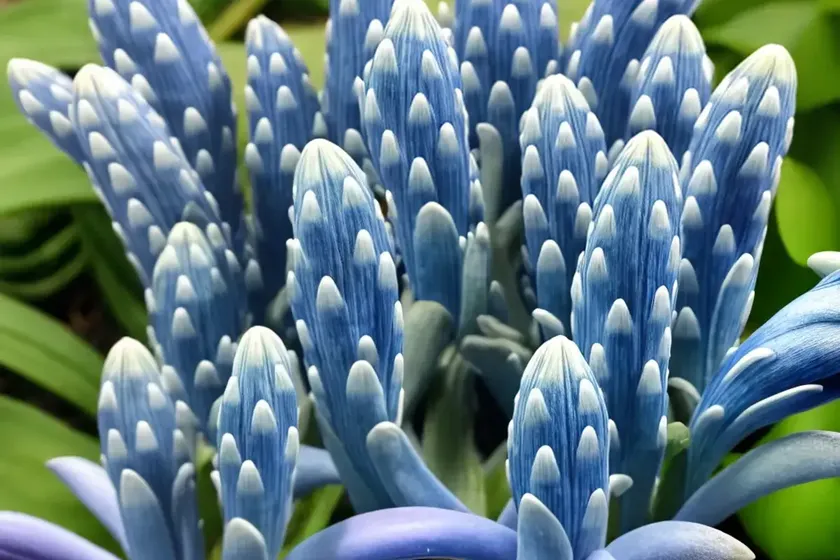
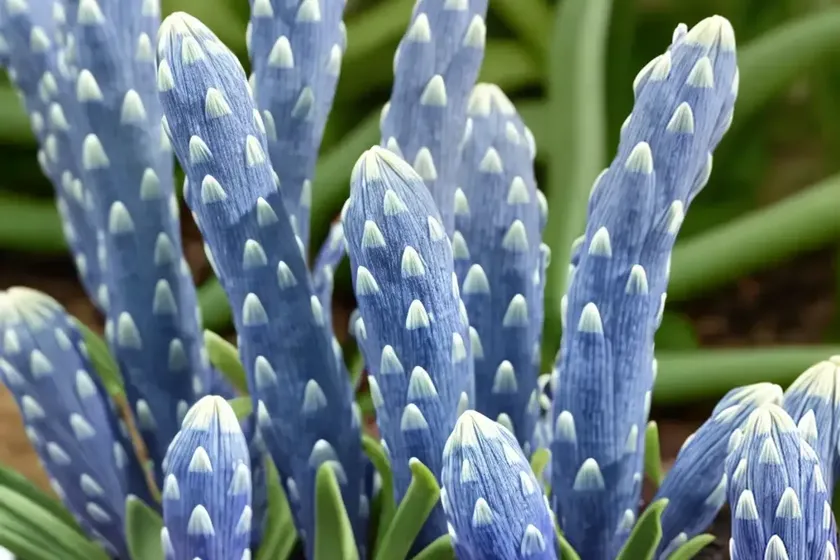
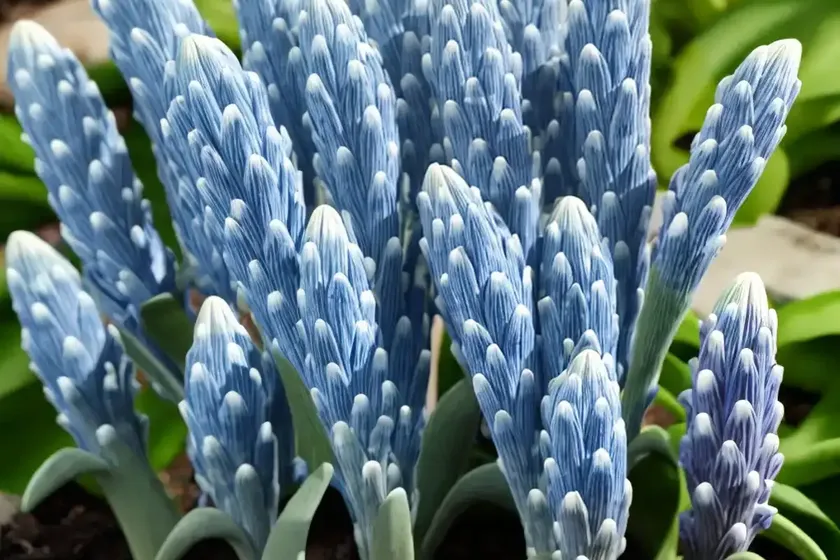
Scilla mischtschenkoana ‘Tubergeniana,’ commonly known as White Squill, is a delightful early spring bloomer that adds a bright touch to any garden. In this comprehensive guide, we will explore the culture, uses, and key takeaways of the Scilla mischtschenkoana ‘Tubergeniana,’ along with various tips for care and propagation. We will also delve into common diseases, pests, and provide invaluable botanist’s tips for growing a flourishing White Squill garden.
What is Scilla mischtschenkoana ‘Tubergeniana’?
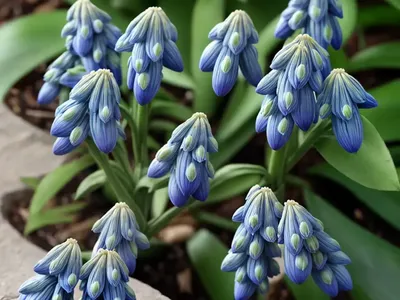
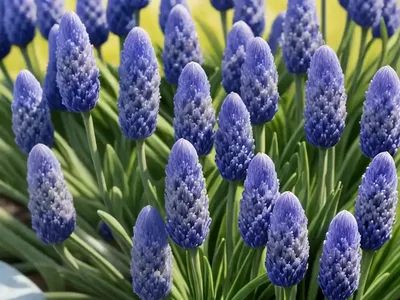
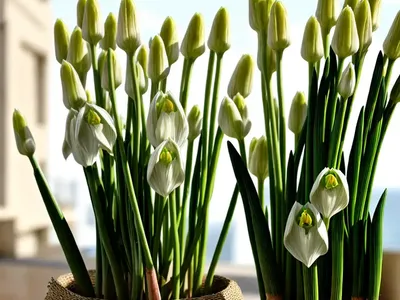
The Scilla mischtschenkoana ‘Tubergeniana’ is a perennial bulbous plant that belongs to the Asparagaceae family. It is native to the Caucasus region and is also found in countries like Turkey and Iran. The tuft of narrow green leaves and dense racemes of star-shaped, pure white flowers make it a charming addition to rock gardens, wildflower meadows, and woodland gardens.
Key Takeaways – Scilla mischtschenkoana ‘Tubergeniana’
Before diving into the details, let’s take a quick look at the key takeaways regarding the Scilla mischtschenkoana ‘Tubergeniana’:
- Common Name: White Squill
- Botanical Name: Scilla mischtschenkoana ‘Tubergeniana’
- Plant Type: Perennial bulbous plant
- Flower Color: Pure white
- Sunlight: Full sun to partial shade
- Watering: Moderate watering needs
- Soil: Well-draining soil
- Hardiness Zones: 3 to 8
- Height: 15-20 cm (6-8 inches)
Now that we have an overview, let’s delve deeper into the culture, uses, and care of the beautiful Scilla mischtschenkoana ‘Tubergeniana.’
Culture
The culture of Scilla mischtschenkoana ‘Tubergeniana’ encompasses various aspects, including its water and sunlight requirements, soil preferences, fertilization needs, pruning, and suitable propagation methods.
Uses
White Squill holds several cultural uses, making it a versatile and valued addition to gardens and landscapes. Some of its common uses include:
- Rock gardens
- Woodland gardens
- Wildflower meadows
- Borders and edging
- Container gardening
- Cut flower arrangements
Water
Proper watering is crucial for the health and vitality of Scilla mischtschenkoana ‘Tubergeniana.’ Here are some key points to consider for watering:
- Spring Growth: In the spring, regular watering is essential to support the plant’s growth and blooming phase.
- Summer Dormancy: During the summer, allow the soil to dry out slightly between watering to mimic the plant’s natural dormancy period.
Sunlight
The sunlight requirements for White Squill are adaptable, making it suitable for various garden settings. Here’s an overview of its sunlight preferences:
- Full Sun: While White Squill tolerates full sun, it thrives in partial shade, especially in regions with hot summers.
- Partial Shade: Providing partial shade can help protect the delicate white blooms and prevent excessive wilting.
Fertilizer
When it comes to fertilization, White Squill has modest needs. A gentle approach to fertilization is recommended to prevent overstimulation and potential damage to the plant. Here are some fertilizer tips:
- Spring Feeding: Apply a balanced, all-purpose fertilizer in early spring as the plant begins its active growth phase.
- Minimal Fertilization: Avoid excessive fertilization, as it can lead to lush foliage at the expense of flowers.
Soil
The soil composition plays a crucial role in the health and vigor of Scilla mischtschenkoana ‘Tubergeniana.’ Here’s a guide to its soil preferences:
- Well-draining Soil: White Squill thrives in well-draining, humus-rich soil that prevents waterlogged conditions.
- Neutral to Alkaline pH: While adaptable, the plant prefers soil with a slightly alkaline pH level.
Pruning
Pruning is minimal for Scilla mischtschenkoana ‘Tubergeniana’ due to its compact growth habit and low maintenance needs. The main pruning considerations include:
- Faded Blooms: Deadhead faded flowers to promote continuous blooming and prevent self-seeding.
- Dormant Period: During the plant’s summer dormancy, remove any yellowing foliage or withered stems.
Propagation
Propagating White Squill allows for the expansion of its delightful presence in the garden. Here are some effective propagation methods:
- Division: Divide mature clumps of bulbs in late summer or early autumn for optimal establishment.
- Seeds: Collect seeds from mature plants and sow them in well-prepared soil in the autumn for natural germination in the following spring.
Container Popularity
The compact size and charming demeanor of Scilla mischtschenkoana ‘Tubergeniana’ make it a sought-after choice for container gardening. Its adaptable nature and early spring blooms add a lovely touch to various container compositions, such as:
- Terracotta Pots: The earthy warmth of terracotta pots complements the pure white blooms of White Squill.
- Window Boxes: Enhance windowsills and outdoor spaces with the delicate blooms of White Squill in window boxes.
- Mixed Planters: Pair White Squill with early spring bloomers like crocuses and daffodils for vibrant mixed planters.
Common Diseases
While White Squill is relatively resilient, it is susceptible to certain diseases that can impact its overall health and vitality. Understanding common diseases and their diagnosis is crucial for timely intervention and effective management.
Disease Diagnosis
The following are some common diseases that may affect Scilla mischtschenkoana ‘Tubergeniana’ along with their diagnostic symptoms:
- Fungal Rots: Yellowing or browning of foliage, soft mushy bulbs, and foul odor indicate fungal rots caused by excessively moist soil or poor drainage.
- Botrytis Blight: Gray mold on leaves and flowers, along with rapid wilting, signifies botrytis blight, especially during periods of high humidity.
- Mosaic Virus: Distinct color patterns and mottling on leaves, stunted growth, and reduced flowering are indicative of mosaic virus infection.
Understanding these diagnostic symptoms enables prompt action to prevent the spread of diseases and protect the overall well-being of the plants.
Common Pests
Pest infestations can pose a threat to the health and appearance of Scilla mischtschenkoana ‘Tubergeniana.’ Identifying common pests and implementing effective pest control measures is essential for safeguarding the plants.
Botanist’s Tips
To ensure successful growth and abundant blooms of White Squill, consider the following botanist’s tips:
- Naturalizing: Allow White Squill to naturalize by self-seeding in optimum growing conditions, creating charming drifts of pure white blooms.
- Companion Plants: Pair White Squill with early spring bloomers like snowdrops, crocuses, and hellebores for captivating displays.
- Limited Disturbance: Minimize disturbance around established clumps to support undisturbed growth and naturalization.
Fun Facts
Dive into these intriguing fun facts to gain a deeper appreciation for the remarkable characteristics and history of Scilla mischtschenkoana ‘Tubergeniana’:
- Medicinal Uses: White Squill has historical significance in traditional medicine, particularly for its expectorant properties and use in respiratory remedies.
- Wildlife Habitat: The early spring blooms of White Squill serve as an essential nectar source for early pollinators, contributing to ecological balance.
- Symbolism: In folklore and symbolism, White Squill represents purity, renewal, and the arrival of spring, making it a cherished garden addition.
Links to External Resources
For further in-depth exploration and information about Scilla mischtschenkoana ‘Tubergeniana,’ consider the following external resources:
- Royal Horticultural Society – Scilla mischtschenkoana ‘Tubergeniana’
- Missouri Botanical Garden – Scilla mischtschenkoana ‘Tubergeniana’
- American Horticultural Society – White Squill
In conclusion, Scilla mischtschenkoana ‘Tubergeniana’ is a captivating and adaptable plant that brings early spring beauty to diverse garden settings. Its cultural uses, low-maintenance care, and charming blooms make it a valuable addition to any garden. With the insights and tips provided in this comprehensive guide, you are well-equipped to cultivate and cherish the pure white beauty of Scilla mischtschenkoana ‘Tubergeniana’ in your own garden.