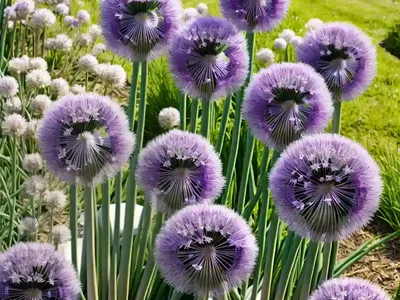
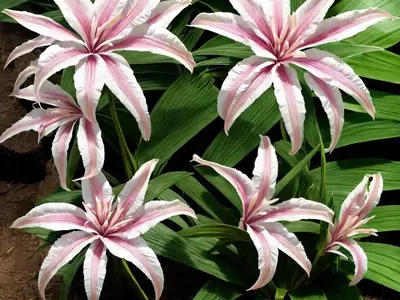
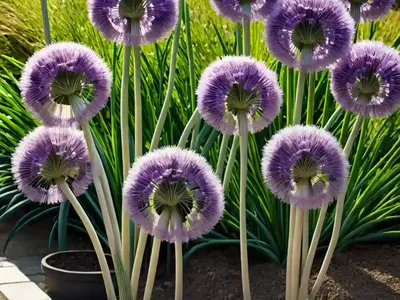
Scadoxus Multiflorus (Scadoxus Multiflorus)
Scadoxus multiflorus, commonly known as the Blood lily, is a striking perennial bulbous plant that belongs to the Amaryllidaceae family. This plant is.
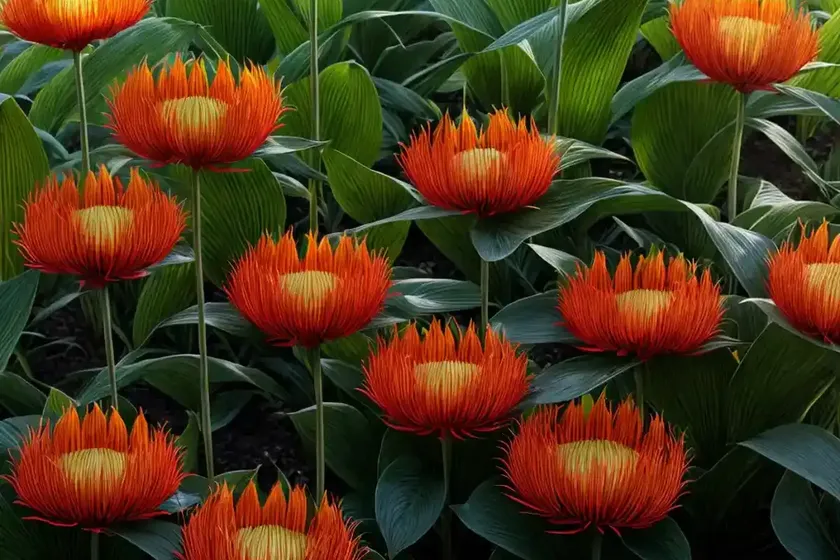
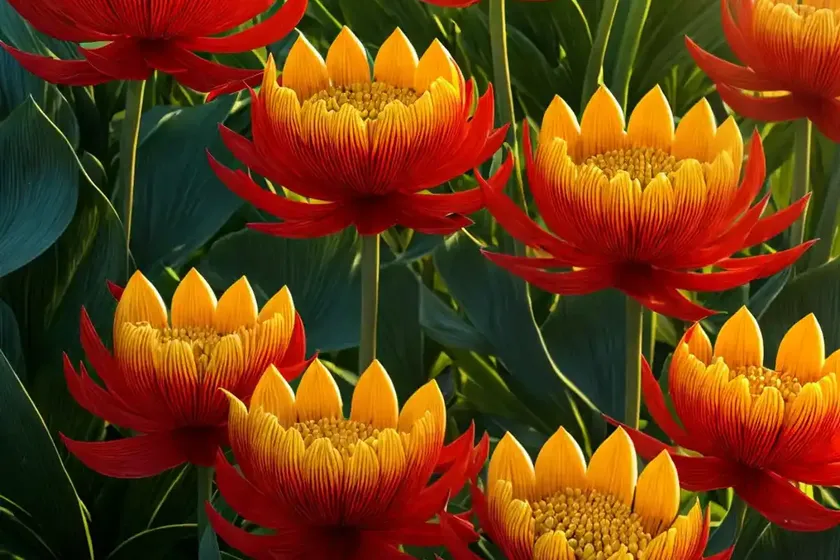
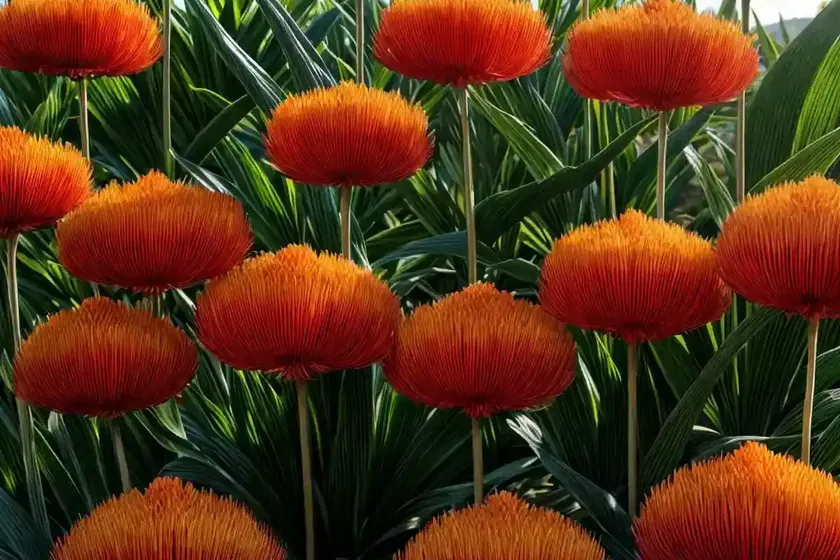
Scadoxus multiflorus, commonly known as the Blood lily, is a striking perennial bulbous plant that belongs to the Amaryllidaceae family. This plant is renowned for its vibrant and eye-catching flowers, making it a favorite among gardeners and horticulturists around the world. In this comprehensive guide, we will delve into the various aspects of Scadoxus multiflorus, including its culture, uses, care requirements, propagation, common diseases, pests, and much more. Whether you’re a seasoned plant enthusiast or a novice gardener, this guide will equip you with the knowledge needed to cultivate and appreciate the beauty of Scadoxus multiflorus.
What is Scadoxus multiflorus?
Scadoxus multiflorus is a species of flowering plant that is native to various regions across Africa and the Arabian Peninsula. It is characterized by its large, spherical umbels of vibrant red florets, which give rise to its common name, the Blood lily. The plant typically blooms during the spring and summer months, producing spectacular clusters of flowers that add a pop of color to gardens and landscapes.
The striking appearance of Scadoxus multiflorus has made it a popular choice for ornamental gardening, where it is often used to create focal points in flower beds, borders, and containers. Additionally, the plant’s cultural significance and traditional uses have contributed to its enduring popularity in various regions where it is native.
Let’s delve deeper into the various aspects of Scadoxus multiflorus, including its culture, uses, and care requirements.
Key Takeaways – Scadoxus multiflorus
Before we explore the specifics of cultivating Scadoxus multiflorus, it’s important to highlight some key takeaways about this fascinating plant:
- Scadoxus multiflorus, also known as the Blood lily, is a perennial bulbous plant with striking red flowers.
- The plant is native to Africa and the Arabian Peninsula and is renowned for its ornamental value.
- The Blood lily is popular in ornamental gardening and landscaping due to its vibrant and eye-catching blooms.
- Proper care and maintenance are essential for the successful cultivation of Scadoxus multiflorus, and this guide will cover the various aspects of its culture and care.
Now that we’ve established an overview of Scadoxus multiflorus, let’s explore the specific aspects of cultivating and caring for this stunning plant.
Culture
Cultivating Scadoxus multiflorus requires an understanding of its cultural preferences, including its requirements for water, sunlight, soil, and fertilizer. By creating optimal growing conditions, you can encourage healthy growth and vibrant flowering in your Blood lily plants.
Uses
Before delving into the specifics of care and cultivation, it’s important to highlight the diverse uses of Scadoxus multiflorus. Beyond its ornamental value, the plant holds cultural significance and has traditional uses in various regions where it is native. Understanding the multifaceted uses of the Blood lily adds depth to its appeal and enriches the overall experience of cultivating this stunning plant.
Now, let’s explore the specific cultural requirements of Scadoxus multiflorus.
Water
Proper watering is crucial for the health and vitality of Scadoxus multiflorus. While the plant requires consistent moisture, it is sensitive to waterlogging and should not be overwatered. The following guidelines can help you establish an effective watering routine for your Blood lily plants:
-
Allow the soil to dry slightly between waterings: While Scadoxus multiflorus prefers moist soil, it is important to avoid waterlogging, which can lead to root rot and other issues. Allow the top few inches of soil to dry slightly before watering, and ensure that the plant’s growing medium has good drainage.
-
Water consistently during the growing season: During the active growing season, typically in spring and summer, ensure that the plant receives regular moisture. Monitor the soil moisture levels and adjust your watering frequency based on environmental conditions.
-
Reduce watering during dormancy: When Scadoxus multiflorus enters a period of dormancy, typically in the fall and winter, reduce the frequency of watering. Allow the soil to dry out more between waterings, but ensure that the bulb does not become completely desiccated.
By providing appropriate water and maintaining balanced soil moisture, you can support the healthy growth and development of your Scadoxus multiflorus plants.
Sunlight
In its natural habitat, Scadoxus multiflorus thrives in partially shaded to lightly shaded areas, where it receives filtered sunlight. When cultivating the Blood lily in a garden or landscape setting, it is important to provide the plant with suitable light conditions to promote robust growth and prolific flowering.
Here are some guidelines for meeting the sunlight needs of Scadoxus multiflorus:
-
Partial sunlight to light shade: Provide your Blood lily plants with partial sunlight to light shade. This can be achieved by placing the plants in locations that receive dappled sunlight or are shaded during the hottest parts of the day.
-
Protection from intense midday sun: Avoid exposing Scadoxus multiflorus to direct, intense midday sun, especially in regions with hot climates. Excessive exposure to intense sunlight can cause leaf scorch and may inhibit flowering.
-
Monitor light conditions: Pay attention to the light conditions in your garden or landscape and adjust the placement of your Scadoxus multiflorus plants as needed. Ensure that they receive adequate light without being subjected to harsh sun exposure.
By providing optimal light conditions, you can enhance the overall health and vigor of your Scadoxus multiflorus plants and encourage the development of abundant flowers.
Fertilizer
Applying balanced fertilization can significantly contribute to the growth and blooming of Scadoxus multiflorus. By providing essential nutrients, you can support the plant’s nutritional needs and promote strong, healthy growth.
Consider the following guidelines for fertilizing your Blood lily plants:
-
Use a balanced, water-soluble fertilizer: Select a balanced, water-soluble fertilizer with equal N-P-K (nitrogen, phosphorus, and potassium) ratio or a slightly higher phosphorus content to promote blooming. Dilute the fertilizer according to the manufacturer’s instructions and apply it to the plant’s growing medium during the active growing season.
-
Apply fertilizer sparingly: Avoid overfertilizing Scadoxus multiflorus, as this can lead to excessive vegetative growth at the expense of flowering. Apply the fertilizer sparingly and avoid direct contact with the plant’s foliage to prevent potential damage.
-
Adjust fertilization during dormancy: During the plant’s dormant period, reduce or suspend fertilization to align with its reduced metabolic activity. Resume fertilization when the plant enters the active growing phase, typically in the spring.
By providing balanced fertilization tailored to the plant’s needs, you can support healthy growth and encourage prolific flowering in your Scadoxus multiflorus plants.
Soil
The choice of growing medium and soil composition significantly influences the health and performance of Scadoxus multiflorus. While the plant has specific preferences for soil characteristics, it is adaptable to various soil types when provided with adequate drainage and appropriate environmental conditions.
Consider the following guidelines for selecting and preparing the ideal soil for your Blood lily plants:
-
Well-draining soil: Use a well-draining potting mix or garden soil that provides good drainage and aeration. Improving soil drainage is crucial for preventing waterlogging, which can be detrimental to the plant’s health.
-
Rich in organic matter: Incorporate organic matter, such as compost or well-rotted manure, into the soil to enhance its fertility and structure. Organic matter contributes essential nutrients and supports soil moisture retention.
-
Maintain a slightly acidic to neutral pH: Aim for a soil pH ranging from slightly acidic to neutral (pH 6.0–7.0). Conduct a soil test if necessary and make adjustments using suitable amendments to achieve the desired pH range.
By selecting a well-draining, fertile growing medium with adequate organic matter, you can provide an optimal foundation for the healthy growth and development of your Scadoxus multiflorus plants.
Pruning
Pruning plays a role in maintaining the health and aesthetics of Scadoxus multiflorus, especially after the flowering period. Proper pruning practices can help rejuvenate the plant, promote tidy growth, and prepare it for the next blooming cycle.
Consider the following guidelines for pruning your Blood lily plants:
-
Remove spent flower stalks: After the flowering period, promptly remove the spent flower stalks to redirect the plant’s energy from seed production to bulb development. Use clean, sharp pruning shears to make clean cuts without causing unnecessary damage to the plant.
-
Trim yellowing or withered foliage: As the leaves naturally senesce or become discolored, carefully trim them from the plant to maintain its aesthetic appeal and prevent potential disease issues. Avoid removing healthy, green foliage during the trimming process.
-
Rejuvenation pruning: If the plant exhibits excessive overgrowth or becomes crowded, consider rejuvenation pruning during its dormant period. Divide and replant the bulbs if necessary to manage the plant’s size and vigor.
By incorporating proper pruning practices into your plant care routine, you can promote the overall health and appearance of your Scadoxus multiflorus plants and encourage vigorous regrowth.
Propagation
Propagating Scadoxus multiflorus allows you to expand your plant collection and share the beauty of the Blood lily with fellow enthusiasts. While the plant can be propagated by various methods, careful attention to the specific requirements and techniques is crucial for successful propagation.
Consider the following methods for propagating Scadoxus multiflorus:
-
Division of bulbs: Propagate Scadoxus multiflorus by dividing the bulbs during the dormant period. Carefully separate the individual bulbs, ensuring that each division has sufficient roots and healthy growth points. Replant the divisions at the appropriate depth to encourage establishment.
-
Offsets or bulbils: Some varieties of Scadoxus multiflorus may produce offsets or bulbils, which can be carefully detached and replanted to establish new plants. Ensure that the offsets have developed adequate roots and shoot growth before transplanting them.
-
Seed propagation: While less commonly practiced due to the time it takes for plants to reach maturity, Scadoxus multiflorus can also be propagated from seeds. Collect mature seeds and sow them in a suitable growing medium, providing favorable conditions for germination and early growth.
By employing proper propagation techniques and providing suitable growing conditions, you can successfully propagate Scadoxus multiflorus and expand your collection of these captivating plants.
Container Popularity
Scadoxus multiflorus is well-suited for container gardening, allowing enthusiasts to enjoy its vibrant blooms in various indoor and outdoor settings. When grown in containers, the plant’s striking appearance and ornamental value make it a popular choice for adding flair to patios, balconies, and indoor spaces.
Consider the following guidelines for growing Scadoxus multiflorus in containers:
-
Select suitable container sizes: Choose appropriately sized containers that provide ample space for the plant’s bulbs and accommodate its growth. Ensure that the containers have drainage holes to prevent waterlogging.
-
Use well-draining potting mix: Fill the containers with a well-draining potting mix that provides aeration and adequate moisture retention. Consider incorporating a small amount of organic matter to enrich the growing medium.
-
Position containers appropriately: Place the containers in locations that receive partial sunlight to light shade, ensuring that the plants are shielded from intense midday sun. Indoors, position the containers near windows or areas with bright, indirect light.
By embracing container gardening, you can showcase the beauty of Scadoxus multiflorus in diverse settings and enjoy its captivating flowers as a focal point of your indoor or outdoor decor.
Common Diseases
While generally robust, Scadoxus multiflorus may be susceptible to certain diseases and issues that can affect its growth and appearance. Familiarizing yourself with common diseases and their associated symptoms enables proactive management and helps maintain the plant’s health.
Consider the following common diseases that may affect Scadoxus multiflorus:
-
Leaf spot: Leaf spot diseases may manifest as dark, water-soaked lesions on the foliage, often accompanied by yellowing or browning of the affected areas. These diseases are often caused by fungal pathogens and may spread under conditions of high humidity and poor air circulation.
-
Bulb rot: Excessive moisture or waterlogging can lead to bulb rot, a condition characterized by softening, discoloration, and decay of the plant’s bulbs. Proper soil drainage and caution in watering practices are essential for preventing bulb rot.
-
Botrytis blight: Botrytis blight, caused by the fungus Botrytis cinerea, may affect Scadoxus multiflorus, particularly during periods of high humidity and poor air circulation. It can result in gray mold on the leaves and flowers, potentially leading to tissue decay.
-
Viral diseases: Various viral diseases may affect Scadoxus multiflorus, resulting in symptoms such as leaf mottling, yellowing, stunting, and distorted growth. Viral diseases are often spread by pests and may require management strategies focused on prevention and control.
Disease Diagnosis
Diagnosing and addressing potential diseases is crucial for preserving the health and vitality of Scadoxus multiflorus. When observing symptoms indicative of diseases, prompt action and appropriate management strategies can help mitigate the impact on the plant.
Consider the following steps for diagnosing and managing diseases in Scadoxus multiflorus:
-
Careful observation: Regularly inspect your plants for any unusual symptoms, including leaf discoloration, spots, or abnormal growth patterns. Pay attention to changes in the plant’s overall vigor and appearance.
-
Seek professional advice: If you suspect that your Scadoxus multiflorus plants are afflicted by diseases, consider seeking guidance from horticultural professionals or local extension services. Timely and accurate diagnosis is essential for implementing effective management strategies.
-
Implement preventative measures: Maintain proper cultural practices, including watering, fertilization, and sanitation, to reduce the risk of diseases. Ensure that your plants receive adequate airflow and sunlight to discourage conditions conducive to disease development.
-
Appropriate treatments: If diseases are confirmed, employ targeted treatments as recommended by experts or based on the specific pathogens involved. Fungicidal sprays, cultural adjustments, and plant health management practices may be employed to address disease outbreaks.
By diligently monitoring your Scadoxus multiflorus plants and responding promptly to signs of diseases, you can help maintain their resilience and preserve their ornamental value.
Common Pests
While generally resilient, Scadoxus multiflorus may occasionally face infestations from various pests that can impact its growth and overall vitality. Recognizing common pests and implementing effective pest management strategies is crucial for safeguarding the health of the plant.
Consider the following common pests that may affect Scadoxus multiflorus:
-
Aphids: Aphids may infest Scadoxus multiflorus, causing damage by feeding on the plant’s sap and secreting sticky honeydew. These small, soft-bodied insects can cluster on the undersides of leaves and may lead to distorted growth and reduced vigor.
-
Thrips: Thrips are tiny, slender insects that may feed on the foliage and flowers of Scadoxus multiflorus. Their feeding activity can cause stippling, discoloration, and distortion of plant tissues, potentially affecting the plant’s overall appearance.
-
Spider mites: Spider mites are common pests that may affect Scadoxus multiflorus, particularly in warm, dry conditions. These tiny arachnids feed on the plant’s cells, leading to stippling and the development of fine webbing on the foliage.
-
Slugs and snails: These mollusks may feed on the tender foliage and bulbs of Scadoxus multiflorus, particularly in moist and shaded environments. Their feeding activity can cause unsightly damage and may attract additional pests.
Botanist’s Tips
As a botanist with a passion for plants and a deep understanding of Scadoxus multiflorus, I am delighted to share some specialized tips for cultivating and appreciating the beauty of this remarkable species. These insights are based on years of experience and dedicated study of the Blood lily, aiming to enhance your understanding and enjoyment of the plant.
Consider the following botanist’s tips for successful cultivation and appreciation of Scadoxus multiflorus:
-
Cultivate in groups for dramatic impact: Planting multiple specimens of Scadoxus multiflorus in close proximity can create a striking visual impact, especially when grown in clusters or groups. The collective display of vibrant red flowers can be particularly breathtaking, enhancing the ornamental value of the plants.
-
Understand dormancy requirements: Recognize the natural dormancy cycle of Scadoxus multiflorus, which typically occurs in the fall and winter. Respect the plant’s dormancy requirements by adjusting your care practices to align with its reduced growth and metabolic activity during this period.
-
Explore companion planting: Consider pairing Scadoxus multiflorus with compatible companion plants that complement its striking appearance and cultural preferences. Selecting suitable companions can enhance the aesthetic appeal of the planting area and provide additional ecological benefits.
-
Engage in biodiversity conservation: Recognize the ecological significance of Scadoxus multiflorus and explore opportunities to contribute to biodiversity conservation efforts. Participate in initiatives aimed at preserving native plant species and their ecosystems, supporting the conservation of natural habitats.
-
Share knowledge and resources: Encourage the exchange of knowledge and resources related to Scadoxus multiflorus within gardening communities and plant enthusiast groups. By sharing experiences, insights, and resources, you can contribute to the collective understanding and appreciation of this captivating species.
By embracing these botanist’s tips, you can deepen your engagement with Scadoxus multiflorus, expand your horticultural expertise, and contribute to the broader community of plant enthusiasts.
Fun Facts
Uncover the intriguing and delightful aspects of Scadoxus multiflorus through a collection of fun and fascinating facts about the plant. These captivating insights shed light on the plant’s cultural significance, unique attributes, and ecological interactions, adding depth to its allure and appeal.
Consider the following fun facts about Scadoxus multiflorus:
-
Cultural symbolism: Scadoxus multiflorus carries cultural symbolism and traditional significance in various regions where it is native. It may be associated with rituals, celebrations, and symbolic gestures, reflecting its enduring cultural importance.
-
Wildlife interactions: The flowers of Scadoxus multiflorus attract pollinators such as bees, butterflies, and other beneficial insects, contributing to the plant’s ecological interactions and supporting local biodiversity.
-
Endangered status: Certain varieties or populations of Scadoxus multiflorus may face conservation challenges and be designated as endangered species, highlighting the need for conservation efforts to ensure their survival.
-
Medicinal uses: In some cultural contexts, parts of Scadoxus multiflorus may have traditional medicinal uses, attributed to certain beneficial properties or applications in traditional healthcare practices.
-
Folklore stories: Scadoxus multiflorus may be intertwined with folklore, myths, and captivating stories that reflect the imaginative and cultural significance of the plant in various narratives and traditions.
Discovering these fun facts about Scadoxus multiflorus offers a glimpse into the rich tapestry of its cultural, ecological, and historical connections, deepening the appreciation for this remarkable species.
Links to External Resources
Explore additional insights and resources related to Scadoxus multiflorus by delving into the following external links and references: