Sarracenia Flava (Yellow Pitcher Plant)
Sarracenia flava, commonly known as the Yellow Pitcher Plant, is a fascinating and distinctive plant species. As a plant scientist, I have studied and.
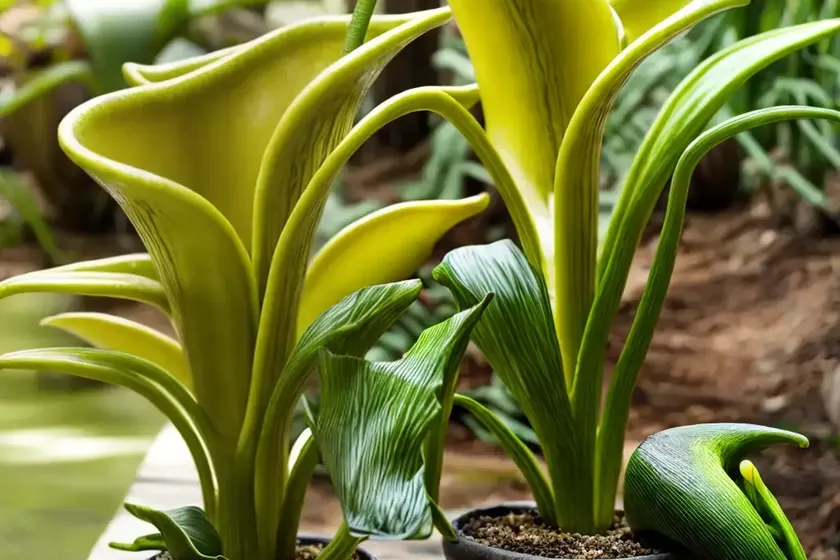
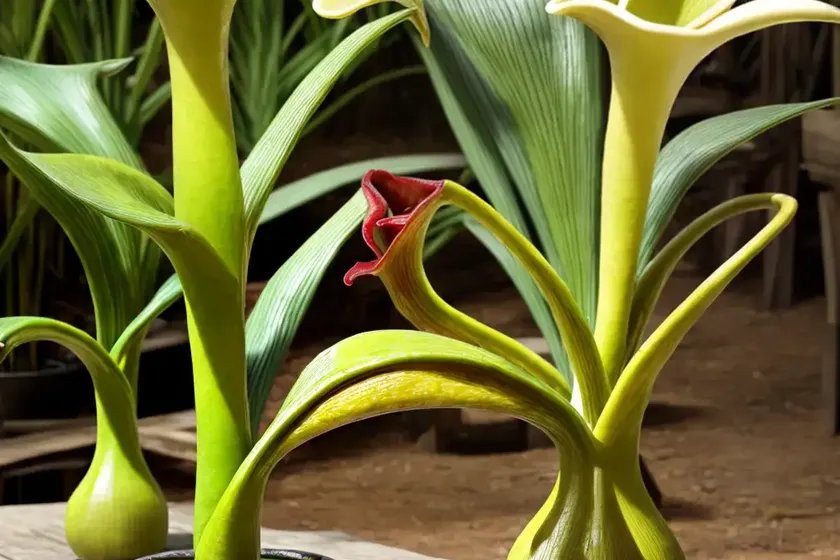
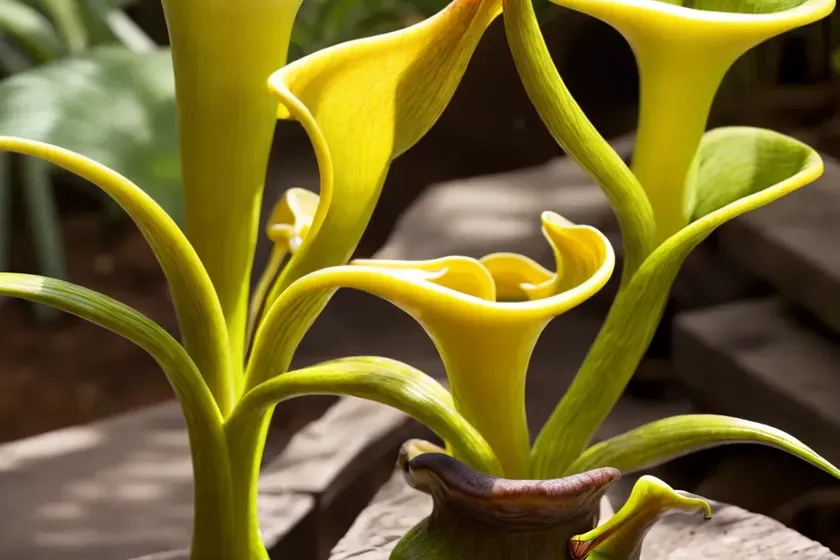
Sarracenia flava, commonly known as the Yellow Pitcher Plant, is a fascinating and distinctive plant species. As a plant scientist, I have studied and researched this unique carnivorous plant extensively, and in this comprehensive guide, I will share valuable insights about its characteristics, care requirements, and cultivation tips. Whether you are a seasoned plant enthusiast or a beginner looking to explore the world of carnivorous plants, this guide will provide you with a wealth of information about Sarracenia flava.
What is Sarracenia flava (Yellow Pitcher Plant)?
Sarracenia flava, a member of the Sarraceniaceae family, is a carnivorous plant native to the southeastern United States. This captivating species is renowned for its remarkable pitcher-shaped leaves, which serve as specialized traps for capturing and digesting insects. The plant’s unique adaptation to nutrient-poor environments has made it a subject of interest for botanists, horticulturists, and plant enthusiasts worldwide.
Key Takeaways – Sarracenia flava (Yellow Pitcher Plant)
Before delving into the specifics of Sarracenia flava’s care and cultivation, let’s outline some key takeaways regarding this captivating plant:
- Sarracenia flava is a carnivorous plant known for its pitcher-shaped leaves that attract, trap, and digest insects.
- This species thrives in moist, nutrient-poor soils and is commonly found in boggy or wetland habitats.
- Cultivating Sarracenia flava requires attention to its water, sunlight, soil, and feeding requirements to mimic its natural habitat effectively.
- The plant’s striking appearance and unique growth habits make it a popular choice for botanical gardens, collections, and nature enthusiasts.
- Understanding the common diseases and pests that affect Sarracenia flava is essential for maintaining its health and vitality.
Culture
Understanding the cultural requirements of Sarracenia flava is paramount for successfully nurturing this captivating carnivorous plant. From its habitat preferences to its growth characteristics, a holistic approach to its culture is essential for its long-term health and well-being.
Habitat
Sarracenia flava is indigenous to the southeastern United States, where it thrives in boggy and wetland habitats characterized by acidic, nutrient-poor soils. Its natural range includes regions such as North Carolina, South Carolina, and Florida, where it can be found in boggy savannas, seepage slopes, and other damp, open environments.
In the wild, Sarracenia flava often grows alongside other carnivorous plant species, including various pitcher plants and sundews. Its ability to adapt to waterlogged, low-nutrient soils is a testament to its remarkable evolutionary traits.
Growth Characteristics
Sarracenia flava is a perennial plant with a unique growth pattern. It produces vibrant, trumpet-shaped pitchers that emerge from a central rosette of leaves, often reaching heights of 2 to 3 feet. These pitchers serve as the plant’s primary mechanism for capturing and digesting insects, enabling it to obtain essential nutrients such as nitrogen and phosphorus from its prey.
During the growing season, Sarracenia flava produces striking yellow, green, or red pitchers, which not only facilitate its carnivorous function but also contribute to its ornamental appeal. The plants may also produce elegant blooms in late spring or early summer, adding further allure to their presence.
Uses
Sarracenia flava possesses both ecological and horticultural significance, making it a plant of interest for various purposes. Understanding its uses, both in its natural habitat and in cultivation, provides valuable insights into the plant’s broader impact and potential benefits.
Ecological Importance
In its natural habitat, Sarracenia flava plays a crucial role in the ecological balance of boggy and wetland ecosystems. As a carnivorous plant, it contributes to the control of insect populations while obtaining essential nutrients in nutrient-poor environments. The presence of Sarracenia flava and other carnivorous plants in these habitats reflects their unique adaptation to challenging conditions and their ecological relevance as specialized predators.
Horticultural and Botanical Uses
Beyond its ecological role, Sarracenia flava has gained recognition for its aesthetic appeal and horticultural significance. It is a popular choice for botanical gardens, nature reserves, and specialized plant collections, where its exotic appearance and intriguing growth habits attract visitors and plant enthusiasts alike.
Sarracenia flava is also a subject of interest for botanical research and conservation efforts, as it represents a unique example of plant adaptation and evolutionary diversification. Understanding its cultivation requirements and characteristics is fundamental for preserving its genetic diversity and ecological relevance.
Water
Proper watering is essential for the health and vitality of Sarracenia flava. Understanding its water requirements, especially in relation to its boggy habitat, is crucial for successfully cultivating this captivating carnivorous plant.
Natural Watering Conditions
Sarracenia flava’s natural habitat provides valuable insights into its watering needs. In the wild, the plant thrives in boggy environments with consistently high humidity and ample moisture. It is adapted to waterlogged soils and benefits from regular, even moisture levels, especially during the growing season.
Watering Guidelines for Cultivation
When cultivating Sarracenia flava, it is essential to replicate its natural watering conditions as closely as possible. This entails providing consistently moist, well-draining soil and ensuring that the plant’s root system has access to adequate hydration. While the plant is tolerant of high humidity levels, it is important to avoid waterlogging the soil, as excessively wet conditions can lead to root rot and other detrimental issues.
One effective approach to watering Sarracenia flava is to use rainwater or distilled water to mimic its natural habitat conditions. Tap water, which often contains minerals and additives that can be harmful to carnivorous plants, should be avoided. Ensuring that the plant’s growing medium remains consistently moist but not waterlogged is crucial for its overall health and well-being.
Sunlight
As with many other plant species, sunlight plays a pivotal role in the growth and development of Sarracenia flava. Understanding its sunlight requirements and providing appropriate light conditions are essential for cultivating healthy, vibrant plants with robust pitchers and colorful foliage.
Natural Sunlight Conditions
In its natural habitat, Sarracenia flava flourishes in bright, indirect sunlight. It is commonly found in open, sunny environments such as boggy savannas and wetland edges, where it receives ample daylight throughout the growing season. The plant’s ability to thrive in full sun while maintaining high humidity levels underscores its adaptation to sunny, open habitats.
Providing Adequate Sunlight in Cultivation
When growing Sarracenia flava in cultivation, it is important to replicate its natural sunlight conditions to ensure optimal growth and pitcher development. The plant should ideally be positioned in an area that receives bright, indirect sunlight for the majority of the day, especially during the growing season. While it can tolerate direct sunlight, especially in the morning and late afternoon, it is important to avoid prolonged exposure to intense midday sun, which can potentially scorch the pitchers and foliage.
For indoor cultivation, providing adequate sunlight can be achieved by placing Sarracenia flava near a south or west-facing window where it can receive several hours of bright, indirect light each day. Supplemental grow lights can also be used to ensure that the plant receives sufficient light levels, especially during the winter months when natural sunlight may be limited.
Fertilizer
The unique nutritional requirements of Sarracenia flava, as a carnivorous plant, necessitate a specialized approach to fertilization. Understanding its feeding habits, nutrient uptake, and supplemental feeding requirements is essential for promoting healthy growth and pitcher development.
Carnivorous Feeding Adaptations
Sarracenia flava, like other carnivorous plants, has evolved specialized adaptations to supplement its nutritional needs. The plant’s pitchers serve as active traps for capturing and digesting insects, from which it obtains essential nutrients such as nitrogen, phosphorus, and other trace elements. The ability to derive nutrients from its prey is a hallmark of its carnivorous feeding strategy and a crucial aspect of its physiological adaptation to nutrient-poor environments.
Supplemental Feeding Considerations
While Sarracenia flava relies primarily on its carnivorous feeding habits to meet its nutritional requirements, supplemental feeding can be considered to support its growth and vitality, especially in cultivation. Offering live insects, such as small flies, ants, or insects commonly found in its natural habitat, can provide additional nutrients that contribute to robust pitcher formation and overall plant health.
It is important to exercise caution when supplementally feeding Sarracenia flava, as overfeeding or introducing unsuitable prey can potentially harm the plant and disrupt its natural feeding behavior. By respecting the plant’s inherent carnivorous instincts and providing occasional supplemental feeding in moderation, it is possible to enhance the plant’s growth and vitality while maintaining its unique ecological adaptations.
Soil
Sarracenia flava’s unique soil requirements are closely linked to its natural habitat and evolutionary adaptation to nutrient-poor, acidic environments. Understanding the plant’s soil preferences and providing suitable growing medium are essential for creating an optimal environment for its health and growth.
Natural Soil Conditions
In the wild, Sarracenia flava thrives in acidic, nutrient-poor soils common to boggy and wetland habitats. The plant’s adaptation to these challenging soil conditions is reflected in its ability to capture and digest insects as a primary source of essential nutrients. The presence of organic matter, such as decaying leaves and sphagnum moss, further contributes to the acidic, moisture-retentive qualities of its natural soil environment.
Suitable Growing Medium
When cultivating Sarracenia flava, it is vital to replicate its natural soil conditions as closely as possible to ensure its well-being. A well-draining, acidic growing medium that mimics the nutrient-poor, acidic soils of its natural habitat is essential for promoting healthy root development and pitcher formation. A popular choice for the growing medium is a mix of sphagnum peat moss and perlite or sand, which provides optimal moisture retention, acidity, and aeration for the plant’s root system.
Amending the growing medium with long-fibered sphagnum moss, which closely resembles the plant’s natural habitat substrate, can further enhance the soil’s moisture-retentive qualities and create a suitable environment for healthy Sarracenia flava growth. Avoiding standard potting soil or compost mixes, which may contain fertilizers and additives unsuitable for carnivorous plants, is essential for preventing nutrient imbalances and soil issues.
Pruning
Pruning is not a common practice for Sarracenia flava, as the plant’s growth habits and foliage characteristics do not typically require extensive maintenance. However, understanding the occasional pruning needs of the plant can help maintain its overall appearance and health.
Pitcher Maintenance
While the pitchers of Sarracenia flava do not require traditional pruning, they may benefit from occasional maintenance to remove any spent or discolored pitchers. As the plant progresses through its growth cycle, older pitchers may naturally senesce and become less effective at capturing prey. Carefully trimming these older pitchers, especially those that have turned brown or lost their structural integrity, can contribute to the plant’s aesthetic appeal and overall health.
Foliage and Bloom Trimming
Occasional pruning of any damaged or unsightly foliage is also beneficial for maintaining the plant’s overall appearance. Additionally, after the blooming period, any spent or withered flower stalks can be trimmed to redirect the plant’s energy towards pitcher development and vegetative growth.
It is important to use clean, sterilized pruning tools when performing any pruning or maintenance tasks to prevent the spread of diseases or pests. By exercising care and moderation in pruning practices, it is possible to promote a tidy, vibrant appearance for Sarracenia flava while respecting its natural growth habits and characteristics.
Propagation
Propagating Sarracenia flava is an exciting endeavor that allows for the expansion of its population and the cultivation of new plants with diverse characteristics. Understanding the plant’s propagation methods and guidelines is essential for successfully reproducing this captivating species.
Propagation Methods
Sarracenia flava can be propagated through division, rhizome cuttings, or seed germination, with each method offering unique advantages and considerations.
-
Division: Dividing mature Sarracenia flava plants is a common method of propagation. This involves carefully separating the plant’s rhizomes, ensuring that each division has sufficient roots and growing points to support its growth.
-
Rhizome Cuttings: Another approach is to take rhizome cuttings, which involve carefully removing a portion of the plant’s rhizome with attached roots and active growing points. The cuttings are then potted in a suitable growing medium and provided with optimal conditions for root establishment and growth.
-
Seed Germination: Growing Sarracenia flava from seeds is a rewarding but time-intensive propagation method. Collecting ripe seeds from mature plants and providing them with suitable germination conditions, including consistent moisture and warmth, can yield new seedlings with the potential for diverse traits and characteristics.
Propagation Guidelines
Regardless of the propagation method chosen, it is essential to provide suitable growing conditions and attentive care to support the establishment and growth of propagated Sarracenia flava plants. Moist, well-draining soil, appropriate light levels, and consistent moisture are essential for promoting robust root development and acclimatization of newly propagated plants.
Carefully monitoring the progress of propagated plants and providing adequate care during the establishment phase can contribute to their long-term vitality and successful integration into their growing environment. By following prudent propagation guidelines and nurturing newly propagated plants with diligence, it is possible to expand and diversify Sarracenia flava populations while preserving their unique genetic traits and characteristics.
Container Popularity
The cultivation of Sarracenia flava in containers has gained popularity among plant enthusiasts and horticulturists, offering a versatile and accessible approach to growing this captivating species. Understanding the appeal of container cultivation and the considerations for successfully growing Sarracenia flava in containers provides valuable insights for plant enthusiasts of all skill levels.
Appeal of Container Cultivation
Cultivating Sarracenia flava in containers offers several compelling advantages, making it an appealing choice for both novice and experienced growers:
-
Space Efficiency: Container cultivation allows for the efficient use of space, making Sarracenia flava accessible to individuals with limited outdoor growing areas or those seeking to expand their plant collections in a confined space.
-
Customized Growing Conditions: Containers provide the flexibility to customize the growing conditions for Sarracenia flava, including soil composition, moisture levels, and light exposure, to create an optimal environment for the plant’s health and growth.
-
Portability and Display: Container-grown Sarracenia flava plants can be easily moved and displayed in different locations, offering versatility in showcasing their ornamental pitchers and unique growth habits.
Considerations for Container Cultivation
When growing Sarracenia flava in containers, it is important to consider several key factors to ensure the plant’s well-being and long-term health:
-
Container Size: Selecting a suitable container size is crucial for accommodating the plant’s roots and allowing for adequate growth. A container with drainage holes that is at least 12 inches deep provides ample space for Sarracenia flava’s root system to develop.
-
Growing Medium: Using a well-draining, acidic growing medium is essential for container cultivation. A mix of sphagnum peat moss and perlite or sand, supplemented with long-fibered sphagnum moss, provides an ideal substrate for container-grown Sarracenia flava.
-
Watering and Drainage: Ensuring proper watering and drainage in container cultivation is essential for preventing waterlogging and maintaining optimal moisture levels. Using rainwater or distilled water and providing adequate drainage in the container are critical considerations.
By carefully addressing these considerations and cultivating Sarracenia flava in containers with attention to its specific needs, plant enthusiasts can enjoy the unique beauty and carnivorous traits of this captivating species in a versatile and accessible manner.
Common Diseases
Understanding the common diseases that can affect Sarracenia flava is paramount for maintaining the health and vitality of this captivating carnivorous plant. By recognizing the symptoms, causes, and preventive measures for these diseases, it is possible to promote the plant’s long-term well-being and resilience.
Rhizome Rot
Rhizome rot, often caused by fungal pathogens such as Phytophthora and Pythium species, can pose a significant threat to Sarracenia flava plants, especially when they are exposed to excessive moisture and poor drainage. Symptoms of rhizome rot include soft, discolored rhizomes, wilting or browning foliage, and a general decline in the plant’s overall health.
To prevent rhizome rot, it is essential to ensure proper soil drainage, avoid waterlogging, and provide adequate air circulation around the plant’s rhizomes. Timely removal of affected portions and application of suitable fungicides can help manage and mitigate the impact of rhizome rot on Sarracenia flava plants.
Pitcher Blight
Pitcher blight, often caused by fungal pathogens such as Botrytis and Fusarium species, can manifest as discolored, withered pitchers, or the development of fuzzy, mold-like growth on the plant’s foliage. This condition is commonly associated with high humidity levels, poor air circulation, and inadequate light exposure, which create favorable conditions for fungal infection.
Preventing pitcher blight involves promoting good air circulation around the plant, providing adequate light levels, and ensuring that the plant’s foliage remains dry to inhibit fungal growth. Regular monitoring of the plant’s pitchers and prompt removal of any affected foliage can help minimize the impact of pitcher blight and maintain the plant’s overall health and vigor.
Pest Infestations and Predation
While Sarracenia flava’s carnivorous nature serves as a natural defense against pest infestations, occasional encounters with pests such as aphids, fungus gnats, and spider mites can occur. These pests may feed on the plant’s pitchers, foliage, or roots, potentially compromising its feeding function and overall vitality.
Vigilant monitoring and early intervention are key to managing pest infestations and predation in Sarracenia flava. Applying natural control methods, such as introducing beneficial insects or maintaining balanced ecosystem dynamics, can help mitigate pest pressures and support the plant’s natural defenses.
By remaining attentive to the possibility of diseases and pests that can affect Sarracenia flava, and applying proactive measures to prevent and manage these challenges, it is possible to maintain the plant’s health and resilience in cultivation.
Disease Diagnosis
Diagnosing diseases in Sarracenia flava involves careful observation and assessment of the plant’s symptoms, as well as an understanding of the potential causes and contributing factors. By employing a systematic approach to disease diagnosis, it is possible to identify and address health issues promptly, promoting the plant’s recovery and long-term well-being.
Observation of Symptoms
When assessing the health of Sarracenia flava, it is important to observe the plant’s overall appearance, including its foliage, pitchers, and root system. Specific symptoms to look for when diagnosing diseases include:
- Discoloration or wilting of foliage and pitchers
- Soft or discolored rhizomes
- Mold-like growth or fungal lesions on the plant’s surface
- Presence of pests or signs of predation on the plant’s foliage
Identifying Potential Causes
Understanding the potential causes of observed symptoms is essential for accurate disease diagnosis. Factors to consider when assessing the plant’s health and potential disease issues include:
- Environmental conditions, such as excessive moisture


