Sarcococca Confusa (Sweet Box)
Sarcococca confusa, commonly known as Sweet Box, is a delightful evergreen shrub that captivates with its lustrous foliage and fragrant flowers. This.
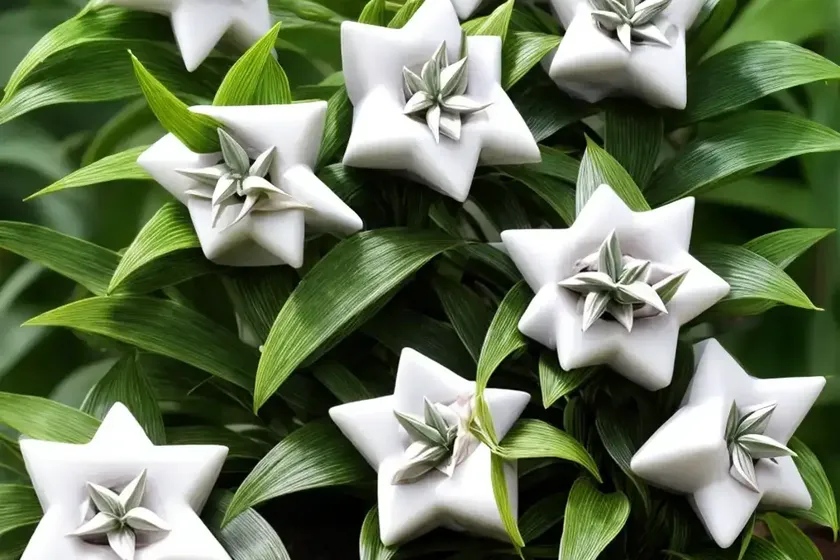
Sarcococca confusa, commonly known as Sweet Box, is a delightful evergreen shrub that captivates with its lustrous foliage and fragrant flowers. This versatile plant is a valuable addition to any garden, providing year-round interest, fragrance, and versatility in various growing conditions.
In this comprehensive guide, we will explore the various facets of Sarcococca confusa, including its cultural requirements, uses, propagation, characteristics, maintenance, and much more. Whether you are a seasoned gardener or a novice enthusiast, this guide will equip you with the knowledge to cultivate and appreciate the beauty of Sweet Box to its fullest.
Key Takeaways – Sarcococca confusa (Sweet Box)
Before delving into the specifics of cultivating Sarcococca confusa, let’s briefly outline the key takeaways associated with this charming plant.
- Plant Name: Sarcococca confusa (Sweet Box)
- Family: Buxaceae
- Type: Evergreen shrub
- Hardiness: USDA Zones 7-9
- Fragrance: Intensely sweet, floral scent
- Height: 3-4 feet
- Spread: 4-5 feet
- Uses: Ornamental, fragrance, ground cover
- Disease Resistance: High
- Pest Resistance: High
- Native Habitat: China, Himalayas
- Sunlight: Partial to full shade
With these key highlights in mind, let’s explore the intricacies of Sarcococca confusa, from its cultural needs to its potential uses and maintenance.
What is Sarcococca confusa (Sweet Box)?
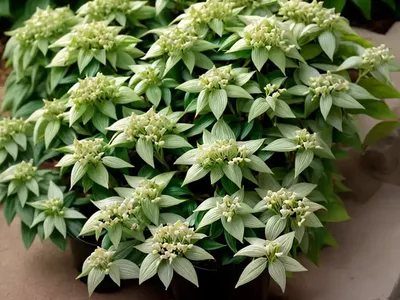
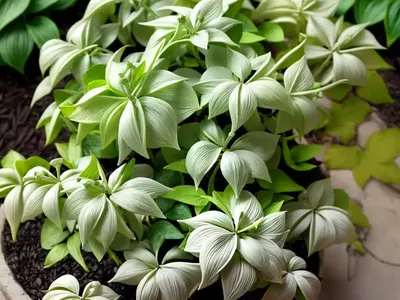
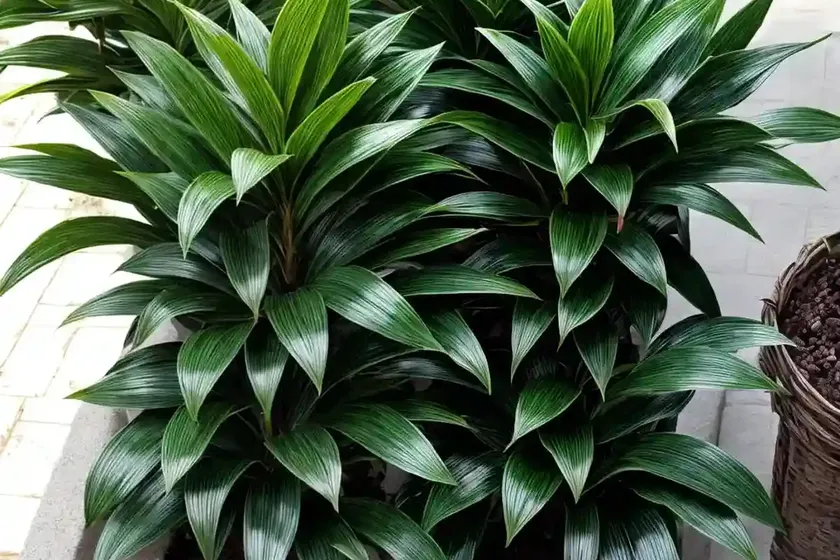
Sarcococca confusa, commonly known as Sweet Box, is a species of flowering plant in the Buxaceae family. This evergreen shrub is native to China and the Himalayas, where it thrives in the cool, moist woodlands. Sweet Box is revered for its glossy, dark green leaves and tiny, remarkably fragrant white flowers that adorn the plant in late winter to early spring. The flowers yield to glossy, black berries, adding further ornamental value to the plant.
The appeal of Sarcococca confusa extends beyond its visual charm; it is celebrated for the sweet, intense fragrance that emanates from its flowers, making it a sought-after addition to gardens where scent plays a pivotal role. Moreover, its evergreen nature ensures that it retains its allure throughout the year, even in the depths of winter when many other plants have shed their foliage.
Culture
Water
Sarcococca confusa thrives in well-drained, consistently moist soil. While it is essential to ensure that the plant’s root zone does not become waterlogged, it is equally important to prevent the soil from drying out excessively, particularly during the warmer months. Adequate moisture is crucial for the plant’s health and vigor, especially during the establishment phase and in periods of prolonged drought. When watering Sarcococca confusa, aim to maintain a moist, but not waterlogged, growing medium.
Sunlight
Sweet Box flourishes in partial to full shade, making it an excellent choice for shaded or woodland gardens. It is well-adapted to thrive under the dappled light of trees or in areas with indirect sunlight. In hotter regions, providing the plant with ample shade and protection from the intense midday sun is paramount to prevent leaf scorch and overall stress. However, it is worth noting that Sarcococca confusa can tolerate some morning sun, particularly in cooler climates.
Fertilizer
When it comes to fertilizing Sarcococca confusa, a balanced, slow-release fertilizer applied in early spring can bolster the plant’s growth and flowering potential. Avoid overfertilization, as excessive nutrients can lead to lush foliage at the expense of flowering. Additionally, refrain from applying fertilizer to dry soil to prevent potential root burn. A conservative approach to fertilization will suffice to meet the plant’s nutritional needs and promote healthy, vigorous growth.
Soil
Sweet Box thrives in humus-rich, slightly acidic to neutral soil. A well-drained, loamy soil with adequate organic matter is ideal for cultivating Sarcococca confusa. It is essential to prioritize soil that offers good moisture retention without becoming waterlogged. Assessing the soil’s drainage capacity and making amendments as needed to improve the structure and texture will ensure optimal growing conditions for the plant.
Pruning
Pruning Sarcococca confusa is relatively minimal, primarily focusing on removing damaged, diseased, or congested growth. Considerable pruning is generally unnecessary, as the plant naturally maintains a compact, mounded form. However, light pruning after the flowering period can help shape the plant and remove any wayward or leggy growth. This post-flowering pruning also provides an opportunity to harvest stems for indoor arrangements while rejuvenating the plant for the following season’s growth.
Propagation
Propagation of Sarcococca confusa can be achieved through various methods, including:
Division
Dividing established clumps of Sarcococca confusa is a straightforward propagation method. This is typically carried out during the plant’s dormancy, ideally in early spring before new growth emerges. Gently lifting the plant to expose the root system and dividing it into individual sections, each containing viable roots and shoots, allows for the creation of new plants that can be replanted and established in suitable growing locations.
Softwood Cuttings
Softwood cuttings taken in early summer can be utilized to propagate Sarcococca confusa. Select healthy, non-flowering shoots and trim them to roughly 4-6 inches in length. Remove the lower leaves, apply a rooting hormone if desired, and plant the cuttings in a well-draining, moist propagation medium. With adequate moisture and warmth, the cuttings will begin to form roots, eventually developing into independent plants.
Layering
Air layering is an additional technique that can be employed for propagating Sarcococca confusa. By selecting a suitable stem and creating a small incision to encourage root formation, the stem can be encouraged to produce roots while still attached to the mother plant. Once a healthy root system has developed, the stem can be separated and transplanted, effectively creating a new plant with established roots and vigor.
Container Popularity
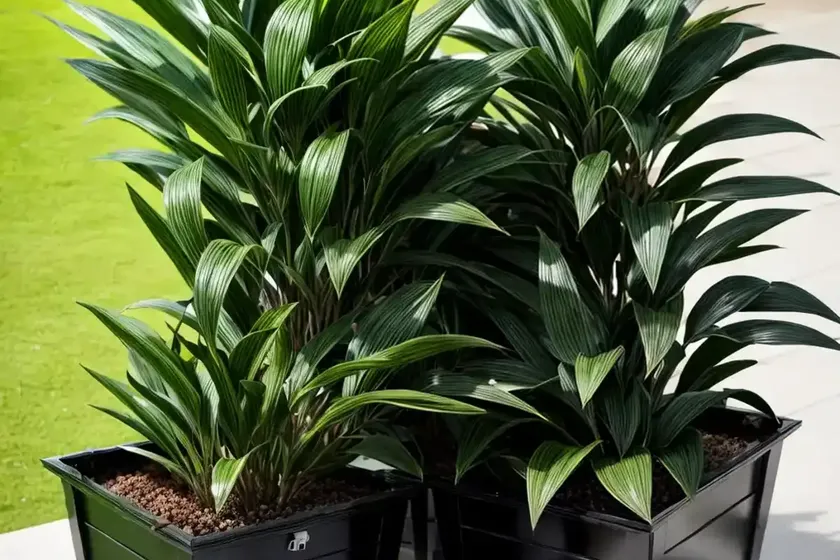
The versatility of Sarcococca confusa extends to its adaptability to container cultivation. Its compact, mounding form makes it an excellent choice for adding evergreen interest, fragrance, and visual appeal to outdoor spaces such as patios, balconies, and entrances. When grown in containers, Sweet Box thrives in a well-draining potting mix, appreciating regular monitoring of moisture levels and suitable protection from intense sunlight and harsh winds. Container-grown Sarcococca confusa is particularly advantageous for gardeners with limited space or those seeking to create fragrant, portable displays.
Container Common Diseases
When grown in containers, Sarcococca confusa may be susceptible to certain diseases, including:
-
Root Rot: Overly wet conditions and poor drainage can predispose the plant to root rot, a fungal disease that affects the roots and compromises the plant’s health. To mitigate the risk of root rot, ensure adequate drainage in the container and refrain from overwatering.
-
Powdery Mildew: In humid or stagnant conditions, powdery mildew can afflict Sweet Box, manifesting as a white, powdery coating on the foliage. Improving air circulation and minimizing overhead watering can help prevent this fungal disease.
Disease Diagnosis
While Sarcococca confusa is generally resilient to many common diseases, it is essential to monitor the plant for any signs of distress or disease. Timely diagnosis and intervention can prevent the spread of diseases and ensure the plant’s continued well-being.
Common Diseases
-
Leaf Spot: Leaf spots, characterized by discolored lesions on the foliage, can be caused by various fungal pathogens. Maintaining good air circulation and adopting proper watering practices can discourage the development and spread of leaf spot diseases.
-
Anthracnose: Anthracnose can affect the leaves and stems of Sarcococca confusa, leading to browning, wilting, and dieback. Pruning affected parts and disposing of the debris can help manage the spread of this fungal disease.
Disease Resistance
Sarcococca confusa exhibits high resistance to many common diseases, reflecting its robust nature and ability to thrive in diverse growing conditions. By providing the plant with suitable cultural care and monitoring its health, it is possible to minimize the risk of diseases and maintain its vigor.
Common Pests
In addition to diseases, Sarcococca confusa may encounter certain pests that can compromise its growth and appearance. Understanding these potential threats and implementing preventive measures is crucial for preserving the plant’s vitality and aesthetic qualities.
Pest Prevention
-
Aphids: Aphids are sap-sucking insects that can infest the foliage and stems of Sweet Box, often clustering in large numbers. Regular inspections and the use of natural predators or insecticidal soaps can help control aphid populations.
-
Scale Insects: Scale insects can affix themselves to the stems and leaves of Sarcococca confusa, feeding on the plant’s sap and leading to weakened growth. Pruning affected areas and applying horticultural oils can aid in managing scale infestations.
-
Spider Mites: Spider mites are tiny arachnids that can cause stippling and webbing on the foliage of Sweet Box. Adequate moisture levels and occasional use of water sprays can deter spider mite infestations.
By actively monitoring the plant for signs of pest activity and promptly addressing any issues that arise, it is possible to safeguard Sarcococca confusa from the damaging effects of pests, preserving its health and beauty.
Botanist’s Tips
With its exceptional attributes and adaptability, Sarcococca confusa presents a myriad of opportunities for enhancing garden spaces and delighting the senses. Here are some expert tips for cultivating and appreciating Sweet Box:
-
Fragrance Appreciation: Take time to savor the enchanting fragrance of Sarcococca confusa, especially during the late winter to early spring flowering period. The sweet, floral scent is a highlight of the plant and can be enjoyed both outdoors and indoors through cut flower arrangements.
-
Companion Planting: Explore companion plant options that complement the attributes of Sweet Box, such as other shade-tolerant, moisture-loving plants with contrasting foliage textures and colors. This can create visually engaging displays that enhance the overall appeal of the garden.
-
Winter Interest: Embrace the year-round allure of Sarcococca confusa, particularly its evergreen foliage and fragrant flowers during the winter months. Integrating it into areas visible from indoor spaces can provide a welcome touch of greenery and fragrance during the colder seasons.
Fun Facts
As we delve deeper into the world of Sarcococca confusa, let’s uncover some fascinating and lesser-known facts about this captivating plant:
-
Sarcococca confusa is renowned for its intense fragrance, earning it the endearing common name “Sweet Box” and making it a prized addition to fragrant gardens and sensory landscapes.
-
The glossy, black berries that follow the flowers of Sarcococca confusa are not only ornamental but also serve as a valuable food source for wildlife, attracting birds to the garden.
-
While Sweet Box is widely celebrated for its fragrance and visual appeal, it also holds potential medicinal properties, with certain traditional uses attributed to its leaves and berries.
With its multifaceted appeal and intriguing attributes, Sarcococca confusa continues to captivate and inspire gardeners and enthusiasts alike, enriching outdoor spaces with its timeless charm.
Links to External Resources
For further insights into Sarcococca confusa and related topics, consider exploring the following external resources:
- Royal Horticultural Society – Sarcococca Confusa
- The American Conifer Society – Sarcococca Species
- Missouri Botanical Garden – Sarcococca Confusa
- Gardening Know How – Sweet Box Shrub Info
These resources offer valuable insights, cultivation tips, and detailed information to deepen your understanding of Sarcococca confusa and its horticultural significance.
In conclusion, Sarcococca confusa, or Sweet Box, stands as an exceptional plant that embodies beauty, resilience, and olfactory delight. By embracing its cultural requirements, exploiting its versatile uses, and cherishing its endearing qualities, we can derive immense satisfaction and aesthetic pleasure from incorporating this remarkable shrub into our gardens and landscapes.
As we continue to explore the diverse realms of horticulture and plant appreciation, let us celebrate the enduring allure of Sarcococca confusa and the myriad wonders it bestows upon our natural world.
“The love of gardening is a seed once sown that never dies.” – Gertrude Jekyll
In crafting this comprehensive guide to Sarcococca confusa, I have endeavored to illuminate the various aspects of this captivating plant, conveying its cultural significance, practical uses, and intrinsic beauty. Whether you seek to cultivate Sweet Box in your own garden or simply wish to expand your horticultural knowledge, this guide aims to inspire and inform, deepening your appreciation for the diverse wonders of the botanical realm.
As the seasons transition and the garden beckons with new possibilities, may the charm and resilience of Sarcococca confusa serve as a source of inspiration and joy, enriching your horticultural endeavors and fostering a deeper connection with nature’s bountiful treasures.