Pride Of Madeira (Echium Candicans)
Welcome to the comprehensive guide to the captivating Pride Of Madeira plant, scientifically known as Echium Candicans. In this article, we will delve into.
Introduction
Welcome to the comprehensive guide to the captivating Pride Of Madeira plant, scientifically known as Echium Candicans. In this article, we will delve into the key aspects of this stunning plant, covering its culture, uses, care instructions, propagation, and much more. Whether you are a seasoned gardener or a beginner, this guide will equip you with the knowledge and tips to successfully cultivate and care for the Pride Of Madeira.
What is Pride Of Madeira (Echium Candicans)?
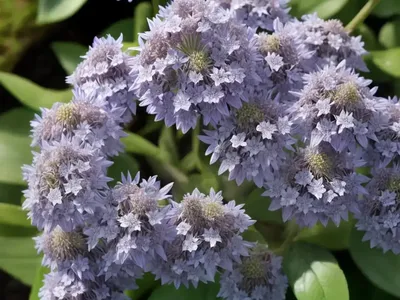
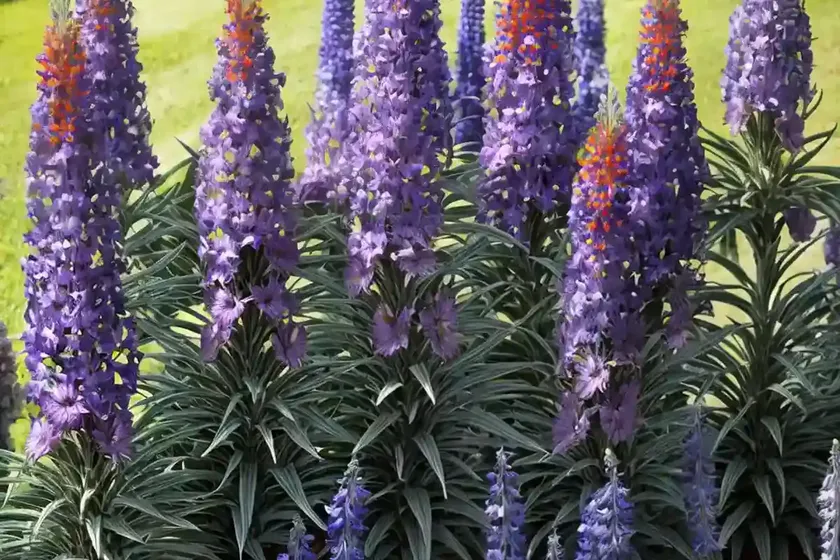
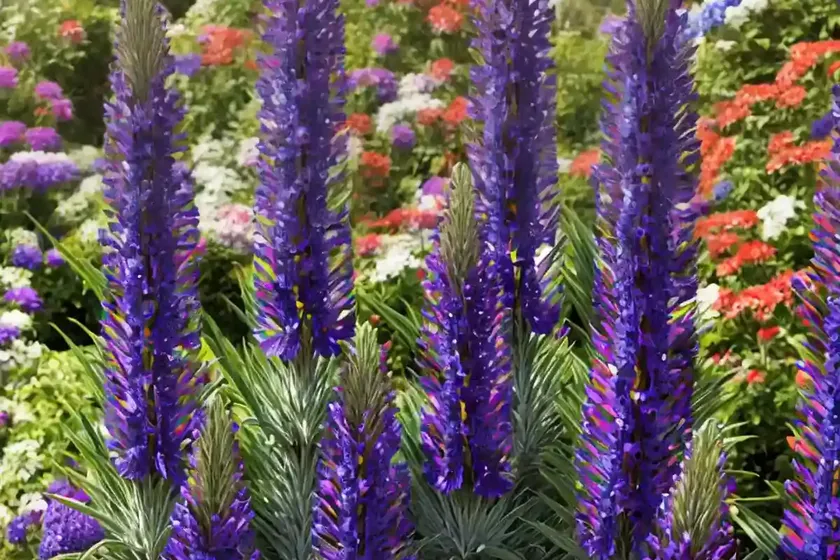
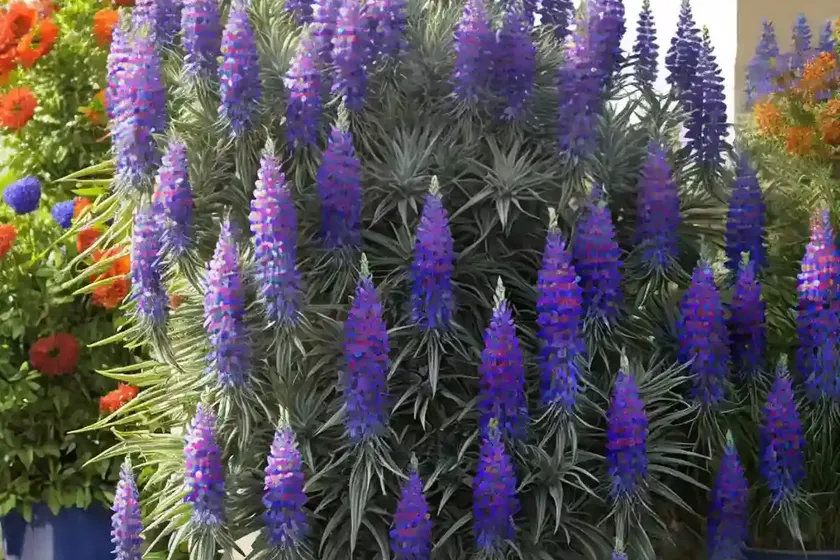
The Pride Of Madeira, or Echium Candicans, is a striking evergreen shrub that is native to the island of Madeira. Its botanical name, Echium Candicans, reflects its vibrant and showy appearance, making it a prized addition to gardens, landscapes, and container displays. The plant is renowned for its tall and spiky flower spikes, which bear an abundance of small, vivid blue to purple flowers, attracting bees, butterflies, and other pollinators.
Key Takeaways – Pride Of Madeira (Echium Candicans)
Before we delve into the specifics of caring for the Pride Of Madeira, let’s take a quick look at the key takeaways that we will explore in detail:
- Culture
- Uses
- Water
- Sunlight
- Fertilizer
- Soil
- Pruning
- Propagation
- Container Popularity
- Common Diseases
- Disease Diagnosis
- Common Pests
- Botanist’s Tips
- Fun Facts
- Links to External Resources
Now, let’s explore each of these aspects in detail to understand how to best care for the Pride Of Madeira.
Culture
The Pride Of Madeira is revered for its spectacular floral display and drought tolerance, making it ideal for Mediterranean and coastal gardens. Its cultural requirements play a crucial role in ensuring its health and vigor. Let’s look at the key cultural aspects of the Pride Of Madeira.
Uses
Landscape and Garden Uses: The Pride Of Madeira is widely utilized in landscape and garden settings. Its towering flower spikes, vibrant blooms, and evergreen foliage make it an excellent choice for adding structure, color, and texture to gardens, borders, and rockeries. Additionally, it thrives in coastal and seaside gardens due to its salt and wind tolerance.
Container Gardening: The striking appearance and low-maintenance nature of the Pride Of Madeira make it an appealing choice for container gardening. Whether grown in large pots or as a focal point in mixed container displays, the plant adds an exotic and architectural element to patios, decks, and garden spaces.
Wildlife Habitats: The abundant nectar produced by the Pride Of Madeira flowers attracts bees, butterflies, and other beneficial pollinators, contributing to the biodiversity and ecological balance of the garden and surrounding areas.
Water
The Pride Of Madeira showcases remarkable drought tolerance once established, making it an excellent choice for water-wise gardens and landscapes. During the establishment phase, regular watering is essential to ensure root development and early growth. Once the plant is established, it can thrive on minimal irrigation and is well-suited to regions with dry summers.
Sunlight
In its native habitat on the island of Madeira, the Pride Of Madeira thrives in full sun to partial shade. When cultivated in climates with hot summers, it benefits from some protection from intense afternoon sun. Providing ample sunlight is crucial for the plant’s robust growth and prolific flowering.
Fertilizer
The Pride Of Madeira generally thrives in nutrient-poor, well-draining soils. Though it does not have high fertilizer requirements, applying a balanced, slow-release fertilizer in spring can support healthy growth and flowering. It’s important to avoid excessive nitrogen fertilization, as this can lead to excessive foliage growth at the expense of floral production.
Soil
The Pride Of Madeira thrives in well-draining soil and is tolerant of various soil types, including sandy, loamy, and rocky soils. It is crucial to ensure that the plant’s root zone does not become waterlogged, as this can lead to root rot and other issues. Amending the soil with organic matter can enhance its drainage and overall quality.
Pruning
Pruning plays a key role in maintaining the health, form, and flowering performance of the Pride Of Madeira. Here are some essential pruning tips:
-
Deadheading: Removing spent flower spikes after blooming not only improves the plant’s appearance but also encourages the development of new flowering spikes.
-
Renovation Pruning: Every few years, older and woody stems can be pruned back to rejuvenate the plant and stimulate the growth of new, vigorous shoots.
-
Spring Pruning: Minor shaping and tidying up can be carried out in spring to remove any damaged or unsightly growth and to maintain an attractive form.
Propagation
The Pride Of Madeira can be propagated through both seeds and vegetative methods. Let’s explore the two primary propagation techniques:
-
Seed Propagation: Collecting and sowing seeds is a reliable method for propagating the Pride Of Madeira. Direct sowing can be done in the garden or containers, and the plants typically self-sow in favorable conditions.
-
Cutting Propagation: Semi-ripe cuttings taken in summer can be successfully rooted to produce new plants. Using a rooting hormone and providing a warm, bright environment can enhance the success rate of cuttings.
Container Popularity
The Pride Of Madeira’s adaptability, striking appearance, and low-maintenance nature make it particularly popular for container gardening. When cultivating the plant in containers, the following considerations are important:
-
Container Size: Select a large container with adequate drainage holes to accommodate the vigorous growth of the plant and its extensive root system.
-
Well-Draining Soil: Fill the container with a well-draining potting mix to prevent waterlogging, which can be detrimental to the plant’s health.
-
Placement: Position the container in a sunny location and consider sheltering it from strong winds, especially in regions with hot, dry summers.
-
Watering: While the Pride Of Madeira is drought-tolerant, container-grown plants may require more frequent watering, especially during the hot season.
Common Diseases
The Pride Of Madeira is generally resistant to most common plant diseases, owing to its adaptability and hardiness. However, it can occasionally be affected by certain issues, including:
Disease Diagnosis
-
Powdery Mildew: A common fungal disease that may occur in conditions of high humidity and poor air circulation. It presents as a powdery, white coating on the plant’s foliage.
-
Root Rot: Excessive soil moisture or poor drainage can lead to root rot, causing the plant to exhibit wilting, yellowing leaves, and overall decline.
-
Leaf Spot: This fungal disease manifests as small, dark spots on the leaves and can be managed through cultural practices and, if necessary, fungicidal treatments.
It’s important to promptly identify and address any signs of disease to prevent their spread and mitigate their impact on the plant’s health.
Common Pests
The Pride Of Madeira is relatively resistant to pest infestations, but it may be susceptible to certain pests in particular conditions. The most common pests include:
-
Aphids: These tiny, sap-sucking insects can cluster on the plant’s tender young shoots and flower buds, causing distortion and stunting.
-
Spider Mites: These pests thrive in hot and dry conditions. They can cause stippling and discoloration on the leaves, impacting the plant’s overall vigor.
-
Snails and Slugs: These mollusks can feed on the plant’s foliage, leaving behind ragged edges and holes.
Botanist’s Tips
Echium Candicans Characteristics
-
Foliage: The Pride Of Madeira is adorned with lance-shaped, silvery-green leaves, adding an ornamental and textural element to the plant’s overall appearance.
-
Flowers: The plant produces towering spikes of small, tubular, blue to purple flowers, creating a stunning visual display that attracts pollinators.
-
Growth Habit: Echium Candicans typically exhibits an upright, bushy growth habit and can reach a considerable height at maturity.
Fun Facts
-
The Pride Of Madeira is a renowned bee plant, attracting numerous bees with its abundant nectar supply.
-
The vibrant flowers of the Pride Of Madeira are not only visually captivating but also serve as a vital source of nectar for local bee populations, contributing to the ecological balance.
-
In its native habitat on the island of Madeira, the plant’s flower spikes can reach towering heights, creating a spectacular sight in the natural landscape.
Now that we’ve explored the cultural and care aspects of the Pride Of Madeira, let’s delve into its growth requirements, climate considerations, and unique characteristics.
Links to External Resources
1. Royal Horticultural Society – Pride Of Madeira (Echium Candicans)
2. UC Master Gardeners – Echium Fastuosa: A Beautiful Plant for the Right Spot
3. Gardening Know How – Echium Wildpretii Care: How To Grow Tajinaste Plants
4. North Carolina Cooperative Extension – Echium Plantagineum (E. Vulgare)
5. Missouri Botanical Garden – Echium Candicans
6. Australian Botanic Garden – Echium Species: Plant Profile and Landscaping Uses
7. University of Florida IFAS Extension – Cold Protection of Ornamental Plants
9. The Spruce – How to Grow and Care for Pride of Madeira Plants
10. University of California – Pride of Madeira, Echium Candicans
11. Dave’s Garden – PlantFiles: Pride of Madeira, Echium Species
12. Pacific Horticulture – Echiums: Unique, Flowering Plants for Pollinators
These external resources offer an abundance of valuable insights, tips, and guidance for anyone interested in cultivating and caring for the captivating Pride Of Madeira.
In conclusion, the Pride Of Madeira, or Echium Candicans, stands out as an iconic plant admired for its dazzling blooms, architectural form, and low-maintenance nature. By understanding its cultural requirements, care instructions, and unique characteristics, gardeners and plant enthusiasts can successfully cultivate and appreciate this beautiful species. Whether it graces a coastal garden, container display, or landscape border, the Pride Of Madeira adds a touch of exotic allure and ecological value to its surroundings.
Through this comprehensive guide, we have covered the key facets of the Pride Of Madeira and provided an array of valuable resources for further exploration. By incorporating these insights into your plant care practices, you can foster the health, beauty, and vitality of the captivating Pride Of Madeira in your own garden or landscape.
Enjoy the journey of cultivating and marveling at the captivating beauty of the Pride Of Madeira!
Let your garden bloom with the Pride Of Madeira!