

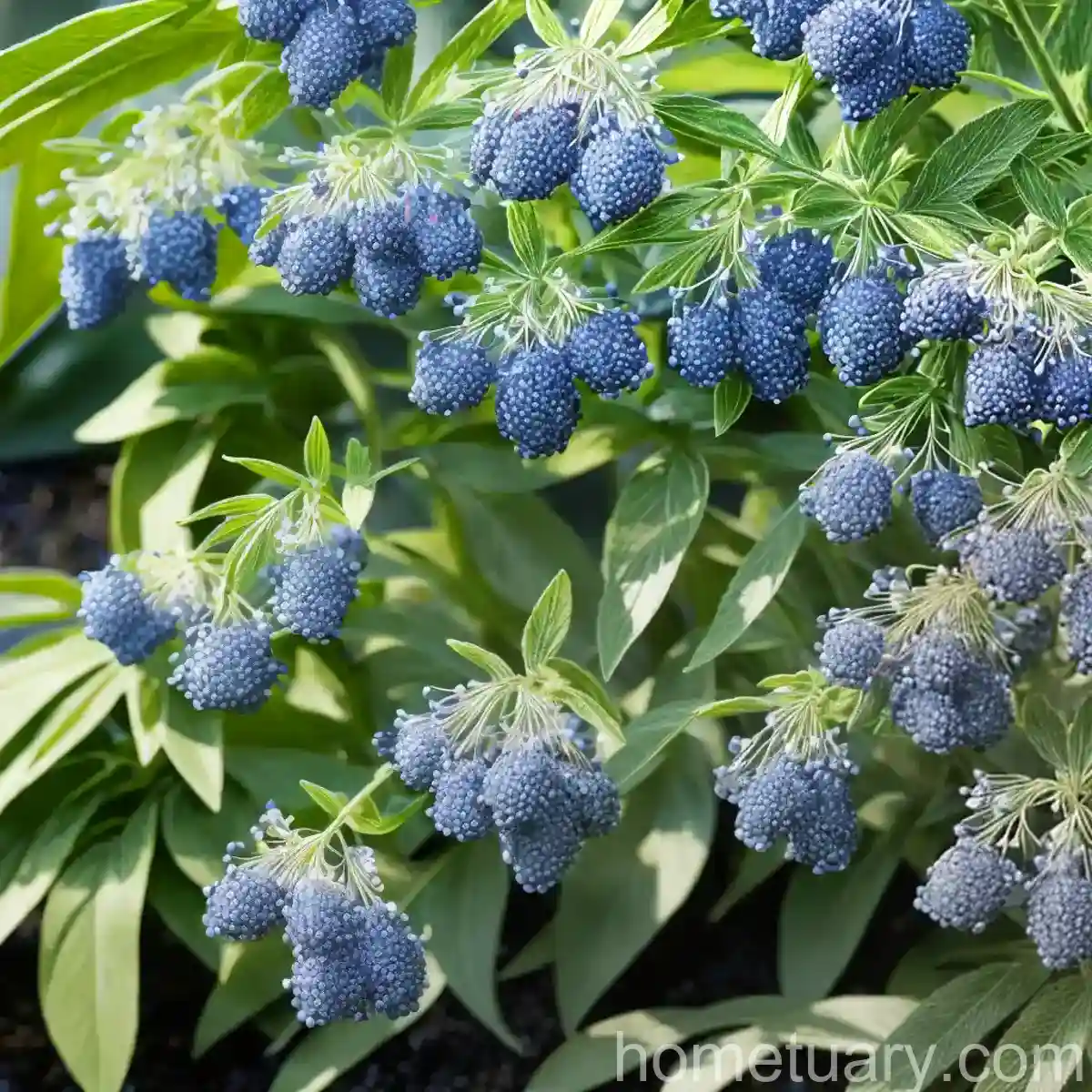
Plant Profile: Sapphire Berry (Symplocos paniculata)
Sapphire berry, scientifically known as Symplocos paniculata, is a lesser-known plant species that holds significant cultural and medicinal value. This versatile plant is a native of the Indian subcontinent and belongs to the genus Symplocos, a group of flowering plants in the family Symplocaceae. The Sapphire berry is revered for its vibrant blue berries, which are used in traditional medicine and have several other cultural and ornamental applications. In this comprehensive guide, we will explore the various aspects related to the cultivation, uses, and characteristics of the sapphire berry plant.
Key Takeaways
Before delving into the detailed aspects of the sapphire berry plant, let’s highlight a few key takeaways about this intriguing species:
- Scientific Name: Symplocos paniculata
- Common Name: Sapphire Berry
- Cultural Significance: Valued for its traditional medicinal uses and ornamental beauty.
- Habitat: Native to the Indian subcontinent, particularly in regions with tropical and subtropical climates.
- Uses: The plant is utilized in traditional medicine, skincare, hair care, and as a natural dye.
- Growth Requirements: Thrives in moist, well-drained soil and partial shade, making it suitable for cultivation in home gardens.
Now, let’s explore each of these aspects in greater detail to gain a comprehensive understanding of the sapphire berry plant and its significance.
What is Sapphire Berry (Symplocos paniculata)?
Symplocos paniculata, commonly referred to as sapphire berry, is an evergreen shrub or small tree characterized by its attractive clusters of blue, sapphire-like berries. The plant is native to the Indian subcontinent and is particularly prevalent in regions with tropical and subtropical climates. In its natural habitat, sapphire berry is often found in the understory of forests and wooded areas, where it thrives in partial shade and well-drained soil.
Plant Characteristics
To understand the sapphire berry plant more comprehensively, it is essential to examine its key botanical characteristics:
- Leaves: The plant features glossy, dark green leaves that are lance-shaped and arranged alternately on the stems. The leaves are leathery in texture and can grow up to 15 centimeters in length.
- Flowers: The flowers of Symplocos paniculata are small, white, and bell-shaped, typically arranged in elongated clusters, or panicles, which give the plant its species name, paniculata.
- Berries: A defining feature of the sapphire berry plant is its vivid blue berries, which are spherical in shape and borne in clusters. These berries are a noteworthy characteristic and contribute to the plant’s ornamental and cultural significance.
The striking appearance of the sapphire berry plant, coupled with its cultural and medicinal uses, makes it a valuable and intriguing species worthy of further exploration.
Culture
Understanding the cultural practices and growth requirements of the sapphire berry plant is essential for successful cultivation and utilization. Let’s delve into the key cultural aspects related to this unique plant.
Uses
Medicinal Applications
In traditional medicine systems such as Ayurveda, the different parts of the sapphire berry plant, including the bark and berries, are utilized for their medicinal properties. The plant is valued for its purported benefits in treating various ailments, including respiratory conditions, gastrointestinal issues, and as a natural dye. The berries, in particular, are believed to possess antioxidant properties, contributing to their traditional use in boosting overall health and well-being.
Ornamental Use
Beyond its medicinal significance, the sapphire berry plant is also valued for its ornamental beauty. The vibrant blue berries and elegant foliage make it a desirable addition to gardens and landscapes, where it can serve as a visually striking shrub or small tree. Its adaptability to partial shade makes it a versatile ornamental plant for diverse garden settings.
Water
Sapphire berry plants thrive in moist soil conditions, and it is important to ensure consistent watering, particularly during the growing season. However, it is crucial to maintain well-drained soil to prevent waterlogging, which can be detrimental to the plant’s health. When cultivating sapphire berry in garden settings, it is advisable to monitor soil moisture levels and water accordingly to maintain optimal growing conditions.
Sunlight
In its natural habitat, sapphire berry plants are typically found in partial shade or understory environments within forested areas. As a result, they are well-suited to partial shade conditions, making them an excellent choice for garden settings with dappled sunlight or filtered shade. When grown as an ornamental plant, it is important to provide the plant with adequate shade to mimic its natural habitat and promote healthy growth.
Fertilizer
When cultivating sapphire berry plants, it is advisable to provide a balanced fertilizer to support healthy growth and berry production. A slow-release, organic fertilizer formulated for acid-loving plants can be beneficial for sapphire berry cultivation, as it provides essential nutrients while maintaining soil acidity. Additionally, incorporating organic matter into the soil can contribute to the long-term health and vigor of the plants.
Soil
Sapphire berry plants favor well-drained, acidic soil with a pH level ranging from 5.5 to 6.5. It is essential to ensure that the soil provides adequate drainage to prevent waterlogging, which can compromise the plant’s health. When preparing the planting site, amending the soil with organic matter such as compost or peat moss can help improve soil texture and fertility, creating an optimal growing environment for sapphire berry plants.
Pruning
Pruning is an important aspect of sapphire berry plant care, particularly for maintaining its ornamental form and promoting healthy growth. Regular pruning can help manage the plant’s size, shape, and density, as well as encourage berry production. It is advisable to carry out pruning during the plant’s dormant season to minimize stress and promote vigorous regrowth in the following growing season.
Propagation
Sapphire berry plants can be propagated through various methods, including seed propagation and hardwood cuttings. Seed propagation is a viable option, although it may require stratification to promote germination. Hardwood cuttings taken during the plant’s dormant season can also be used to propagate new plants. Regardless of the propagation method chosen, it is important to ensure the use of well-draining, sterile growing media and provide optimal conditions for successful establishment.
Container Popularity
The ornamental appeal and cultural significance of the sapphire berry make it a popular choice for container gardening. When grown in containers, the plant’s unique berries and foliage can serve as a remarkable addition to patios, balconies, and outdoor living spaces. Its adaptability to partial shade conditions further enhances its suitability for container cultivation, making it an attractive option for urban and suburban gardeners.
Common Diseases
While sapphire berry plants are generally resilient, they may be susceptible to certain pests and diseases. Understanding the common ailments that can affect the plant is crucial for implementing effective management strategies and maintaining its health and vigor.
Disease Diagnosis
The following are some common diseases and issues that may affect sapphire berry plants:
- Powdery Mildew: A fungal disease that can manifest as a white, powdery coating on the leaves, stems, and berries.
- Root Rot: Excessive moisture or poor drainage can lead to root rot, which can cause wilting, yellowing of leaves, and overall decline in plant health.
- Anthracnose: This fungal disease can result in dark lesions on leaves and stems, impacting the plant’s overall appearance and vigor.
Regular monitoring of the plants for signs of disease, coupled with proactive measures to maintain optimal growing conditions, can help mitigate the risk of these and other potential ailments.
Common Pests
In addition to diseases, sapphire berry plants may also attract certain pests that can affect their health and vitality. Being aware of potential pests and implementing appropriate pest control measures is essential for safeguarding the plants against infestations.
Some common pests that may affect sapphire berry plants include:
- Aphids: These small, sap-sucking insects can cluster on the undersides of leaves, leading to distorted growth and potential transmission of plant viruses.
- Scale Insects: Scale insects can infest the stems and foliage of sapphire berry plants, leading to reduced vigor and potential dieback of affected areas.
- Caterpillars: Certain caterpillar species may feed on the foliage of sapphire berry plants, potentially causing defoliation and impacting the plant’s overall health.
Implementing integrated pest management strategies, including regular monitoring, natural predators, and targeted treatments as needed, can help manage pest pressures effectively.
Botanist’s Tips
Based on our exploration of the sapphire berry plant and its cultural significance, here are some key botanist’s tips for cultivating and caring for this unique species:
- Optimal Growing Conditions: Provide well-drained, acidic soil and partial shade to mimic the plant’s natural habitat and promote healthy growth.
- Watering Practices: Maintain consistent moisture levels, ensuring adequate watering without waterlogging, particularly during the growing season.
- Pruning Considerations: Regular pruning can help manage the plant’s size, shape, and density, while also encouraging healthy berry production.
- Integrated Pest Management: Implement a holistic approach to pest management, incorporating natural predators, monitoring, and targeted treatments as needed to protect the plants against potential pests.
By adhering to these tips and incorporating best practices for plant care, enthusiasts and gardeners can cultivate thriving sapphire berry plants while honoring their cultural and medicinal significance.
Fun Facts
To further appreciate the allure of the sapphire berry plant, let’s explore some intriguing and lesser-known facts about this captivating species:
- The vibrant blue berries of the sapphire berry plant serve as a striking visual contrast against its dark green foliage, making it an eye-catching addition to garden landscapes.
- Traditionally, the berries and other parts of the sapphire berry plant have been utilized for their medicinal properties, contributing to its esteemed status in traditional medicine systems.
- The plant’s adaptability to partial shade and its ornamental appeal have made it a favored choice for gardeners seeking a visually captivating and culturally significant addition to their outdoor spaces.
These fun facts underscore the unique attributes and cultural significance of the sapphire berry plant, further enhancing its appeal for enthusiasts and individuals seeking distinctive plant species for cultivation.
Links to External Resources
For further exploration of the sapphire berry plant and its botanical, cultural, and medicinal aspects, the following links to external resources offer valuable insights and information:
- Sapphire Berry: A Botanical Overview: A comprehensive guide to the botanical characteristics and natural habitat of the sapphire berry plant.
- Traditional Uses of Symplocos paniculata in Ayurveda: Explore the traditional medicinal applications and uses of Symplocos paniculata in Ayurvedic preparations and remedies.
- Cultivation Tips for Sapphire Berry Plants: Learn about optimal growing conditions, care practices, and propagation methods for cultivating sapphire berry plants.
By delving into these external resources, enthusiasts and individuals can gain a deeper understanding of the sapphire berry plant’s diverse uses and cultural significance.
In conclusion, the sapphire berry (Symplocos paniculata) stands out as a unique and culturally significant plant species. Its vibrant blue berries, traditional medicinal uses, and ornamental appeal make it a noteworthy addition to gardens and landscapes. Through a deeper understanding of its cultural uses, growth requirements, and botanical characteristics, enthusiasts and individuals can appreciate and cultivate this captivating species while honoring its rich heritage and significance in traditional medicine systems.




