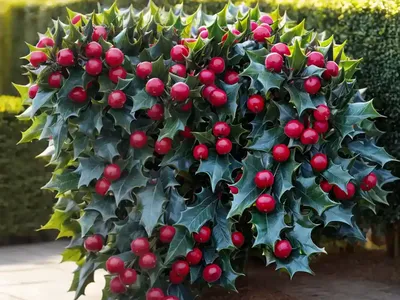
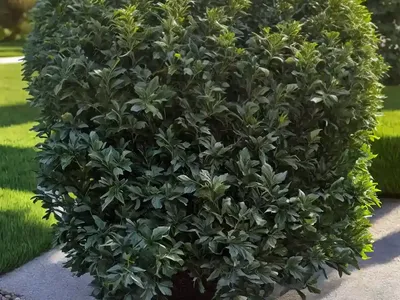
Chinese Holly (Ilex Cornuta ‘Dwarf Burford’)
Chinese Holly (Ilex cornuta), a species of holly native to China and Korea, is valued for its glossy evergreen leaves and bright red berries. Among the.
Introduction
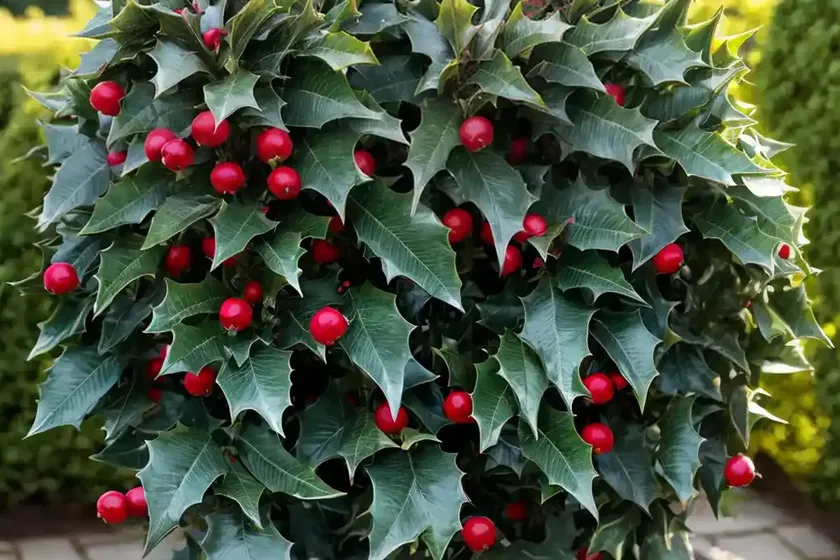
Chinese Holly (Ilex cornuta), a species of holly native to China and Korea, is valued for its glossy evergreen leaves and bright red berries. Among the many varieties of Ilex cornuta, the ‘Dwarf Burford’ stands out for its compact size and ornamental value. This cultivar is a popular choice in landscaping and is known for its versatility and low maintenance. In this blog post, we’ll delve into the world of Chinese holly, specifically focusing on the ‘Dwarf Burford’ variety. We’ll explore its culture, uses, care requirements, propagation methods, common diseases and pests, and much more.
What is Chinese Holly (Ilex Cornuta ‘Dwarf Burford’)?
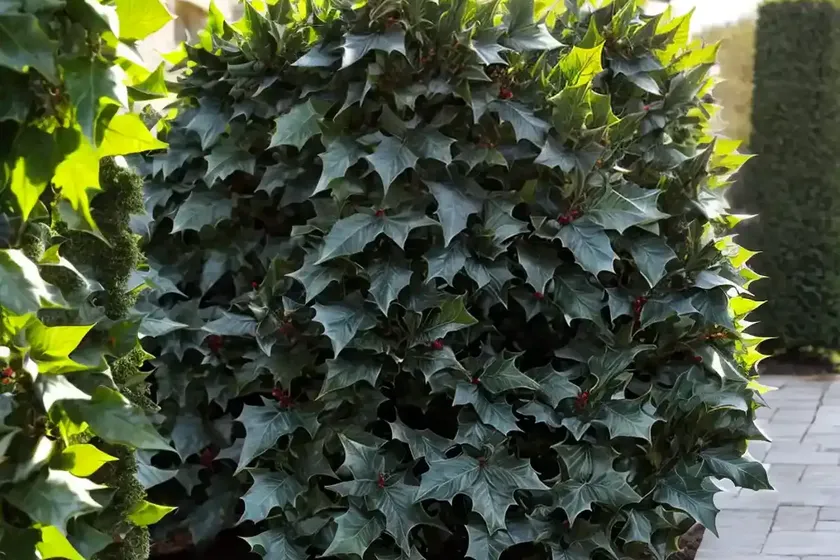
Chinese holly, scientifically known as Ilex cornuta, is an evergreen shrub in the Aquifoliaceae family. The ‘Dwarf Burford’ is a specific cultivar of Chinese holly known for its dwarf size and compact, rounded habit. This holly variety is a versatile landscaping plant, often used in hedges, foundation plantings, and as part of mixed borders. Its dense foliage and attractive berries make it a favorite choice for adding interest to gardens year-round.
Key Takeaways – Chinese Holly (Ilex Cornuta ‘Dwarf Burford’)
- Versatile landscaping plant
- Compact, rounded habit
- Dense foliage and bright red berries
- Low maintenance
- Ideal for hedges and foundation plantings
Culture
Understanding the cultural requirements of Chinese holly ‘Dwarf Burford’ is essential for its successful growth and thriving in different environments.
Water
Chinese holly ‘Dwarf Burford’ prefers moist, well-drained soil. During the first growing season, regular watering is essential to establish a healthy root system. Once established, it is moderately drought-tolerant. It’s important to ensure that the soil does not become waterlogged, as this can lead to root rot.
Water Requirements:
– Moderately water during the first growing season
– Maintain moisture but avoid waterlogged soil
– Moderately drought-tolerant once established
Sunlight
In terms of sunlight, Chinese holly ‘Dwarf Burford’ thrives in partial to full sun. It is essential to provide adequate sunlight for the plant to promote healthy growth and vibrant foliage.
Sunlight Requirements:
– Thrives in partial to full sun
– Ensure adequate sunlight for healthy growth
Fertilizer
A balanced fertilizer can help promote the growth and overall health of Chinese holly ‘Dwarf Burford.’ Applying a slow-release fertilizer in spring can provide the necessary nutrients for optimal growth.
Fertilization Tips:
– Apply balanced, slow-release fertilizer in spring
– Follow recommended dosage for best results
Soil
Chinese holly ‘Dwarf Burford’ adapts well to a range of soil types, but it thrives in slightly acidic to slightly alkaline soil. Good drainage is key to preventing waterlogged conditions.
Soil Preferences:
– Adaptability to various soil types
– Slightly acidic to slightly alkaline soil
– Ensure good drainage to prevent waterlogging
Pruning
Pruning is an essential aspect of Chinese holly ‘Dwarf Burford’ maintenance. Regular pruning helps maintain its compact form and encourages new growth. The best time for pruning is in late winter to early spring, before the onset of new growth.
Pruning Techniques:
– Regular pruning to maintain shape and promote new growth
– Best time for pruning: late winter to early spring
Propagation
While Chinese holly ‘Dwarf Burford’ can be propagated from seeds, the process is often slow and unpredictable. A more reliable method of propagation is through semi-hardwood cuttings taken in late summer or early fall.
Propagation Methods:
– Propagation from seeds (slow and unpredictable)
– Semi-hardwood cuttings in late summer or early fall
Container Popularity
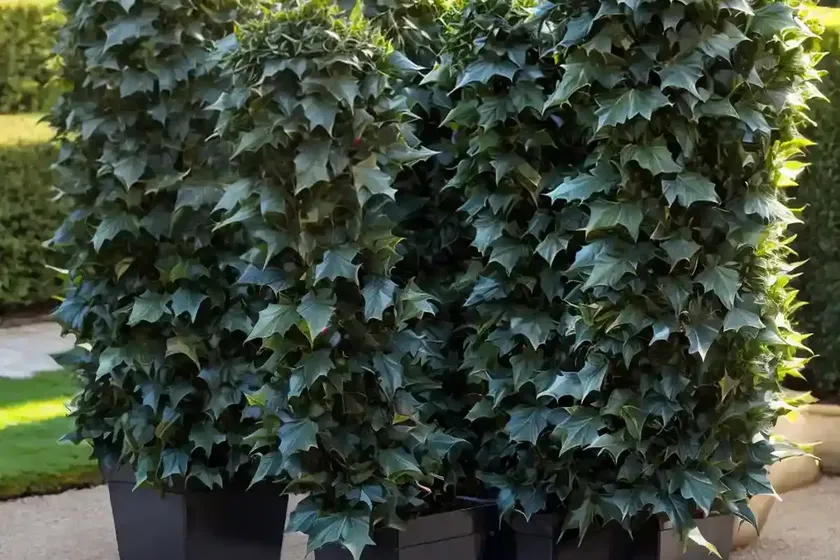
Chinese holly ‘Dwarf Burford’ is well-suited for container planting, allowing it to be grown on patios, decks, and other areas where space is limited. Its compact size and attractive foliage make it an excellent choice for container gardening.
Container Gardening:
– Suitable for container planting
– Ideal for patios, decks, and limited space areas
Common Diseases
While Chinese holly ‘Dwarf Burford’ is relatively resistant to diseases, it is important to be aware of potential issues that may arise. Common diseases that may affect this plant include leaf spot, powdery mildew, and root rot.
Disease Diagnosis
Leaf Spot
– Symptoms: Circular spots on leaves with a dark border
– Cause: Fungal infection
– Prevention: Remove and destroy infected leaves, promote good air circulation
Powdery Mildew
– Symptoms: White powdery patches on leaves
– Cause: Fungal infection
– Prevention: Maintain good air circulation, and avoid overhead watering
Root Rot
– Symptoms: Wilting, yellowing leaves, and stunted growth
– Cause: Waterlogged soil leading to fungal infection
– Prevention: Ensure well-drained soil, avoid overwatering
Common Pests
Chinese holly ‘Dwarf Burford’ is generally resistant to most pests, but occasional pest problems may include spider mites, scale insects, and leaf miners.
Pest Control
Spider Mites
– Symptoms: Fine webbing on the undersides of leaves, stippled appearance
– Control: Use insecticidal soap, promote natural predators (ladybugs)
Scale Insects
– Symptoms: Waxy or shell-like appearance on stems and leaves
– Control: Remove scales by hand, apply horticultural oil
Leaf Miners
– Symptoms: Visible trails or tunnels on leaves
– Control: Prune affected foliage, use insecticidal soap
Botanist’s Tips
For successful cultivation and care of Chinese holly ‘Dwarf Burford’, keep these expert tips in mind:
- Regular pruning helps maintain a dense, compact form.
- Ensure well-drained soil to prevent root rot.
- Monitor for common pests and diseases for early intervention.
- Provide adequate water and sunlight for healthy growth.
- Consider container planting for ornamental use in limited spaces.
- Propagate through semi-hardwood cuttings for reliable results.
Fun Facts
Here are some intriguing facts about Chinese holly ‘Dwarf Burford’:
- The bright red berries of Chinese holly ‘Dwarf Burford’ are a valuable food source for birds during the winter months.
- The Latin name, Ilex, is derived from the ancient Latin name for holm oak.
- Holly leaves have been traditionally used as festive decorations during the holiday season.
Links to External Resources
For more information on Chinese holly ‘Dwarf Burford’, check out the following resources:
- American Holly Society
- Missouri Botanical Garden – Ilex Cornuta
- University of Florida IFAS Extension – Chinese Holly
Conclusion
In conclusion, Chinese holly ‘Dwarf Burford’ (Ilex cornuta ‘Dwarf Burford’) is a versatile and ornamental plant that adds beauty and interest to landscapes. With its compact size, glossy foliage, and bright red berries, it is a valuable addition to gardens and outdoor spaces. Understanding its cultural needs, proper care, and potential challenges such as diseases and pests are essential for successful cultivation. Whether used in hedges, foundation plantings, or container gardens, the ‘Dwarf Burford’ variety of Chinese holly continues to be a popular choice for both homeowners and landscapers seeking a low-maintenance and visually appealing plant.
Remember, plant care is an ongoing process, and regular monitoring and maintenance are key to ensuring the health and vitality of Chinese holly ‘Dwarf Burford’. With the right care and attention, this beautiful evergreen shrub can thrive and bring joy to gardeners and nature enthusiasts alike.
In this blog post, we’ve explored the world of Chinese holly, specifically the ‘Dwarf Burford’ variety, shedding light on its culture, uses, care requirements, propagation methods, common diseases and pests, and more. I hope this information provides valuable insights for plant enthusiasts and gardeners looking to cultivate this beautiful and versatile shrub. If you have any questions or additional tips to share, feel free to leave a comment below!
Note: The information provided in this blog post is for educational purposes and is not intended as a substitute for professional plant care advice.