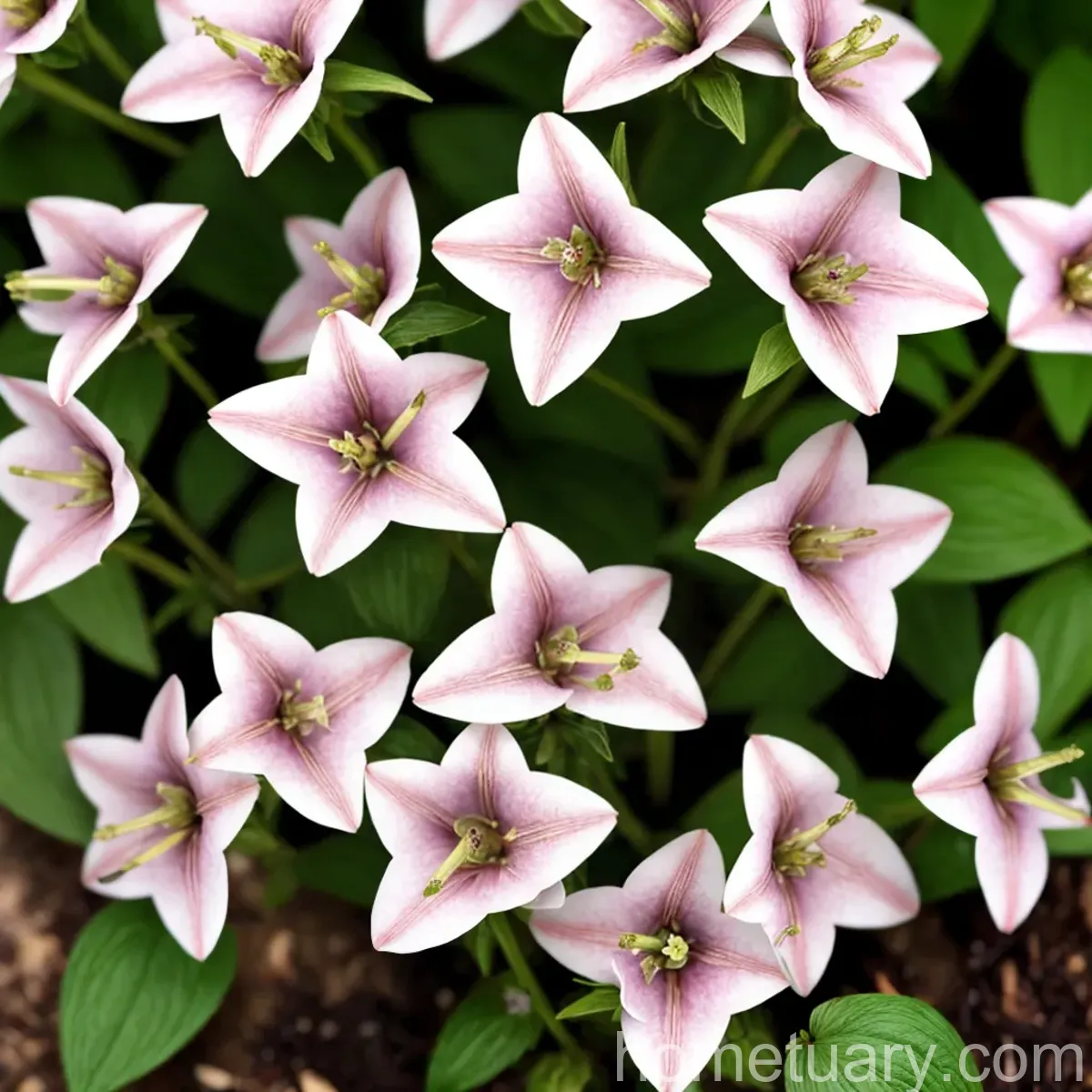
Trillium cuneatum: All You Need to Know
Trillium cuneatum, commonly known as little sweet Betsy, is a captivating perennial plant that belongs to the Trilliaceae family. This native American wildflower is celebrated for its delicate beauty, making it a sought-after addition to woodland gardens and natural landscapes.
In this comprehensive guide, we will delve into the various aspects of cultivating and caring for Trillium cuneatum, exploring its cultural significance, uses, maintenance requirements, and much more. Whether you are a seasoned gardener or a novice enthusiast, this extensive resource will provide valuable insights into the world of little sweet Betsy.
Key Takeaways – Little Sweet Betsy (Trillium cuneatum)
Before delving into the specifics of growing and caring for Trillium cuneatum, let’s explore some key takeaways that encapsulate the essence of this enchanting plant:
- Little sweet Betsy, or Trillium cuneatum, is a native American wildflower known for its delicate beauty and enchanting presence in woodland gardens.
- Understanding the cultural significance, uses, and maintenance requirements of Trillium cuneatum is essential for cultivating this stunning plant successfully.
- This comprehensive guide aims to provide insights into the characteristics, propagation methods, common diseases, and pests associated with little sweet Betsy.
- By embracing best practices and tips for growing Trillium cuneatum, you can enhance the biodiversity of your landscape and create a charming woodland garden.
With these key takeaways in mind, let’s embark on a journey to unravel the beauty and intricacies of little sweet Betsy, also known as Trillium cuneatum.
What is Trillium cuneatum: Little Sweet Betsy?
Trillium cuneatum, commonly referred to as little sweet Betsy, is a herbaceous perennial plant that is indigenous to the woodlands of eastern North America. It is a member of the Trilliaceae family, characterized by its distinctive three-petaled flowers and whorl of three leaf-like bracts. The plant derives its common name “little sweet Betsy” from the charming sweet fragrance emitted by its flowers.
Plant Characteristics
Understanding the physical characteristics and growth patterns of little sweet Betsy is essential for cultivating and appreciating this captivating plant. Let’s explore the key features of Trillium cuneatum:
-
Foliage: Trillium cuneatum features a whorl of three distinct, ovate to elliptic leaves that are positioned just above the flower. The leaves exhibit a mottled appearance, with shades of green and brown, adding to the plant’s visual appeal.
-
Flowers: The flowers of Trillium cuneatum are the highlight of this plant, featuring three graceful, recurved petals that can range in color from maroon to reddish-brown. The flowers emit a delightful fragrance, attracting pollinators and adding a touch of elegance to woodland settings.
-
Growth Habit: Little sweet Betsy exhibits a clumping growth habit, with each plant producing a single stem that gives rise to the distinctive three-petaled flower. The plant’s slow and deliberate growth adds to its allure, making it a precious addition to natural landscapes.
-
Seasonality: Trillium cuneatum typically blooms in the spring, gracing woodland floors with its enchanting flowers. As the growing season progresses, the foliage of little sweet Betsy remains visually striking, contributing to the overall beauty of the plant.
Now that we have gained insight into the physical characteristics of Trillium cuneatum, let’s delve into the cultural significance and traditional uses of little sweet Betsy.
Cultural Uses of Little Sweet Betsy (Trillium cuneatum)
The cultural significance of Trillium cuneatum extends beyond its visual appeal, as it holds a revered position in indigenous folklore and traditional herbal medicine. Let’s explore the cultural uses and historical significance of little sweet Betsy:
-
Indigenous Symbolism: Trillium cuneatum, along with other trillium species, holds cultural and symbolic significance among various Native American tribes. The plant’s three-petaled flowers and three-leafed bracts are often associated with concepts of balance, harmony, and interconnectedness in indigenous cultures.
-
Traditional Medicine: Historically, certain Native American tribes utilized parts of Trillium cuneatum, including the rhizomes and roots, for their medicinal properties. The plant was revered for its astringent and antiseptic qualities, and it was used in herbal remedies to address various ailments.
-
Ecological Importance: Beyond its cultural and medicinal uses, Trillium cuneatum plays a vital role in sustaining woodland ecosystems, serving as a food source for native fauna and contributing to the overall biodiversity of natural habitats.
By understanding the cultural uses and historical significance of little sweet Betsy, we gain a deeper appreciation for the plant’s multifaceted importance in the natural world. As we transition to the practical aspects of cultivating Trillium cuneatum, it is essential to consider its specific requirements in terms of water, sunlight, soil, and fertilization.
Little Sweet Betsy (Trillium cuneatum): Seasonality and Care
Caring for Trillium cuneatum involves a nuanced understanding of its seasonal requirements and maintenance practices. By aligning with the plant’s natural rhythm and providing optimal growing conditions, you can nurture healthy and thriving little sweet Betsy specimens. Let’s delve into the seasonal care and key maintenance considerations for Trillium cuneatum:
Seasonal Care Guide
Spring:
-
Blooming Season: Spring marks the peak blooming period for Trillium cuneatum, with the plant adorning woodland floors with its elegant three-petaled flowers. During this time, prioritize observing and enjoying the visual spectacle of little sweet Betsy in full bloom.
-
Watering: In the spring, it is essential to maintain a consistent level of moisture in the soil, ensuring that the plant receives adequate water as it enters its active growth phase. While Trillium cuneatum appreciates moist conditions, it is crucial to avoid waterlogged soil, as excessive moisture can lead to root rot.
-
Fertilization: As little sweet Betsy emerges from its dormancy and begins its spring growth, consider applying a balanced, organic fertilizer to provide essential nutrients for the plant’s development. However, it is important to exercise restraint when fertilizing, as excessive nutrients can negatively impact the plant’s overall health.
Summer:
-
Foliage Maintenance: During the summer months, the foliage of Trillium cuneatum continues to exhibit its distinct mottled appearance, contributing to the plant’s visual charm. Keep an eye on the foliage for signs of discoloration or stress, as this may indicate the need for adjustments in watering and environmental conditions.
-
Moisture Management: As the weather warms up, monitor soil moisture levels closely, striking a balance between providing adequate hydration for little sweet Betsy and avoiding waterlogging. Mulching around the plants can assist in regulating soil moisture and temperature, helping to create an optimal growing environment.
Fall:
-
Fruit Development: In the fall, Trillium cuneatum may develop attractive seed capsules following the pollination of its flowers. These seed capsules add an intriguing dimension to the plant’s visual appeal, serving as a testament to its lifecycle and reproductive capabilities.
-
Pre-Winter Preparation: As the growing season draws to a close, focus on ensuring that the plants are not stressed by extreme fluctuations in temperature or moisture levels. Little sweet Betsy benefits from a gradual transition into dormancy, preparing for the onset of winter.
Winter:
- Dormancy Period: Trillium cuneatum enters a period of dormancy during the winter months, during which its aerial growth recedes, and the plant conserves its energy reserves in preparation for the following spring. It is crucial to provide protection from extreme weather conditions and frost during this dormant phase.
By embracing the seasonal care guide for Trillium cuneatum, gardeners can nurture healthy and resilient little sweet Betsy plants, ensuring that they thrive across the changing seasons. In the next sections, we will explore the specific requirements of sunlight, watering, soil, and fertilization that are integral to the successful cultivation of Trillium cuneatum.
Water, Sunlight, Fertilizer, and Soil Requirements
Cultivating Trillium cuneatum requires a nuanced understanding of its water, sunlight, fertilizer, and soil preferences, as these factors play a decisive role in the plant’s overall health and vitality. By aligning with the specific requirements of little sweet Betsy, gardeners can create an optimal growing environment that promotes vigorous growth and abundant flowering. Let’s delve into the essential requirements for water, sunlight, fertilizer, and soil when cultivating Trillium cuneatum:
Water
-
Moisture Preferences: Trillium cuneatum thrives in moist, well-drained soil, reflecting its natural habitat in woodland settings. It is essential to maintain consistent soil moisture, ensuring that the plant’s root system receives adequate hydration without being subjected to waterlogged conditions.
-
Watering Practices: During periods of active growth and flowering, regular watering is essential to support the plant’s physiological processes and maintain optimal turgidity. However, it is crucial to avoid overwatering, as excess moisture can lead to root rot and compromise the plant’s overall health.
-
Mulching Benefits: Applying a layer of organic mulch around little sweet Betsy plants can aid in retaining soil moisture, regulating temperature, and suppressing weed growth. Mulching serves as a valuable tool for enhancing the growing conditions and moisture retention capacity of the planting area.
Sunlight
-
Light Requirements: Trillium cuneatum thrives in dappled shade to partial shade, reflecting its natural habitat as an understory plant in woodland environments. The plant benefits from receiving gentle, filtered sunlight that mimics the conditions found in its native range.
-
Shade Management: When selecting planting locations for little sweet Betsy, prioritize areas that offer partial shade or filtered sunlight, protecting the plant from direct, intense sun exposure. Avoid placing Trillium cuneatum in consistently dark or heavily shaded areas, as this can impede its growth and flowering.
-
Morning Sun Exposure: In regions with milder climates, providing little sweet Betsy with gentle morning sunlight can support its photosynthetic processes and overall vigor, contributing to robust growth and the development of its distinctive flowers.
Fertilizer
-
Nutrient Requirements: Trillium cuneatum benefits from a modest application of balanced, organic fertilizer during its active growth phases in the spring and early summer. While little sweet Betsy does not have high nutrient demands, supplying essential elements can support its overall health and flowering capacity.
-
Application Timing: Apply fertilizer sparingly in early spring, coinciding with the emergence of new growth and the onset of flowering. Avoid excessive fertilization, as this can lead to nutrient imbalances and adversely impact the natural growth patterns of little sweet Betsy.
-
Organic Amendments: Incorporating organic matter into the soil, such as well-rotted compost or leaf mold, can provide a supplemental source of nutrients for Trillium cuneatum, enriching the soil structure and fostering a thriving growing environment.
Soil
-
Soil Composition: Trillium cuneatum thrives in humus-rich, well-drained soils with a slightly acidic to neutral pH range. The plant is accustomed to the loamy, nutrient-rich soil found in its woodland habitat, and replicating these soil conditions is essential for successful cultivation.
-
Drainage Considerations: Ensure that the planting site offers adequate drainage to prevent waterlogging, which can compromise the health of little sweet Betsy. Amending heavy or compacted soils with organic matter can improve drainage and create a favorable substrate for the plant’s growth.
-
Acidic Preference: Trillium cuneatum favors slightly acidic conditions, with a pH range of approximately 5.5 to 6.5. Testing the soil pH and making necessary adjustments can facilitate an optimal growing environment for little sweet Betsy, supporting its nutrient uptake and overall vitality.
Pruning and Propagation of Little Sweet Betsy
Pruning and propagation are integral facets of caring for Trillium cuneatum, allowing gardeners to manage the plant’s growth, rejuvenate established specimens, and propagate new generations of little sweet Betsy. Understanding the principles of pruning and the methods of propagation empowers gardeners to cultivate and expand their Trillium cuneatum collections effectively. Let’s explore the art of pruning and propagation for little sweet Betsy:
Pruning Guidelines
-
Dormancy Pruning: As Trillium cuneatum enters its dormancy phase during the winter months, consider removing any decaying or withered foliage to maintain a tidy appearance and prevent the accumulation of debris. This dormant phase offers an opportunity to conduct selective pruning without disrupting the plant’s active growth.
-
Post-Blooming Pruning: Following the blooming period, you can remove spent flowers and discolored foliage, promoting the plant’s aesthetics and channeling its energy reserves towards continued growth and development.
-
Rejuvenation Pruning: Over time, established clumps of Trillium cuneatum may benefit from rejuvenation pruning, which involves dividing the plants to create new individuals and revitalize the existing root systems. Rejuvenation pruning is typically carried out in early spring before the onset of active growth.
Propagation Techniques
-
Division: Propagating Trillium cuneatum through division involves carefully separating the rhizomes of established plants to create new individuals. This method is best performed in early spring, allowing the divided segments to establish themselves before the onset of summer dormancy.
-
Seed Propagation: Little sweet Betsy can also be propagated from seeds, although this method requires patience and a longer timeframe for the establishment of new plants. Collecting ripe seeds from mature Trillium cuneatum specimens and providing the seeds with a suitable germination environment can yield new seedlings over time.
-
Offset Division: Some species of Trillium, including Trillium cuneatum, produce offsets or daughter plants around the base of the parent rhizome. Carefully detaching these offsets and replanting them in suitable locations can facilitate the propagation of little sweet Betsy.
By mastering the principles of pruning and propagation, gardeners can actively manage and expand their Trillium cuneatum collections, furthering their appreciation for this captivating plant species. In the next sections, we will explore container gardening, common diseases, and pest management strategies relevant to little sweet Betsy.
Container Gardening with Little Sweet Betsy
Utilizing containers for growing Trillium cuneatum presents an exciting opportunity to showcase the charming beauty of little sweet Betsy in various outdoor and indoor settings. Container gardening allows for greater control over the growing conditions and offers a versatile approach to cultivating and displaying this captivating plant. Let’s explore the key considerations and best practices for container gardening with Trillium cuneatum:
Container Selection
-
Size and Depth: When selecting containers for little sweet Betsy, opt for spacious pots that accommodate the plant’s rhizomatous growth habit and allow room for the development of its delicate root system. Providing adequate depth is crucial for accommodating the plant’s underground structures.
-
Drainage Features: Choose containers with sufficient drainage holes to prevent waterlogging and facilitate the efficient outflow of excess moisture. Good drainage is essential for the overall health and vitality of Trillium cuneatum when grown in containers.
-
Material Considerations: Consider using porous and breathable containers, such as terracotta or ceramic pots, which offer a balance of insulation and moisture regulation. These materials help create a conducive growing environment for little sweet Betsy, promoting healthy root development.
Potting Mix and Environment
-
Soil Composition: Prepare a well-draining potting mix using a blend of high-quality, organic potting soil, peat moss, and perlite. This composition mimics the native soil conditions favored by Trillium cuneatum, providing a nutrient-rich and aerated substrate for the plant’s growth.
-
Moisture Management: When growing little sweet Betsy in containers, prioritize monitoring soil moisture levels, ensuring that the potting mix remains consistently moist without becoming waterlogged. Mulching the surface of the soil can assist in preserving soil moisture and regulating temperature within the container.
-
Sunlight Provision: Position containers of Trillium cuneatum in locations that offer dappled shade or filtered sunlight, protecting the plants from direct, intense sun exposure. Balancing light exposure is essential for supporting the plant’s growth and flowering within the confines of a container.
Maintenance and Care
-
Watering Routine: Establish a regular watering schedule for container-grown little sweet Betsy, adjusting the frequency based on environmental conditions and seasonal fluctuations. Proper hydration is essential for maintaining the vigor and health of Trillium cuneatum in a containerized environment.
-
Fertilization Practices: Apply a diluted, balanced fertilizer to container-grown Trillium cuneatum during its active growth phases, providing essential nutrients to support the plant’s development. Carefully follow the recommended dosage and frequency to prevent over-fertilization.
-
Overwintering Precautions: In regions with harsh winter conditions, consider providing protection for containerized little sweet Betsy during the dormant period, shielding the plants from extreme cold and ensuring their longevity and resilience.
By embracing container gardening, enthusiasts can showcase the enchanting beauty of Trillium cuneatum in diverse settings, expanding their creative expression and appreciation for this captivating plant. However, while cultivating little sweet Betsy, it is essential to remain vigilant against potential diseases and pests that may affect the plant’s health.
Common Diseases and Disease Diagnosis
Understanding the common diseases that can afflict Trillium cuneatum and honing the skills of disease diagnosis are crucial for preserving the health and vitality of little sweet Betsy. By recognizing the symptoms and causes of potential diseases, gardeners can implement proactive measures to mitigate the impact of pathogens and environmental stressors. Let’s explore the common diseases that may affect Trillium cuneatum and delve into the art of disease diagnosis:
Common Diseases
Powdery Mildew (Erysiphe alphitoides):
-
Symptoms: The presence of whitish, powdery patches on the foliage of little sweet Betsy is indicative of powdery mildew infection. As the disease progresses, the affected leaves may exhibit distortion and chlorosis, impacting the plant’s overall vigor.
-
Causes: Powdery mildew is a fungal disease facilitated by high humidity and poor air circulation. Overcrowded planting conditions and prolonged leaf wetness can create conducive environments for the development of this disease.
-
Management: Implement cultural practices that promote airflow and reduce humidity around the plants. Consider applying fungicidal treatments if powdery mildew persists, and carefully follow the recommended application guidelines.
Leaf Spot Diseases:
-
Symptoms: Leaf spot diseases manifest as circular or irregularly shaped lesions on the foliage of Trillium cuneatum, often accompanied by discoloration and tissue necrosis. The severity of leaf spot infections can impact the plant’s aesthetics and physiological functions.
-
Causes: Various fungal and bacterial pathogens can give rise to leaf spot diseases, with predisposing factors including excessive moisture, overcrowding, and compromised plant vigor. Leaf spot pathogens thrive in environments with high humidity and wet foliage.
-
Management: Practice proper sanitation by removing and disposing of affected plant material. Ensure that the surrounding environment promotes good air circulation and optimal growing conditions to reduce the likelihood of recurrent leaf spot diseases.