Santolina chamaecyparissus (Lavender Cotton): A Comprehensive Guide
Santolina chamaecyparissus, commonly known as Lavender Cotton, is a beautiful and versatile plant that holds a special place in the world of gardening and landscaping. This evergreen shrub is revered not only for its delicate and aromatic foliage but also for its numerous practical and aesthetic uses. In this comprehensive guide, we will delve into the various aspects of Santolina chamaecyparissus, exploring its culture, uses, care requirements, and much more. Whether you are a novice gardener or a seasoned horticultural enthusiast, there is something to learn and appreciate about this remarkable plant.
What is Santolina chamaecyparissus?
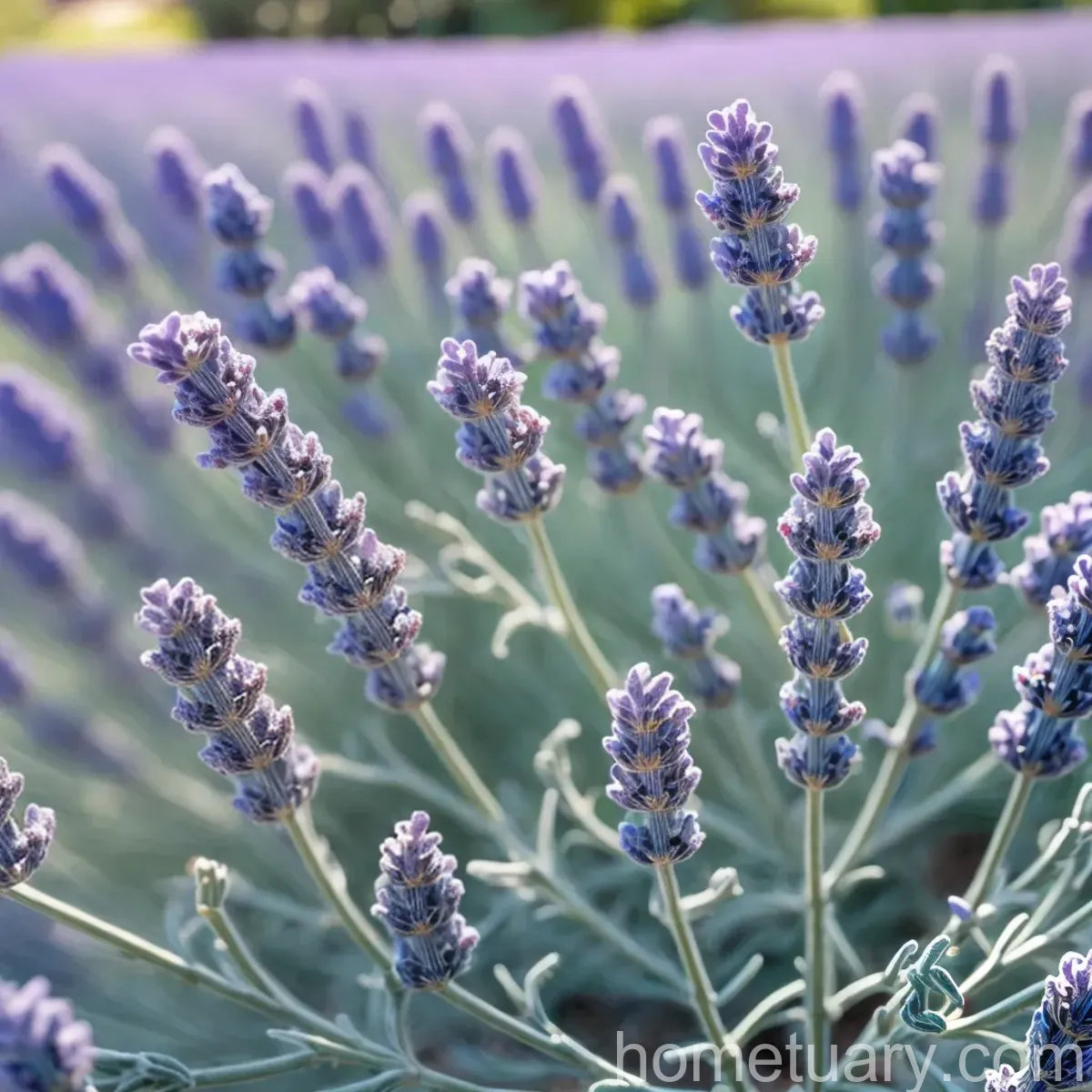
Santolina chamaecyparissus, belonging to the Asteraceae family, is a compact, woody perennial shrub native to the western and central Mediterranean region, including countries such as Italy, France, Portugal, and Spain. The plant is characterized by its finely divided, grayish-green foliage that exudes a pleasant fragrance, reminiscent of lavender, particularly when the leaves are crushed or brushed against. The small, button-like yellow flowers that appear in summer add a charming contrast to the plant’s silvery-green appearance.
Key Takeaways – Santolina chamaecyparissus (Lavender Cotton)
Before delving into the specifics of growing and caring for Lavender Cotton, here are some key takeaways about Santolina chamaecyparissus that are worth noting:
- Botanical Name: Santolina chamaecyparissus
- Common Name: Lavender Cotton
- Family: Asteraceae
- Native Habitat: Western and central Mediterranean
- Foliage: Fine, grayish-green leaves with a lavender-like fragrance
- Flowers: Small, button-like yellow flowers in summer
Culture of Santolina chamaecyparissus
Understanding the cultural requirements of Santolina chamaecyparissus is crucial for successfully cultivating and maintaining this plant. From the ideal growing conditions to specific cultural practices, here’s a comprehensive overview of the cultural aspects associated with Lavender Cotton.
Uses
Santolina chamaecyparissus is esteemed for its diverse range of uses, making it a valuable addition to gardens, landscapes, and even interior spaces. Some of the key uses include:
- Ornamental Plant: The distinct texture and color of the foliage make Santolina chamaecyparissus an excellent choice for ornamental plantings, adding visual interest and texture to garden beds and borders.
- Aromatic Plant: The fragrant nature of the leaves makes Lavender Cotton a popular choice for aromatherapy gardens, where the scent of the foliage can be enjoyed by brushing against the plant or crushing the leaves.
- Medicinal Purposes: Traditionally, Santolina chamaecyparissus has been used in herbal medicine for its anti-inflammatory and antiseptic properties. However, it’s important to note that any medicinal use should be approached with caution and expert guidance.
- Culinary Uses: In certain culinary traditions, the leaves of Lavender Cotton have been utilized for flavoring dishes, adding a unique and subtle aroma to certain recipes.
- Crafts and Decor: The attractive and fragrant foliage of Santolina chamaecyparissus also lends itself well to craft projects and decorative arrangements, providing a touch of natural beauty to various creations.
Understanding the versatile uses of this plant allows for a more holistic appreciation of its value in different contexts.
Water
One of the remarkable characteristics of Santolina chamaecyparissus is its high tolerance to drought conditions. This makes it an excellent choice for water-wise gardening and landscapes. However, it is important to note that while Lavender Cotton can withstand periods of dryness, it still requires adequate moisture, especially during its establishment phase and in extreme heat.
Water Requirements:
– Established Plants: Once established, Santolina chamaecyparissus generally thrives with minimal supplemental watering, relying on natural rainfall. However, during prolonged periods of drought, particularly in regions with little natural rainfall, occasional deep watering can help maintain plant health.
– Newly Planted: For newly planted Lavender Cotton, regular watering is essential to aid in root establishment. Water deeply, allowing the soil to dry out slightly between watering sessions to encourage healthy root growth.
– Container-Grown Plants: When grown in containers, Lavender Cotton should be watered whenever the top inch of the soil feels dry. Ensure that excess water can drain freely from the container to prevent waterlogging, which can be detrimental to the plant’s health.
Understanding the specific water needs and habits of Santolina chamaecyparissus enables gardeners to provide optimal moisture levels for the plant’s well-being.
Sunlight
Santolina chamaecyparissus is best known for its preference for full sun exposure. This plant thrives in bright, sunny locations and may exhibit reduced vigor and growth if subjected to partial shade or low light conditions.
Sunlight Requirements:
– Full Sun: To achieve maximum foliage density, vibrant color, and optimal aromatic qualities, Lavender Cotton should ideally receive at least 6 to 8 hours of direct sunlight per day.
– Part Shade: While Santolina chamaecyparissus can tolerate partial shade, it may lead to leggy growth and reduced flowering. Therefore, it is best to prioritize planting locations with ample sunlight.
By situating this plant in locations with abundant sunlight, gardeners can promote robust growth and vibrant foliage display.
Fertilizer
In general, Santolina chamaecyparissus does not have high fertilizer requirements. It is well adapted to nutrient-poor soils and can thrive in conditions where other plants may struggle. However, a basic understanding of fertilization practices for Lavender Cotton can help maintain the plant’s overall health and vigor.
Fertilization Guidelines:
– Organic Matter: Incorporating organic matter such as well-rotted compost or aged manure into the soil at the time of planting can provide a gentle nutrient boost to support initial growth.
– Minimal Fertilization: Once established, Lavender Cotton typically does not require regular fertilization. However, if signs of nutrient deficiency are observed, a balanced, slow-release fertilizer with a lower nitrogen content can be applied sparingly in spring to support healthy growth.
– Avoid Excess Nitrogen: It’s important to avoid excessive nitrogen fertilization, as this can lead to overly lush growth and diminish the aromatic qualities of the foliage.
Understanding the modest fertilization needs of Santolina chamaecyparissus is integral to promoting balanced growth and maintaining the plant’s natural resilience.
Soil
The adaptability of Santolina chamaecyparissus to poor, rocky, and well-draining soils contributes to its resilience as a garden plant. Understanding the soil preferences and structure conducive to Lavender Cotton’s growth is crucial for successful cultivation.
Soil Requirements:
– Well-Draining Soil: Lavender Cotton thrives in well-draining soils with good aeration. Soil that holds excessive moisture can lead to root rot and other issues.
– Slightly Alkaline pH: Santolina chamaecyparissus prefers soil with a slightly alkaline pH, ranging from 7.0 to 8.5. Amending the soil with lime can help raise the pH if necessary.
– Rocky or Gravelly Soils: In its native habitat, Santolina chamaecyparissus often grows in rocky, arid soils. Mimicking these conditions by adding coarse sand or gravel to the planting area can aid in replicating its preferred growing environment.
By providing the right soil conditions, gardeners can create an environment conducive to the healthy growth and development of Lavender Cotton.
Pruning
Pruning is an essential aspect of maintaining the attractive form and appearance of Santolina chamaecyparissus. Regular pruning helps promote bushier growth, rejuvenates the plant, and prevents it from becoming leggy and unkempt.
Pruning Guidelines:
– Spring Pruning: In early spring, before new growth begins, Lavender Cotton can be pruned back by one-third to encourage a more compact form and a denser foliage display.
– Deadheading: Removing spent flowers can prolong the blooming period and prevent the plant from self-seeding excessively.
– Shearing vs. Pinching: Depending on the desired look, Lavender Cotton can be sheared to maintain a formal shape or pinched back selectively to maintain a more natural, informal appearance.
Understanding the principles of pruning for Santolina chamaecyparissus empowers gardeners to maintain the plant’s aesthetic appeal and overall health.
Propagation
Propagating Santolina chamaecyparissus allows for the expansion of its presence in the garden or landscape. Understanding the various propagation methods for Lavender Cotton is valuable for gardeners seeking to multiply this plant.
Propagation Methods:
– Cuttings: Propagation from softwood or hardwood cuttings is a common method for reproducing Lavender Cotton. Softwood cuttings are generally taken in late spring or early summer, while hardwood cuttings are harvested in late summer or early autumn.
– Division: Dividing mature clumps of Santolina chamaecyparissus is another way to propagate the plant. This method is best performed in early spring, allowing the newly separated divisions to establish before the onset of summer.
By exploring and employing the available propagation methods, gardeners can expand the presence of Santolina chamaecyparissus to enrich their landscape.
Container Popularity
The compact, mounded growth habit and low maintenance requirements of Santolina chamaecyparissus make it a popular choice for container gardening. It thrives in containers, allowing gardeners to enjoy its distinct attributes on patios, balconies, and other outdoor spaces.
Container Gardening Tips:
– Well-Draining Soil: When growing Lavender Cotton in containers, it’s crucial to use a well-draining potting mix to prevent waterlogging and maintain healthy root conditions.
– Adequate Sunlight: Place the container in a location that receives ample sunlight, as this is crucial for the plant’s overall health and vigor.
The adaptable nature of Lavender Cotton to container gardening makes it a versatile choice for adding ornamental and aromatic interest to various outdoor settings.
Common Diseases and Pests
Despite its overall resilience, Santolina chamaecyparissus may still be susceptible to certain diseases and pests. Understanding these potential challenges equips gardeners with the knowledge to prevent and address them effectively.
Disease Diagnosis
Santolina chamaecyparissus may experience issues with certain fungal diseases, including powdery mildew and root rot if exposed to consistently moist and poorly aerated conditions. These diseases can lead to unsightly foliage and diminished plant vigor.
Symptoms:
– Powdery Mildew: White, powdery patches on the leaves, often accompanied by leaf distortion and premature leaf drop.
– Root Rot: Yellowing or browning of the foliage, wilting, and stunted growth.
Preventing these diseases through proper cultural practices such as ensuring good air circulation and well-draining soil can greatly reduce the risk of occurrence.
Common Pests
While generally resistant to many pests, Lavender Cotton may occasionally attract certain insects that can cause damage to the plant if left unchecked.
Potential Pests:
– Aphids: These small, soft-bodied insects can cluster on the tender new growth of Santolina chamaecyparissus, leading to distorted foliage and the development of sooty mold.
– Spider Mites: These tiny arachnids can cause stippling and discoloration of the leaves, leading to a decline in the plant’s overall health.
Monitoring for signs of pest activity and promptly addressing any infestations can help safeguard the health and appearance of Lavender Cotton.
Botanist’s Tips
To cultivate Santolina chamaecyparissus successfully and maximize its ornamental and practical value, consider the following tips:
- Well-Draining Soil: Ensure that the planting site or container provides for optimal drainage to prevent waterlogged conditions that can compromise the plant’s health.
- Full Sun Exposure: Situate Lavender Cotton in a location that receives ample sunlight to promote vibrant foliage color and maintain its aromatic attributes.
- Occasional Pruning: Regular light pruning can help maintain the plant’s compact form, rejuvenate growth, and prevent leggy, unkempt appearances.
- Drought Tolerance: While Santolina chamaecyparissus is resilient to drought, monitoring soil moisture and providing occasional deep watering during extended dry spells can benefit the plant.
Incorporating these tips into the care and cultivation of Lavender Cotton can result in healthier, more vibrant plants that contribute enhanced beauty and utility to the landscape.
Fun Facts
Discover some intriguing and lesser-known facts about Santolina chamaecyparissus:
- The name “Santolina” is derived from the Italian “sanctus,” meaning holy, alluding to the plant’s historical associations with cleanliness and purification.
- Santolina chamaecyparissus is known for its folklore and traditional uses, often associated with protective properties and warding off negative energy.
- Historically, the aromatic foliage of Lavender Cotton was utilized as a strewing herb, scattered on floors and surfaces to freshen and perfume indoor spaces.
These captivating details provide a deeper insight into the rich history and cultural significance of this exceptional plant.
Links to External Resources
For additional information, resources, and inspiration related to Santolina chamaecyparissus, explore the following links:
- Royal Horticultural Society: Santolina
- Missouri Botanical Garden: Santolina Chamaecyparissus
- University of Florida IFAS Extension: Santolina Green Santolina (Santolina chamaecyparissus)
- The Herbal Resource: Santolina Benefits and Uses
These resources offer valuable insights, care guidelines, and historical perspectives on Santolina chamaecyparissus, enriching your understanding and appreciation of this remarkable plant.
In conclusion, Santolina chamaecyparissus, or Lavender Cotton, holds a special place in horticulture and gardening, offering a mixture of visual appeal, aromatic charm, and practical uses. By understanding its culture, care requirements, and uses, gardeners and enthusiasts can fully appreciate and maximize the potential of this remarkable plant. Whether grown for its ornamental beauty, aromatic allure, or historical significance, Santolina chamaecyparissus continues to captivate and inspire those who cultivate and admire it.
For any additional queries or curiosity about Santolina chamaecyparissus, feel free to reach out or visit our website for more informative content!