Sansevieria Zeylanica (Sansevieria Zeylanica)
Sansevieria zeylanica, also known as the bowstring hemp plant or snake plant, is an attractive and low-maintenance indoor and outdoor plant. This species.
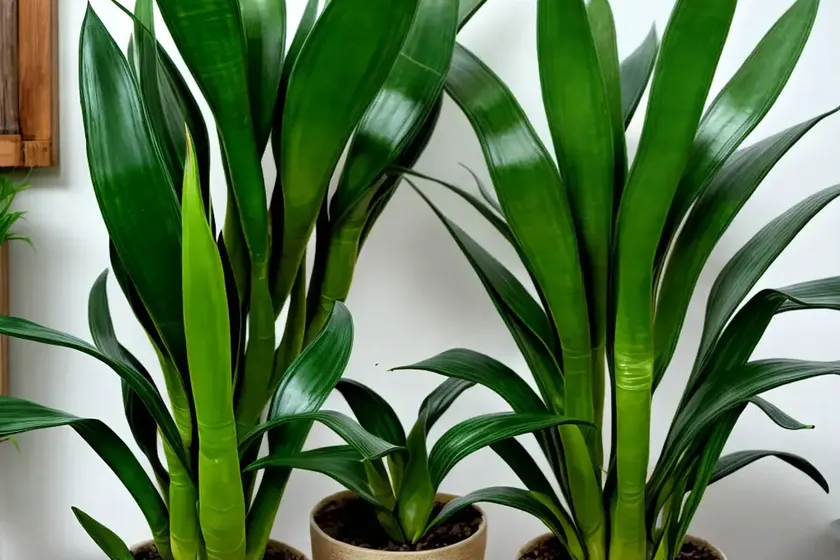
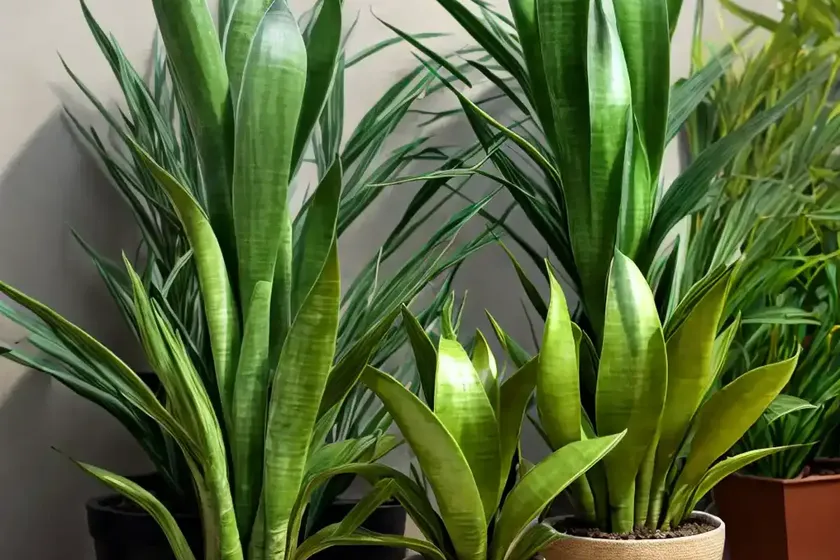
Sansevieria zeylanica, also known as the bowstring hemp plant or snake plant, is an attractive and low-maintenance indoor and outdoor plant. This species is popular for its air-purifying properties and unique leaf patterns, making it a favorite for both beginners and experienced plant enthusiasts.
In this comprehensive guide, we will explore every aspect of Sansevieria zeylanica, from its characteristics and care tips to propagation methods and common issues. Whether you’re looking to add this plant to your indoor decor or incorporate it into your outdoor landscaping, this guide will provide you with all the information you need to ensure the health and vitality of your Sansevieria zeylanica.
What is Sansevieria Zeylanica?
Sansevieria zeylanica is a species of flowering plant in the family Asparagaceae. It is native to Sri Lanka and belongs to the Sansevieria genus, which includes approximately 70 species of flowering plants. The common names “bowstring hemp plant” and “snake plant” stem from the plant’s tough and fibrous leaves, which were historically used to make bowstrings and traditional ropes.
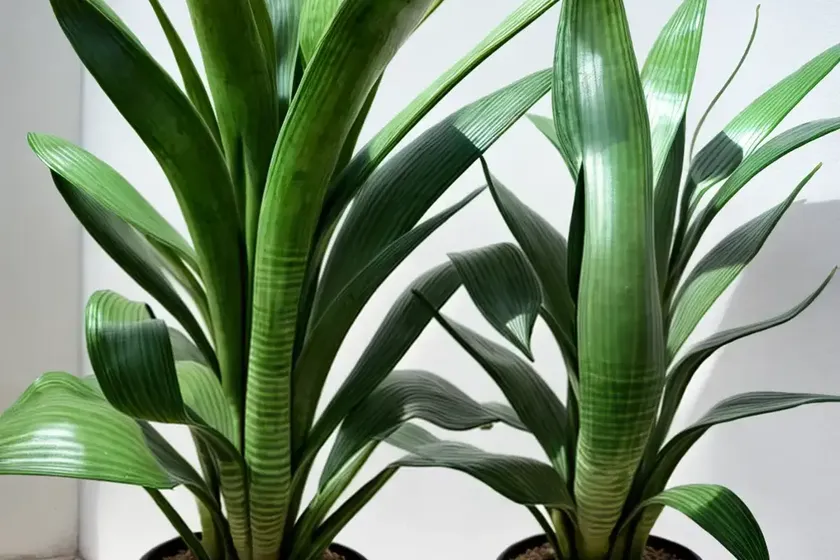
This species is characterized by its upright, sword-shaped leaves that grow in a rosette pattern. The leaves are typically dark green with light gray-green horizontal stripes, adding to the plant’s aesthetic appeal. Sansevieria zeylanica is popular as an ornamental plant and is prized for its ability to thrive in various indoor and outdoor environments with minimal care.
Before delving into the specifics of caring for Sansevieria zeylanica, let’s summarize the key takeaways associated with this versatile and visually striking plant.
-
Characteristics: Sansevieria zeylanica is characterized by its upright, sword-shaped leaves with distinctive light gray-green horizontal stripes, making it an attractive addition to any indoor or outdoor space.
-
Care Tips: This species thrives in well-draining soil and prefers bright, indirect light. It has low water and maintenance requirements, making it an ideal choice for busy plant enthusiasts.
-
Propagation: Sansevieria zeylanica can be propagated through division, leaf cuttings, or rhizome cuttings, providing ample opportunities for expanding your plant collection.
-
Common Issues: While generally robust, Sansevieria zeylanica may be susceptible to overwatering, pest infestations, and root rot if not provided with suitable growing conditions.
Now that we’ve outlined the key takeaways, let’s explore each aspect of Sansevieria zeylanica in more detail, beginning with its cultural preferences.
Culture
Understanding the cultural requirements of Sansevieria zeylanica is essential for creating an environment in which the plant can thrive. From its water and sunlight preferences to its soil and fertilizer requirements, a holistic understanding of these factors is paramount for successful plant care.
Uses
Sansevieria zeylanica has a myriad of uses, ranging from its role as an aesthetic addition to interior decor to its air-purifying and health benefits. Some common uses of Sansevieria zeylanica include:
-
Indoor Decor: Due to its visually appealing foliage, Sansevieria zeylanica is commonly used as an indoor decor element, adding a touch of greenery to residential and commercial spaces.
-
Air Purification: Like other Sansevieria species, Sansevieria zeylanica is known for its air-purifying properties, making it a popular choice for improving indoor air quality.
-
Health Benefits: Some studies suggest that the presence of Sansevieria zeylanica in indoor spaces may have potential health benefits, such as stress reduction and improved overall well-being.
Water
Sansevieria zeylanica has moderate water requirements and is particularly sensitive to overwatering. It is crucial to allow the soil to dry out between watering sessions to prevent root rot and other moisture-related issues. In general, the following watering guidelines are recommended for Sansevieria zeylanica:
-
Frequency: Water the plant thoroughly, allowing excess water to drain away. Wait until the soil is dry to a depth of 1-2 inches before watering again, typically every 2-4 weeks.
-
Watering Technique: When watering, apply water directly to the soil around the base of the plant to avoid wetting the leaves, which can lead to fungal diseases.
Sunlight
Sansevieria zeylanica is adaptable to a range of light conditions, making it suitable for both low-light and bright, indirect light environments. However, it thrives best in moderate to bright, indirect light, exhibiting vibrant growth and leaf coloration in such conditions. Here are some sunlight preferences to consider:
-
Indoor Lighting: Place Sansevieria zeylanica near a window that receives indirect sunlight for a significant portion of the day. Avoid exposing it to direct sunlight, as this can cause leaf burn.
-
Outdoor Lighting: When grown outdoors, position Sansevieria zeylanica in partially shaded areas, especially in regions with intense sunlight or high temperatures.
Fertilizer
Sansevieria zeylanica is a light feeder and does not require frequent fertilization. In fact, excessive fertilizer can lead to salt buildup in the soil, which may harm the plant. Consider the following guidelines for fertilizing Sansevieria zeylanica:
-
Frequency: Fertilize the plant once every 3-4 months during the growing season, typically from spring to early fall.
-
Type: Use a balanced, liquid fertilizer diluted to half or quarter strength, or a specialized cactus or succulent fertilizer to promote healthy growth without overfeeding.
Soil
Well-draining soil is essential for the health and longevity of Sansevieria zeylanica. A good quality potting mix designed for cacti and succulents or a mix of peat, perlite, and coarse sand is suitable for this species. Consider the following soil requirements:
-
Composition: Use a well-draining potting mix that allows water to flow through freely, preventing waterlogged conditions that can lead to root rot.
-
Aeration: Incorporate materials such as perlite or coarse sand to improve soil aeration, promoting healthy root development and preventing compaction.
Pruning
Pruning Sansevieria zeylanica is primarily focused on removing damaged or yellowing leaves, as well as maintaining the desired shape and size of the plant. The following steps can guide you through the pruning process:
-
Remove Dead Leaves: Regularly inspect the plant for dead or yellowing leaves and trim them at the base using clean, sharp scissors or pruning shears.
-
Maintain Shape: If the plant’s foliage becomes unruly or overgrown, trim back the outer leaves to maintain the desired shape and size.
-
Disinfection: Sanitize your pruning tools before and after use to prevent the spread of disease. A solution of 70% isopropyl alcohol is effective for this purpose.
Propagation
Sansevieria zeylanica can be propagated through various methods, offering plant enthusiasts opportunities to expand their collection and share the plant with others. Whether you prefer division, leaf cuttings, or rhizome cuttings, the following techniques can facilitate successful propagation:
Division
-
Prepare the Plant: Choose a mature, healthy Sansevieria zeylanica plant with multiple rhizomes and carefully remove it from its pot.
-
Separate the Rhizomes: Gently separate the rhizomes by pulling them apart or using a clean, sharp knife. Ensure that each rhizome division has both roots and foliage.
-
Plant the Divisions: Plant each divided section in a separate pot filled with well-draining soil, and water lightly. Place the newly potted divisions in a warm, bright location to encourage new growth.
Leaf Cuttings
-
Select Healthy Leaves: Choose a healthy, mature leaf from the parent plant and use a clean, sharp knife to cut it into 2-3 inch sections.
-
Prepare the Cuttings: Lay the leaf cuttings on a paper towel in a warm, dry location for 1-2 days to allow the cut ends to callus and reduce the risk of rot.
-
Plant the Cuttings: Plant the callused leaf cuttings in a shallow tray or pot filled with well-draining soil, positioning them horizontally with the cut ends inserted into the soil. Water lightly and provide indirect light to promote rooting.
Rhizome Cuttings
-
Identify Suitable Rhizomes: Locate healthy, plump rhizomes on the parent plant and carefully cut them into 2-3 inch sections using a clean, sharp knife.
-
Prepare the Cuttings: Lay the rhizome cuttings on a paper towel in a warm, dry location for 1-2 days to allow the cut ends to form calluses.
-
Plant the Cuttings: Plant the callused rhizome sections in a shallow pot filled with well-draining soil, ensuring that the cut ends are inserted into the soil. Water lightly and provide indirect light to encourage rooting.
Container Popularity
Sansevieria zeylanica is a popular choice for container gardening due to its adaptability to various container sizes and its ability to thrive in indoor and outdoor settings. The following factors contribute to the plant’s container popularity:
-
Versatility: Sansevieria zeylanica can be grown in a wide range of container types, from small pots for indoor displays to larger containers for outdoor landscaping.
-
Aesthetic Appeal: The striking foliage of Sansevieria zeylanica makes it an attractive choice for container gardening, adding visual interest to both indoor and outdoor spaces.
-
Low-Maintenance: The low water and maintenance requirements of Sansevieria zeylanica make it an excellent option for container gardening, particularly for individuals seeking low-maintenance plants.
Common Diseases
While Sansevieria zeylanica is relatively resistant to disease, certain environmental conditions or care practices can make the plant susceptible to specific issues. Understanding common diseases and their potential causes is essential for effectively managing and preventing them.
Disease Diagnosis
-
Root Rot: Overwatering or poorly draining soil can lead to root rot in Sansevieria zeylanica. Symptoms include mushy, discolored roots and wilting foliage. To prevent root rot, ensure that the plant’s soil dries out between watering sessions and that the container has adequate drainage.
-
Leaf Spot: Leaf spot diseases, caused by various fungi or bacteria, may manifest as dark, water-soaked lesions on the foliage. To mitigate leaf spot, avoid overhead watering and ensure that the plant has adequate air circulation.
-
Soft Rot: Soft rot can occur when the plant is subjected to overly wet conditions, leading to the decay of leaves and soft, foul-smelling tissue. Prevent soft rot by practicing careful watering and providing suitable growing conditions that promote proper air circulation.
Common Pests
Sansevieria zeylanica is generally resistant to pests, but certain insects can still pose a threat to the plant’s health and vitality. Understanding the common pests that may affect this species is crucial for early detection and management.
Botanist’s Tips
As a botanist, I can provide valuable insights into the care and cultivation of Sansevieria zeylanica based on years of experience working with this species. Here are some tips to help you ensure the success of your Sansevieria zeylanica:
-
Soil Moisture: Avoid overwatering Sansevieria zeylanica, as it is susceptible to root rot in consistently moist soil. Allow the soil to dry out between watering sessions to maintain optimal growing conditions.
-
Light Exposure: Position Sansevieria zeylanica in bright, indirect light to encourage healthy growth and vibrant leaf coloration. Avoid exposing the plant to direct sunlight, as this can lead to leaf burn.
-
Propagation Methods: Experiment with different propagation methods, such as division and leaf cuttings, to expand your plant collection and share the beauty of Sansevieria zeylanica with others.
Fun Facts
Sansevieria zeylanica is not only a visually appealing and adaptable plant but also has several fascinating attributes that add to its allure. Consider the following fun facts about this remarkable species:
-
Air-Purifying Qualities: Sansevieria zeylanica is known for its air-purifying abilities, effectively removing toxins such as formaldehyde and benzene from indoor environments.
-
Low Maintenance: This species is renowned for its low maintenance requirements, making it an ideal choice for individuals with busy lifestyles or those new to plant care.
-
Historical Significance: The tough and fibrous leaves of Sansevieria zeylanica were historically used to create bowstrings and traditional ropes, showcasing the plant’s versatility and resilience.
Now that we’ve covered the cultural preferences, care tips, and fascinating aspects of Sansevieria zeylanica, it’s essential to provide access to external resources where readers can further enhance their knowledge or find additional support for plant care.
To supplement the information provided in this comprehensive guide, I recommend exploring the following external resources for valuable insights into Sansevieria zeylanica and related topics:
- The Spruce – Sansevieria Zeylanica Care Guide
- University of Florida IFAS Extension – Sansevieria Zeylanica Fact Sheet
- Royal Horticultural Society – Sansevieria Care and Propagation
These resources offer a wealth of information on Sansevieria zeylanica care, propagation, and related topics, providing readers with diverse perspectives and expert guidance to support their plant care endeavors.
In conclusion, Sansevieria zeylanica is a captivating and resilient plant species that offers numerous benefits for indoor and outdoor environments. By understanding its cultural preferences, adopting suitable care practices, and being mindful of potential issues, you can ensure the health and longevity of this remarkable species. Whether you’re a novice plant enthusiast or a seasoned gardener, incorporating Sansevieria zeylanica into your plant collection can enrich your living spaces and contribute to a healthier, more vibrant ecosystem.
Remember, the journey of plant care is not only rewarding but also a continuous learning experience. By staying curious, observant, and responsive to your plant’s needs, you can cultivate a thriving and harmonious relationship with Sansevieria zeylanica and other botanical companions.
Thank you for taking the time to explore the world of Sansevieria zeylanica with me. I hope this guide has empowered you to embark on an enriching and fulfilling plant care journey. Happy growing!