Salvia x sylvestris ‘Blue Hill’ (‘Blauhugel’ Sage): A Comprehensive Guide to Cultivation and Care
When it comes to versatile, resilient, and visually stunning garden plants, few can rival the appeal of the Salvia x sylvestris ‘Blue Hill,’ commonly known as ‘Blauhugel’ Sage. This perennial herbaceous plant is a member of the mint family, Lamiaceae, and is highly valued for its ornamental beauty and various practical uses. In this comprehensive guide, we’ll delve into the various aspects of this delightful plant, covering everything from its cultural requirements to its ecological significance, and sharing some valuable botanist’s tips along the way.
What is Salvia x sylvestris ‘Blue Hill’ (‘Blauhugel’ Sage)?
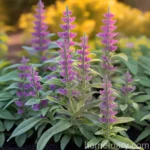
Salvia x sylvestris ‘Blue Hill’ is a herbaceous perennial plant that is a hybrid of two salvia species, S. nemorosa and S. pratensis. This hybrid, also known as ‘Blauhugel’ Sage, is a cultivar renowned for its compact form, vibrant blue-purple flowers, and aromatic foliage. Native to Europe and Central Asia, this plant has become popular in gardens across the world for its aesthetic appeal and ease of cultivation.
Salvia x sylvestris ‘Blue Hill’ is characterized by its upright growth habit, reaching a height of 18 to 24 inches (45-60 cm) and a spread of 12 to 18 inches (30-45 cm). It typically flowers from late spring to early summer, attracting pollinators such as bees and butterflies to the garden.
Key Takeaways – Salvia x sylvestris ‘Blue Hill’ (‘Blauhugel’ Sage)
Before delving into the specifics of its cultivation and care, let’s highlight some key takeaways about Salvia x sylvestris ‘Blue Hill’:
- Botanical Name: Salvia x sylvestris ‘Blue Hill’ (‘Blauhugel’ Sage)
- Common Names: ‘Blue Hill’ Sage, ‘Blauhugel’ Sage
- Plant Type: Herbaceous perennial
- Mature Size: 18-24 inches (45-60 cm) in height, 12-18 inches (30-45 cm) in spread
- Bloom Time: Late spring to early summer
- Flower Color: Blue-purple
- Sunlight: Full sun to partial shade
- Watering: Moderate
- Soil Type: Well-draining, fertile
- Uses: Ornamental, pollinator-friendly, aromatic, culinary, medicinal
- Hardiness Zones: 4-8
- Common Pests: Aphids, spider mites
- Common Diseases: Powdery mildew, root rot
The ‘Blue Hill’ Sage is a versatile plant, offering not only aesthetic value in the garden but also serving practical purposes in landscaping, cooking, and herbal medicine.
Culture
Sunlight
Salvia x sylvestris ‘Blue Hill’ thrives in full sun to partial shade. While it prefers at least 6 hours of direct sunlight per day, it can also tolerate some shade, particularly in hotter climates.
Water
When it comes to water requirements, ‘Blue Hill’ Sage prefers moderate moisture levels. It is important to allow the soil to dry out slightly between waterings to prevent waterlogged conditions, which can lead to root rot. Once established, this plant exhibits good drought tolerance.
Soil
The ideal soil for Salvia x sylvestris ‘Blue Hill’ is well-draining and fertile. It performs best in loamy, sandy, or clay soils with a slightly acidic to neutral pH range. Amending the soil with organic matter such as compost can improve its fertility and drainage.
Fertilizer
This plant generally has modest nutritional needs. A balanced, all-purpose fertilizer applied in spring as new growth emerges can support healthy development and abundant flowering. Be cautious not to over-fertilize, as this can lead to excessive foliage growth at the expense of flowers.
Pruning
Pruning plays a crucial role in maintaining the health and appearance of Salvia x sylvestris ‘Blue Hill.’ Regular deadheading, removing spent flowers, and trimming back the plant after its initial flush of bloom can promote a more compact shape and encourage the production of additional blooms. However, in regions with milder winters, leaving some spent flowers on the plant can provide winter interest and nesting material for birds.
Propagation
Salvia x sylvestris ‘Blue Hill’ can be propagated through several methods, including division, softwood cuttings, and seed sowing.
- Division: In early spring or fall, mature plants can be divided, and the divisions can be replanted in suitable locations.
- Softwood Cuttings: Soft, non-flowering shoots can be taken in late spring or early summer, rooted in a suitable growing medium, and grown on until they are ready for transplanting.
- Seed Sowing: Seeds can be sown either indoors in early spring or directly in the garden in late spring after the last frost date. Germination typically occurs within 2-3 weeks under optimal conditions.
Container Cultivation
The compact nature and ornamental beauty of Salvia x sylvestris ‘Blue Hill’ make it well-suited for container cultivation. When growing this plant in containers, it is essential to use a well-draining potting mix and to ensure adequate water and sunlight. Regular monitoring of soil moisture is crucial, as container-grown plants may dry out more quickly than those in garden beds. Additionally, feeding with a diluted liquid fertilizer during the growing season can support healthy growth and flowering.
Popularity
Salvia x sylvestris ‘Blue Hill’ has gained widespread popularity among gardeners and landscaping professionals for several reasons:
- Aesthetic Appeal: The striking blue-purple flowers and tidy growth habit make it a valuable addition to flower beds, borders, and cottage gardens.
- Pollinator-Friendly: ‘Blue Hill’ Sage’s abundant nectar-rich blooms attract bees, butterflies, and other pollinators, contributing to ecological diversity and garden vitality.
- Low Maintenance: Its resistance to pests and diseases, along with its ability to withstand varying soil and moisture conditions, make it a low-maintenance plant suitable for a wide range of garden settings.
- Versatile Uses: Beyond its ornamental value, ‘Blue Hill’ Sage can be utilized in culinary pursuits and herbal medicine, adding practicality to its appeal.
Common Diseases and Pests
Common Diseases
Despite its resilience, Salvia x sylvestris ‘Blue Hill’ can be susceptible to certain diseases, including:
-
Powdery Mildew: This fungal disease can manifest as a grayish-white powdery coating on the leaves, leading to diminished plant vigor and aesthetics. Good air circulation and avoiding overhead watering can help prevent powdery mildew.
-
Root Rot: Excessive soil moisture, particularly in poorly-draining conditions, can promote root rot, causing wilting, yellowing, and eventual decline of the plant. Avoid overwatering and ensure proper soil drainage.
Common Pests
The most common pests that may affect ‘Blue Hill’ Sage include:
-
Aphids: These small, sap-sucking insects can distort new growth and cause leaf curling. They can often be dislodged with a strong spray of water or controlled with insecticidal soap.
-
Spider Mites: These tiny arachnids can cause stippling and discoloration of leaves, particularly in hot and dry conditions. Regularly hosing down the plant and maintaining adequate humidity levels can help prevent spider mite infestations.
Botanist’s Tips
Here are some valuable tips from botanists and experienced gardeners for cultivating and caring for Salvia x sylvestris ‘Blue Hill’:
-
Mulching: Applying a layer of organic mulch around the base of the plant can help regulate soil moisture, suppress weed growth, and enhance soil fertility as the mulch breaks down.
-
Companion Planting: Pairing ‘Blue Hill’ Sage with other pollinator-friendly plants such as lavender, catmint, and echinacea can create an attractive and ecologically beneficial garden space.
-
Winter Protection: In colder climates, providing a layer of mulch or evergreen boughs around the base of the plant can offer protection from winter frost and promote its survival through the colder months.
-
Deadheading for Extended Bloom: Regularly removing spent flowers can not only maintain the plant’s aesthetic appeal but also encourage the production of new blooms, prolonging the flowering period.
Fun Facts
- The specific epithet “sylvestris” in the plant’s scientific name, Salvia x sylvestris, means “of the woods” or “wild,” reflecting its natural habitat in open woodlands and meadows.
- While Salvia x sylvestris ‘Blue Hill’ is primarily valued for its ornamental qualities, various Salvia species, including some related to ‘Blue Hill,’ have been used in traditional medicine for their purported therapeutic properties.
Now that we have explored the cultural aspects of Salvia x sylvestris ‘Blue Hill’ (‘Blauhugel’ Sage), let’s delve into its botanical profile, uses, and ecological significance in more detail.
Links to External Resources
For further information on Salvia x sylvestris ‘Blue Hill’ and related topics, the following external resources are highly valuable:
- Royal Horticultural Society – Salvia x sylvestris ‘Blue Hill’
- University of Maryland Extension – Growing Salvias in Maryland
- Missouri Botanical Garden – Salvia x sylvestris
- Penn State Extension – Managing Diseases in the Home Landscape
- American Society for the Prevention of Cruelty to Animals – List of Toxic and Non-Toxic Plants
These resources provide a wealth of information on plant cultivation, pest and disease management, and plant profiles, allowing enthusiasts and horticulturists to deepen their understanding of Salvia x sylvestris ‘Blue Hill’ and its cultural requirements.
In the following sections, we will explore the ecological and practical uses of ‘Blauhugel’ Sage, including its benefits for pollinators, culinary and medicinal uses, and landscaping opportunities. Additionally, we will delve into its seasonal care, suitability for different climates, and best practices for promoting its health and vigor. Let’s continue our journey into the fascinating world of Salvia x sylvestris ‘Blue Hill’!
Note: The content and information provided in this blog post is for informational and educational purposes only. Please refer to local and official sources for specific guidance on plant cultivation and care in your region. Always exercise caution and seek professional advice when handling plants, especially if there are concerns regarding allergies or toxic reactions.