Salvia Nemorosa ‘Amethyst’ (Sage)
The Salvia nemorosa ‘Amethyst’, commonly known as Amethyst Sage, is a stunning perennial plant that belongs to the Lamiaceae family. This beautiful.
Introduction to Salvia nemorosa ‘Amethyst’ (Sage)
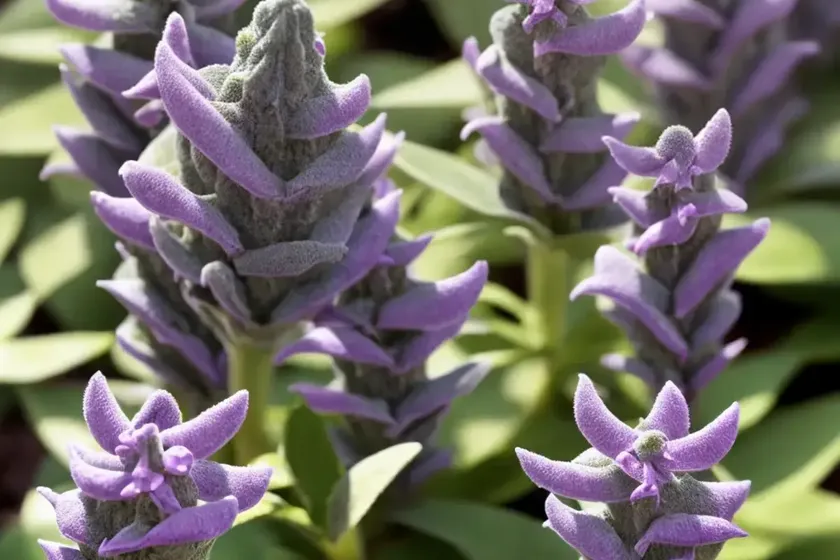
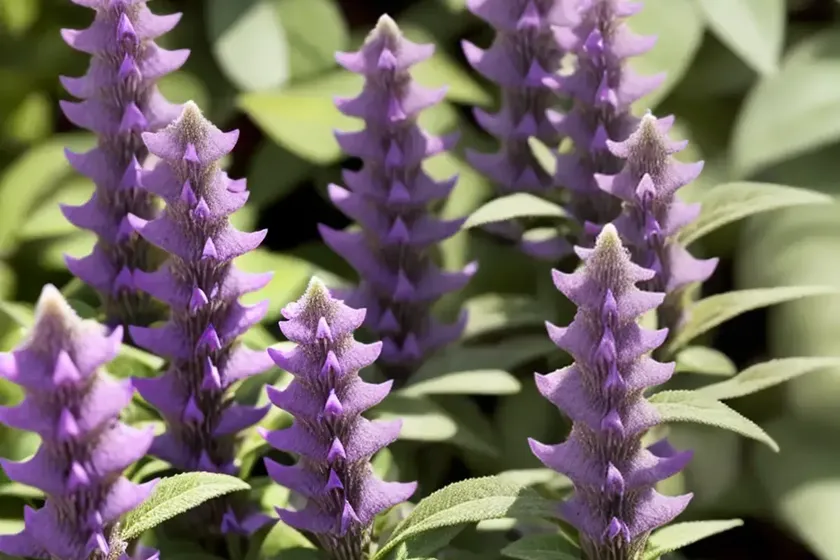
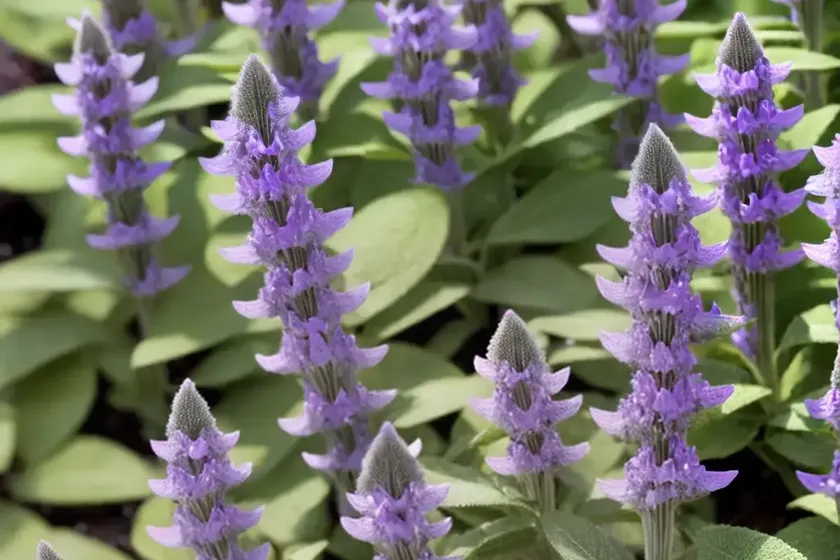
The Salvia nemorosa ‘Amethyst’, commonly known as Amethyst Sage, is a stunning perennial plant that belongs to the Lamiaceae family. This beautiful cultivar is prized for its vibrant purple flowers and aromatic foliage, making it a popular choice for gardens and landscapes. In this comprehensive guide, we will delve into the various aspects of growing and caring for Salvia nemorosa ‘Amethyst’, including its cultural requirements, common uses, maintenance tips, and much more.
Key Takeaways – Salvia nemorosa ‘Amethyst’ (Sage)
Salvia nemorosa ‘Amethyst’ Characteristics
- Botanical Name: Salvia nemorosa ‘Amethyst’
- Common Name: Amethyst Sage
- Family: Lamiaceae
- Flower Color: Purple
- Foliage: Aromatic, Gray-green
- Bloom Time: Late spring to early summer
- Plant Type: Herbaceous Perennial
- Height: 18-24 inches
- Spread: 18-24 inches
- Hardiness Zones: 4-9
- Native to: Europe
- Deer Resistant: Yes
- Attracts Pollinators: Yes
- Drought Tolerant: Yes
Cultural Requirements of Salvia nemorosa ‘Amethyst’
Water
- Regular Watering: Adequate moisture is essential, especially during the establishment period and dry spells.
- Well-draining Soil: Ensure that the plant is not sitting in waterlogged soil to prevent root rot.
Sunlight
- Full Sun: Salvia nemorosa ‘Amethyst’ thrives in full sunlight, receiving at least 6-8 hours of direct sun per day.
Fertilizer
- Balanced Fertilizer: Apply a balanced, slow-release fertilizer in spring to support healthy growth and flowering.
Soil
- Well-drained Soil: This cultivar prefers well-drained, moderately fertile soil with a slightly alkaline to neutral pH.
Pruning and Maintenance
Pruning
- Deadheading: Regular deadheading of spent flowers can promote continuous blooming and prevent self-seeding.
- Cutting Back: Trim back the plant by one-third after the initial flowering to encourage bushier growth and potential reblooming.
Propagation
- Division: Divide mature clumps in early spring to rejuvenate the plant and propagate new specimens.
- Softwood Cuttings: Take softwood cuttings in late spring or early summer for propagation.
Container Growing
- Suitable for Containers: Salvia nemorosa ‘Amethyst’ can be grown in containers, provided they have sufficient space for root development.
- Well-draining Soil: Use a high-quality potting mix with excellent drainage when growing in containers.
Uses of Salvia nemorosa ‘Amethyst’
Garden and Landscape Use
- Borders and Edges: Creates stunning borders and edging with its vibrant purple blooms and attractive foliage.
- Pollinator Gardens: Attracts bees, butterflies, and hummingbirds, making it a valuable addition to pollinator-friendly gardens.
Cut Flowers
- Floral Arrangements: The long-lasting cut flowers of Salvia nemorosa ‘Amethyst’ are perfect for adding color and fragrance to floral displays.
Medicinal and Folklore Uses
- Herbal Qualities: Sage has been traditionally used for its medicinal properties, including its potential for improving cognitive function and supporting oral health.
Common Diseases and Pests
Disease Susceptibility
- Powdery Mildew: Occasional susceptibility to powdery mildew, particularly in humid conditions.
- Root Rot: Overly wet soil can lead to root rot, especially in poorly drained soil.
Pest Infestations
- Spider Mites: These tiny pests may sometimes infest the foliage, leading to discoloration and weakening of the plant.
- Aphids: Aphids can occasionally be found on the new growth, causing distortion and stunted development.
Botanist’s Tips for Growing Salvia nemorosa ‘Amethyst’
- Well-Drained Soil: Ensure that the soil is well-drained to prevent waterlogged conditions.
- Regular Deadheading: Engage in regular deadheading to prolong the flowering period and maintain the plant’s neat appearance.
- Divide Clumps: Periodically divide mature clumps to maintain the vigor and productivity of the plant.
- Prune Wisely: Pruning can help shape the plant and encourage reblooming, but avoid excessive pruning that can affect the plant’s health.
Fun Facts about Salvia nemorosa ‘Amethyst’
- The specific epithet “nemorosa” refers to its natural habitat in woodland or bushy areas.
- Salvia, derived from the Latin word salvus, meaning “safe” or “healthy,” alludes to the plant’s historical medicinal uses.
- Sage has been associated with wisdom and protection in various cultures and has been utilized in rituals and ceremonies.
Links to External Resources
For more detailed information on Salvia nemorosa ‘Amethyst’ (Sage), refer to the following resources:
- Royal Horticultural Society – Salvia nemorosa ‘Amethyst’
- Missouri Botanical Garden – Growing Salvias
- University of Maryland Extension – Growing Salvias
- The American Phytopathological Society – Common Diseases of Sage
- North Carolina State University Extension – Integrated Pest Management for Sage
In conclusion, Salvia nemorosa ‘Amethyst’ is a delightful and versatile plant that can elevate the aesthetic appeal of gardens, attract beneficial pollinators, and even offer potential medicinal benefits. By understanding its cultural requirements, common uses, and maintenance practices, enthusiasts can cultivate and enjoy the beauty and benefits of this remarkable Sage cultivar.
Remember, every successful gardener was once a beginner, so embrace the journey of nurturing and appreciating the splendor of Salvia nemorosa ‘Amethyst’!


