Salvia microphylla ‘Red Velvet’ (Baby Sage): A Complete Guide
Salvia microphylla ‘Red Velvet’ (commonly known as Baby Sage) is a stunning perennial herb that belongs to the mint family, Lamiaceae. Its vibrant red flowers and aromatic foliage make it a beloved choice for gardeners looking to add color and fragrance to their landscapes. In this comprehensive guide, we will explore the culture, uses, maintenance, and more of this captivating plant.
What is Salvia microphylla ‘Red Velvet’ (Baby Sage)?
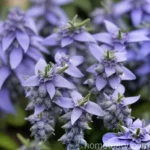
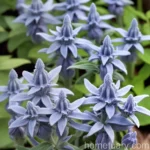
Salvia microphylla ‘Red Velvet’ is a compact, low-growing perennial herbaceous plant that is native to Mexico, particularly the Sierra Madre Oriental mountain range. It is known for its aromatic, lance-shaped leaves and vibrant red tubular flowers that bloom profusely from late spring through fall. The plant typically reaches a height and spread of 18-24 inches, making it an ideal choice for small gardens, container plantings, and mixed border landscapes.
The ‘Red Velvet’ cultivar of Salvia microphylla is prized for its intense, deep red flowers, which serve as a magnet for pollinators such as bees, butterflies, and hummingbirds. Its rich foliage emits a pleasant fragrance when brushed against, further adding to its ornamental appeal.
Key Takeaways – Salvia microphylla ‘Red Velvet’ (Baby Sage)
Before delving into the detailed aspects of Baby Sage cultivation and maintenance, let’s take a look at some key takeaways about this captivating plant:
- Scientific Name: Salvia microphylla ‘Red Velvet’
- Common Name: Baby Sage
- Plant Type: Perennial
- Hardiness Zones: 7-9
- Watering Needs: Moderate
- Sunlight Requirements: Full sun to partial shade
- Soil Type: Well-draining, fertile soil
- Mature Height: 18-24 inches
- Bloom Time: Late spring through fall
- Uses: Ornamental, pollinator-friendly, culinary, medicinal
Now that we have an overview of what Salvia microphylla ‘Red Velvet’ has to offer, let’s dive into the various aspects of its culture, uses, maintenance, and more.
Culture
Cultivating Salvia microphylla ‘Red Velvet’ involves paying attention to several crucial factors, from water and sunlight requirements to soil composition. Proper care and maintenance play a pivotal role in ensuring the plant’s health and blooming potential. Let’s explore each of these aspects in detail.
Uses
Salvia microphylla ‘Red Velvet’ offers a range of uses, making it a versatile addition to gardens and landscapes:
- Ornamental Use: The vibrant red flowers and aromatic foliage make Baby Sage an excellent choice for ornamental plantings, including mixed borders, rock gardens, and perennial beds.
- Pollinator-Friendly: Its nectar-rich flowers attract a variety of pollinators, including bees, butterflies, and hummingbirds, enhancing the biodiversity of the garden.
- Culinary Purposes: The leaves of Salvia microphylla can be used to infuse teas, flavor herbal butters, and add a unique taste to various culinary creations.
- Medicinal Value: In traditional herbal medicine, Salvia species have been used for their potential medicinal properties, and Baby Sage is no exception. Its leaves may possess antimicrobial and anti-inflammatory properties. However, it is essential to consult with a healthcare professional before using any plant for therapeutic purposes.
Water
Balancing the water requirements of Salvia microphylla ‘Red Velvet’ is crucial for its overall health and blooming performance. Here are some key points to consider regarding watering:
- Establishment Period: Newly planted Baby Sage should be watered regularly to help them establish a robust root system. This typically involves watering deeply immediately after planting and then maintaining consistent soil moisture until the plant shows signs of new growth.
- Mature Plants: Once established, Salvia microphylla ‘Red Velvet’ demonstrates moderate drought tolerance and generally thrives in well-draining soils. While it does not require constant moisture, it is essential to water the plant during extended dry spells, especially in summer.
Sunlight
Adequate sunlight is essential for the healthy growth and blooming of Salvia microphylla ‘Red Velvet’. Here are the sunlight requirements to keep in mind:
- Full Sun: Baby Sage flourishes when grown in full sun, which typically means at least 6-8 hours of direct sunlight per day. In such conditions, it tends to display the most profuse flowering and compact growth habit.
- Partial Shade: While Salvia microphylla can tolerate some shade, it is essential to ensure that the plant still receives a significant amount of sunlight to maintain its vigor and blooming potential.
Fertilizer
Like many perennial plants, Salvia microphylla benefits from the occasional application of balanced fertilizer to support its growth and flowering. Consider the following fertilizer tips:
- Timing: Fertilize Baby Sage in early spring before new growth emerges. It is best to refrain from fertilizing in late summer or fall, as this can stimulate tender growth that may be susceptible to frost damage.
- Type: A balanced, all-purpose fertilizer, such as a 10-10-10 formulation, can be suitable for Salvia microphylla ‘Red Velvet’. Alternatively, organic options like compost or well-rotted manure can provide slow-release nutrients to the plant.
Soil
The right soil conditions are paramount for the healthy development of Salvia microphylla ‘Red Velvet’. Consider the following soil-related aspects:
- Drainage: Well-draining soil is crucial for preventing waterlogged conditions, which can lead to root rot. Amending heavy clay soils with organic matter can improve drainage.
- Fertility: Baby Sage thrives in fertile soil, so incorporating organic matter like compost during planting or as a topdressing can enhance the soil’s fertility and structure.
Pruning
Pruning plays a significant role in maintaining the compact growth habit and blooming performance of Salvia microphylla ‘Red Velvet’. Here are some essential pruning considerations:
- Deadheading: Removing spent flowers encourages the plant to produce new blooms, extending the flowering period and enhancing the overall appearance of the plant.
- Trimming: Lightly shearing the plant after the first flush of blooms can promote a bushier growth habit and potentially stimulate additional flowering.
Propagation
For gardeners looking to propagate Salvia microphylla ‘Red Velvet’, several methods can be employed:
- Softwood Cuttings: During the active growing season, take 4-6 inch cuttings from the terminal ends of the plant, remove the lower leaves, and place them in a rooting medium. Keep the medium consistently moist until roots develop.
- Division: Established Baby Sage plants can be divided in early spring to create new individuals. Carefully dig up the plant, divide the root ball into sections, and replant the divisions in suitable locations.
Container Popularity
Salvia microphylla ‘Red Velvet’ is well-suited for container cultivation, offering a stunning display of flowers and fragrant foliage that can grace patios, balconies, and other outdoor living spaces. Its compact size and vibrant blooms make it a popular choice for container gardening enthusiasts looking to add color and pollinator-friendly elements to their urban or small-space gardens.
Container Common Diseases
While growing Baby Sage in containers generally reduces the risk of certain soilborne diseases, it is crucial to monitor the plant for signs of stress or pathogens. Common container diseases that may affect Salvia microphylla include:
- Root Rot: Overwatering or poorly draining soil in containers can lead to root rot, characterized by wilting, yellowing leaves, and a foul odor from the roots.
Disease Diagnosis
Identifying and addressing potential diseases in Salvia microphylla ‘Red Velvet’ is essential for maintaining the plant’s health and longevity. Here are some common diseases and their diagnostic signs:
- Powdery Mildew: A fungal disease that manifests as a powdery, white substance on the leaves, usually in humid conditions or with poor air circulation.
- Botrytis Blight: This fungal disease can cause brown spots on the leaves and stems and may be accompanied by a gray mold on affected plant parts.
Common Pests
Though relatively resilient, Salvia microphylla ‘Red Velvet’ may still encounter certain pests that can compromise its health and appearance. Common pests to watch out for include:
- Aphids: These small, soft-bodied insects can cluster on the new growth of Baby Sage and cause distortion or yellowing of the leaves.
- Spider Mites: These tiny arachnids can infest the undersides of leaves and spin fine webbing, leading to stippled, discolored foliage.
Botanist’s Tips
As a plant scientist, I always strive to offer practical tips to help fellow plant enthusiasts cultivate and care for their botanical treasures. Here are some specialized tips for cultivating Salvia microphylla ‘Red Velvet’:
- Mulching: Applying a layer of mulch around the base of Baby Sage can help conserve soil moisture, suppress weeds, and provide a uniform, aesthetically pleasing appearance to the planting area.
- Companion Planting: Pairing Baby Sage with other drought-tolerant, pollinator-friendly plants like lavender, yarrow, or Russian sage can create a visually striking and ecologically beneficial landscape.
Fun Facts
To further enrich our understanding of Salvia microphylla ‘Red Velvet’, here are some fun and intriguing facts about this captivating plant:
- The species name “microphylla” is derived from the Greek words “micros” and “phyllon,” meaning “small” and “leaf,” respectively, alluding to the plant’s diminutive leaves.
- Baby Sage is known for its deer-resistant properties, making it a valuable addition to gardens in areas where deer browsing is a concern.
- In addition to attracting pollinators, Salvia microphylla ‘Red Velvet’ is renowned for its appealing fragrance, making it an enjoyable sensory addition to outdoor spaces.
Links to External Resources
To further expand your knowledge of Salvia microphylla ‘Red Velvet’ (Baby Sage), consider exploring the following resources:
- Royal Horticultural Society – Salvia microphylla ‘Red Velvet’
- University of California – Salvia microphylla
- North Carolina State University Extension – Baby Sage
In conclusion, Salvia microphylla ‘Red Velvet’ (Baby Sage) offers a delightful blend of ornamental value, pollinator-friendly attributes, and potential uses in the culinary and medicinal realms. By understanding and applying the key principles of its culture, maintenance, and pest management, gardeners can cultivate thriving specimens of this captivating perennial herb, enhancing the beauty and ecological vitality of their outdoor spaces.
Remember, the journey of nurturing and celebrating plants like Salvia microphylla ‘Red Velvet’ not only enriches our surroundings but also deepens our bond with nature and the remarkable diversity it offers.
Happy gardening!