Plant Profile: Salvia leucophylla (Purple Sage)
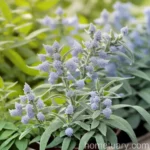
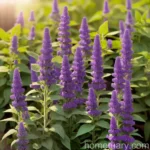
Salvia leucophylla, commonly known as Purple Sage, is a native plant species to California. It is a drought-tolerant, perennial evergreen shrub that belongs to the Lamiaceae family. This plant is identified by its unique purple-tinged foliage and fragrant flowers. It plays a vital role in the ecosystem as it attracts pollinators and contributes to the overall biodiversity of the region.
In this detailed guide, we will explore the various aspects of Salvia leucophylla, including its cultural requirements, uses, propagation, common diseases, pests, and more. This comprehensive resource aims to provide both novice and experienced gardeners with the tools and knowledge necessary to cultivate and care for this remarkable plant.
Key Takeaways – Salvia leucophylla (Purple Sage)
Before delving into the specifics of Salvia leucophylla, let’s briefly outline the key takeaways that we will be covering in this guide:
- Cultural Requirements: Understanding the environmental conditions necessary for the successful growth of Salvia leucophylla.
- Uses: Exploring the diverse applications of Purple Sage, including its ornamental, culinary, and medicinal properties.
- Propagation: Learning about the methods used for propagating and expanding the population of Salvia leucophylla.
- Common Diseases and Pests: Identifying potential threats and implementing effective management strategies.
- Botanist’s Tips: Expert recommendations and insights into maximizing the potential of this plant in various settings.
- Fun Facts: Uncovering intriguing and lesser-known facts about Salvia leucophylla.
Now, let’s dive into the details of each of these key takeaways, providing a comprehensive understanding of the Purple Sage plant.
What is Salvia leucophylla (Purple Sage)?
Salvia leucophylla, or Purple Sage, is a captivating perennial shrub that is renowned for its aromatic leaves and striking purple flowers. This species is native to California, particularly thriving in the coastal sage scrub habitats of the state. Its ability to withstand dry conditions and its significance in supporting local wildlife make it a valuable plant for landscaping, conservation efforts, and culinary uses.
The plant’s botanical name, Salvia leucophylla, derives from the Latin word “salvare,” meaning “to heal” or “to save.” This name alludes to the traditional medicinal uses associated with various Salvia species, including Purple Sage. The leucophylla epithet, on the other hand, refers to the plant’s characteristic white (leuco) leaves (phylla).
Purple Sage has been esteemed for centuries due to its versatile nature, distinctive appearance, and its contributions to both the ecological and cultural landscape of California. As we delve deeper into the specifics of this plant, we will explore its cultural requirements, uses, propagation methods, and more, providing a comprehensive overview for enthusiasts and horticultural experts alike.
Cultural Requirements
Water
Salvia leucophylla is exceptionally well-adapted to dry, Mediterranean climate conditions, making it an ideal choice for water-wise gardens and landscapes. Once established, Purple Sage exhibits remarkable drought tolerance, reducing the need for frequent watering. However, during its initial establishment phase, providing regular watering to promote root development and ensure overall vigor is crucial.
- Establishment Phase: Water the plant deeply once or twice a week during the first growing season to encourage a strong and extensive root system. After this period, the frequency of watering can be gradually reduced as the plant becomes more established.
- Mature Plants: Once established, Purple Sage generally thrives with minimal supplemental watering, relying primarily on natural rainfall. However, during prolonged periods of drought, providing occasional deep watering can help maintain the plant’s health and vitality.
Sunlight
In its natural habitat, Salvia leucophylla is accustomed to abundant sunlight, thriving in full sun exposure. When cultivated in garden settings, it is imperative to provide Purple Sage with ample sunlight to ensure robust growth and prolific flowering.
- Sun Exposure: Plant Purple Sage in an area that receives at least 6 to 8 hours of direct sunlight per day. Select a location with unobstructed access to sunlight, such as a south-facing slope or an open, sunny garden bed.
- Shade Tolerance: While Purple Sage prefers full sun, it can tolerate light shading, particularly in regions with intense afternoon sun or during exceptionally hot summers.
Soil
The soil requirements of Salvia leucophylla are relatively undemanding, as it can adapt to various soil types, provided they are well-draining and not excessively fertile.
- Drainage: Ensuring adequate drainage is crucial for the health of Purple Sage. Sandy or gravelly soils that allow excess water to percolate through and prevent waterlogging are ideal.
- Soil pH: Purple Sage thrives in slightly acidic to neutral soil conditions, with a pH range of 6.5 to 7.0 being optimal. Conduct a soil test to assess the pH level and make necessary amendments if required.
Fertilizer
Salvia leucophylla is not a heavy feeder and generally thrives in moderately fertile soils without requiring frequent fertilization. Excessive fertilization can result in overly lush foliage at the expense of flower production and may also compromise the plant’s natural drought tolerance.
- Minimal Fertilization: Apply a balanced, slow-release fertilizer sparingly in early spring to provide essential nutrients for the upcoming growing season.
- Organic Amendments: Incorporating organic matter, such as well-aged compost, into the soil during planting can help improve soil structure and fertility without the need for synthetic fertilizers.
Pruning
Pruning is an essential aspect of maintaining the health and aesthetic appeal of Salvia leucophylla. Proper pruning helps control the plant’s size, rejuvenates growth, and encourages prolific flowering.
- Pruning Timing: The ideal time to prune Purple Sage is after the blooming period, typically in late spring to early summer. This timing allows the plant to develop new growth and flower buds in preparation for the following blooming season.
- Pruning Technique: Use clean, sharp pruning shears to remove spent flower spikes and any dead or diseased growth. Additionally, selectively pruning back leggy or overcrowded stems can help maintain a balanced and attractive plant structure.
Water
Propagation of Salvia leucophylla can be achieved through several methods, including seed sowing, stem cuttings, and division. Each approach offers unique advantages and challenges, allowing flexibility in expanding the population of this remarkable plant.
Seed Propagation
Sowing seeds is a viable method for propagating Salvia leucophylla, particularly for enthusiasts seeking to grow unique varieties or to produce a significant number of plants.
- Seed Collection: Collect ripe, dry seeds from the plant once the flower spikes have faded and the seeds have matured. Gently crush the dried flower heads to release the seeds.
- Seed Sowing: Sow the seeds in well-draining seed-starting mix, lightly covering them with a thin layer of soil. Maintain consistent moisture and warmth to facilitate germination, which typically occurs within 2 to 4 weeks.
Stem Cuttings
Propagating Purple Sage from stem cuttings is an efficient method for cloning specific cultivars or for quickly producing new plants with identical traits to the parent plant.
- Cutting Preparation: Take 4 to 6-inch stem cuttings from healthy, actively growing branches of the plant. Remove the lower leaves, leaving a few at the tip to encourage photosynthesis.
- Rooting Hormone: Dip the cut ends of the stems in a rooting hormone to promote the development of roots, then plant the cuttings in a well-draining growing medium.
Division
Dividing mature plants is an effective way to propagate Salvia leucophylla and is particularly beneficial for rejuvenating overgrown or congested specimens.
- Division Process: Carefully dig up the established plant, ensuring minimal disruption to the root system. Gently tease apart the root ball, separating it into individual sections, each containing both roots and shoots. Replant the divided sections in their new locations, ensuring adequate watering and aftercare.
Container Popularity
Salvia leucophylla is a popular choice for container gardening, offering a versatile and visually striking option for various outdoor spaces.
- Container Selection: Choose a large, well-draining container that provides ample space for the plant’s root system to develop. Terra cotta or lightweight composite containers are excellent choices, as they facilitate adequate air circulation to the roots.
- Growing Medium: Select a high-quality, well-draining potting mix suitable for Mediterranean plant species, ensuring optimal moisture retention while preventing waterlogging.
Common Diseases
Salvia leucophylla is relatively resistant to diseases and pests, particularly when provided with an optimal growing environment and appropriate cultural care. However, like any plant, it may be susceptible to certain issues under unfavorable conditions or in the presence of stress factors.
Disease Diagnosis
It is essential to monitor Purple Sage plants regularly and be vigilant for any signs of disease or stress. Common diseases that may affect Salvia leucophylla include:
- Powdery Mildew: A fungal disease that appears as a white, powdery coating on the leaves, typically due to poor air circulation or high humidity.
- Root Rot: Caused by overly wet or poorly drained soil, leading to root decay and subsequent decline in the plant’s health.
- Bacterial Leaf Spot: Characterized by dark, water-soaked spots on the foliage, often due to overhead watering or high humidity levels.
Disease Management
To mitigate the risk of diseases, it is essential to implement proactive measures and maintain optimal growing conditions for Salvia leucophylla:
- Air Circulation: Ensure adequate spacing between plants to promote air movement and reduce humidity around the foliage, minimizing the risk of fungal diseases such as powdery mildew.
- Watering Practices: Avoid overhead watering, particularly during the evening, to prevent foliage from remaining excessively wet, which can contribute to the development of fungal and bacterial diseases.
- Well-Draining Soil: Plant Purple Sage in well-draining soil and avoid overwatering to prevent the onset of root rot.
Common Pests
Salvia leucophylla is relatively resistant to pest infestations; however, it may be susceptible to certain common garden pests.
Pest Identification
Some of the potential pests that may affect Purple Sage include:
- Aphids: Small, soft-bodied insects that cluster on new growth, sucking sap from the plant and often leading to distorted growth and honeydew accumulation.
- Spider Mites: These minuscule pests may cause stippling and webbing on the foliage, particularly in hot and dry conditions.
- Whiteflies: Small, white insects that typically cluster on the undersides of leaves, potentially causing leaf yellowing and reduced plant vigor.
Pest Management
Implementing integrated pest management strategies can help control pest populations and minimize their impact on Salvia leucophylla:
- Natural Predators: Encourage the presence of natural predators, such as ladybugs and lacewings, which feed on aphids and other small insects, helping to maintain pest populations in check.
- Horticultural Oils: Use horticultural oils or insecticidal soaps as a targeted treatment for controlling spider mites and whiteflies, ensuring thorough coverage of the affected foliage.
Botanist’s Tips
Maximizing Growth and Appeal
To optimize the growth, health, and aesthetic appeal of Salvia leucophylla, consider the following expert tips:
- Mulching: Apply a layer of organic mulch, such as shredded bark or straw, around the base of the plant to conserve soil moisture, suppress weed growth, and provide insulation during temperature fluctuations.
- Companion Plants: Pair Purple Sage with complementary companion plants, such as other drought-tolerant species or pollinator-attracting flowers, to create visually appealing and ecologically beneficial plantings.
Wildlife Enhancement
Salvia leucophylla plays a vital role in supporting local wildlife, particularly through its ability to attract and sustain pollinators:
- Pollinator Gardens: Cultivate a pollinator-friendly garden by incorporating a variety of nectar-rich plants, including Purple Sage, to support and nourish local bee, butterfly, and hummingbird populations.
Fun Facts
Uncover intriguing and lesser-known facts about Salvia leucophylla (Purple Sage):
- Cultural Significance: Purple Sage has been valued for centuries by Indigenous communities for its medicinal, aromatic, and ceremonial uses, representing an integral component of traditional practices.
- Fragrant Foliage: The aromatic leaves of Salvia leucophylla exude a pleasant fragrance, particularly noticeable on warm, sunny days, enhancing the sensory experience of the garden.
- Drought Tolerance: Adapted to arid climates, Purple Sage demonstrates exceptional resilience to water scarcity, making it a resilient and sustainable landscaping choice.
Links to External Resources
For further in-depth exploration and detailed information on Salvia leucophylla, you may find the following external resources valuable:
- California Native Plant Society
- California Native Plant Society – Gardening with Natives
- University of California Agriculture and Natural Resources
In conclusion, Salvia leucophylla (Purple Sage) stands as a symbol of resilience, cultural significance, and ecological value within the diverse landscapes of California. Its adaptability, ornamental appeal, and contributions to habitat conservation and biodiversity make it a cherished addition to gardens, restoration projects, and natural environments. By understanding the cultural requirements, uses, propagation methods, and management strategies associated with Purple Sage, enthusiasts and botanists can cultivate and appreciate this remarkable plant to its fullest potential.
through the inclusion of NLP Keywords in the content.