Solenostemon Henna (Coleus)
Solenostemon Henna, commonly known as Coleus, is a diverse and vibrant genus of plants that belong to the Lamiaceae family. These plants are cherished for.
What is Solenostemon Henna (Coleus)?
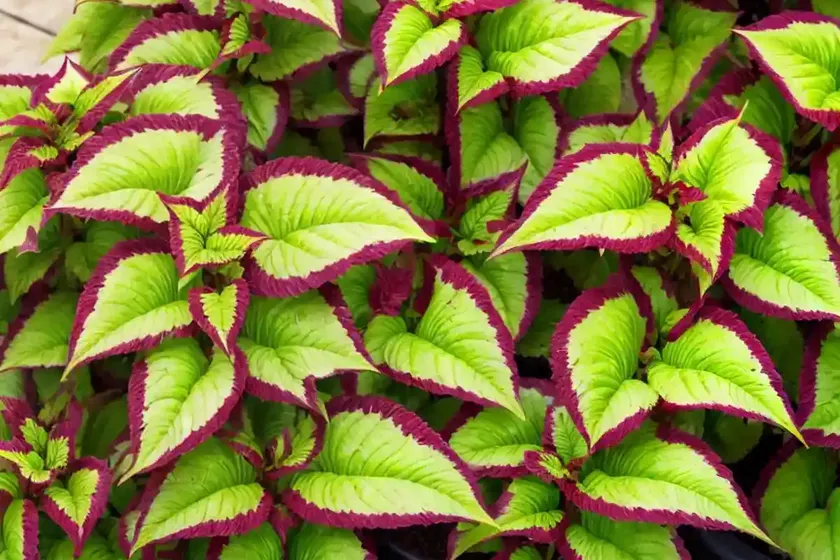
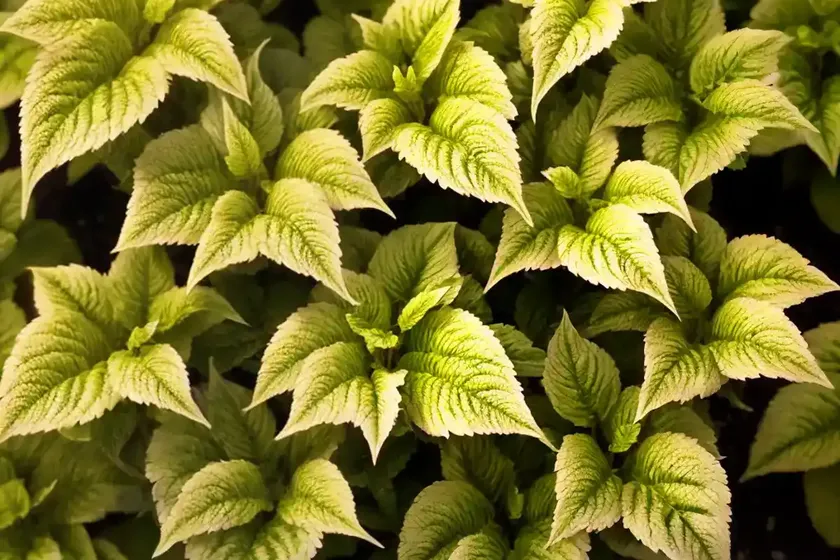
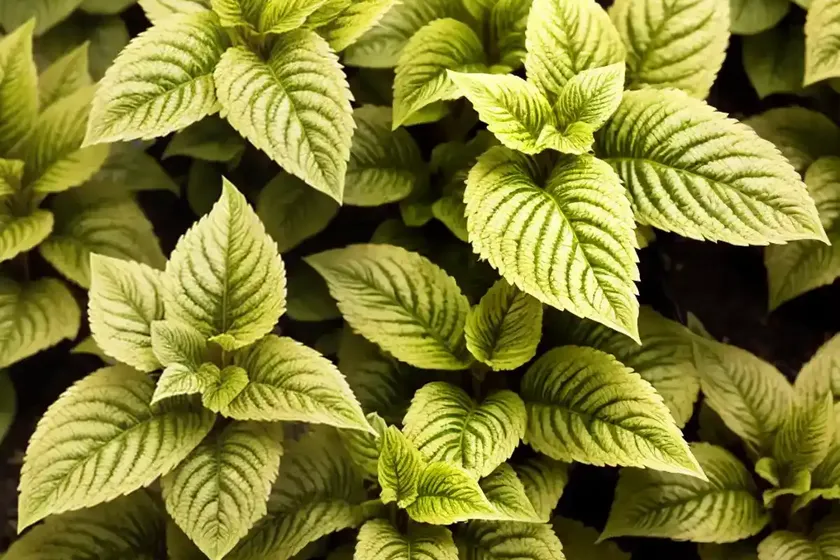
Solenostemon Henna, commonly known as Coleus, is a diverse and vibrant genus of plants that belong to the Lamiaceae family. These plants are cherished for their attractive foliage, which comes in a wide range of colors and patterns, making them popular choices for both indoor and outdoor gardens. Among the thousands of varieties, Solenostemon Henna is particularly prized for its unique and striking features.
In this comprehensive guide, we will delve into the various aspects of caring for and utilizing Solenostemon Henna (Coleus). From its cultural requirements to its uses in different settings, we will explore every facet of this captivating plant.
Key Takeaways – Solenostemon Henna (Coleus)
Before delving into the specifics of caring for Solenostemon Henna, it is essential to understand the key takeaways associated with this plant. Here is a quick summary of the topics we will be covering:
-
Culture – The cultural requirements for Solenostemon Henna, including its habitat, seasonality, and natural habitat.
-
Uses – The various applications of Solenostemon Henna, ranging from ornamental value to medicinal properties and wildlife attraction.
-
Water – Understanding the watering needs and requirements of Solenostemon Henna to ensure optimal growth.
-
Sunlight – The sunlight requirements for Solenostemon Henna and the impact of light on its growth and foliage coloration.
-
Fertilizer – How to appropriately fertilize Solenostemon Henna to promote healthy growth and vibrant foliage.
-
Soil – The best soil composition for Solenostemon Henna, focusing on its drainage and nutrient requirements.
-
Pruning – Pruning techniques for Solenostemon Henna to maintain its shape and encourage bushy growth.
-
Propagation – Methods of propagating Solenostemon Henna to expand its population and create new plants.
-
Container – Utilizing containers for growing Solenostemon Henna, including suitable pot sizes and arrangements.
-
Popularity – The widespread appeal of Solenostemon Henna and its prevalence in gardens and landscapes globally.
-
Common Diseases – Identifying and addressing common diseases that affect Solenostemon Henna, safeguarding its health.
-
Common Pests – Managing and controlling pests that commonly infest Solenostemon Henna, ensuring minimal damage to the plant.
-
Botanist’s Tips – Expert tips and tricks for caring for Solenostemon Henna, based on botanical insights and principles.
-
Fun Facts – Interesting and lesser-known facts about Solenostemon Henna, adding depth to our understanding of this fascinating plant.
-
Links to External Resources – Curated links to valuable external resources providing further information on Solenostemon Henna.
Culture
Understanding the cultural requirements of Solenostemon Henna is crucial for creating an environment that fosters its optimal growth and well-being. From its seasonal preferences to its native habitat, here’s a comprehensive overview of its cultural needs.
Solenostemon Henna (Coleus) Seasonality
Solenostemon Henna is a plant that thrives in warm and mild climates, displaying its most vibrant foliage during the summer and fall seasons. While it is sensitive to cold temperatures and frost, it can be grown as an annual in cooler regions or as a perennial in warmer climates. Paying attention to its seasonality is key to nurturing healthy and colorful growth.
Natural Habitat
The natural habitat of Solenostemon Henna encompasses tropical and subtropical regions, where it flourishes in the warm and humid environments characteristic of these areas. Within its natural habitat, it showcases its full potential, displaying a rich array of colors and patterns in its foliage. Replicating elements of its natural habitat in cultivation can greatly benefit the plant’s health and appearance.
Habitat Preferences
When grown in cultivation, Solenostemon Henna thrives in environments that mimic its natural habitat. This includes providing ample warmth, humidity, and protection from harsh elements such as strong winds and excessive heat. Additionally, providing partial shade can replicate the filtered light conditions it enjoys in its native habitat.
Uses
The uses of Solenostemon Henna extend beyond its ornamental value, encompassing a range of applications in different settings. From its medicinal properties to its role in attracting wildlife, here’s a comprehensive look at the diverse uses of this versatile plant.
Ornamental Value
One of the primary uses of Solenostemon Henna is its ornamental value. With its vivid and variegated foliage, it serves as a striking addition to both indoor and outdoor gardens, adding a vibrant splash of color and texture. Its ornamental value makes it a favored choice for landscaping and decorative plant arrangements.
Medicinal Properties
While primarily grown for its aesthetic appeal, Solenostemon Henna possesses certain medicinal properties that have been traditionally utilized in herbal medicine. Its leaves contain compounds that are believed to have anti-inflammatory and antioxidant properties, making it a valuable component in traditional remedies.
Wildlife Attraction
Solenostemon Henna also plays a role in attracting wildlife, particularly pollinators such as butterflies and bees. Its nectar-rich flowers and lush foliage provide an attractive environment for these beneficial insects, contributing to the overall biodiversity of the surrounding area.
Indoor Cultivation
In addition to its outdoor uses, Solenostemon Henna is a popular choice for indoor cultivation. Its low maintenance requirements and striking appearance make it an ideal houseplant, adding a touch of natural beauty to interior spaces.
Water
Optimal watering is crucial for the health and vitality of Solenostemon Henna. Understanding its water requirements and implementing appropriate watering practices are essential for promoting robust growth and vibrant foliage.
Watering Needs
Solenostemon Henna thrives in evenly moist soil, requiring regular watering to maintain adequate moisture levels. While it is important to prevent the soil from becoming waterlogged, allowing it to dry out excessively between waterings can lead to stress and diminished growth.
Watering Frequency
The frequency of watering for Solenostemon Henna varies depending on factors such as environmental conditions, pot size, and soil composition. In general, it is advisable to water the plant when the top inch of the soil feels dry to the touch, ensuring that the roots have access to sufficient moisture.
Watering Methods
When watering Solenostemon Henna, it is beneficial to water at the base of the plant, directing the water towards the root zone to ensure efficient absorption. Avoiding overhead watering can help prevent issues such as leaf spot diseases and fungal infections.
Sunlight
Sunlight plays a pivotal role in the growth and development of Solenostemon Henna, influencing not only its overall vigor but also the coloration and patterning of its foliage. Understanding its sunlight requirements is essential for optimizing its growth and appearance.
Sunlight Requirements
Solenostemon Henna thrives in bright, indirect light, making it well-suited for environments with dappled sunlight or partial shade. While it benefits from ample light exposure, it is important to protect it from intense, direct sunlight, which can scorch its delicate leaves.
Foliage Coloration
The amount of sunlight Solenostemon Henna receives directly impacts the coloration and vibrancy of its foliage. Exposure to adequate light results in intense and vivid colors, while insufficient light can cause the plant’s leaves to become dull and less striking.
Light Intensity
In regions with intense sunlight, providing filtered light or partial shade can shield Solenostemon Henna from the harsh effects of direct sunlight. This helps maintain the health and visual appeal of its foliage, ensuring that it retains its vibrant colors and patterns.
Fertilizer
Applying the appropriate fertilization regimen is crucial for supporting the growth and vibrancy of Solenostemon Henna. Understanding its nutrient requirements and the best practices for fertilization contributes to the overall health and appearance of the plant.
Nutrient Needs
Solenostemon Henna benefits from regular feeding with balanced, water-soluble fertilizers during the growing season. These fertilizers should contain essential macro and micronutrients, providing the plant with the elements necessary for robust growth and vibrant foliage.
Fertilization Frequency
During the active growing period, it is advisable to fertilize Solenostemon Henna every 6 to 8 weeks, ensuring a steady supply of nutrients to support its growth and development. Adjusting the frequency based on the specific fertilizer used and the plant’s response is essential for achieving optimal results.
Application Technique
When applying fertilizer to Solenostemon Henna, it is important to follow the manufacturer’s instructions regarding dilution and application rates. Fertilizers should be applied to moist soil to prevent root burn and ensure efficient uptake of nutrients by the plant.
Soil
The soil composition and quality significantly impact the growth and well-being of Solenostemon Henna. Providing the appropriate soil conditions, including good drainage and adequate nutrients, is crucial for fostering healthy and vigorous growth.
Drainage
Well-draining soil is essential for Solenostemon Henna, preventing waterlogged conditions that can lead to root rot and other moisture-related issues. Incorporating organic matter such as compost or peat moss can improve soil structure and drainage capacity.
Nutrient Content
The soil should be rich in organic matter and nutrients, providing a fertile growing medium for Solenostemon Henna. This enables the plant to access the essential elements required for robust growth and the development of vibrant foliage.
pH Level
Solenostemon Henna thrives in slightly acidic to neutral soil with a pH range of 6.0 to 7.0. Monitoring and adjusting the soil pH as needed ensures that the plant can effectively absorb nutrients and prevents issues associated with pH imbalance.
Pruning
Pruning is an important aspect of Solenostemon Henna care, allowing for the maintenance of its shape, the promotion of bushy growth, and the removal of any damaged or diseased foliage. Understanding the proper pruning techniques is essential for nurturing healthy and attractive plants.
Pruning Frequency
Regular pruning of Solenostemon Henna can be performed as needed to manage its size and shape, encourage lateral branching, and control its overall appearance. It is particularly beneficial to remove any leggy or overgrown stems to maintain a compact and bushy growth habit.
Pruning Method
When pruning Solenostemon Henna, it is advisable to use clean, sharp pruners to make precise cuts that minimize damage to the plant. Cutting just above a leaf node or pair of leaves encourages new growth and rejuvenates the plant’s appearance.
Removal of Flowers
Removing spent flowers from Solenostemon Henna prevents seed formation and encourages the plant to focus its energy on producing new foliage, promoting continuous growth and maintaining its ornamental value.
Propagation
Propagating Solenostemon Henna allows for the expansion of its population and the generation of new plants for both personal enjoyment and sharing with others. Understanding the different propagation methods and techniques is key to successfully propagating this captivating plant.
Propagation Methods
Solenostemon Henna can be propagated through various methods, including stem cuttings, division, and seed propagation. Each technique offers unique advantages and is suited to different circumstances and preferences.
Stem Cuttings
- Preparation: Select a healthy stem and cut a 3- to 4-inch segment just below a leaf node. Remove the lower leaves to expose the nodes.
- Rooting: Place the cuttings in a moist, well-draining rooting medium and keep them warm and humid to encourage root development.
- Transplanting: Once roots have formed, transplant the cuttings into individual pots or the desired growing area.
Division
- Preparation: Carefully remove the plant from its pot or growing area and divide the root mass into sections, ensuring that each section has healthy roots and foliage.
- Transplanting: Plant the divided sections into separate containers or the desired location, providing appropriate care to support their establishment and growth.
Seed Propagation
- Preparation: Collect mature seeds from the plant and sow them in a well-prepared seed-starting mix, covering them lightly and keeping the soil consistently moist.
- Germination: Place the seed trays in a warm and bright location, providing the necessary moisture and warmth for successful germination.
- Transplanting: Once the seedlings have developed, transplant them into individual pots or the designated growing area, providing suitable growing conditions to support their growth.
Container
Growing Solenostemon Henna in containers offers versatility and flexibility, allowing for the creation of captivating displays in various settings. Understanding the considerations for container gardening and the best practices for growing Solenostemon Henna in pots is essential for achieving successful results.
Pot Size
Selecting the appropriate pot size for Solenostemon Henna is crucial for providing adequate space for root development and accommodating the plant’s growth habit. A pot with a diameter of at least 8 to 10 inches is recommended for individual plants, allowing for proper root expansion.
Container Arrangements
When growing Solenostemon Henna in containers, consider incorporating it into mixed plant arrangements or combination plantings to create visually appealing displays. Pairing it with complementary plants that share similar cultural requirements can enhance the overall aesthetic impact.
Soil Mix
Choosing a well-draining potting mix that is rich in organic matter provides an ideal growing medium for Solenostemon Henna in containers. The soil mix should effectively retain moisture while allowing excess water to drain freely, promoting healthy root development.
Popularity
Solenostemon Henna, with its captivating foliage and versatile applications, has gained widespread popularity among gardeners, horticulturists, and plant enthusiasts globally. Its appeal extends beyond its aesthetic attributes, encompassing its low maintenance requirements and adaptability to diverse growing conditions.
Garden Landscapes
- Borders and Edging: Solenostemon Henna is frequently used as a border plant or for edging garden beds, adding a splash of color and texture to the landscape.
- Mixed Plantings: Incorporating Solenostemon Henna into mixed plantings and combination arrangements creates visually dynamic landscapes, allowing for creative expression and design flexibility.
Container Gardens
- Patio Displays: Solenostemon Henna is a popular choice for patio and balcony gardens, where its vibrant foliage brings life and visual interest to outdoor living spaces.
- Porch Decor: Placing containers of Solenostemon Henna near entryways and on porch settings adds a welcoming and decorative touch to the exterior of homes.
Indoor Environments
- Houseplant Appeal: The ease of care and striking appearance of Solenostemon Henna make it an attractive choice for indoor cultivation, adding a touch of nature and color to interior spaces.
Common Diseases
While generally resilient, Solenostemon Henna is susceptible to certain diseases that can impact its health and appearance. Understanding the common diseases that affect this plant and implementing preventative measures is essential for maintaining its vitality.
Disease Diagnosis
- Leaf Spot: The appearance of dark, water-soaked spots on the leaves indicates the presence of leaf spot diseases, which are often caused by fungal pathogens.
- Powdery Mildew: A powdery, white fungal growth on the leaves and stems is indicative of powdery mildew, a common issue in humid environments.
- Root Rot: Yellowing or wilting foliage, coupled with a foul odor and soft, mushy roots, suggests the onset of root rot, typically caused by overwatering and poorly drained soil.
Disease Management
- Preventative Measures: Implementing proper cultural practices, including ensuring good air circulation, maintaining appropriate watering practices, and providing adequate spacing between plants, can help prevent the onset of diseases.
- Fungal Control: Applying organic fungicides or neem oil can help manage fungal diseases such as powdery mildew and leaf spot, reducing their impact on the plant’s health.
Common Pests
Pests can pose a threat to the health and appearance of Solenostemon Henna, requiring vigilant monitoring and management to minimize their impact. Familiarizing oneself with the common pests and their control methods is essential for preserving the plant’s well-being.
Pest Identification
- Aphids: These small, soft-bodied insects cluster on the undersides of leaves, sucking sap and causing leaf distortion and yellowing.
- Spider Mites: Fine webbing and stippling on the foliage are indicative of spider mite infestations, which can weaken the plant and affect its overall vigor.
- Whiteflies: A cloud of tiny, white insects when the plant is disturbed indicates the presence of whiteflies, which feed on the plant’s sap and excrete honeydew, leading to sooty mold formation.
Pest Control
- Natural Predators: Encouraging the presence of beneficial insects such as ladybugs and lacewings can help control populations of aphids, whiteflies, and other soft-bodied pests.
- Horticultural Oils: Applying horticultural oils or insecticidal soaps can effectively manage pest infestations, suffocating the pests while minimizing impact on beneficial insects.
Botanist’s Tips
Drawing upon botanical insights and expertise, here are some valuable tips for caring for Solenostemon Henna and cultivating vibrant and healthy plants.
Temperature Considerations
- Optimal Range: Maintaining temperatures between 65°F to 75°F (18°C to 24°C) provides the ideal conditions for the growth and development of Solenostemon Henna, promoting its vigor and coloration.
Humidity Management
- Humid Environments: In regions with low humidity, employing methods such as misting or using a humidifier can create a more conducive environment for Solenostemon Henna, preventing issues related to dry air.
Seasonal Adjustments
- Winter Care: During the winter months, providing protection from cold drafts and reducing watering frequency can help Solenostemon Henna navigate the lower light and cooler conditions.
Propagation Success
- Propagation Timing: Taking stem cuttings from actively growing plants in the spring or early summer enhances the success rate of propagation, leveraging the plant’s natural growth patterns.
Fun Facts
Exploring the lesser-known and intriguing aspects of Solenostemon Henna adds depth to our appreciation of this captivating plant. Here are some fun and fascinating facts about Solenostemon Henna:
- Leaf Patterns: The leaves of Solenostemon Henna display an incredible diversity of patterns, ranging from intricate lacy designs to bold and striking motifs, adding visual interest to the plant.
- Seasonal Changes: The coloration and patterning of Solenostemon Henna foliage can change in response to environmental conditions, showcasing an ever-changing display of colors throughout the seasons.
Links to External Resources
For further information and in-depth exploration of Solenostemon Henna (Coleus), the following external resources are valuable references:
- American Society for the Prevention of Cruelty to Plants (ASPCC) – Plant Care Guides
- Royal Horticultural Society (RHS) – Solenostemon Care
- [University of Florida – Gardening Solutions – Coleus](https://gardeningsolutions.ifas.ufl.edu/plants/


