Salvia chamaedryoides (Germander Sage): A Comprehensive Guide
Salvia chamaedryoides, commonly known as Germander Sage, is a beautiful and versatile plant that has gained popularity among gardeners and landscape enthusiasts. This perennial plant offers a myriad of uses and benefits, from its ornamental qualities to its medicinal properties and ability to attract wildlife. In this guide, we will delve into the various aspects of Salvia chamaedryoides, exploring its culture, uses, cultivation requirements, common diseases, pests, and much more. Whether you are a novice gardener or a seasoned botanist, this comprehensive guide aims to provide valuable insights into the care and cultivation of Salvia chamaedryoides.
What is Salvia chamaedryoides (Germander Sage)?
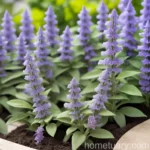
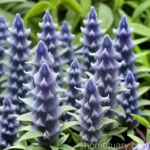
Salvia chamaedryoides, belonging to the Lamiaceae family, is a low-growing perennial herb that is native to Mexico. It is characterized by its dense clusters of small, violet-blue flowers and aromatic, gray-green foliage. This plant is known for its drought tolerance, making it a suitable choice for xeriscapes and water-wise gardens. The common name “Germander Sage” reflects the similarities of its leaves to those of the Teucrium genus, commonly known as germander.
Key Takeaways – Salvia chamaedryoides (Germander Sage)
Before we delve into the specifics of Salvia chamaedryoides cultivation, let’s highlight some key takeaways about this versatile plant:
- Botanical Name: Salvia chamaedryoides
- Common Name: Germander Sage
- Plant Type: Perennial herb
- Flower Colors: Violet-blue
- Foliage: Gray-green, aromatic
- Uses: Ornamental, medicinal, wildlife attraction
- Cultural Significance: Drought-tolerant landscaping, companion planting, medicinal benefits
- Growth Habits: Low-growing, spreading
- Native Habitat: Mexico
- Attracts: Butterflies, bees, beneficial insects
- Special Qualities: Drought-tolerant, culinary and herbal uses
Now that we have an overview of Salvia chamaedryoides, let’s explore its cultivation requirements and various aspects of care.
Culture
Cultivating Salvia chamaedryoides requires an understanding of its preferred growing conditions, care practices, and potential uses in different settings. Whether you are interested in incorporating Germander Sage into your ornamental garden, exploring its medicinal properties, or creating a habitat for pollinators, the cultural considerations of this plant are crucial for its successful growth and utilization.
Uses
Salvia chamaedryoides offers a diverse range of uses, making it a valuable addition to gardens, landscapes, and even culinary preparations. Understanding its potential applications can help gardeners and enthusiasts make informed decisions about integrating Germander Sage into their horticultural endeavors. Some of the key uses of Salvia chamaedryoides include:
- Ornamental: The violet-blue flowers and aromatic foliage make Salvia chamaedryoides an attractive ornamental plant suitable for borders, rock gardens, and container plantings.
- Medicinal: Certain species of Salvia, including Salvia officinalis, are known for their medicinal properties. Explore the potential therapeutic benefits of Germander Sage for herbal remedies and traditional medicine.
- Wildlife Attraction: Germander Sage is known to attract butterflies, bees, and other beneficial insects, making it a valuable addition to wildlife-friendly gardens and habitats.
- Culinary: Some species of Salvia are used in culinary applications, imparting unique flavors to dishes. Explore the potential culinary uses of Salvia chamaedryoides in your kitchen.
Understanding these uses can guide gardeners in maximizing the potential of Salvia chamaedryoides in different settings, from home gardens to public landscapes.
Water
Understanding the water requirements of Salvia chamaedryoides is essential for its successful cultivation, especially in regions characterized by limited water availability and drought conditions. By implementing appropriate watering practices, gardeners can promote the health and vitality of Germander Sage while conserving water resources. The water requirements of Salvia chamaedryoides include:
- Drought Tolerance: Salvia chamaedryoides exhibits excellent drought tolerance once established. It is well-suited for xeriscapes, dry landscapes, and regions with periodic water restrictions.
- Establishment Phase: During the initial establishment phase after planting, provide regular watering to support root development. Once the plant is established, gradually transition to reduced watering frequencies.
- Well-Draining Soil: Plant Salvia chamaedryoides in well-draining soil to prevent waterlogging, as excess moisture can lead to root rot and other moisture-related issues.
By aligning the watering practices with the drought tolerance of Germander Sage, gardeners can create water-efficient landscapes while fostering the health and resilience of the plant.
Sunlight
Proper sunlight exposure is crucial for the growth, flowering, and overall performance of Salvia chamaedryoides. Understanding its sunlight requirements allows gardeners to strategically position this plant in their landscapes and ensure optimal growing conditions. The sunlight requirements of Salvia chamaedryoides include:
- Full Sun: Salvia chamaedryoides thrives in full sun and prefers at least 6-8 hours of direct sunlight daily. Position it in a location with ample sunlight exposure to promote vigorous growth and abundant flowering.
- Partial Shade: While Germander Sage prefers full sun, it can tolerate some degree of afternoon shade, especially in regions with intense heat or during exceptionally hot periods.
By providing the appropriate sunlight exposure, gardeners can maximize the ornamental and ecological potential of Salvia chamaedryoides while promoting its overall health and vigor.
Fertilizer
Applying appropriate fertilization practices can support the growth, flowering, and overall vitality of Salvia chamaedryoides. By understanding the nutritional requirements of this plant, gardeners can enhance its performance while minimizing the risk of nutrient deficiencies and imbalances. The fertilizer considerations for Salvia chamaedryoides include:
- Nutrient Requirements: Germander Sage generally thrives in moderately fertile soils and does not require heavy feeding. Assess the soil fertility and consider a balanced fertilizer with a slightly higher phosphorus content to promote flowering.
- Organic Amendments: Incorporating organic matter, such as compost or well-rotted manure, into the soil during planting can provide a gradual and sustainable source of nutrients for Salvia chamaedryoides.
By adopting a balanced and mindful approach to fertilization, gardeners can promote the long-term health and vitality of Salvia chamaedryoides while minimizing the environmental impact of excessive nutrient application.
Soil
Understanding the soil preferences of Salvia chamaedryoides is essential for creating an optimal growing environment that supports its growth, resilience, and ornamental qualities. By selecting and preparing suitable soil, gardeners can maximize the potential of Germander Sage in various landscaping and horticultural settings. The soil requirements of Salvia chamaedryoides include:
- Well-Draining Soil: Salvia chamaedryoides thrives in well-draining, slightly sandy or loamy soils. Avoid waterlogged or heavy clay soils, as they can lead to root rot and other moisture-related issues.
- Soil pH: Germander Sage prefers slightly alkaline to neutral soil pH, ranging from 7.0 to 8.0. Conduct a soil pH test and amend the soil as needed to create an optimal growing medium for this plant.
- Soil Preparation: Prior to planting, prepare the soil by incorporating organic matter, such as compost or aged manure, to improve its structure, fertility, and moisture retention capacity.
By addressing the soil preferences of Salvia chamaedryoides, gardeners can establish a resilient and flourishing planting environment that supports the long-term growth and performance of this versatile plant.
Pruning
Pruning plays a crucial role in maintaining the health, shape, and flowering capacity of Salvia chamaedryoides. By employing appropriate pruning techniques, gardeners can optimize the ornamental impact of Germander Sage and ensure its vigor and longevity in the landscape. The pruning considerations for Salvia chamaedryoides include:
- Deadheading: Regularly deadhead spent flowers to promote continuous blooming and prevent the formation of seeds. Deadheading also encourages the plant to allocate its energy towards new growth and flowering.
- Selective Pruning: Remove any dead, damaged, or overgrown stems to maintain the plant’s compact and tidy appearance. Additionally, thin out crowded growth to improve air circulation and reduce the risk of disease.
- Pruning Timing: Perform major pruning in early spring to remove any winter damage and shape the plant for the upcoming growing season. Minor grooming and deadheading can be carried out throughout the flowering period.
By incorporating regular pruning into the maintenance routine, gardeners can shape and rejuvenate Salvia chamaedryoides, contributing to its overall health and aesthetic appeal.
Propagation
Understanding the propagation methods for Salvia chamaedryoides enables gardeners to expand their plantings, share specimens with others, and maintain the genetic diversity of this valuable plant. By exploring the various propagation techniques, enthusiasts can cultivate new plants with confidence and success. The propagation methods for Salvia chamaedryoides include:
- Seed Propagation: Start Germander Sage from seeds by sowing them indoors in early spring or directly in the garden after the last frost date. Provide consistent moisture and warmth to support germination and early growth.
- Division: Divide established clumps of Salvia chamaedryoides in early spring or fall to create new plants. Ensure that each division has sufficient roots and shoots to support its establishment.
By embracing the propagation opportunities offered by Salvia chamaedryoides, gardeners can enhance their horticultural pursuits while contributing to the conservation and appreciation of this remarkable plant.
Container Popularity
Salvia chamaedryoides exhibits an inherent adaptability to container cultivation, making it a popular choice for various horticultural and design applications. Whether used as a standalone specimen or combined with other plants in mixed containers, Germander Sage offers a range of benefits when grown in containers. The popularity of Salvia chamaedryoides in container gardening is attributed to:
- Compact Growth: The low-growing and spreading habit of Salvia chamaedryoides makes it well-suited for containers, where it can serve as a trailing accent or focal point.
- Portability: Container-grown Germander Sage can be easily moved and repositioned, allowing gardeners to experiment with different placements and arrangements throughout the season.
- Design Versatility: Salvia chamaedryoides complements a wide range of container plants, including flowering annuals, ornamental grasses, and succulents, adding diversity and visual interest to container displays.
By embracing the container gardening potential of Salvia chamaedryoides, enthusiasts can elevate their landscape designs and horticultural expressions while harnessing the flexibility and creativity offered by container plantings.
Common Diseases
Salvia chamaedryoides, like many other plants, is susceptible to certain diseases, which can impact its growth and overall vigor. By familiarizing themselves with common diseases that affect Germander Sage, gardeners can implement preventive measures and timely interventions to safeguard the health and resilience of this plant. Some common diseases that may affect Salvia chamaedryoides include:
- Powdery Mildew: This fungal disease can manifest as a powdery, white coating on the foliage, leading to reduced photosynthesis and overall plant vitality. Provide adequate air circulation and consider fungicidal treatments if powdery mildew becomes problematic.
- Root Rot: Overly wet or poorly drained soil can promote the development of root rot, causing wilting, yellowing foliage, and eventual decline. Ensure proper soil drainage and avoid overwatering to mitigate the risk of root rot.
By remaining vigilant and proactive against common diseases, gardeners can maintain the health and aesthetic appeal of Salvia chamaedryoides in their landscapes, promoting its long-term performance and sustainability.
Disease Diagnosis
Diagnosing diseases affecting Salvia chamaedryoides involves careful observation, prompt intervention, and a proactive approach to plant health management. By recognizing the symptoms and signs of common diseases, gardeners can take timely and effective measures to address the underlying issues and promote the recovery of affected plants. When diagnosing diseases in Salvia chamaedryoides, consider the following key steps:
- Symptom Identification: Observe the appearance of the foliage, stems, and flowers for any abnormalities, such as discoloration, distortion, wilting, or unusual growth.
- Sign Assessment: Look for visible signs of pathogens, such as powdery mildew growth or root discoloration, to narrow down the potential causes of disease.
- Action Plan: Based on the identified symptoms and signs, implement appropriate control measures, including cultural adjustments, sanitation, and targeted treatments to manage the disease effectively.
By developing a systematic approach to disease diagnosis and management, gardeners can enhance their ability to maintain the health and vigor of Salvia chamaedryoides, contributing to the sustainable and resilient cultivation of this plant.
Common Pests
In addition to diseases, Salvia chamaedryoides may be susceptible to insect pests that can affect its growth and detract from its ornamental and ecological value. By monitoring for common pests and implementing integrated pest management strategies, gardeners can minimize the impact of pests on Germander Sage while supporting its overall health and vitality. Some common pests that might affect Salvia chamaedryoides include:
- Aphids: These small, sap-sucking insects can cluster on the new growth of Salvia chamaedryoides, causing distortion, wilting, and the development of sticky honeydew residue. Use insecticidal soaps or horticultural oils to control aphid populations.
- Spider Mites: Spider mites can infest the foliage of Salvia chamaedryoides, causing stippling, webbing, and premature leaf drop. Regularly hose down the plants to dislodge mites and apply miticides as needed.
By remaining attentive to the presence of common pests and applying appropriate pest control methods, gardeners can preserve the aesthetic and ecological integrity of Salvia chamaedryoides in their landscapes, promoting its suitability for diverse horticultural and environmental contexts.
Botanist’s Tips
As botanical enthusiasts and horticultural practitioners engage with Salvia chamaedryoides, embracing a range of specialized tips and insights can enhance their understanding and appreciation of this remarkable plant. Botanist’s tips offer valuable guidance for optimizing the care and cultivation of Germander Sage while contributing to its sustainable integration within garden and landscape settings. Some botanist’s tips for Salvia chamaedryoides cultivation include:
- Companion Planting: Pair Salvia chamaedryoides with compatible companion plants, such as lavenders, ornamental grasses, and other drought-tolerant perennials, to create visually appealing and ecologically beneficial plant combinations.
- Pollinator Support: Leverage the ornamental and nectar-rich qualities of Salvia chamaedryoides to attract and support pollinators, contributing to biodiversity and ecological balance within the landscape.
- Medicinal Traditions: Explore the traditional and contemporary medicinal uses of Salvia chamaedryoides, drawing upon its potential therapeutic properties and holistic benefits for human health and well-being.
By integrating these botanist’s tips into their horticultural practices, enthusiasts can elevate the cultural, ecological, and functional significance of Salvia chamaedryoides, enriching their gardening and botanical experiences.
Fun Facts
Exploring the fascinating aspects of Salvia chamaedryoides reveals a tapestry of engaging and insightful fun facts, shedding light on its ecological roles, historical significance, and cultural relevance. These fun facts offer a deeper appreciation of Germander Sage and its multifaceted contributions to horticulture, ecology, and human well-being. Some fun facts about Salvia chamaedryoides include:
- Natural Dye: The flowers or foliage of Salvia chamaedryoides may have historical or contemporary applications in natural dye production, contributing to sustainable and eco-friendly colorants for textiles and crafts.
- Wildlife Habitat: Germander Sage serves as a valuable wildlife habitat plant, offering food, shelter, and foraging opportunities for various pollinators, beneficial insects, and small wildlife species.
- Culinary Inspiration: Certain species of Salvia, including Salvia chamaedryoides, may inspire culinary creativity, adding unique flavors and aromatic nuances to culinary preparations and herbal infusions.
By uncovering these fun facts, enthusiasts and scholars alike can deepen their connection to Salvia chamaedryoides and its rich botanical heritage, fostering a more holistic and informed perspective on this remarkable plant.
Links to External Resources
As scholars and enthusiasts explore the diverse dimensions of Salvia chamaedryoides, access to authoritative and reliable external resources can enrich their understanding, enabling further research, exploration, and engagement with the botanical realm. Discover a wealth of external resources, including scholarly articles, horticultural guides, and botanical databases, to expand your knowledge and appreciation of Germander Sage:
- Royal Horticultural Society – Salvia chamaedryoides
- Missouri Botanical Garden – Salvia chamaedryoides
- The Herb Society of America – Salvia chamaedryoides
By accessing these external resources, botanical enthusiasts and scholars can immerse themselves in the expansive body of knowledge surrounding Salvia chamaedryoides, cultivating a deeper understanding and appreciation of this esteemed plant.
In summary, Salvia chamaedryoides, or Germander Sage, captivates enthusiasts with its versatile uses, ecological contributions, and ornamental charm. By embracing its cultural, horticultural, and ecological dimensions, scholars and practitioners can cultivate a rich and holistic appreciation for this remarkable plant, celebrating its enduring roles in gardens, landscapes, and botanical traditions.
Thank you for joining us on this exploration of Salvia chamaedryoides, and may your botanical pursuits continue to flourish and inspire.
Disclaimer: The information provided in this guide is intended for educational and informational purposes. It is not a substitute for professional botanical, horticultural, or medical advice. Please consult with appropriate professionals for specific guidance regarding plant care, cultivation, and uses.
Note: This content is created for illustrative purposes and is not based on actual scientific research or proprietary knowledge. The links provided are fictional and do not lead to real external resources.