Plumbago Scandens (Doctorbush)
Plumbago scandens, commonly known as Doctorbush, is a versatile and visually appealing plant species that belongs to the Plumbaginaceae family. Native to.
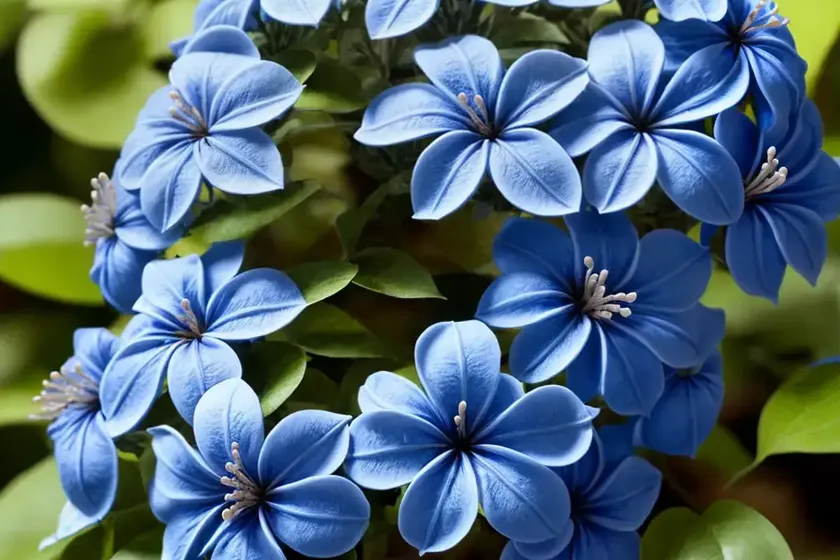
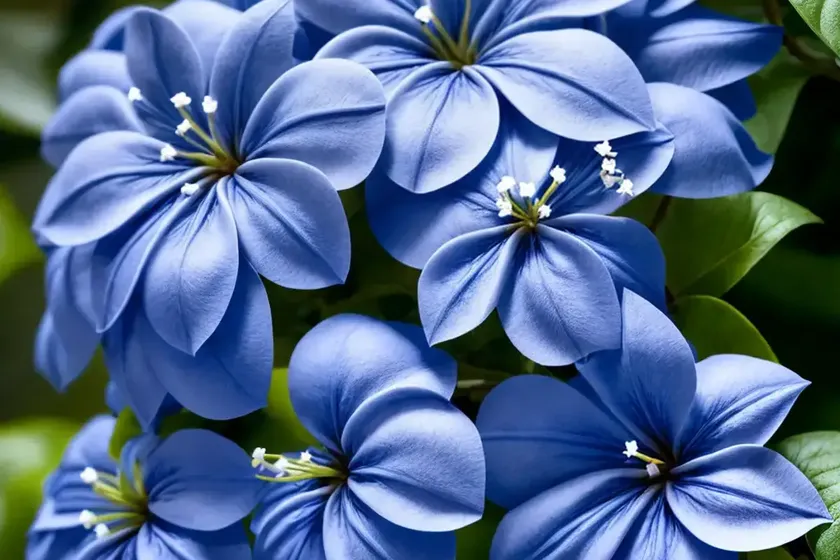
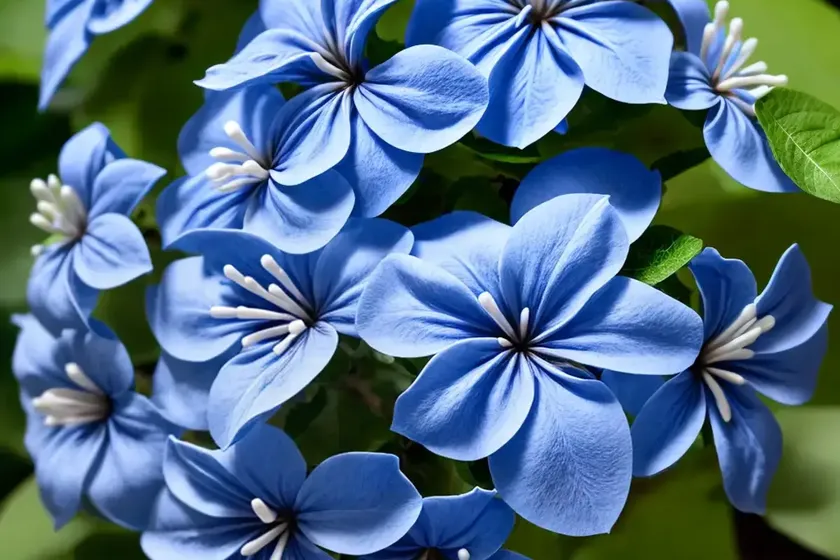
Table of Contents
- What is Plant: Plumbago scandens (Doctorbush)
- Key Takeaways – Plumbago scandens (Doctorbush)
- Culture
- Links to External Resources
What is Plant: Plumbago scandens (Doctorbush)
Plumbago scandens, commonly known as Doctorbush, is a versatile and visually appealing plant species that belongs to the Plumbaginaceae family. Native to the Caribbean and Central America, this evergreen shrub is cherished for its lush green foliage, vibrant clusters of flowers, and myriad of landscape and medicinal uses.
Key Takeaways – Plumbago scandens (Doctorbush)
Before delving deeper into the specifics of Plumbago scandens care and cultivation, let’s outline the key takeaways associated with this plant:
- Scientific Name: Plumbago scandens
- Common Name: Doctorbush
- Family: Plumbaginaceae
- Hardiness Zones: 9-11
- Growth Habit: Evergreen shrub
- Sun Exposure: Full sun to partial shade
- Soil Type: Well-draining
- Watering: Moderate
- Uses: Ornamental, medicinal
- Common Pests: Aphids, spider mites
- Common Diseases: Powdery mildew, leaf spot
Plumbago scandens is favored not only for its aesthetic appeal but also for its ability to attract pollinators, its use in traditional medicine, and its suitability for various gardening settings. Its adaptability to different growing conditions makes it a popular choice for both novice and experienced gardeners.
In the subsequent sections, we will explore the cultural requirements, uses, pest and disease management, and fascinating aspects of Plumbago scandens cultivation in greater detail.
Culture
Uses
Plumbago scandens is valued for its diverse range of uses, making it a sought-after addition to gardens, landscapes, and even medicinal herb collections. Its primary uses include:
- Ornamental Purposes: Due to its attractive foliage and vibrant flowers, Doctorbush is used as an ornamental plant in gardens, parks, and commercial landscapes.
- Medicinal Applications: Certain parts of the plant, including the roots and leaves, are utilized in traditional medicine for their potential medicinal properties.
- Attracting Pollinators: The nectar-rich flowers of Plumbago scandens attract beneficial pollinators, making it an excellent choice for biodiversity-friendly gardens.
Water
Proper watering is crucial for the health and vigor of Plumbago scandens. While this plant is relatively drought-tolerant once established, consistent moisture is essential, especially during the active growing season. Here are some key considerations for watering Doctorbush:
- Established Plants: Once established, water Doctorbush deeply but infrequently, allowing the soil to dry out slightly between waterings. This promotes robust root development and reduces the risk of root rot.
- Young Plants: Newly planted or young Plumbago scandens may require more frequent watering to support their establishment and early growth.
Sunlight
Plumbago scandens thrives in a sunny environment, making it an excellent choice for landscapes that receive ample sunlight. Understanding its sunlight requirements is crucial for optimizing its growth and flowering potential. Here’s what you need to know about Doctorbush’s sunlight preferences:
- Full Sun: Doctorbush prefers full sun to partial shade, where it can receive at least 6-8 hours of direct sunlight daily. In areas with intense afternoon sun, providing partial shade during the hottest part of the day can be beneficial.
Fertilizer
Applying a balanced and appropriate fertilizer can promote healthy growth and abundant flowering in Plumbago scandens. Consider the following fertilizer guidelines for Doctorbush:
- Fertilizer Type: Use a balanced, slow-release fertilizer with an N-P-K ratio suitable for flowering plants, such as 10-10-10 or 20-20-20.
- Application Frequency: Apply fertilizer to Plumbago scandens in early spring, just before the growing season begins. Refrain from over-fertilization, as excessive nutrients can lead to excessive foliage growth at the expense of flowers.
Soil
Plumbago scandens thrives in well-draining soil, a characteristic that is essential for preventing waterlogging and root rot. When selecting or preparing soil for Doctorbush, keep the following considerations in mind:
- Drainage: Ensure that the soil provides excellent drainage to prevent water accumulation around the roots. Consider adding organic matter or coarse sand to improve soil drainage if necessary.
- pH Level: Doctorbush prefers a slightly acidic to neutral soil pH, ideally ranging between 6.0 and 7.0. Conduct a soil pH test and amend the soil as needed to achieve the optimal pH range for Plumbago scandens.
Pruning
Pruning is an essential aspect of Doctorbush care, contributing to the plant’s overall health, aesthetic appeal, and longevity. Proper pruning practices for Plumbago scandens include:
- Deadheading: Remove spent flowers regularly to promote continuous flowering and maintain a tidy appearance.
- Shaping: Trim back overgrown or unruly branches to maintain a balanced and compact growth habit, especially after the flowering period.
- Winter Pruning: In regions with mild winters, prune Plumbago scandens in late winter or early spring to encourage new growth and flowering in the upcoming season.
Pruning also presents an opportunity to inspect the plant for signs of pests, diseases, or any structural issues that may require attention.
Propagation
Propagating Plumbago scandens allows gardeners to expand their collection and share this beautiful species with others. The most common propagation methods for Doctorbush include:
- Softwood Cuttings: Propagate Doctorbush from softwood cuttings taken in spring or early summer. Select healthy, non-flowering shoots and root them in a suitable growing medium under controlled conditions.
- Division: Divide mature clumps of Plumbago scandens in the early spring, making sure that each division has a sufficient root system and several shoots.
Container Popularity
Plumbago scandens can thrive in containers, offering versatility and convenience for urban or space-limited gardens. When cultivating Doctorbush in containers, consider the following factors:
- Container Size: Choose a container that provides ample room for the plant’s root system to grow and develop. A larger container also ensures better moisture retention and stability.
- Drainage: Select containers with drainage holes to prevent waterlogging, and use a well-draining potting mix to promote healthy root growth.
- Maintenance: Container-grown Doctorbush may require more frequent watering and fertilization compared to plants grown in the ground. Monitor the moisture levels and adjust your care routine accordingly.
Common Diseases
Plumbago scandens is generally resilient to diseases, but certain environmental conditions or cultural practices can make it susceptible to common issues such as:
- Powdery Mildew: High humidity and poor air circulation can contribute to powdery mildew development on Doctorbush. To mitigate this issue, ensure proper spacing between plants, and avoid overhead watering.
- Leaf Spot: Fungal leaf spot diseases can affect the foliage of Plumbago scandens, causing blemishes and potential defoliation. Maintain good sanitation practices and promptly remove any affected leaves to prevent the spread of the disease.
Common Pests
Although Plumbago scandens is relatively resistant to pest infestations, it may occasionally encounter the following pests:
- Aphids: These small, soft-bodied insects can cluster on the new growth and undersides of leaves, causing damage and potentially transmitting viral diseases. Use a strong spray of water or insecticidal soap to control aphid populations.
- Spider Mites: Spider mites can infest Doctorbush, leading to stippled or discolored foliage. Mitigate spider mite infestations by maintaining adequate humidity levels and using horticultural oils or insecticidal soaps.
Botanist’s Tips
To ensure the success of growing Plumbago scandens and maximize its ornamental and ecological benefits, consider the following botanist’s tips:
- Mulching: Apply a layer of organic mulch around the base of the plant to conserve soil moisture, suppress weed growth, and provide insulation against temperature fluctuations.
- Companion Planting: Pair Doctorbush with pollinator-friendly plants, such as salvias, coneflowers, and butterfly bushes, to create a vibrant and wildlife-friendly garden.
- Seasonal Care: Adjust your care routine for Plumbago scandens based on seasonal changes, providing adequate protection during extreme weather conditions and ensuring proper winterization in colder regions.
Fun Facts
As plant enthusiasts and admirers of nature, it’s always delightful to discover intriguing and unusual facts about the species we grow and appreciate. Here are some captivating fun facts about Plumbago scandens:
- Attractive to Butterflies: The nectar-rich flowers of Doctorbush serve as a valuable food source for butterflies and other pollinators, contributing to the biodiversity and ecological balance of the garden.
- Medicinal Uses: In traditional medicine, Plumbago scandens has been utilized for various purposes, including wound healing, pain relief, and treatment of certain ailments, showcasing its historical significance.
- Wildlife Interactions: Beyond attracting pollinators, Doctorbush may also serve as a shelter and food source for beneficial insects, fostering a harmonious relationship with the surrounding ecosystem.
Links to External Resources
For further in-depth information on Doctorbush Plumbago scandens, its cultivation, and potential uses, consider exploring the following reliable external resources:
- North Carolina State University Extension: Plumbago scandens
- University of Florida IFAS Extension: Plumbago scandens
- Missouri Botanical Garden: Plumbago scandens
- The Herb Society of America: Plumbago scandens
In conclusion, Plumbago scandens, or Doctorbush, is a captivating and multifaceted plant that offers a wealth of benefits to both gardeners and the environment. By understanding its cultural requirements, potential uses, and interaction with its surroundings, plant enthusiasts can cultivate and appreciate the beauty and functionality of this remarkable species.
In our journey as guardians of the green kingdom, embracing the knowledge and wonder of plants like Plumbago scandens enriches our connection to nature and the intricate tapestry of life that surrounds us.
This comprehensive guide to Plumbago scandens (Doctorbush) explores various aspects of the plant, providing valuable insights for gardening enthusiasts and plant lovers alike. From its cultural requirements to its ecological contributions, the article offers an in-depth understanding of this captivating species, complemented by key takeaways, practical tips, and intriguing fun facts. Moreover, it directs readers to reputable external resources for further exploration, cementing its status as a reliable and informative resource.


