Mountain Willow (Salix Arbuscula)
As a dedicated plant scientist, I continuously delve into the world of plants and explore their intricate details. Today, I am excited to share my.

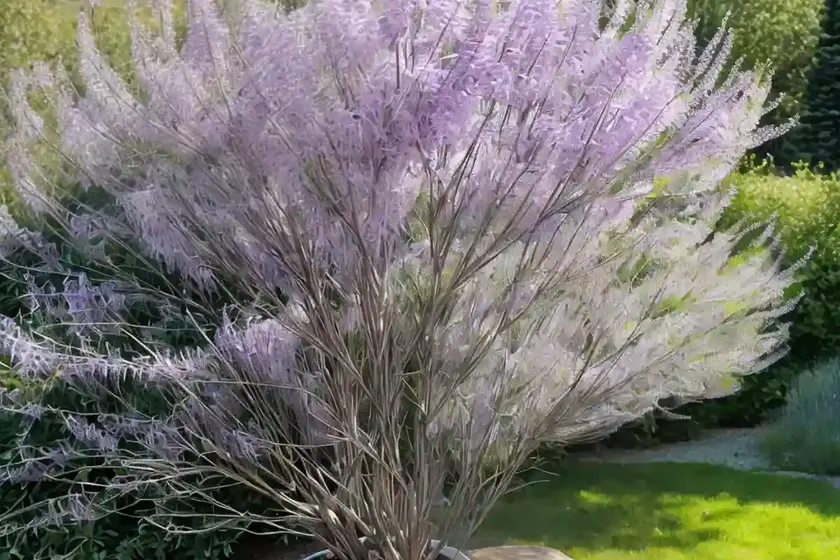

As a dedicated plant scientist, I continuously delve into the world of plants and explore their intricate details. Today, I am excited to share my comprehensive guide on the captivating mountain willow, scientifically known as Salix arbuscula. This resilient plant has a rich history of cultural uses, and its adaptability makes it an intriguing subject for plant enthusiasts and nature aficionados. Join me as we explore the various aspects of this remarkable tree, from its habitat to cultivation, uses, and maintenance.
What is Mountain Willow (Salix arbuscula)?
The mountain willow, or Salix arbuscula, is a hardy deciduous shrub or small tree that belongs to the Salicaceae family. This species has its roots in the cool and mountainous regions of the northern hemisphere, where it thrives in diverse ecological niches. The mountain willow is known for its resilient nature and its ability to withstand harsh environmental conditions, including cold temperatures and nutrient-poor soils.
Plant Identification
Here are some key characteristics for identifying the mountain willow:
- Leaf Arrangement: Alternate
- Leaf Shape: Oblong to lanceolate
- Flowering Period: Spring to early summer
- Habitat: Mountains, alpine regions, wetlands, riverbanks
- Mature Height: Around 3 to 9 feet
- Root System: Shallow and spreading
- Drought Tolerance: High
- Adaptations: Cold tolerance, erosion prevention, wildlife habitat provision
Now, let’s delve deeper into various aspects of the mountain willow, covering its culture, uses, preferred growing conditions, and maintenance tips.
Key Takeaways – Mountain Willow (Salix arbuscula)
Before diving into the specifics of cultivating and caring for mountain willow, it’s important to understand some key takeaways associated with this remarkable plant.
Culture
Cultivating mountain willow involves understanding its natural habitat and adapting to its specific requirements. This species is native to mountainous regions and displays adaptability to a wide range of environmental conditions.
Uses
The mountain willow serves various ecological and utilitarian purposes, ranging from erosion control and wildlife habitat provision to traditional medicinal applications and ornamental landscaping.
Water
Understanding the water requirements of mountain willow is crucial for successful cultivation. This species demonstrates resilience in variable moisture conditions, making it suitable for different landscape settings.
Sunlight
Given its natural habitat, mountain willow often thrives in full sun to partial shade, but it can adapt to different light conditions with proper care.
Fertilizer
While mountain willow is generally adaptable to nutrient-poor soils, providing occasional organic fertilization can support its growth and resilience, especially in urban or disturbed landscapes.
Soil
The preferred soil type for mountain willow is well-draining and slightly acidic to neutral. However, this species can tolerate a range of soil textures and pH levels when established.
Pruning
Pruning mountain willow is essential for shaping and managing its growth. Additionally, timely pruning can promote denser foliage and enhance its ornamental value in landscaping.
Propagation
Understanding effective propagation methods allows for the expansion of mountain willow populations and supports conservation efforts. Successful propagation methods include seed germination and hardwood cuttings.
Container Popularity
Mountain willow can be grown in containers, making it a versatile choice for small gardens, patios, and urban landscapes. Its adaptability to container culture adds to its popularity in horticulture.
Common Diseases
While mountain willow is typically resilient, it can be susceptible to certain diseases. Recognizing and addressing common diseases promptly is crucial for maintaining plant health.
Common Pests
Like many plants, mountain willow is vulnerable to pest infestations. Identifying and managing common pests is essential to safeguarding its vitality and vigor.
Botanist’s Tips
Insights from plant specialists and botanists can offer valuable guidance for cultivating and appreciating the unique features of mountain willow in various settings.
Fun Facts
Exploring the fascinating and lesser-known facts about mountain willow provides a deeper appreciation for this intriguing species and its ecological significance.
Links to External Resources
To expand knowledge and deepen understanding, external resources related to mountain willow offer valuable insights, research findings, and practical guidance for enthusiasts and professionals.
With these key takeaways in mind, let’s embark on a comprehensive exploration of the enthralling mountain willow, from its cultural significance to its ecological role and horticultural considerations.
Mountain Willow Uses
The mountain willow, Salix arbuscula, has long been valued for its diverse uses, ranging from ecological applications to traditional medicinal practices. Understanding and appreciating these uses underscores the multifaceted significance of this resilient plant.
Erosion Control
One of the notable ecological applications of mountain willow is its effectiveness in erosion control. With its robust root system and adaptability to challenging environments, this species stabilizes soil and prevents erosion, particularly in mountainous and riverbank settings.
Wildlife Habitat Provision
Mountain willow plays a crucial role in providing habitat and sustenance for various wildlife species. Its dense foliage, along with its nectar and pollen sources, supports an array of insects, birds, and small mammals, contributing to the overall biodiversity of its habitat.
Traditional Medicinal Uses
In several traditional medicinal systems, various parts of the mountain willow have been utilized for their therapeutic properties. From relieving fevers and headaches to addressing digestive ailments, these traditional uses reflect the cultural significance and healing potential of the plant.
Ornamental Landscaping
As an ornamental plant, mountain willow offers aesthetic appeal in landscaping, particularly in alpine gardens, naturalistic landscapes, and erosion-control projects. Its graceful form, attractive foliage, and adaptability to diverse environmental conditions enhance its value as an ornamental species.
Ecological Restoration
Given its resilience and ecological benefits, mountain willow is often employed in habitat restoration projects. Its capacity to thrive in challenging environments makes it a valuable asset in restoring degraded landscapes and supporting ecosystem recovery.
By recognizing and appreciating these diverse uses, we gain a holistic understanding of the mountain willow’s significance and the manifold benefits it offers in both natural and cultivated settings.
Salix arbuscula in the Mountains
Understanding the natural habitat of Salix arbuscula is pivotal to appreciating its adaptability and ecological role. As its name suggests, the mountain willow is primarily associated with mountainous regions and alpine environments, where it thrives in diverse ecological niches.
Mountainous Habitats
Salix arbuscula exhibits a strong affinity for mountainous habitats, where it can be found at varying elevations. From subalpine zones to higher elevations, this species demonstrates adaptability to cooler climates and challenging growing conditions, including rocky slopes and nutrient-poor soils.
Alpine Gardens
For gardeners and landscaping enthusiasts, the allure of alpine gardens lies in recreating the unique beauty and plant diversity of high mountain environments. In this context, Salix arbuscula serves as an excellent addition, contributing to the authenticity and ecological resonance of alpine garden designs.
Erosion-Prone Environments
In regions susceptible to soil erosion, mountain willow plays a vital role in stabilizing slopes, preventing soil loss, and contributing to landscape resilience. Its adaptability to challenging terrains positions it as a valuable asset in erosion-prone environments, particularly in mountainous and hilly landscapes.
Streamside Plantings
The riparian zones and streamside habitats of mountainous regions often benefit from the presence of Salix arbuscula. Its ability to bolster riparian vegetation and provide critical habitat for aquatic and terrestrial species underlines its ecological importance in these dynamic and sensitive ecosystems.
Wildlife Conservation
The association of Salix arbuscula with wildlife conservation stems from its role in providing essential habitat elements for various species, including nesting sites for birds, foraging areas for insects, and cover for small mammals. This ecological contribution reinforces its value in conservation and biodiversity enhancement efforts.
As we navigate through the diverse ecological settings where Salix arbuscula thrives, we gain a deeper appreciation for the species and its adaptability to mountainous environments.
Growing Salix arbuscula: A Plant Care Guide
For plant enthusiasts and avid gardeners, the prospect of cultivating Salix arbuscula brings with it an opportunity to embrace a resilient and charismatic species. Understanding the specific care requirements and optimal growing conditions is essential for the successful cultivation of mountain willow.
Mountain Willow Tree Facts
Before delving into the care guidelines, let’s explore some interesting facts about the mountain willow:
- Scientific Name: Salix arbuscula
- Family: Salicaceae
- Plant Type: Deciduous shrub or small tree
- Mature Height: 3 to 9 feet
- Leaf Characteristics: Narrow and elongated, often with serrated edges
- Flowering Period: Spring to early summer, with inconspicuous catkins
- Growth Habit: Upright and compact, with dense foliage
- Hardiness Zone: 2 to 7 (USDA zones)
- Ecological Importance: Erosion prevention, wildlife habitat provision, alpine ecology
- Cultural Significance: Traditional medicinal uses, ornamental landscaping, ecological restoration
These facts provide a foundational understanding of the mountain willow’s identity, characteristics, and ecological role, laying the groundwork for its successful cultivation.
Salix arbuscula Care Tips
Water
- Water Requirements: Moderate to high
- Optimal Moisture: Well-drained soil with consistent moisture
- Drought Tolerance: High, particularly once established
- Adaptability: Can tolerate both wet and moderately dry conditions
Sunlight
- Light Preferences: Full sun to partial shade
- Ideal Exposure: 6 to 8 hours of direct sunlight
- Shade Tolerance: Partial shade, especially in warmer climates
Fertilizer
- Nutrient Needs: Adapted to nutrient-poor soils
- Fertilization: Occasional organic fertilization in poor soils or urban landscapes
- Avoidance of Excess: Minimal fertilization, as excessive nutrients may promote weak growth
Soil
- Preferred Soil: Well-drained, slightly acidic to neutral
- Soil Adaptability: Tolerant of various soil textures and pH levels
- Moisture Management: Balanced soil moisture and aeration are crucial
Pruning
- Timing: Best performed during the dormant season
- Purpose: Shaping, removing weak growth, and encouraging denser foliage
- Caution: Avoid excessive pruning to maintain natural form and habitat value
Propagation
- Seed Germination: Requires stratification for successful germination
- Hardwood Cuttings: Effective propagation method, particularly for genetic conservation
- Timing: Best performed in early spring or after the dormant season
Container Cultivation
- Suitability: Adaptable to container culture
- Container Size: Choose a spacious container to accommodate root growth
- Drainage: Ensure adequate drainage to prevent waterlogging
Maintenance
- Vigilance: Monitor for signs of pests or diseases regularly
- Irrigation: Adjust watering frequency based on environmental conditions
- Mulching: Application of organic mulch helps retain moisture and suppress weeds
Mountain Willow Habitat
Salix arbuscula’s natural habitat encompasses a range of ecological niches, each contributing to its ecological resilience and adaptability.
- Mountainous Regions: Alpine, subalpine, and high-elevation habitats
- Riverbanks and Wetlands: Riparian zones, streamside plantings, and wetland margins
- Erosion-Prone Areas: Slopes, hillsides, and disturbed landscapes
- Ecological Context: Biodiversity hotspots, wildlife corridors, and ecological restoration sites
Understanding its habitat preferences informs horticultural decisions and supports successful cultivation in both naturalistic and urban landscapes.
Salix arbuscula Characteristics
Salix arbuscula exhibits a suite of distinctive characteristics that define its ecological role and horticultural value. By delving into these traits, we gain a comprehensive understanding of the plant’s identity and significance.
Cold Tolerance
- Adaptations: Cold hardy, suitable for harsh mountain environments
- Winter Resilience: Maintains vitality even in subzero temperatures
- Spring Vigor: Quick to resume growth and leaf development after winter dormancy
Wildlife Interactions
- Habitat Provision: Shelter, nesting sites, and foraging areas for wildlife
- Ecological Niche: Supports diverse insect, bird, and small mammal populations
Soil Stabilization
- Root System: Shallow and spreading, effective for erosion prevention
- Erosion Control: Holds soil in place, reduces sediment runoff
- Slope Stability: Contributes to landscape resilience in challenging terrains
Alpinism and Adaptability
- Mountain Ecology: Thrives in alpine and subalpine environments
- Habitat Flexibility: Demonstrates adaptability to diverse mountain habitats
- Botanical Resilience: Tolerates nutrient-poor and rocky soils with minimal care
Ornamental Appeal
- Aesthetic Value: Graceful form, elegant foliage, and compact growth habit
- Landscape Use: Alpines, ecological gardens, erosion control projects, and habitat restoration
- Seasonal Changes: Attractive leaf coloration in autumn, adding ornamental interest
Healing Traditions
- Cultural Significance: Traditional medicinal uses in various cultural contexts
- Therapeutic Potential: Fever reduction, headache relief, and digestive aid
- Ethnobotanical Relevance: Reflects the plant’s historical and cultural connection to human well-being
By recognizing and appreciating these defining characteristics, we gain a deeper insight into the ecological, horticultural, and cultural significance of Salix arbuscula.
Benefits of Mountain Willow
The ecological benefits and horticultural advantages of mountain willow, Salix arbuscula, are multifaceted and far-reaching. Understanding and acknowledging these benefits facilitates informed decision-making and promotes the species’ conservation and sustainable cultivation.
Erosion Prevention
One of the prominent ecological benefits of Salix arbuscula lies in its role in preventing soil erosion. By stabilizing slopes, stream banks, and other erosion-prone landscapes, this species contributes to landscape resilience and mitigates the impacts of sediment runoff.
Wildlife Habitat Provision
Salix arbuscula serves as a vital source of habitat elements for diverse wildlife species, including nesting sites for birds, cover for small mammals, and foraging areas for insects. Its presence enhances biodiversity and supports the ecological integrity of its habitat.
Ecological Restoration
In the context of habitat restoration and environmental rehabilitation, Salix arbuscula offers valuable contributions. Its adaptability to challenging environments and capacity to enhance ecosystem functions position it as an asset in restoration initiatives.
Ornamental Value
Within horticulture and landscaping, the ornamental appeal of Salix arbuscula is notable, particularly for alpine gardens, naturalistic landscapes, and ecological design projects. Its graceful form and adaptability add aesthetic and ecological value to these settings.
Traditional Medicine
The historical and cultural significance of Salix arbuscula in traditional medicine highlights its therapeutic potential and the enduring human-plant connections. By recognizing these traditional uses, we honor the plant’s cultural legacy and healing properties.
Biodiversity Enhancement
Through its provision of essential habitat elements, particularly in riparian and alpine settings, Salix arbuscula contributes to the diversity and resilience of ecosystems. Its role in promoting ecological balance underscores its significance in biodiversity enhancement.
Landscape Resilience
The adaptability and resilience of Salix arbuscula support landscape resilience, particularly in challenging terrains and disturbed environments. Its contributions to erosion control, wildlife provision, and ecological stability bolster overall landscape health.
Acknowledging and promoting these benefits aligns with a holistic and sustainable approach to the cultivation and conservation of Salix arbuscula, benefiting both natural ecosystems and cultivated landscapes.
Natural Habitat of Salix arbuscula
To gain a deep appreciation for the natural habitat preferences and ecological context of Salix arbuscula, it’s essential to explore the diverse environments where this species thrives, along with the symbiotic relationships it forms with other organisms.
Mountainous Regions
Salix arbuscula displays a strong affinity for mountainous regions across the northern hemisphere, where it inhabits diverse ecological niches, ranging from alpine meadows to subalpine forests and rocky slopes. Its adaptability to cooler climates and nutrient-poor soils positions it as a key species in these challenging environments.
Wetlands and Riparian Zones
Throughout its range, Salix arbuscula can be found in riparian habitats, including wetlands, stream banks, and riverine ecosystems. Its presence in these dynamic environments highlights its role in providing critical habitat elements for wetland-associated species and supporting ecosystem functions.
Erosion-Prone Landscapes
In regions susceptible to soil erosion, Salix arbuscula excels in stabilizing slopes, preventing erosion, and contributing to landscape resilience. Its ability to thrive in erosion-prone landscapes adds to its ecological significance and supports the preservation of fragile ecosystems.
High-Elevation Biodiversity
Within high-elevation habitats, Salix arbuscula contributes to the biodiversity and ecological vitality of these unique ecosystems. Its provision of shelter, foraging resources, and nesting sites enhances the resilience and ecological balance of alpine and subalpine environments.
By understanding the natural habitat preferences of Salix arbuscula and its ecological roles in diverse environments, we gain a deeper appreciation for its adaptability and significance in both natural and cultivated settings.
Mountain Willow Adaptations
Salix arbuscula showcases a myriad of adaptations that enable it to thrive in mountainous and alpine environments, characterized by challenging conditions and a dynamic ecological interplay. These adaptations underpin the species’ resilience and ecological importance.
Cold Tolerance
- Physiological Adaptations: Cold-hardy mechanisms to withstand freezing temperatures
- Winter Dormancy: Ability to enter dormancy to conserve resources and withstand low temperatures
- Spring Vigor: Prompt resumption of growth and leaf development as temperatures rise
Erosion Prevention
- Root System: Shallow and spreading, effective for stabilizing slopes and preventing soil erosion
- Nutrient Uptake: Efficient nutrient acquisition from nutrient-poor soils, aiding in erosion control
- Slope Stability: Contribution to landscape resilience in erosion-prone environments
Wildlife Provision
- Habitat Elements: Dense foliage and complex structure providing shelter and nesting sites
- Foraging Resources: Nectar and pollen sources for diverse insect populations
- Ecological Value: Supports biodiversity and ecosystem functions through habitat provision
Ecological Resilience
- Adaptability to Challenging Environments: Thrives in nutrient-poor and high-elevation settings
- Role in Ecological Restoration: Contributes to rehabilitation of disturbed landscapes and ecosystem recovery
- Resilience in Harsh Conditions: Enduring vitality in alpine and subalpine habitats
Drought Tolerance
- Water Conservation: Ability to thrive in moderately dry conditions once established
- Adaptations for Water Uptake: Efficient water uptake from variable moisture levels
- Survival Strategies: Strategies to conserve water and sustain vitality during dry periods


