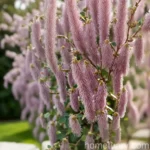
Salix exigua (Coyote Willow)
What is Salix exigua (Coyote Willow)?
The Salix exigua, commonly known as Coyote Willow, is a deciduous shrub native to western North America, ranging from Canada down to northern Mexico. This adaptable plant is well-suited to a variety of habitats, including riparian areas, stream banks, and wetlands, where it plays a crucial role in stabilizing soil and preventing erosion. The name “Coyote Willow” is derived from the fact that coyotes are often observed seeking shelter within its dense foliage.
Key Takeaways
Salix exigua (Coyote Willow):
- Plant Type: Deciduous shrub
- Native Habitat: Western North America
- Growth Habit: Upright, multi-stemmed
- Uses: Erosion control, wildlife habitat, ornamental landscaping
- Water Needs: Medium to high
- Sunlight: Full sun to partial shade
- Soil Requirements: Moist to wet, well-draining soil
- Drought Tolerance: Moderate
- Pruning: Regular pruning to maintain shape and promote new growth
- Common Pests: Aphids, caterpillars
- Common Diseases: Rust, powdery mildew
- Propagation Methods: Seed, cuttings
- Cultural Significance: Used by indigenous peoples for various purposes
Culture
Uses
The Salix exigua (Coyote Willow) serves multiple functional and ecological purposes, making it a valuable addition to various environments and landscaping projects:
- Erosion Control: One of the primary uses of Coyote Willow is its ability to stabilize soil and prevent erosion along riverbanks, stream sides, and wetland areas.
- Wildlife Habitat: The dense foliage of Salix exigua provides shelter for various wildlife, including birds and small mammals. It also serves as a valuable food source for browsing animals.
- Ornamental Landscaping: Due to its graceful appearance and adaptability, Coyote Willow is often used in landscaping to create naturalistic and wildlife-friendly outdoor spaces.
Water
Coyote Willow has medium to high water needs and thrives in consistently moist to wet conditions. While the plant is tolerant of seasonal flooding, it should not be waterlogged for prolonged periods. Adequate moisture is crucial for the health and vigor of Salix exigua, particularly during the establishment phase and periods of active growth.
Sunlight
In terms of sunlight requirements, Coyote Willow prefers full sun to partial shade. While it can tolerate some shade, the plant generally performs best when it receives at least six hours of direct sunlight per day.
Fertilizer
Coyote Willow typically does not require regular fertilization if planted in nutrient-rich soils. However, in cases where the soil quality is poor, a balanced slow-release fertilizer can be applied in the early spring to support healthy growth. It’s important to avoid over-fertilizing, as this can lead to excessive vegetative growth and compromise the plant’s resilience.
Soil
Salix exigua thrives in moist to wet, well-draining soils. It is commonly found in riparian areas, floodplains, and wetland habitats characterized by alluvial soils. The plant exhibits a high tolerance for silt, gravel, and organic matter, making it particularly well-suited for stabilizing riverbanks and stream edges.
Pruning
Regular pruning is beneficial for maintaining the shape and vitality of Coyote Willow. Pruning can be conducted during the dormant season to remove damaged or diseased branches, shape the plant, and promote new growth. Overgrown or tangled stems can be selectively pruned to encourage a more open and airy growth habit.
Propagation
The propagation of Salix exigua can be achieved through both seeds and cuttings. Fresh seeds can be collected from mature catkins and sown in a prepared seedbed. Additionally, semi-hardwood cuttings taken during the summer months can be used to propagate new plants. Proper care and attention to moisture levels are essential for the successful establishment of new seedlings or cuttings.
Container Popularity
While Coyote Willow is primarily known for its role in ecological restoration and natural landscaping, it can also be grown in containers under the right conditions. Container-grown plants can be used to create attractive displays on patios, decks, or balconies, providing a touch of native charm to urban and suburban settings.
Common Diseases
Disease Diagnosis
The Salix exigua is susceptible to certain diseases and pest infestations, which can impact its overall health and vigor. Identifying and addressing these issues promptly is crucial for maintaining the plant’s vitality. Common diseases that may affect Coyote Willow include:
- Rust: Characterized by the appearance of orange or yellow spore masses on the underside of leaves, rust can weaken the plant and reduce its aesthetic appeal.
- Powdery Mildew: This fungal disease results in the formation of a powdery white coating on the foliage, affecting photosynthesis and overall plant health.
Common Pests
In addition to diseases, Coyote Willow may face challenges from various pests, including aphids and caterpillars. Aphids can cause damage by feeding on the plant’s sap, resulting in stunted growth and distorted foliage. Caterpillars, while less common, may defoliate the plant if their populations are not managed effectively.
Botanist’s Tips
- Species Diversity: Salix exigua is one of over 400 species in the Salix genus, demonstrating a wide range of ecological adaptations and growth habits.
- Erosion Control: The extensive root system of Coyote Willow plays a critical role in stabilizing soil and preventing erosion, making it an ideal choice for restoration projects in riparian areas.
- Wildlife Support: This plant serves as a valuable resource for wildlife, providing habitat and food for numerous species, including birds and browsing animals.
Fun Facts
- The slender, silvery-green leaves of Coyote Willow create a visually appealing contrast against the plant’s reddish-brown stems.
- In indigenous cultures, various parts of the Salix exigua were historically used for medicinal and cultural purposes, reflecting the plant’s cultural significance.
Links to External Resources
For more detailed information about the Salix exigua (Coyote Willow), please refer to the following resources:
- USDA Plant Guide: Coyote Willow (Salix exigua)
- Lady Bird Johnson Wildflower Center: Salix exigua
- Missouri Botanical Garden: Salix exigua
In conclusion, the Salix exigua (Coyote Willow) represents a resilient and ecologically valuable plant species, offering a range of benefits in natural and cultivated landscapes. Its adaptability, wildlife support, and erosion control capabilities make it a compelling choice for conservation and restoration efforts, as well as for ornamental landscaping projects. By understanding the specific cultural and environmental requirements of Coyote Willow, individuals and practitioners can harness its potential to enhance biodiversity and address ecological challenges effectively.