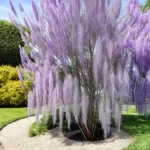
Salix alba var. vitellina ‘Golden Ness’ (Golden Willow)
Plants have always been a fundamental part of our lives, providing us with food, oxygen, and numerous other resources. In addition to their ecological importance, plants also add aesthetic value to our surroundings. One such plant that has gained popularity in landscaping and gardens is the Salix alba var. vitellina ‘Golden Ness’ or the Golden Willow. With its striking golden foliage, this ornamental plant has become a favorite for many gardeners and landscapers. In this comprehensive guide, we will explore the key aspects of this beautiful plant, including its culture, uses, maintenance, and more.
What is Salix alba var. vitellina ‘Golden Ness’ (Golden Willow)?
Salix alba var. vitellina ‘Golden Ness’ is a cultivar of the white willow (Salix alba) species. It is known for its vibrant golden-yellow stems and leaves, making it an eye-catching addition to any garden or landscape. This deciduous tree is native to Europe and Western and Central Asia, where it thrives in moist and wet environments.
The Golden Willow belongs to the family Salicaceae and is a medium to large-sized tree, capable of reaching heights of 30-50 feet. Its narrow, lance-shaped leaves emerge in the spring with a golden hue, creating a stunning visual display. As the seasons change, the leaves transition into a bright green color before turning golden-yellow again in the fall.
This cultivar is particularly valued for its stunning foliage, which adds a touch of warmth and brightness to outdoor spaces. Its versatility allows it to be used in various landscaping designs, from hedging to erosion control, making it a sought-after choice for both residential and commercial projects.
An interesting feature of this plant is its ability to attract wildlife, particularly birds, thanks to its appealing foliage, making it an excellent choice for those interested in creating wildlife-friendly gardens.
Key Takeaways – Salix alba var. vitellina ‘Golden Ness’ (Golden Willow)
Before delving deeper into the details of this beautiful plant, here are the key takeaways for those interested in the Salix alba var. vitellina ‘Golden Ness’:
- Scientific Name: Salix alba var. vitellina ‘Golden Ness’
- Common Name: Golden Willow
- Botanical Classification: Cultivar of Salix alba
- Foliage: Vibrant golden-yellow leaves
- Stem Color: Golden-yellow
- Uses: Landscaping, erosion control, hedging
- Wildlife Attraction: Attracts birds
- Maintenance: Low maintenance
- Seasonal Interest: Striking golden foliage in spring and fall
Now, let’s take a closer look at the cultural requirements, uses, and maintenance tips for this captivating plant.
Culture
Understanding the cultural requirements of the Salix alba var. vitellina ‘Golden Ness’ is essential for ensuring its optimal growth and health. This includes considerations such as water, sunlight, fertilizer, soil, and pruning.
Uses
The Salix alba var. vitellina ‘Golden Ness’ (Golden Willow) offers a range of uses, making it a versatile addition to gardens and landscapes. Some of its common uses include:
- Ornamental tree for visual appeal
- Hedging for creating natural boundaries
- Erosion control through its extensive root system
- Wildlife-friendly plant for attracting birds and beneficial insects
Water
Golden Willows are ideally suited to moist and wet environments, given their native habitats along riverbanks and wetlands. When grown in garden or landscaping settings, it is important to ensure that the soil remains consistently moist, particularly during the initial establishment period. Regular watering, especially during dry spells, is crucial for promoting healthy growth. While these trees have a preference for moist soils, they should not be waterlogged, as excessive water can lead to root rot and other issues.
Sunlight
In terms of sunlight requirements, the Salix alba var. vitellina ‘Golden Ness’ thrives in full sun to partial shade. Ideally, it should receive at least 6 hours of direct sunlight daily to support robust growth and foliage coloration. However, it can tolerate partial shade, making it suitable for various lighting conditions in gardens and landscapes.
Fertilizer
In terms of fertilizer, Golden Willow trees are not heavy feeders. However, a balanced, slow-release fertilizer can be applied in the early spring to support healthy growth and vibrant foliage. It’s important to follow the application instructions provided on the fertilizer packaging to avoid overfeeding, which can lead to excessive growth and reduce the intensity of the golden foliage.
Soil
The Golden Willow prefers soil that is moist and well-draining. It can tolerate a wide range of soil types, including loamy, sandy, and clay soils. However, it is important to ensure that the soil does not become waterlogged, as this can lead to root rot. Soil amendment with organic matter such as compost can improve soil structure and moisture retention, supporting the tree’s overall health.
Pruning
Pruning is an important aspect of maintaining the health and appearance of the Salix alba var. vitellina ‘Golden Ness’. Regular pruning helps to manage the tree’s size, shape, and density. Typically, pruning is carried out during the dormant season in late winter to early spring. This timing helps to minimize the risk of diseases and allows the tree to recover swiftly as new growth emerges in the spring.
Propagation
The propagation of Salix alba var. vitellina ‘Golden Ness’ can be achieved through several methods, including:
- Hardwood cuttings: These are taken in late winter or early spring, using mature wood from the previous year’s growth. Cuttings are then planted in a suitable rooting medium and kept moist until they establish roots.
- Seed propagation: While viable seeds can be collected from the tree, propagation from seeds may result in variations in foliage color and characteristics. However, it can be an interesting way to explore genetic diversity within the species.
Container Popularity
The Salix alba var. vitellina ‘Golden Ness’ is also popular for container gardening. Its striking foliage and adaptability make it an excellent choice for adding visual interest to outdoor spaces, patios, and entryways. When grown in containers, it is important to ensure adequate moisture and regular fertilization, given the restricted root space. Additionally, larger containers are preferred to accommodate the tree’s potential size.
Common Diseases
As with many plants, the Salix alba var. vitellina ‘Golden Ness’ is susceptible to certain diseases. Common diseases that can affect these trees include:
- Fungal infections: This can lead to issues such as leaf spot and powdery mildew, particularly in conditions with high humidity and poor air circulation.
- Root rot: Excessive moisture in the soil can lead to root rot, causing symptoms such as wilting and yellowing foliage.
Disease Diagnosis
To diagnose potential diseases, it is important to monitor the tree for any signs of abnormal growth, discoloration, or leaf damage. If suspected, it is advisable to consult with a local plant specialist or extension service to obtain an accurate diagnosis and treatment recommendations. Early detection and intervention can significantly improve the tree’s chances of recovery.
Common Pests
While the Salix alba var. vitellina ‘Golden Ness’ is relatively resistant to pests, it may occasionally encounter issues with:
- Aphids: These small insects can congregate on new growth, causing leaf distortion and honeydew production.
- Caterpillars: Certain caterpillar species may feed on the foliage, leading to visible damage if populations are high.
Botanist’s Tips
For successful cultivation of Salix alba var. vitellina ‘Golden Ness’, here are some tips from botanists and horticultural experts:
- Regular moisture: Ensuring consistently moist soil, particularly during the establishment period, is crucial for healthy growth and vibrant foliage.
- Proper pruning: Regular pruning helps maintain the tree’s size and shape, promoting better air circulation and reducing the risk of diseases.
- Monitoring pests and diseases: Regular monitoring allows for early intervention if pest or disease issues arise, promoting the tree’s overall health.
Fun Facts
To add a touch of fascination to the charm of the Salix alba var. vitellina ‘Golden Ness’ (Golden Willow), here are some interesting and lesser-known facts about this ornamental tree:
- The golden-yellow foliage of the Golden Willow is particularly striking in the fall, adding a vibrant touch to autumn landscapes.
- In addition to its visual appeal, the tree also plays a valuable ecological role in wildlife habitat, attracting birds and beneficial insects.
- The flexible nature of willow branches has been historically utilized for weaving, making baskets, and crafting other objects.
Links to External Resources
To further expand your knowledge and understanding of the Salix alba var. vitellina ‘Golden Ness’, here are some valuable external resources:
- Royal Horticultural Society: The RHS offers comprehensive information on plant care, including detailed guides on willow trees and ornamental varieties.
- Missouri Botanical Garden: The Missouri Botanical Garden provides extensive plant databases and resources, including information on the cultivation and uses of various ornamental plants.
- University Extension Services: Many university extension services offer localized plant care information, including guides on pruning, diseases, and pest management specific to different regions.
In conclusion, the Salix alba var. vitellina ‘Golden Ness’ (Golden Willow) stands out as a striking ornamental tree, valued for its vibrant foliage, versatility in landscaping, and ecological benefits. By understanding its cultural requirements, uses, and maintenance tips, gardeners and landscapers can harness the full potential of this captivating plant to enhance outdoor spaces and create visually stunning landscapes.
Remember, the beauty of the Golden Willow lies not only in its striking appearance but also in its ability to contribute to the natural world and create a vibrant outdoor environment for all to enjoy. Consider adding the Salix alba var. vitellina ‘Golden Ness’ to your garden or landscape, and experience the captivating allure of this golden gem.
Keywords: Salix alba var. vitellina, Golden Ness, Golden Willow, Salix alba, Vitellina, Variegated willow tree, Yellow willow tree, Willow tree with yellow stems, Golden Ness willow tree care, Growing Salix alba var. vitellina, Golden leaf shrubs, Planting Salix alba var. vitellina, Salix alba var. vitellina ‘Golden Ness’ characteristics, Uses of Golden Willow in gardens, Salix alba var. vitellina ‘Golden Ness’ in landscaping, Ornamental plants for gardens, Golden leafy shrubs, Salix alba var. vitellina ‘Golden Ness’ in winter, Ornamental tree with golden stems, Golden leafy shrubs, Drought-tolerant golden plants, Growing yellow willow trees, Golden Ness willow tree care, Salix alba var. vitellina ‘Golden Ness’ in landscaping, Golden plants for outdoor spaces, Yellow color in garden design, Golden leaf shrubs, Attracting wildlife with Golden Ness willow, yellow stem shrubs, low maintenance golden plants, Golden Willow tree benefits, ornamental willow varieties, landscaping with Golden Willow, yellow ornamental trees, hardy willow tree varieties, popular ornamental willow varieties, yellow stem trees, golden willow for hedging, versatile plants with golden foliage, Willow tree with attractive foliage, natural uses of Golden Willow, bright foliage plants for gardens, eye-catching golden plants for landscapes, willow tree with golden leaves in autumn, golden willow for erosion control, vibrant yellow plants for gardens