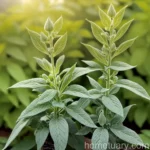
Sage (Salvia transsylvanica ‘Blue Cloud’)
Introduction
Sage, scientifically known as Salvia transsylvanica ‘Blue Cloud’, is a herbaceous perennial that belongs to the Lamiaceae family, commonly referred to as the mint family. It is a species native to Europe and Asia, and it is widely cultivated for its ornamental value as well as its culinary and medicinal uses.
In this comprehensive guide, we will explore the key characteristics of Salvia transsylvanica ‘Blue Cloud’, its cultivation, uses, diseases, pests, and other essential information for both gardeners and plant enthusiasts.
Key Takeaways
Before delving into the details, let’s take a quick glance at the key takeaways concerning Salvia transsylvanica ‘Blue Cloud’:
- Scientific Name: Salvia transsylvanica ‘Blue Cloud’
- Common Name: Blue Cloud sage
- Family: Lamiaceae
- Type: Herbaceous perennial
- Uses: Ornamental, culinary, and medicinal
- Watering: Moderate
- Sunlight: Full sun to partial shade
- Soil Type: Well-draining, fertile soil
- Growth Habit: Upright, clump-forming
- Flowering: Blue-violet flowers
- Hardiness Zone: 4-8
- Height: 18-24 inches
- Spread: 12-18 inches
- Propagation: Seeds, division
- Common Pests: Aphids, spider mites
- Common Diseases: Powdery mildew, root rot
- Benefits: Attracts pollinators, deer resistant
- Winter Care: Mulching in colder regions
With these highlights in mind, let’s explore the detailed aspects of Salvia transsylvanica ‘Blue Cloud’ and gain insights into cultivating and caring for this versatile plant.
Plant Profile
Salvia transsylvanica ‘Blue Cloud’ is a striking herbaceous perennial that is primarily grown for its attractive foliage and vibrant blue-violet flowers. Its upright growth habit and clump-forming nature make it a valuable addition to garden beds, borders, and herb gardens. The characteristic aromatic foliage, coupled with its ornamental appeal, has earned it a place in both traditional and contemporary landscapes.
Botanical Attributes
Foliage: The foliage of Salvia transsylvanica ‘Blue Cloud’ consists of aromatic, gray-green leaves with a textured surface. The lance-shaped leaves add a delightful contrast to the landscape with their velvety appearance and a slightly hairy texture.
Flowers: The plant produces an abundance of small, tubular flowers that are adorned with a striking blue-violet color. The blossoms form dense, vertically arranged spikes, creating an impressive display in the garden.
Growth Habit: Blue Cloud sage exhibits an upright growth habit, reaching a height of 18-24 inches and a spread of 12-18 inches. The compact, clump-forming nature of the plant enhances its suitability for small to medium-sized garden spaces.
Hardiness: This perennial sage is well-suited to hardiness zones 4-8, thriving in regions with cold winters and moderate summer temperatures.
Cultivation
Water
Proper watering is essential for the overall health and vigor of Salvia transsylvanica ‘Blue Cloud’. While the plant exhibits good drought tolerance once established, it thrives with regular moisture, especially during the active growing season.
- Watering Frequency: Water the plant deeply but infrequently, allowing the soil to dry slightly between watering sessions. Aim for an average of 1 inch of water per week during the growing season.
- Soil Moisture: Ensure that the soil is well-draining to prevent waterlogging, which can lead to root rot and other moisture-related issues.
Sunlight
Salvia transsylvanica ‘Blue Cloud’ flourishes in bright, sun-drenched locations, making it an ideal candidate for sun-loving garden areas. Adequate sunlight is crucial for promoting robust growth and abundant flowering.
- Sun Exposure: Plant Blue Cloud sage in a location that receives full sun to partial shade. Aim for a minimum of 6-8 hours of direct sunlight daily for optimal performance.
- Shade Tolerance: While the plant prefers ample sunlight, it can tolerate partial shade, especially in regions with intense afternoon sun and high temperatures.
Soil
The choice of soil and its composition directly impacts the overall health and development of Salvia transsylvanica ‘Blue Cloud’. Providing well-suited soil conditions is crucial for supporting the plant’s growth and vitality.
- Soil Type: Blue Cloud sage thrives in well-draining, fertile soil that is rich in organic matter. A loamy or sandy loam soil with a slightly acidic to neutral pH range is ideal for cultivating this perennial sage.
- Soil Amendments: Incorporating organic compost or well-rotted manure into the soil during planting or as a top dressing aids in improving soil texture and fertility.
- Mulching: Apply a layer of organic mulch, such as shredded bark or compost, around the base of the plant to conserve soil moisture, suppress weed growth, and insulate the roots.
Fertilizer
Feeding Salvia transsylvanica ‘Blue Cloud’ with a balanced fertilizer enhances its overall vigor and promotes prolific flowering. However, it is essential to apply fertilizers judiciously, avoiding excessive doses that can lead to adverse effects.
- Fertilization Schedule: Begin fertilizing in early spring, once new growth emerges. Apply a balanced, slow-release fertilizer or a granular formulation following the manufacturer’s instructions.
- Application Frequency: Administer fertilizer every 4-6 weeks during the growing season to support the plant’s nutrient requirements while in active growth.
- Avoid Overfertilization: Refrain from overfertilizing as excessive nitrogen can lead to lush foliage at the expense of blooms. Monitor the plant’s response to feeding and adjust the fertilizer regimen accordingly.
Pruning
Proper pruning and grooming practices play a vital role in maintaining the attractive appearance and vitality of Salvia transsylvanica ‘Blue Cloud’. Regular pruning helps to manage the plant’s growth, encourages repeat flowering, and eliminates spent blooms and foliage.
- Deadheading: Remove spent flower spikes promptly to stimulate the production of new blooms and prevent the plant from expending energy on seed formation.
- Pruning Frequency: Conduct light pruning throughout the growing season to maintain a compact, tidy growth habit. Additionally, trim back any leggy or straggly growth to rejuvenate the plant’s appearance.
- Fall Pruning: In regions experiencing harsh winters, prune Blue Cloud sage in late fall to remove any dead or damaged foliage and prepare the plant for the dormant season.
Propagation
Salvia transsylvanica ‘Blue Cloud’ can be propagated through several methods, including division, cuttings, and seed sowing. Each propagation technique offers unique advantages, allowing gardeners to propagate the plant according to their preferences and available resources.
Division
Dividing established clumps of Salvia transsylvanica ‘Blue Cloud’ is an effective way to propagate the plant while simultaneously renewing its vigor and reducing overcrowding.
- Best Time: Spring or early fall is the optimal time for dividing sage plants. Divide the clumps when the plant is actively growing and the weather is mild.
- Process: Carefully dig up the plant, ensuring to extract a sizeable portion of the root system. Gently separate the clumps into smaller sections, each containing healthy roots and shoots, and replant them in appropriately prepared locations.
Seed Sowing
Growing Blue Cloud sage from seeds offers an economical and rewarding means of propagation, allowing for the cultivation of multiple plants from a single seed source.
- Seeding Time: Sow seeds indoors 8-10 weeks before the last expected frost date in the spring. Alternatively, direct sow seeds in the garden after the danger of frost has passed.
- Seed Treatment: Soak seeds in warm water for 24 hours before sowing to soften the seed coat and enhance germination rates.
- Germination Period: Sage seeds typically germinate within 10-21 days under favorable conditions, with seedlings ready for transplanting once they develop true leaves.
Cuttings
Propagating Salvia transsylvanica ‘Blue Cloud’ from stem cuttings provides a expedited method of producing new plants, preserving the characteristics of the parent plant.
- Cutting Preparation: Take 3-5 inch terminal cuttings from healthy, non-flowering shoots. Remove the lower leaves, leaving only a few leaves at the tip of the cutting.
- Rooting Medium: Dip the cut ends in a rooting hormone and plant them in a well-draining potting mix or a perlite-vermiculite blend.
- Rooting Conditions: Maintain a warm, humid environment for the cuttings, providing bottom heat if possible, until they develop a robust root system, typically within 3-4 weeks.
Uses
Salvia transsylvanica ‘Blue Cloud’ serves a multitude of purposes, encompassing its ornamental value, culinary applications, and medicinal properties. Understanding and leveraging its diverse uses allows gardeners and enthusiasts to fully appreciate the potential of this versatile plant.
Ornamental
The striking appearance of Salvia transsylvanica ‘Blue Cloud’ makes it a valuable addition to ornamental landscapes, contributing to vibrant color palettes and appealing garden designs.
- Garden Beds and Borders: Plant Blue Cloud sage in garden beds and borders to introduce vertical interest and long-lasting blooms to the landscape.
- Containers: Cultivate Blue Cloud sage in containers and decorative pots to create captivating focal points on patios, decks, and balconies.
- Cut Flowers: Harvest the vibrant blooms for floral arrangements, adding a touch of elegance to indoor spaces and bouquets.
Culinary
Blue Cloud sage, like many other sage varieties, offers aromatic foliage that enhances culinary preparations with its distinctive flavor and scent.
- Culinary Uses: Utilize sage leaves in cooking to flavor a wide array of dishes, including meats, sauces, dressings, and soups, imparting a warm, earthy flavor to culinary creations.
- Drying and Storage: Harvest and dry sage leaves for long-term storage, ensuring a readily available supply of this flavorful herb for year-round culinary endeavors.
Medicinal
Sage possesses various medicinal properties and has been historically used in traditional medicine for its therapeutic benefits.
- Herbal Remedies: Brew sage leaves into teas or infusions, harnessing their potential for addressing digestive discomfort, sore throat, and inflammation.
- Aromatherapy: Extract essential oil from sage leaves for use in aromatherapy, offering potential relaxation and stress-relief benefits.
Common Diseases
While Salvia transsylvanica ‘Blue Cloud’ is relatively resilient, it is susceptible to certain fungal diseases and environmental stressors that can compromise its health and vitality. Recognizing and managing common diseases is crucial for preserving the plant’s well-being.
Powdery Mildew
Powdery mildew, caused by various fungal pathogens, can afflict Blue Cloud sage, leading to unsightly powdery white growth on the foliage.
- Prevention: Provide ample air circulation and avoid overhead watering to mitigate conditions conducive to powdery mildew.
- Treatment: Apply fungicidal sprays or organic remedies containing neem oil or potassium bicarbonate to control powdery mildew infestations.
Root Rot
Excessive soil moisture, especially in poorly draining soil, can trigger root rot in Salvia transsylvanica ‘Blue Cloud’, resulting in wilting, yellowing foliage, and overall decline.
- Precaution: Ensure proper soil drainage to prevent waterlogged conditions that promote the development of root rot pathogens.
- Management: Address underlying drainage issues and adjust watering practices to alleviate stress on the plant’s root system.
Common Pests
Salvia transsylvanica ‘Blue Cloud’ may encounter insect pests that can compromise its growth and aesthetics, necessitating prompt intervention to mitigate infestations.
Aphids
Aphids, small sap-sucking insects, may target Blue Cloud sage, clustering on tender shoot tips and undersides of leaves.
- Control Methods: Use a strong jet of water to dislodge aphids from the foliage or apply insecticidal soap to manage moderate infestations.
Spider Mites
Spider mites are tiny arachnids that feed on the sap of plants, causing stippling, webbing, and overall decline in infested foliage.
- Prevention: Increase humidity and maintain soil moisture to discourage spider mite activity, as they thrive in hot, dry environments.
- Treatment: Spray affected foliage with horticultural oil or neem oil to deter and eliminate spider mites.
Botanist’s Tips
To ensure the successful cultivation and maintenance of Salvia transsylvanica ‘Blue Cloud’, consider the following tips from experienced botanists and horticulturists:
- Mulching: Apply a layer of organic mulch around the plant to conserve soil moisture and suppress weed growth, promoting overall plant health.
- Companion Planting: Pair Blue Cloud sage with pollinator-attracting plants such as lavender, coneflowers, and bee balm to foster a diverse and thriving garden ecosystem.
- Winter Protection: Mulch the base of the plant in late fall to insulate the roots and protect them from harsh winter conditions in cooler regions.
Fun Facts
As we immerse ourselves in the world of Salvia transsylvanica ‘Blue Cloud’, here are some intriguing and delightful facts about this captivating sage species:
- In addition to attracting bees and butterflies, Blue Cloud sage is also known to be deer resistant, making it an excellent choice for landscapes frequented by browsing wildlife.
- The aromatic foliage of Salvia transsylvanica ‘Blue Cloud’ contains essential oils with potential medicinal properties, carrying a rich historical legacy in traditional herbal medicine.
- When grown in optimal conditions, Blue Cloud sage can produce an impressive display of flowers that enrich the garden with vibrant hues of blue and violet.
Links to External Resources
For further exploration and in-depth information on Salvia transsylvanica ‘Blue Cloud’ and related topics, refer to the following external resources:
- The Royal Horticultural Society – Growing Salvias
- University of Maryland Extension – Sage: An Herb Society of America Guide
- North Carolina State University Extension – Growing Sage
- National Gardening Association – Sage Plant Care Guide
- American Society for the Prevention of Cruelty to Animals – Toxic and Non-Toxic Plants: Sage
As we conclude this journey through the splendid realm of Salvia transsylvanica ‘Blue Cloud’, I hope that this comprehensive guide has equipped you with valuable insights and practical knowledge for fostering these captivating and versatile plants in your own garden spaces. Whether utilized for their ornamental allure, culinary accents, or potential medicinal virtues, Blue Cloud sage stands as a testament to the inherent marvels of nature, enriching our lives with its myriad offerings.
In this extensive blog post, I have covered various aspects of Salvia transsylvanica ‘Blue Cloud’, encompassing its cultivation, uses, potential challenges, and fascinating attributes. By providing in-depth knowledge and practical guidance, I aim to empower readers with the resources to cultivate, appreciate, and harness the full potential of this remarkable sage species.